Dust mites love humidity levels between 70-80%, making your home a prime target if it’s damp. To beat these pesky critters, keep indoor humidity below 50% using dehumidifiers, good ventilation, and regular cleaning. Wash your bedding weekly in hot water, vacuum often with HEPA filters, and dust surfaces with damp cloths to minimize their presence. Discover more strategies to maintain a dust mite-free environment that will keep your home cleaner and healthier.

Get health and wellness essentials delivered free — and shop member deals
- Fast, free delivery on millions of items
- Access to Prime Big Deal Days deals on October 6–7
- Prime Video, Amazon Music and more included
Key Takeaways
- Dust mites thrive in humidity levels of 70-80%, so aim to keep indoor humidity below 50% to deter them.
- Use dehumidifiers in damp areas and ventilate spaces to reduce moisture accumulation effectively.
- Regularly wash bedding in hot water (≥130°F) to eliminate dust mites and their allergens.
- Vacuum carpets and upholstery with HEPA filters to capture dust mites and prevent their spread.
- Implement allergen-proof bedding and maintain consistent cleaning routines for long-term control of dust mites.
Understanding Dust Mites and Their Preferred Environment

Although you might not see them, dust mites thrive in your home, particularly in warm and humid environments. They love humidity levels between 70% and 80%, which creates an ideal breeding ground for allergen development. These tiny creatures feed on skin flakes and thrive in bedding, upholstery, and carpets. When humidity fluctuations occur, such as during seasonal changes, it can impact their population. High humidity encourages rapid reproduction, leading to increased allergens in your living space. To combat this, maintaining a consistent indoor humidity level below 50% is essential. Using dehumidifiers and ensuring proper ventilation can help keep dust mites at bay, reducing the risk of allergy-related problems. Taking these steps can create a less hospitable environment for them, while personalized intervention strategies can further enhance your efforts to manage allergens effectively.
Signs of Dust Mite Infestation

If you suspect a dust mite infestation, there are several telltale signs to watch for in your home. Common allergy symptoms like sneezing, itchy eyes, and a runny nose might indicate their presence. Pay attention to the cleanliness of your bedding; poor bedding hygiene can exacerbate these symptoms. Regularly updating your home decor can also help create a more allergen-free environment. Additionally, maintaining energy-efficient systems can contribute to a healthier indoor climate. Having a reliable whole-home backup power system ensures that you can use dehumidifiers effectively to control humidity levels and minimize dust mite growth.
| Signs of Infestation | Description |
|---|---|
| Allergy Symptoms | Frequent sneezing, coughing |
| Dust Accumulation | Visible dust on surfaces |
| Unpleasant Odor | Musty smell in bedding |
Regularly inspect your bedding and vacuum your home to minimize dust mite populations. By recognizing these signs early, you can take action to improve your living environment and reduce allergy symptoms. Maintaining optimal humidity levels can also help in preventing dust mites from thriving in your home.
Measuring Humidity Levels in Your Home

To effectively manage dust mite populations, monitoring the humidity levels in your home is essential since these pests thrive in moist environments. You can easily track humidity using a combination of tools. Here are some options to consider:
Monitoring humidity is crucial for controlling dust mite populations, as they thrive in damp conditions.
- Humidity sensors: Place these devices in key areas to get real-time readings and alerts when levels are too high.
- Smart thermostats: Many modern smart thermostats come equipped with humidity monitoring features, allowing you to maintain ideal indoor conditions.
- Hygrometers: If you prefer a simpler option, a basic hygrometer can provide accurate humidity readings without the tech fuss. Additionally, maintaining ideal indoor conditions can help create a less hospitable environment for dust mites.
Effective Ways to Lower Humidity

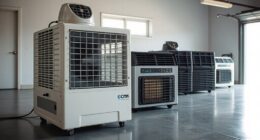
Monitoring humidity levels in your home is just the first step in managing dust mites. To effectively lower humidity, consider using dehumidifiers in damp areas like basements and bathrooms. Make certain your air purifier maintenance is up to date, as a well-maintained unit can help reduce moisture and allergens in the air. Additionally, better indoor air quality can be achieved through regular cleaning and minimizing clutter, which helps reduce dust accumulation. You might also want to ventilate spaces by opening windows or using exhaust fans, especially when cooking or showering. Furthermore, individual evidence from previous studies indicates that maintaining lower humidity levels can significantly reduce dust mite populations. Regularly cleaning your kitchen appliances and cookware can also help maintain a dry environment, as proper care prevents moisture build-up. Additionally, investing in allergen proof bedding can create a barrier against dust mites while keeping your sleeping environment dry and comfortable. Regularly check for leaks and repair any water damage, as these can contribute to increased humidity levels. Staying proactive will help keep dust mites at bay. Furthermore, utilizing air purifiers can enhance the quality of indoor air, making it less hospitable for dust mites. Consider integrating robot vacuums into your cleaning routine, as they can effectively reduce dust and allergens in your home.
Cleaning Practices to Reduce Dust Mites

While lowering humidity is crucial, consistent cleaning practices are equally important in reducing dust mites in your home. By focusing on allergen reduction through effective cleaning, you can create a healthier environment. Here are three key practices to enhance your bedding hygiene:
- Wash your bedding weekly in hot water (at least 130°F) to kill dust mites and remove allergens.
- Vacuum carpets and upholstery regularly using a vacuum with a HEPA filter to trap dust and mites.
- Dust surfaces with a damp cloth to prevent particles from becoming airborne. Additionally, consider using energy-efficient options such as air purifiers to further reduce dust mite populations in your living space.
Long-term Solutions for Dust Mite Management

Since dust mites thrive in humid environments, implementing long-term solutions for effective management is essential for maintaining a healthy home. Start by investing in a dehumidifier to keep humidity levels below 50%. This helps reduce dust mite populations and alleviates dust mite allergies. Regularly wash bedding and soft furnishings in hot water to eliminate any mites that may have settled in. Consider using allergen-proof covers on pillows and mattresses to create a barrier against dust mites. Additionally, opt for hard flooring instead of carpeting, as it’s easier to clean and less hospitable for these pests. By focusing on humidity control and consistent cleaning practices, you can markedly decrease dust mite presence and improve your indoor air quality. Incorporating smart appliances that monitor and maintain optimal humidity levels can further enhance your dust mite management strategy. For instance, a whole-house water filtration system can help ensure that your water is free from impurities, which in turn can support overall indoor air quality. Implementing these cleaning practices not only targets dust mites but also contributes to an overall healthier living environment. A well-organized home can significantly reduce clutter, which is a key factor in creating an inviting atmosphere that minimizes allergens. Furthermore, maintaining low humidity levels not only prevents dust mites but also helps in controlling oil production, which is beneficial for skin health.
Frequently Asked Questions
Can Dust Mites Cause Allergies in Pets?
Yes, dust mites can cause allergies in pets. If your pet shows symptoms like itching, sneezing, or watery eyes, they might be reacting to dust mite triggers. These tiny creatures thrive in warm, humid environments, making it essential to keep your home clean and dry. Regular vacuuming and washing your pet’s bedding can help reduce their presence, ultimately easing your pet’s allergy symptoms. Keeping your home dust-free is key to their comfort.
Do Dust Mites Thrive in Cold Climates?
Dust mites aren’t exactly snowflakes; they can still survive in cold climates. While lower temperatures can slow them down, they thrive in humidity, regardless of the chill. If the indoor environment remains warm and moist, you’ll still find these pesky critters lurking around. So, even in a colder climate, mite survival is possible if the humidity levels are right. Keep your space dry and cool to keep dust mites at bay!
How Often Should I Wash Bedding to Combat Dust Mites?
You should wash your bedding at least once a week to effectively combat dust mites. Regular bedding maintenance helps reduce their population considerably. If you can’t manage weekly laundry frequency, aim for every two weeks as a minimum. Make sure to use hot water, as it kills dust mites and their eggs. Don’t forget to dry your bedding on high heat for extra protection against those pesky little critters.
Are There Specific Vacuum Cleaners That Eliminate Dust Mites Effectively?
Look for vacuum cleaners equipped with HEPA filters; they’re like shields against dust mites, trapping the tiniest foes lurking in your home. When you vacuum, you’ll be sweeping away more than just dirt. Don’t forget about upholstery cleaning, too; mites love to hide in those cozy spots. By choosing the right vacuum, you’ll be armoring your space, giving dust mites a run for their money, and breathing easier in no time!
Can Essential Oils Repel Dust Mites?
Yes, essential oils can help repel dust mites. You can create natural repellents by using essential oil blends like eucalyptus, lavender, or tea tree oil. Mix a few drops with water in a spray bottle and lightly mist your bedding and carpets. This not only discourages dust mites but also leaves your home smelling fresh. Incorporating these oils into your cleaning routine can contribute to a healthier, mite-free environment.
Conclusion
By keeping humidity levels in check, you can send dust mites packing and breathe easier in your home. Think of it as setting up a fortress against these tiny invaders—your shield is a drier environment. Regular cleaning and smart humidity management create a long-term solution that helps you reclaim your space. With a little effort, you can turn your home into a dust mite-free haven where you can truly relax and enjoy life.
Fall Picks
fall essentials
As an affiliate, we earn on qualifying purchases.