A properly installed drain hose setup helps prevent leaks, water damage, and unpleasant odors, while ensuring smooth operation of outdoor systems. It safely diverts excess water, reducing risks of waterlogging and root rot in your garden. It also prevents clogs, backups, and mold growth in pipes—extending their lifespan. Plus, it promotes eco-friendly water use and keeps pests at bay. To discover how to optimize your drainage, keep exploring these key tips.

Get health and wellness essentials delivered free with Prime
- Fast, free delivery on millions of items
- Prime Video, Amazon Music and more included
- Member-only deals all year
Key Takeaways
- Proper setup prevents leaks, water damage, and unpleasant odors in appliances and outdoor spaces.
- It ensures efficient water diversion, reducing waste and promoting eco-friendly garden irrigation.
- Correct placement minimizes clogs, backups, and pipe damage, extending plumbing lifespan.
- Well-installed hoses prevent stagnant water, reducing pest breeding grounds and mold growth.
- Regular maintenance and proper slope ensure reliable drainage, avoiding water pooling and freezing issues.
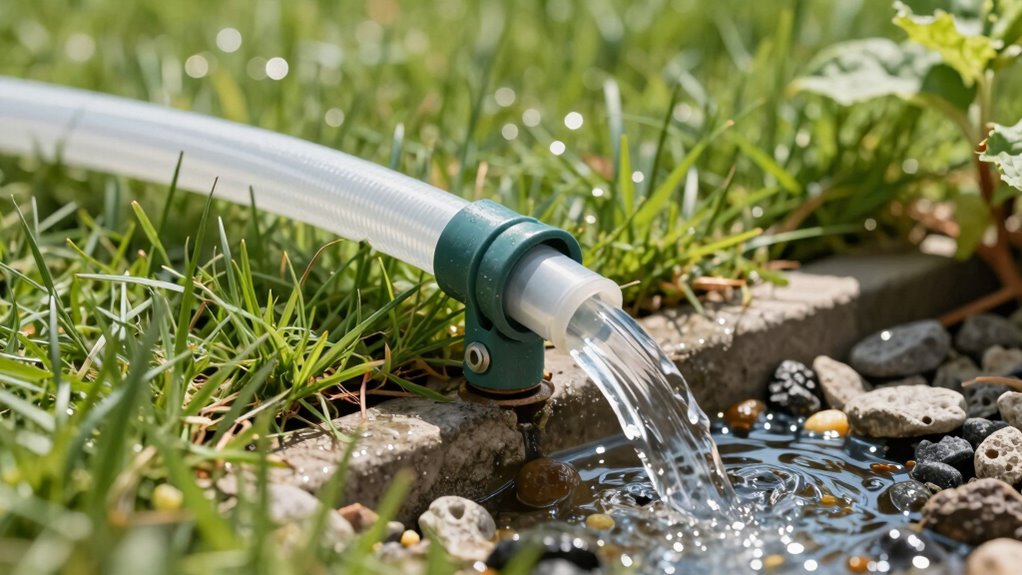
Setting up a drain hose correctly offers numerous advantages that can make your appliance’s operation more efficient and hassle-free. When you install a drain hose properly, you reduce the risk of leaks, water damage, and unpleasant odors, ensuring everything runs smoothly. This is especially important when managing outdoor plumbing or garden irrigation systems, where improper drainage can lead to larger issues like soil erosion, standing water, or mosquito breeding grounds. A well-positioned drain hose helps direct water away from your home or garden, maintaining the integrity of your outdoor space and preventing potential damage caused by excess moisture.
In garden irrigation setups, a properly installed drain hose ensures excess water is safely diverted. Without it, overwatering can lead to waterlogging, root rot, and the death of your plants. When you set up your drain hose correctly, you’re effectively controlling water flow, making sure your garden receives just the right amount of moisture. This saves you time and effort, as you won’t need to constantly monitor and adjust your watering schedule. Plus, a good drainage system can reduce water waste and help conserve resources, making your irrigation more eco-friendly and cost-effective. Ensuring proper drainage also helps prevent the buildup of stagnant water, which can be a breeding ground for pests and bacteria. Additionally, understanding outdoor plumbing principles can help you avoid common issues like freezing pipes during colder months, as proper drainage can prevent water from freezing inside the pipes. Proper drainage systems are essential for maintaining a healthy outdoor environment and promoting sustainable water use.
For outdoor plumbing, a correctly installed drain hose prevents common problems like clogs and backups. It provides a clear path for wastewater to exit, preventing it from pooling around your pipes or seeping into unwanted areas. This not only prolongs the life of your plumbing but also reduces the chances of mold growth and structural damage. When you’re setting up your outdoor plumbing, pay attention to the slope and positioning of the drain hose. A slight incline toward the drainage point ensures gravity does its job, keeping water flowing freely without stagnation. Proper placement also minimizes the risk of freezing in colder months, as water can drain out before it solidifies.
As an affiliate, we earn on qualifying purchases.
Frequently Asked Questions
How Do I Prevent Odors From Escaping the Drain Hose?
You can prevent odors from escaping your drain hose by ensuring proper venting solutions and practicing odor control techniques. Installing a vent or air admittance valve allows air to flow correctly, reducing smells. Also, regularly cleaning the hose and adding a small amount of odor-neutralizing solution or baking soda can help keep odors at bay. These steps make sure your drain setup remains fresh and odor-free.
What Materials Are Best for a Durable Drain Hose?
You should choose a drain hose made from durable, flexible materials like reinforced PVC or silicone, which resist cracking and tearing. Make sure it’s compatible with your system’s temperature and chemical exposure by checking material compatibility. Secure it with sturdy hose clamps to prevent leaks and odors. These clamps keep the hose tightly in place, maintaining a reliable, long-lasting setup that handles regular use and harsh conditions effectively.
Can I Extend My Drain Hose Without Issues?
Yes, you can extend your drain hose, but make certain a proper hose extension to maintain drain compatibility. Use a compatible hose connector or coupling designed for your specific appliance to prevent leaks or clogs. Make sure the extension is secure, and avoid kinks or sharp bends that could obstruct flow. Always check your appliance’s manual for any restrictions or recommendations before extending, ensuring a smooth, trouble-free drainage system.
How Often Should I Inspect My Drain Hose for Leaks?
You should inspect your drain hose for leaks at least once a month. Regular inspection helps catch issues early, preventing water damage or mold. Look for signs of wear, cracks, or leaks and consider hose replacement if you notice problems. Maintaining a consistent inspection frequency guarantees your drain system stays in good condition, saving you time and money in the long run. Don’t neglect these simple checks to keep everything running smoothly.
What Is the Ideal Slope for a Drain Hose Installation?
Think of your drain hose as a gentle mountain stream—gravity guides the flow. For ideal drain hose positioning, maintain a slope of about 1/4 inch per foot, which is your perfect slope for smooth drainage. Use a level or slope calculation to guarantee this angle. Proper slope prevents backups, leaks, and odors, making your setup more efficient and trouble-free, just like a well-flowing mountain stream.
As an affiliate, we earn on qualifying purchases.
Conclusion
Setting up your drain hose isn’t just a task—it’s the anchor that keeps your laundry day sailing smoothly through stormy waters. With a proper setup, you’ll enjoy peace of mind, knowing your laundry basin flows freely like a gentle river, carrying away worries and messes alike. Embrace this simple step, and watch your routine transform into a well-oiled machine, turning chaos into calm and making every wash cycle a breeze. Your laundry’s new best friend is just a hose away.
drain hose with slope adjustment
As an affiliate, we earn on qualifying purchases.
As an affiliate, we earn on qualifying purchases.
As an affiliate, we earn on qualifying purchases.
Columbus Day / Indigenous Peoples' Day Picks
long weekend sales
As an affiliate, we earn on qualifying purchases.