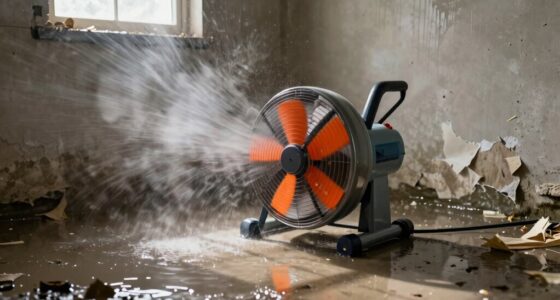
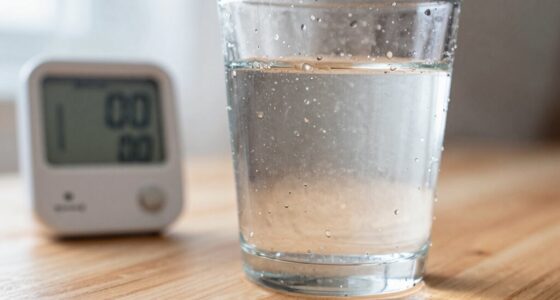
High humidity can pose serious health risks and damage to your property that you can’t ignore. Watch for physical symptoms like skin irritation, respiratory issues, and restlessness in kids. Look for signs of mold growth such as dark spots and musty odors. High humidity can also degrade indoor air quality and lead to costly repairs. Knowing how to manage humidity is key to preventing these problems, and there’s more you can do to protect your home and health.

Get health and wellness essentials delivered free — and shop member deals
- Fast, free delivery on millions of items
- Access to Prime Big Deal Days deals on October 6–7
- Prime Video, Amazon Music and more included
Key Takeaways
- Look for dark spots and discoloration on walls, which may indicate mold and mildew growth due to high humidity levels.
- A musty odor in your home is a strong sign of moisture buildup that could lead to mold issues.
- Skin irritation and respiratory problems can arise from high humidity, especially for those with allergies or asthma.
- Regular maintenance of HVAC systems is crucial to prevent increased humidity and improve indoor air quality.
- Monitor humidity levels with hygrometers; levels above 60% can lead to discomfort and health issues.
Common Physical Symptoms of High Humidity

When the humidity levels rise, you might notice your body reacting in uncomfortable ways. High humidity can lead to skin irritation, making you feel itchy and uncomfortable. Sweat doesn’t evaporate as easily, which can exacerbate these issues, leaving your skin feeling clammy and more prone to rashes. Additionally, you may experience respiratory issues; the thick, heavy air can make it harder to breathe, especially for those with asthma or allergies. You might find yourself coughing or wheezing more often. Proper ventilation can also play a role in creating a more comfortable living environment. Interestingly, high humidity levels can also lead to increased silly tantrums in children, as they may become restless and irritable in uncomfortable conditions. Furthermore, high humidity can impact color accuracy in visual displays, potentially affecting your entertainment experience if you’re watching movies or playing games indoors. Maintaining proper humidity levels can significantly contribute to your overall financial wellness by reducing health-related expenses. Staying hydrated and seeking cooler environments can help alleviate these symptoms. Don’t ignore these signs, as addressing them early can make a significant difference in your comfort and overall health during muggy conditions.
Signs of Mold and Mildew Growth

As humidity levels climb, you may start to notice the telltale signs of mold and mildew growth in your home. Look for dark spots on walls, ceilings, or damp areas, especially in bathrooms and basements. A musty odor often accompanies these visual clues, indicating moisture issues. If you see any discoloration or experience respiratory problems, it’s time to act. Prioritizing mold prevention is key; guarantee proper ventilation and dehumidifiers in high-risk areas. Regularly checking for leaks and fixing any water issues promptly is crucial for maintaining a reliable environment. For existing problems, quick mildew removal is essential to avoid further spread. Additionally, ethical hacking can be employed to identify vulnerabilities in your home’s air quality systems, ensuring a healthier living space. Remember that maintaining fine rugs in high humidity can also prevent mold growth, as they can absorb moisture and contribute to indoor humidity levels. Don’t ignore these signs—taking action now can save you from more significant health and property issues later. Additionally, using high-quality air purifiers can help reduce the presence of allergens and pollutants associated with mold growth. Implementing robotic vacuum cleaners can also assist in keeping your home free from dust and allergens, further enhancing air quality and reducing mold risk.
Effects on Home and Property

Ignoring mold and mildew can lead to serious consequences for your home and property. High humidity creates an ideal environment for these pests, causing damage that can be costly to repair. Without proper ventilation improvement, moisture accumulates, leading to structural issues. You might also notice unsightly stains on walls and ceilings. Moreover, smart home technology can assist in monitoring humidity levels and alerting you to potential issues before they escalate. Implementing effective auditory feedback therapy strategies can help identify areas in your home that may need more attention. Additionally, maintaining optimal indoor conditions can help prevent the growth of mold and mildew.
Consider the following effects:
- Increased repair costs: Mold can weaken your home’s structure.
- Decreased property value: Homes with mold issues may sell for less.
- Health risks: Mold exposure can lead to respiratory problems.
Investing in a dehumidifier can mitigate these risks by reducing moisture levels and protecting your home. Prioritize ventilation improvement to keep your space healthy and safe. Additionally, maintaining optimal energy management practices can help control humidity levels effectively. Furthermore, adopting connected cooking technology can enhance your kitchen’s efficiency, allowing for better management of indoor climate conditions.
Impact on Indoor Air Quality

High humidity not only damages your home but also substantially impacts indoor air quality. When humidity levels rise, it can lead to mold growth, dust mites, and other allergens, affecting your health. Regular HVAC maintenance is essential to guarantee your system effectively manages humidity, similar to how Gold IRAs can provide a safeguard for your financial future. A well-maintained HVAC system improves air circulation and reduces the likelihood of mold, while understanding heat distribution can further enhance your system’s efficiency. Additionally, using an air purifier can markedly enhance air quality by filtering out pollutants and allergens, but its efficiency may decline in high humidity conditions. Necessary cookies are also critical for ensuring that websites function properly, which can indirectly affect your overall air quality. Understanding how to improve indoor air can help mitigate these issues. Furthermore, nanotechnology advancements are being explored to create more efficient air purification systems that could enhance indoor air quality even further.
| Effect on Air Quality | Solution |
|---|---|
| Mold Growth | Regular HVAC maintenance |
| Dust Mites | Use an air purifier |
| Allergens in the air | Improve ventilation |
| Stale Air | Dehumidifiers |
| Respiratory Issues | Monitor humidity levels |
Tips for Managing Humidity Levels

When humidity levels rise, managing them becomes essential for your comfort and health. Here are some effective tips to keep your indoor environment pleasant:
- Regular dehumidifier maintenance: Clean the filter and empty the tank to guarantee ideal performance. Additionally, ensure that your dehumidifier is rated for the square footage of the area you wish to control, as this impacts its efficiency.
- Ventilation improvements: Open windows and use exhaust fans in kitchens and bathrooms to reduce moisture buildup.
- Monitor humidity levels: Invest in a hygrometer to track humidity and adjust as needed. Additionally, ensure proper airflow around the unit to enhance purifier performance.
Frequently Asked Questions
Can High Humidity Affect My Pets’ Health?
Yes, high humidity can definitely affect your pets’ health. It can lead to respiratory issues, making it hard for them to breathe comfortably. Additionally, the damp environment can trigger humidity-related allergies, causing sneezing, itching, or skin irritation. You might notice your pet feeling lethargic or less active in humid conditions. Keeping your home well-ventilated and ensuring your pets stay hydrated can help mitigate these health risks.
How Does Humidity Impact Sleep Quality?
Humidity can seriously mess with your sleep quality. When the air’s heavy with moisture retention, it makes your room feel stuffy, and you might toss and turn all night. Poor air circulation means your body struggles to cool down, disrupting your rest. You’ll wake up feeling groggy instead of refreshed. So, if you’ve ever felt like a grumpy cat in the morning, blame the humidity for throwing your sleep off balance!
Is There a Humidity Level That Is Considered Ideal?
The ideal humidity level for indoor air typically ranges between 30% and 50%. Keeping it within this range helps maintain comfort and supports overall health. When humidity levels fall below 30% or rise above 50%, you might notice dry skin or increased allergens. To achieve perfect levels, use a dehumidifier or humidifier as needed, and monitor your indoor air regularly. This way, you’ll create a more pleasant living environment for yourself.
Can I Use a Dehumidifier in Winter?
Yes, you can use a dehumidifier in winter, like a sponge soaking up excess moisture. During the colder months, indoor humidity can still rise, leading to problems like indoor mold and furniture damage. Keeping the air dry helps maintain a comfortable environment and protects your belongings. Just make sure the dehumidifier is set to the right level to avoid over-drying, which can also cause issues like cracking wood and static electricity.
What Are the Long-Term Effects of High Humidity Exposure?
Long-term exposure to high humidity can lead to serious issues. You might notice mold growth on walls and furniture, which can trigger allergies and respiratory problems. Additionally, high moisture levels can cause structural damage to your home, including warped wood and weakened foundations. It’s essential to manage humidity levels to protect your health and property. Regularly check for signs of excess moisture and take action before problems escalate.
Conclusion
High humidity can sneak up on you, but ignoring its signs can lead to serious issues. Did you know that mold can grow in as little as 24 to 48 hours under the right conditions? That’s just how quickly it can take over your space! By staying alert to physical symptoms and maintaining your indoor environment, you can protect your health and home. Don’t let humidity take a toll—act now to keep your living space comfortable and safe!
Fall Picks
fall essentials
As an affiliate, we earn on qualifying purchases.