Even if moisture tests show your home is fine, it can still feel damp because poor airflow traps humidity in certain areas. This stagnant air creates pockets of moisture your sensors might not detect, leading to a musty or damp feeling. Proper ventilation helps disperse this trapped humidity, making the space feel fresher. If you want to understand how airflow can change your home’s comfort, keep exploring the reasons behind these sensations.
Key Takeaways
- Poor air circulation can cause localized humidity and damp feelings despite normal moisture measurements.
- Stagnant air traps moisture pockets, making spaces feel damp even when moisture levels are low.
- Limited ventilation in areas like basements or bathrooms increases damp sensations without raising moisture test results.
- Enhancing airflow through windows or fans disperses moisture and reduces the perception of dampness.
- Perceived dampness is influenced by airflow and surface evaporation, not just moisture content.
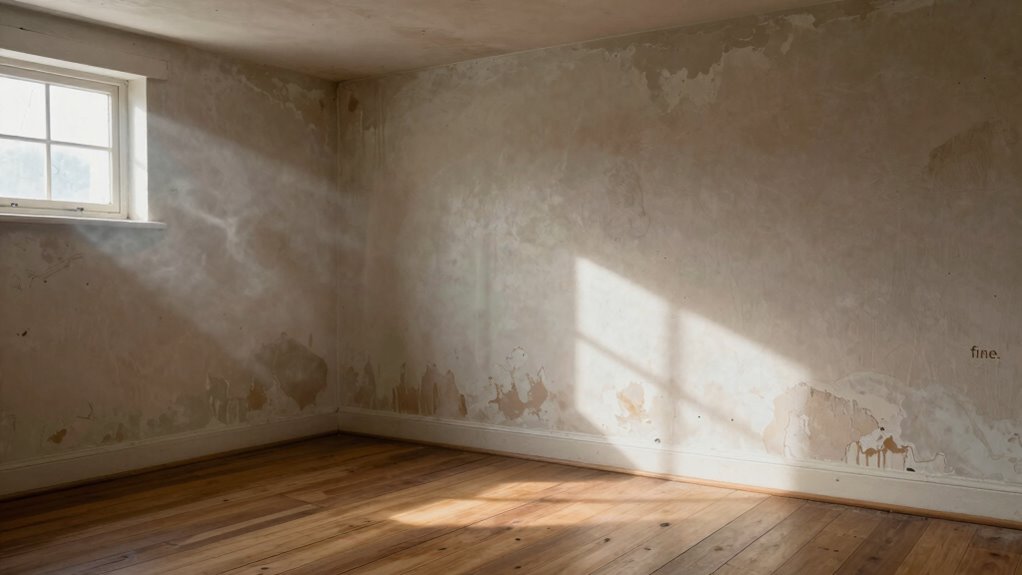
You might walk into a home that feels damp and musty, yet humidity tests and moisture meters show no signs of excess water. It’s confusing, isn’t it? How can a space seem damp when the measurements say otherwise? The answer often lies in how air moves through your home and how moisture levels fluctuate, even when they don’t hit the “wet” mark on your gadgets. It’s not just about the presence of water; it’s about how air circulation influences humidity and the perception of moisture. Poor airflow can trap humid air, creating a musty smell and an uncomfortable atmosphere, despite the moisture readings. Conversely, good air circulation helps disperse dampness, keeping the air fresh and reducing that lingering damp feeling.
Poor airflow can make a home feel damp and musty even with low moisture levels.
The connection between air circulation and moisture levels is subtle but powerful. When air moves freely, it helps evaporate excess moisture from surfaces and fabrics, preventing the build-up of dampness that you can sense. If your home’s ventilation is limited or blocked—maybe by closed windows, thick curtains, or clutter—humid air gets trapped inside. This stagnation makes the space feel damp even if moisture meters don’t register high levels. In such cases, the moisture isn’t necessarily high; it’s just poorly circulated. The humidity remains localized, giving you that damp, musty feeling. Proper ventilation strategies can significantly enhance airflow and reduce these issues. Additionally, understanding how airflow patterns influence moisture distribution can help you better identify problem areas.
You might also notice that certain areas of your house feel more damp than others, despite similar moisture readings elsewhere. This uneven perception often results from uneven air circulation. Bathrooms, basements, and closets tend to trap air because they’re enclosed or poorly ventilated. Without proper airflow, moisture doesn’t escape, and the air becomes thick with humidity that your senses pick up on. Even with low moisture levels measured, these pockets of stagnant air can make you feel uncomfortable and damp. Recognizing these problem zones and addressing airflow can make a noticeable difference in overall comfort.
To fix this, you need to improve air circulation. Simple steps like opening windows regularly, using fans, or installing vents can make a big difference. When air moves better, moisture disperses more evenly, and the indoor environment feels fresher. You won’t just rely on moisture meters to gauge humidity—you’ll notice an immediate improvement in how the space feels. Remember, moisture levels are important, but how air circulates through your home is equally crucial in preventing that damp, musty feeling. Good airflow keeps humidity in check and ensures your home feels comfortable, not damp and oppressive. Additionally, understanding the role of indoor air quality can help you identify other factors contributing to feelings of dampness and take comprehensive steps to improve your home’s environment.

Comfort Zone Twin Window Fan with Reversible Airflow Control, 9 inch, Auto-Locking Expanders, 2 Speed Fan, Dual Fan, Exhaust, Airflow 9.84 ft/sec, Ideal for Home, Kitchen, Bedroom & Office, CZ319WT
DUAL SPEED SELECTION: Enjoy the flexibility of choosing between two air output options on this twin speed window…
As an affiliate, we earn on qualifying purchases.
As an affiliate, we earn on qualifying purchases.
Frequently Asked Questions
Can Indoor Plants Contribute to Perceived Dampness?
Indoor plants can contribute to perceived dampness, especially if you place them in areas with limited airflow or high humidity. Their presence increases local perceived humidity, making the space feel moist even if measurements show normal levels. Proper plant placement is key; avoid overcrowding and guarantee good ventilation. By managing these factors, you can enjoy your plants without creating the sensation of dampness, keeping your home comfortable and fresh.
Do Certain Building Materials Retain More Moisture?
Imagine you’re in a medieval castle—some materials, like brick and stone, naturally retain more moisture due to their properties. Certain building materials have high moisture retention, especially porous ones like wood or concrete, which absorb and hold water. These materials’ properties cause them to retain more moisture, making your home feel damp even if moisture levels seem fine on measurements. You should consider ventilation and material choices to manage this issue.
How Does Ventilation Affect Humidity Levels?
Ventilation plays a vital role in humidity control by increasing air exchange, which helps remove excess moisture from your home. When you improve airflow, you prevent moisture buildup, reducing dampness and mold risks. Proper ventilation guarantees humid air exits and fresh, dry air enters, maintaining comfortable humidity levels. By actively managing air exchange, you keep your home’s humidity in check, making it feel less damp and more comfortable overall.
Can Household Activities Increase Indoor Dampness?
Yes, household activities can increase indoor dampness, leading to humidity fluctuations that promote mold growth. Activities like cooking, laundry, and showering release moisture into the air, raising humidity levels. If your home lacks proper ventilation, this excess moisture accumulates, creating a damp environment that’s hard to detect with measurements alone. Regularly airing out your home and controlling moisture sources helps prevent mold growth and maintains a healthier indoor atmosphere.
Are There Health Risks From Perceived Dampness?
Indeed, perceived dampness can pose health risks, especially if mold develops. Using humidity sensors helps you monitor moisture levels, preventing mold and related respiratory issues. Ignoring dampness might lead to allergies, asthma, or other health problems over time. Think of it as a sort of digital Ebenezer—early detection saves you from costly repairs and health troubles. Prioritize ventilation and mold prevention to keep your home safe and comfortable.

Amazon Basics Air Circulator Desk Fan for Bedroom, Home and Office, 90-Degree Tilt Head, 3 Speed Settings, Cooling, 35 Watts, Black, 11.1"W x 6.3"D x 10.9"H
COMPACT DESIGN: Measuring just 6.3 x 11.1 x 10.9 inches (LxWxH) with three 7-inch blades, this fan occupies…
As an affiliate, we earn on qualifying purchases.
As an affiliate, we earn on qualifying purchases.
Conclusion
So, next time your home feels damp despite those “fine” readings, remember it might just be a ghost of moisture past lingering like a Dickensian fog. Don’t dismiss your senses—trust them, just like Sherlock trusted his intuition. Sometimes, what the meters miss is what truly matters. Stay vigilant, and you’ll keep your castle dry, cozy, and free of any unwelcome specters lurking in the shadows of your walls.

2500 Sq.Ft Dehumidifier for Basement with Drain Hose Max 34 Pints, VEAGASO Dehumidifiers for Home, Large Room, Bathroom, Bedroom, Three Modes, Intelligent Humidity Control, Dry Clothes, 24HR Timer
Three Smart Modes Dehumidifiers – Our dehumidifier for basements come with 3 smart modes that make choosing between…
As an affiliate, we earn on qualifying purchases.
As an affiliate, we earn on qualifying purchases.

Comfort Zone 9-Inch 3-Speed Reversible Twin Window Fan – Dual Blade Window Exhaust Fan with Auto-Locking Expanders, 22.25" to 33" Wide – Tabletop Feet & Removable Bug Screen included
VERSATILE 3-SPEED CONTROL: Choose between Low, Medium, or High airflow settings to suit your comfort. This fan also…
As an affiliate, we earn on qualifying purchases.
As an affiliate, we earn on qualifying purchases.