
Leak detection should be part of your indoor air planning because hidden leaks quietly harm air quality by promoting mold and moisture buildup. These issues not only damage your building but also cause discomfort through poor ventilation and increased humidity. Identifying leaks early helps you seal vulnerabilities, maintain proper airflow, and boost HVAC efficiency. To protect your indoor environment and avoid costly damage, understanding how leak detection fits into your air quality strategy is essential—there’s more to explore.

Get health and wellness essentials delivered free with Prime
- Fast, free delivery on millions of items
- Prime Video, Amazon Music and more included
- Member-only deals all year
Key Takeaways
- Leak detection prevents moisture buildup that promotes mold and mildew, safeguarding indoor air quality.
- Identifying hidden leaks maintains proper ventilation and airflow, reducing stale air and pollutants.
- Early leak detection protects building materials and structural integrity, minimizing long-term health risks.
- Integrating leak detection enhances moisture control, improving HVAC efficiency and energy savings.
- Combining leak detection with air quality planning ensures comprehensive strategies for healthier indoor environments.
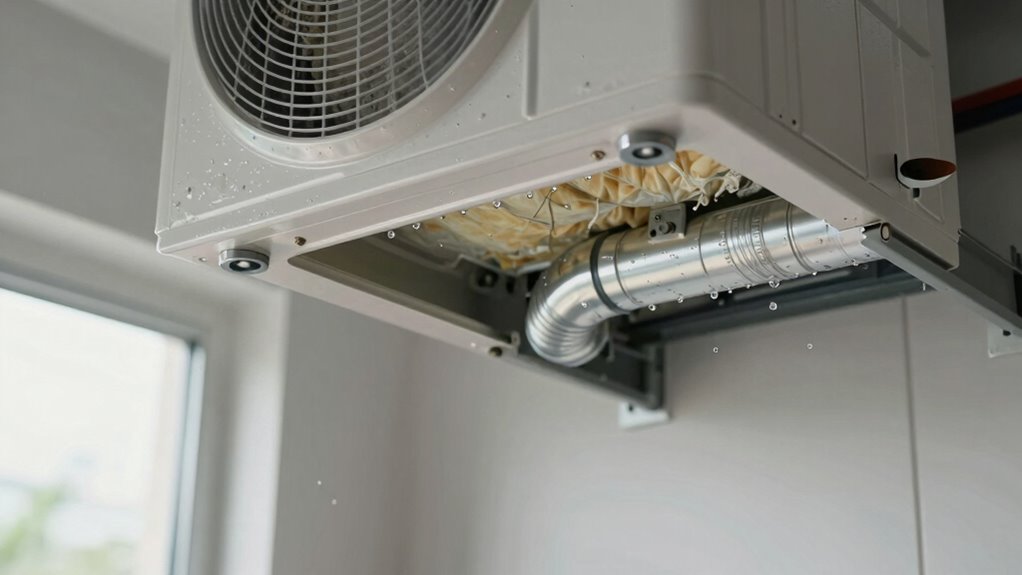
Have you ever wondered how indoor air quality can be compromised by hidden leaks? These unseen issues can quietly degrade the air you breathe, leading to health problems, discomfort, and increased energy costs. That’s why leak detection should be an integral part of your indoor air planning. When you incorporate leak detection early, you can identify and resolve leaks that disrupt ventilation optimization and moisture control, both of which are essential for maintaining a healthy indoor environment. Identifying hidden leaks early is crucial because they can be difficult to detect without proper inspection methods.
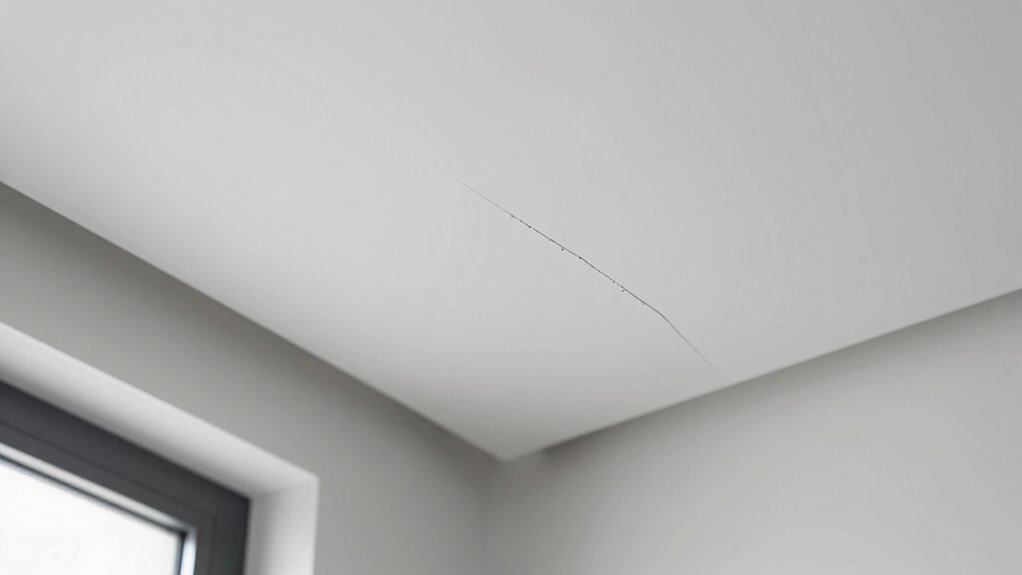
Leaks often escape notice because they’re hidden behind walls, under floors, or within ceilings. Over time, these leaks cause moisture to accumulate where it shouldn’t, creating a breeding ground for mold and mildew. This moisture not only damages building materials but also severely impacts indoor air quality. When moisture levels rise unexpectedly, it becomes harder to control humidity, which can lead to discomfort and respiratory issues for occupants. By detecting leaks early, you prevent excess moisture from lingering, ensuring that your ventilation systems work effectively and that indoor air remains fresh and safe. Utilizing advanced detection techniques can greatly improve the accuracy of early leak identification, especially when combined with regular inspections.
Hidden leaks cause moisture buildup, mold growth, and indoor air quality issues over time.
Ventilation optimization hinges on controlling airflow and ensuring that fresh air circulates properly throughout your space. Hidden leaks can throw this balance off by allowing unfiltered or contaminated air to enter or escape in unintended ways. When leaks go unnoticed, you might find yourself battling stale air, odors, or pollutants that compromise indoor air quality. Regular leak detection helps you pinpoint these vulnerabilities, allowing you to seal leaks and maintain consistent airflow. This process ensures your ventilation system operates at peak efficiency, reducing energy waste and improving air quality. Incorporating airflow analysis can further enhance leak detection efforts and overall indoor air management, leading to healthier indoor environments. Additionally, advancements in detection tools are making it easier to locate even the most elusive leaks, further supporting a comprehensive indoor air quality strategy.
Moisture control is also directly impacted by hidden leaks. Excess moisture from leaks can raise humidity levels, creating an environment conducive to mold growth and dust mites. These factors not only threaten your building’s structural integrity but also pose health risks to everyone inside. When you identify leaks early, you can take targeted action to fix them, restoring proper moisture levels and protecting your indoor environment. Proper moisture management, combined with effective ventilation, creates a healthier space where allergens, mold spores, and other airborne contaminants are kept at bay. Moreover, integrating moisture sensors can further aid in early leak detection and moisture control, providing real-time data to prevent long-term damage.
leak detection tools for indoor plumbing
As an affiliate, we earn on qualifying purchases.
As an affiliate, we earn on qualifying purchases.
Frequently Asked Questions
How Often Should Leak Detection Systems Be Inspected Indoors?
You should inspect your leak detection systems at least quarterly to guarantee they’re functioning properly. During these inspections, check humidity monitoring devices and moisture sensors for accuracy, as they play a crucial role in early leak detection. Regular maintenance helps prevent hidden water damage, mold growth, and indoor air quality issues. Staying proactive with these inspections keeps your indoor environment safe, healthy, and free from costly repairs.
What Are the Signs of Hidden Leaks Inside Walls?
You might notice hidden moisture or wall damage, which are signs of concealed leaks inside walls. Look for discoloration, peeling paint, or bubbling paint, as these indicate water intrusion. You could also detect a musty smell or see mold growth, both signs of persistent moisture. If you observe any of these, it’s essential to get a professional leak detection service to prevent further damage and improve indoor air quality.
Can Leak Detection Improve Overall Indoor Air Quality?
Sure, leak detection can actually boost your indoor air quality—who knew? By catching hidden leaks early, you reduce indoor moisture that fuels mold and mildew, making the air safer and fresher. Plus, fixing leaks improves air circulation, preventing stale, damp air from lingering. So, don’t ignore that little drip—your lungs will thank you for it, and your home’s air will thank you even more!
What Tools Are Most Effective for Indoor Leak Detection?
You should consider using innovative sensors and smart diagnostics for indoor leak detection. These tools are highly effective because they can quickly identify leaks through real-time data analysis and precise sensing technology. By integrating these advanced tools into your indoor air planning, you improve accuracy and response times, preventing air quality issues caused by hidden leaks. This approach guarantees a healthier, more efficient indoor environment, protecting both your space and its occupants.
Are There Specific Regulations for Indoor Leak Detection?
Think of indoor leak detection regulations as a lighthouse guiding your way through a foggy sea. You must follow specific rules for regulation compliance and meet certification standards to guarantee safety and efficiency. While no single law governs all, authorities like OSHA and local agencies set standards for detecting leaks. Staying current with these regulations helps protect indoor air quality, ensuring your building remains safe, healthy, and compliant.
moisture meter for home inspection
As an affiliate, we earn on qualifying purchases.
As an affiliate, we earn on qualifying purchases.
Conclusion
So, don’t delay—detect, defend, and distinguish your indoor air. Leak detection isn’t just a minor measure; it’s an essential part of vigilant ventilation and valuable for vibrant, healthy environments. With a diligent eye and a dedicated approach, you’ll prevent problems before they start, promote pure, pristine air, and protect your space’s sanctity. Remember, proactive planning punishes problems before they proliferate, ensuring air remains safe, sound, and superbly breathable.
As an affiliate, we earn on qualifying purchases.
air quality monitor with leak detection
As an affiliate, we earn on qualifying purchases.
As an affiliate, we earn on qualifying purchases.
Columbus Day / Indigenous Peoples' Day Picks
long weekend sales
As an affiliate, we earn on qualifying purchases.