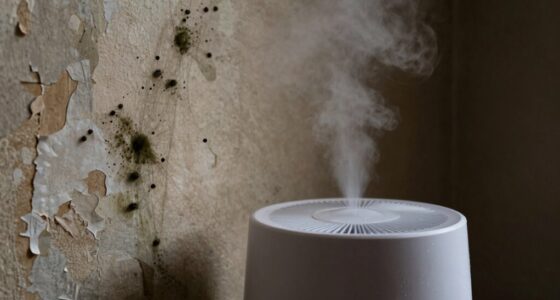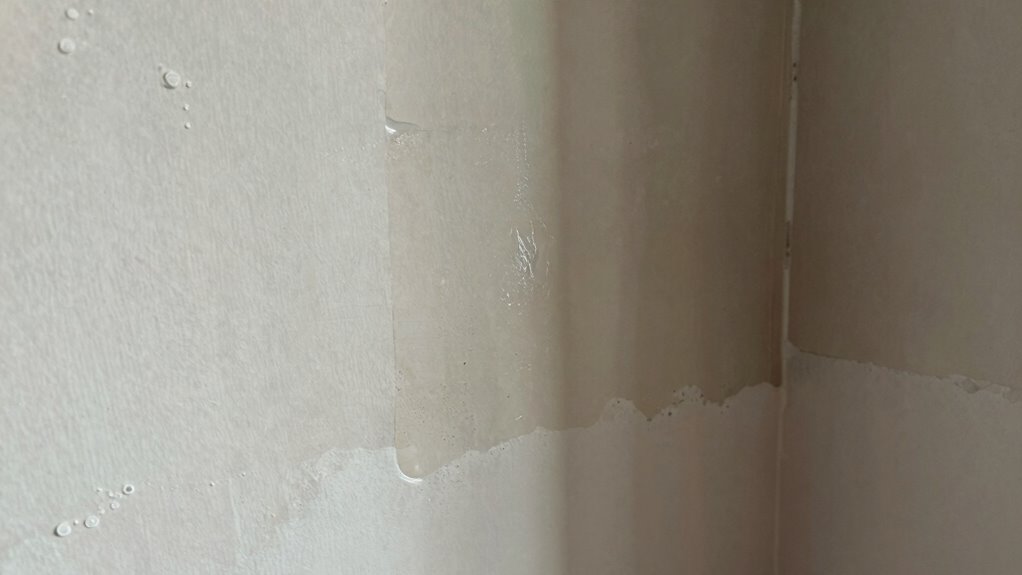

To spot a moisture problem early, look for signs like a damp feeling, persistent musty smell, water stains, or condensation on windows and walls. Use a hygrometer to monitor humidity levels—ideally between 30% and 50%. Check for leaks near sinks, toilets, or pipes, and inspect your exterior for water intrusion after storms. Taking these steps can help you catch issues before mold starts forming. Keep exploring to find out more.

Get health and wellness essentials delivered free with Prime
- Fast, free delivery on millions of items
- Prime Video, Amazon Music and more included
- Member-only deals all year
Key Takeaways
- Monitor indoor humidity levels regularly with a hygrometer, aiming for 30-50%.
- Look for persistent musty odors or dampness in walls, ceilings, or floors.
- Check for water stains, condensation, or discoloration on surfaces.
- Inspect plumbing fixtures and pipes for leaks or moisture accumulation.
- Examine the exterior for water intrusion signs, such as damaged gutters or foundation cracks.
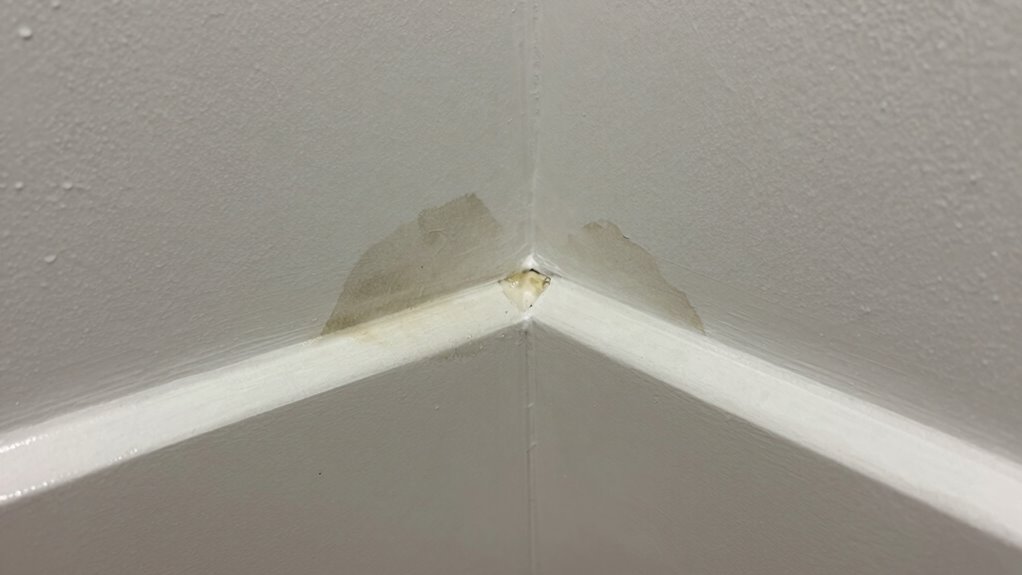
Moisture problems often develop quietly, making it essential to recognize the signs before mold has a chance to take hold. If you notice your home feels damper than usual or there’s a persistent musty smell, it’s a clear sign that moisture is lingering somewhere. One of the first things you should check is your HVAC system. Poor HVAC efficiency can lead to inadequate dehumidification, causing excess moisture to build up indoors. When your system isn’t working properly, humidity levels can rise, creating an environment ripe for mold growth. Regularly changing filters and scheduling maintenance can help your HVAC run efficiently and reduce excess moisture.
Address HVAC issues promptly to prevent excess indoor moisture and mold growth.
Another common source of hidden moisture is plumbing leaks. Even minor leaks can produce enough moisture over time to cause problems without immediately obvious water damage. Keep an eye out for water stains on ceilings, walls, or floors, especially near sinks, toilets, or appliances. Don’t forget to check under sinks and around pipes—sometimes leaks are slow and develop behind walls or beneath flooring, making them less noticeable at first. If you notice any dripping sounds or increased water bills, it’s a good idea to investigate further. Fixing plumbing leaks promptly prevents excess moisture from seeping into walls and floors, which could foster mold growth down the line. Recognizing hidden water sources early can make a significant difference in preventing long-term damage.
You should also pay attention to condensation on windows, walls, or pipes. Excessive condensation indicates that indoor humidity levels are too high. Using a hygrometer can help you measure moisture levels accurately—ideally, indoor humidity should stay between 30% and 50%. If readings are consistently high, consider using dehumidifiers or improving ventilation. Proper airflow helps keep moisture from settling in corners and hidden crevices, where mold spores can settle and grow. Additionally, understanding indoor humidity and how it influences moisture is key to preventing mold development. Keeping humidity levels within recommended ranges can also help prevent condensation buildup, which often signals underlying moisture issues. Maintaining proper ventilation systems is essential for managing moisture levels and avoiding mold growth.
In addition, look for signs of water intrusion after heavy rains or storms. Check your roof, gutters, and foundation for cracks or damage that could allow water to seep in. Water intrusion contributes to persistent dampness, which, if left unchecked, promotes mold development. Remember, moisture problems often aren’t obvious at first glance, but paying close attention to subtle signs like increased humidity, condensation, and plumbing issues can save you from costly mold remediation later. By staying vigilant and addressing these issues early, you keep your home safer, healthier, and free from mold’s unwelcome presence.
digital hygrometer for indoor humidity
As an affiliate, we earn on qualifying purchases.
As an affiliate, we earn on qualifying purchases.
Frequently Asked Questions
Can Moisture Problems Occur Without Visible Water Damage?
Yes, moisture problems can occur without visible water damage. You might notice high indoor humidity levels or poor indoor ventilation that trap moisture in walls or ceilings. These conditions can create a hidden environment for mold growth even if you don’t see leaks or water stains. To prevent this, control humidity levels and improve ventilation, which helps keep moisture from settling in and causing unseen damage.
What Are Subtle Signs of Hidden Mold Growth?
You might notice subtle signs of hidden mold growth like a persistent musty smell, even if you don’t see visible mold. Hidden leaks behind walls or under floors can release airborne spores, which spread through the air and cause health issues or allergic reactions. Keep an eye on areas with ongoing moisture, and if you detect an unusual odor, it’s a clear sign to investigate further for concealed mold sources.
How Often Should I Check for Moisture Issues?
You should check for moisture issues at least monthly. Regularly monitor humidity levels with a hygrometer, aiming for 30-50%. Improve ventilation in areas prone to moisture, like bathrooms and kitchens, to prevent buildup. Keep an eye out for signs like condensation or musty odors, and promptly address any issues. Consistent checks and ventilation improvements help catch problems early, preventing mold from taking hold.
Are Certain Materials More Prone to Moisture Problems?
They say, “A chain is only as strong as its weakest link,” and the same applies to building materials. Some materials, like drywall and wood, are more prone to moisture problems due to lower moisture resistance and durability. You should pay extra attention to these, especially in high-humidity areas. Choosing materials with higher moisture resistance helps prevent unseen issues and keeps your home safer and more durable over time.
Can Plants Increase Indoor Humidity and Cause Moisture?
Yes, plants can increase indoor humidity and cause moisture issues. When you water your plants, excess moisture evaporates into the air, raising indoor humidity levels. This increased humidity can create a damp environment, promoting mold growth and other moisture problems. To prevent this, monitor your plant watering habits and guarantee proper ventilation. Using a dehumidifier or air circulation can also help manage indoor humidity and keep moisture levels in check.
moisture meter for walls and floors
As an affiliate, we earn on qualifying purchases.
As an affiliate, we earn on qualifying purchases.
Conclusion
By staying alert to signs of excess humidity, leaks, and condensation, you catch moisture problems early. By inspecting your home regularly, maintaining proper ventilation, and addressing issues promptly, you prevent mold from taking hold. By being proactive, preventing damage, and protecting your health, you create a safer, cleaner living space. Remember, spotting the signs early isn’t just about avoiding mold—it’s about safeguarding your home and your well-being before problems become unavoidable.
dehumidifier for mold prevention
As an affiliate, we earn on qualifying purchases.
As an affiliate, we earn on qualifying purchases.
As an affiliate, we earn on qualifying purchases.
Fall Picks
fall essentials
As an affiliate, we earn on qualifying purchases.