To use a humidity monitor for better comfort, regularly check the readings at different times of the day and keep the levels between 30% and 50%. If humidity is too low, use a humidifier; if it’s too high, try a dehumidifier or improve ventilation. Place your monitor centrally, away from heat or direct sunlight, and calibrate it periodically for accuracy. Keep adjusting based on your monitor’s data to create a more comfortable, healthy indoor space. Continue exploring for more tips.

Get health and wellness essentials delivered free — and shop member deals
- Fast, free delivery on millions of items
- Access to Prime Big Deal Days deals on October 6–7
- Prime Video, Amazon Music and more included
Key Takeaways
- Regularly check humidity levels at different times to identify patterns and maintain the optimal 30-50% range.
- Use real-time data to adjust humidifiers or dehumidifiers for consistent indoor comfort.
- Calibrate monitors periodically to ensure accurate readings for better decision-making.
- Improve ventilation when humidity exceeds 50% or drops below 30% to stabilize indoor moisture.
- Track fluctuations over time to implement targeted strategies for maintaining ideal indoor air quality.
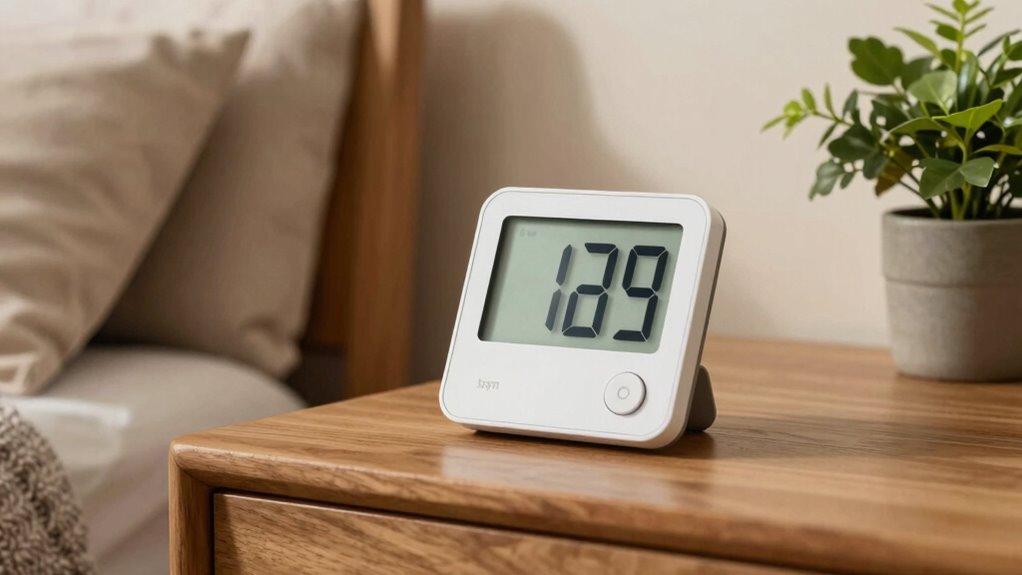
Maintaining a comfortable indoor environment often depends on more than just temperature; humidity levels play an essential role. When you monitor humidity, you’re taking a crucial step toward improving indoor air quality and ensuring that your living space feels just right. Humidity levels influence how comfortable you feel and can significantly impact health, furniture, and even your energy bills. Using a humidity monitor helps you gain a clear picture of your indoor environment, making it easier to make informed decisions about adjusting moisture levels.
Monitoring humidity is key to enhancing air quality, comfort, and protecting your home environment.
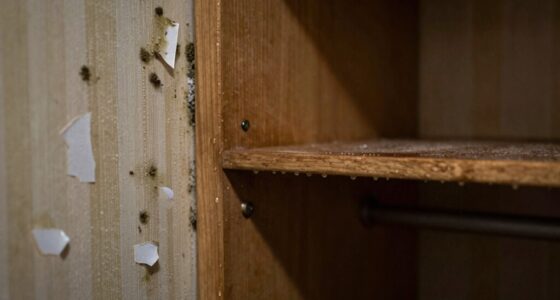
Once you have a humidity monitor, start by checking the readings regularly, ideally at different times of the day. Your goal should be to keep humidity between 30% and 50%, a range that supports good indoor air quality and minimizes issues like mold growth or dust mites. If the levels fall below this range, the air can become overly dry, causing skin irritation, respiratory discomfort, and static electricity. Conversely, if humidity gets too high, it creates a perfect environment for mold, bacteria, and pests, which can harm your health and damage your home. By keeping an eye on these levels, you can take targeted action.
When you notice your humidity is too low, consider using a humidifier to add moisture to the air. Modern humidifiers often come with built-in controls or digital displays, making it easy to maintain consistent humidity levels. If the air is too humid, a dehumidifier can help remove excess moisture, improving indoor air quality and preventing mold development. Ventilation is also vital; opening windows or using exhaust fans can help regulate humidity, especially after cooking or showering, which adds moisture to the air. Additionally, understanding how ventilation solutions impact humidity levels can guide your efforts to keep indoor air balanced. Proper Ventilation can also help reduce indoor pollutants, making your environment healthier overall.
Remember that humidity levels can fluctuate throughout the day based on weather, heating, and cooling systems. Your humidity monitor allows you to respond proactively rather than reactively. For example, during winter, heating can dry out the air, so you might need to run your humidifier more often. In summer, increased outdoor humidity might require a dehumidifier to keep indoor air comfortable. Regularly calibrate your monitor for accuracy and keep it in a central location away from direct sunlight or sources of heat, which could skew readings. Being aware of indoor environmental factors can help you better manage fluctuations.
In short, by using a humidity monitor diligently, you gain the ability to optimize your indoor air quality. Adjusting humidity levels based on real-time data helps you create a healthier, more comfortable living environment. It’s a simple but powerful tool that empowers you to make smarter decisions, ensuring your home feels just right, all year round.
As an affiliate, we earn on qualifying purchases.
Frequently Asked Questions
Can Humidity Monitors Detect Mold Growth?
Humidity monitors can’t directly detect mold growth, but they play a key role in mold prevention by helping you maintain ideal humidity levels. When humidity stays between 30-50%, it reduces the risk of mold spores thriving, which improves your air quality. By regularly checking your monitor, you can adjust your home’s humidity to prevent mold, ensuring a healthier, more comfortable environment.
How Often Should I Calibrate My Humidity Monitor?
You should calibrate your humidity monitor every 3 to 6 months to guarantee sensor accuracy. Regular calibration helps maintain reliable readings, which are essential for making comfort decisions. If you notice inconsistent or unexpected measurements, calibrate more frequently. Proper calibration involves comparing your monitor’s readings against a known accurate hygrometer and adjusting accordingly. Keeping up with calibration frequency guarantees your device provides precise data for ideal humidity control.
Are Digital or Analog Humidity Monitors More Accurate?
Think of digital accuracy as a sharp arrow hitting the bullseye—precise and quick—making digital humidity monitors generally more accurate. However, analog reliability shines with simplicity and fewer electronic failures, offering steady readings over time. Your choice depends on your needs: if you want fast, precise data, go digital. If you prefer consistency and durability, opt for analog. Both have their strengths to help you maintain ideal comfort levels.
Do Humidity Levels Affect Indoor Plants?
Yes, humidity levels considerably affect your indoor plants. If the air is too dry, your plants might struggle with dehydration, impacting their overall health. Conversely, overly humid conditions can promote mold or rot. Using a humidity monitor helps you maintain perfect levels, guiding your watering routines and ensuring your plants stay healthy. By monitoring humidity, you can adjust watering and care practices to promote ideal plant health and longevity indoors.
What’s the Ideal Humidity Range for Allergy Sufferers?
Think of your home as a delicate dance, where humidity control is key. For allergy sufferers, the ideal humidity range is between 40-50%, helping to reduce dust mites and mold. Maintaining this range improves air quality, making breathing easier. Use a humidity monitor to keep tabs, ensuring your environment stays balanced. When humidity is just right, you create a comfortable, healthier space that feels like a gust of fresh air.
room humidifier with digital display
As an affiliate, we earn on qualifying purchases.
As an affiliate, we earn on qualifying purchases.
Conclusion
By keeping an eye on your humidity levels with a monitor, you’re fundamentally your own modern-day alchemist, transforming your space into a comfortable haven. Remember, a balanced humidity prevents stuffiness and dryness, making your home feel just right—no need for a Victorian fog or a futuristic hovercraft. With these simple tools, you’re empowered to make smarter, more comfortable decisions, ensuring your environment stays cozy and inviting, whether you’re in a castle or a spaceship.
As an affiliate, we earn on qualifying purchases.
As an affiliate, we earn on qualifying purchases.
Fall Picks
fall essentials
As an affiliate, we earn on qualifying purchases.