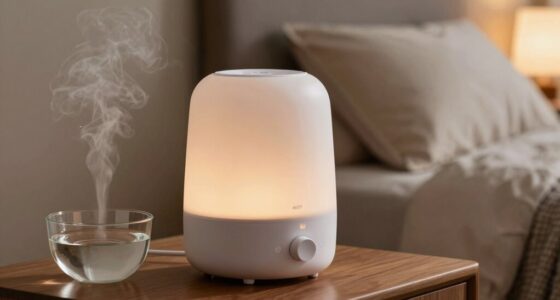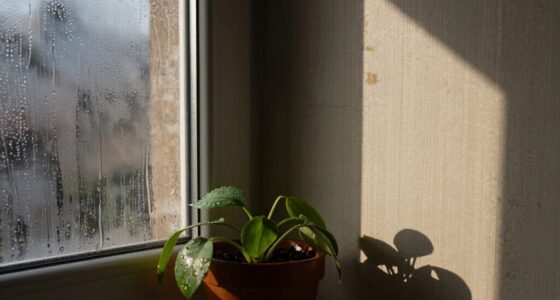
During summer, your basement smells different because increased heat and humidity make it easier for mold and mildew to grow. The moisture buildup affects walls, floors, and furniture, leading to damp, musty odors. Proper ventilation, like opening windows or using exhaust fans and dehumidifiers, can help manage humidity levels. If you want to discover more ways to keep your basement fresh and odor-free this season, keep exploring effective tips and solutions.
Open a free Amazon Business account
Business pricing, bulk buying and tax-exempt orders.
As an affiliate, we earn on qualifying purchases.
Key Takeaways
- Higher summer temperatures increase indoor humidity, promoting mold, mildew, and musty odors in basements.
- Warm weather reduces natural ventilation, trapping stale, humid air that intensifies basement odors.
- Elevated moisture levels during summer encourage mold growth on walls, floors, and furnishings.
- Poor airflow and lack of ventilation in summer cause stale, unpleasant smells to linger.
- Increased outdoor humidity transfers into basements, exacerbating existing moisture and odor issues.

Have you ever noticed that your basement seems to smell different during the summer months? It’s a common experience, and there’s a good reason behind it. When the weather warms up, the air inside your basement changes, and that affects how it smells. Summer heat can cause increased humidity, which leads to a damp, musty odor that becomes more noticeable. This isn’t just a nuisance; it’s often a sign that your basement’s environment needs some adjustments. Improving ventilation is one of the most effective ways to tackle this problem. When you boost airflow, you help replace stale, humid air with fresh outdoor air, reducing the buildup of unpleasant smells. Ventilation improvements can be as simple as opening windows, installing exhaust fans, or adding a dehumidifier that circulates air more effectively. By doing this, you’re actively preventing the moisture from settling into walls, floors, and furniture, which is a common cause of that musty scent. Additionally, proper air quality management can further enhance your efforts to keep your basement smelling fresh. Regularly checking humidity levels with a hygrometer ensures you’re maintaining optimal conditions, preventing excess moisture from creating an environment conducive to mold and mildew growth. Proper ventilation techniques can also help in maintaining a healthier indoor environment during the warmer months. Incorporating moisture control methods can further help reduce the likelihood of persistent odors and protect your basement’s structural integrity. Using dehumidifiers effectively can also significantly improve overall air quality and odor control.

BEDRED Dehumidifier, 95OZ Dehumidifier for Home 1000 sq ft – Quiet with Auto Shut Off & Relaxing 7 Color Ambient Light, Ideal for Livingroom, Bedroom, Basement (Black)
- Cooling Technology: Thermoelectric dehumidification for moisture removal
- Auto Shutoff: Automatically powers down when tank is full
- Ambient Lighting: 7-color soothing LED light for ambiance
As an affiliate, we earn on qualifying purchases.
As an affiliate, we earn on qualifying purchases.
Frequently Asked Questions
Can Outdoor Plants Influence Basement Odors During Summer?
Outdoor plants can influence basement odors during summer through scent diffusion. When outdoor vegetation releases fragrances, these scents can enter your home via open windows, doors, or ventilation systems. This airflow carries the outdoor aromas inside, subtly affecting your basement’s smell. You might notice fresh, earthy, or floral scents during warmer months, which are a direct result of outdoor vegetation’s scent diffusion impacting your basement’s usual odors.
Do Summer Humidity Levels Affect Mold Growth in Basements?
Yes, summer humidity levels considerably affect mold growth in your basement. High humidity creates the perfect environment for mold to thrive, so you should improve basement ventilation to reduce moisture buildup. Proper ventilation helps circulate air and keeps humidity levels in check, which is essential for mold prevention. By maintaining lower humidity and ensuring good airflow, you can minimize mold risk and keep your basement smelling fresh all summer long.
How Do Seasonal Insects Impact Basement Smells?
Seasonal insects can considerably impact basement smells through insect infestation and odor absorption. You might think they’re harmless, but they often carry bacteria or mold, which intensifies musty odors. When insects invade, they bring in organic matter that decomposes, releasing foul smells. Plus, their presence can lead to increased moisture, fostering mold growth. To keep your basement smelling fresh, regularly check for insects and address infestations promptly.
Are Certain Building Materials More Prone to Summer Odors?
Yes, certain building materials are more prone to summer odors. Materials like wood, drywall, and carpets tend to absorb basement material odors more easily, especially in warm, humid conditions. These substances can trap moisture and mold spores, intensifying smells during hot months. To reduce this, guarantee proper ventilation and consider sealing porous surfaces. Being aware of these materials helps you manage and prevent unpleasant summer basement odors effectively.
Does Summer Ventilation Change Odor Intensity in Basements?
Summer ventilation can dramatically change odor intensity in your basement. When you improve indoor air circulation and increase basement ventilation, stale smells often dissipate faster, making the air feel as fresh as a mountain breeze. Conversely, poor ventilation traps humidity and odors, intensifying the smell. So, by opening windows or using fans, you actively help odors escape, keeping your basement smelling clean and fresh all summer long.
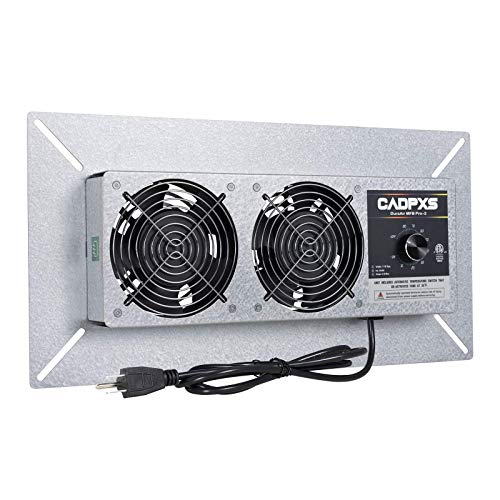
CADPXS Crawlspace Ventilation Fan, Crawlspace Fan Vent with Humidistat
- Airflow Capacity: 220 CFM airflow for ventilation
- Compact Size: 18 x 9 x 2 inches
- Dual Fans: Includes two fans with grounded cord
As an affiliate, we earn on qualifying purchases.
As an affiliate, we earn on qualifying purchases.
Conclusion
As summer’s warmth seeps into your basement, it’s like a hidden garden awakening beneath your feet, releasing scents that dance in the air. The humidity wraps around like a thick, velvety blanket, stirring up old smells and inviting new ones to bloom. To keep your underground space fresh, think of your efforts as tending a secret garden—regular maintenance and ventilation are your tools to guarantee it remains a cool, fragrant sanctuary, not a summer’s secret gone sour.

TempPro TP50 Digital Hygrometer Indoor Thermometer Room Thermometer
- Wellness Indicator: Air condition status with icons
- High Accuracy & Fast Refresh: ±2-3%RH and ±1°F, updates every 10 seconds
- Record High & Low Levels: Displays temperature and humidity extremes
As an affiliate, we earn on qualifying purchases.
As an affiliate, we earn on qualifying purchases.

RMR Brands DIY Mold & Stain Remover Bundle, Complete Mold Killer & Mildew Prevention Kit, Disinfectant Spray, Includes 2-32 fluid ounce Bottles
- Fast-Acting Mold Prevention: Includes RMR-86 and RMR-141 sprays
- Instant Mold and Mildew Removal: Kills mold and mildew instantly
- Prevents Regrowth: Eliminates mold roots to prevent return
As an affiliate, we earn on qualifying purchases.
As an affiliate, we earn on qualifying purchases.
Back to school Picks
back to school
As an affiliate, we earn on qualifying purchases.