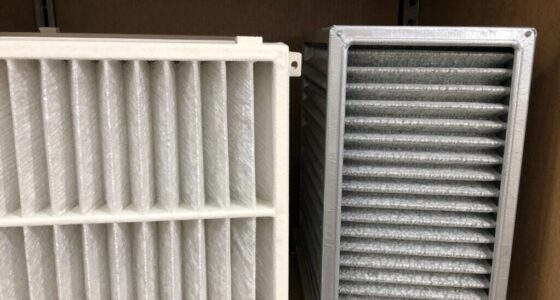
When your evaporator coil gets dirty, it can markedly lower your indoor air quality. Dust, mold, and bacteria buildup on the coil can become airborne, circulating throughout your home when the system runs. This can trigger allergies, cause respiratory issues, and produce unpleasant odors. A dirty coil also reduces system efficiency, making your HVAC work harder. If you want to understand how to keep your indoor air clean and your system running smoothly, keep exploring these important details.

Get health and wellness essentials delivered free with Prime
- Fast, free delivery on millions of items
- Prime Video, Amazon Music and more included
- Member-only deals all year
Key Takeaways
- A dirty evaporator coil releases airborne contaminants like mold spores and bacteria, degrading indoor air quality.
- Accumulated dirt hampers heat transfer, causing the system to run longer and circulate less clean air.
- Contaminants on the coil can become airborne, leading to increased allergies and respiratory issues.
- Mold growth on the coil produces unpleasant odors that affect indoor air freshness.
- Reduced system efficiency from a dirty coil results in uneven humidity and temperature, impacting overall indoor comfort.
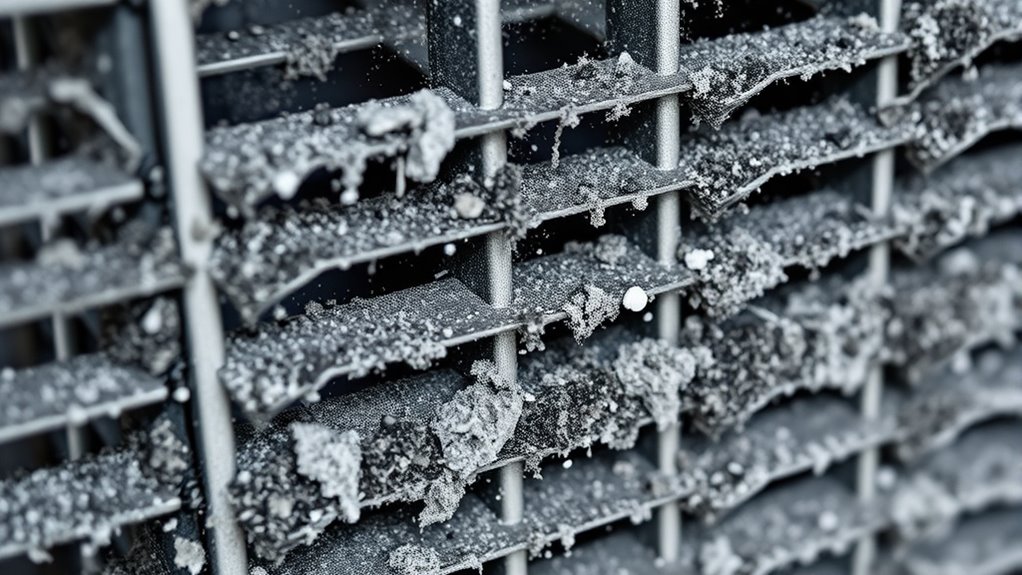
The evaporator coil plays a crucial role in maintaining indoor air quality and comfort. It’s the part of your HVAC system responsible for absorbing heat from indoor air and facilitating cooling. When the coil becomes dirty or clogged, it disrupts this process, leading to a cascade of issues that directly affect the air you breathe. You might notice that your home feels warmer than usual or that your energy bills spike unexpectedly. Dirty coils also hamper the system’s efficiency, forcing it to work harder and wear out faster. But beyond the mechanical problems, a dirty evaporator coil can substantially impact your indoor air quality in ways you may not immediately see.
A dirty evaporator coil can harm indoor air quality and HVAC efficiency.
As dust, dirt, mold, and other debris accumulate on the coil, they become breeding grounds for bacteria and mold spores. When your system runs, these contaminants can become airborne, circulated throughout your home via the ductwork and vents. This can trigger allergies, asthma, or respiratory irritation, especially if you or your family members have sensitivities. You might notice increased coughing, sneezing, or congestion that wasn’t an issue before. In some cases, the mold and microbial growth on the coil can produce unpleasant odors that linger in your home’s air, making the environment less comfortable and more unhealthy. These airborne particles are small enough to bypass filters or stick around longer, increasing the likelihood that they’ll settle in your lungs or on surfaces, contributing to poor indoor air quality overall.
A dirty coil also reduces your system’s cooling capacity, which can cause uneven temperatures and humidity levels inside your home. When the coil is coated with grime, it can’t effectively transfer heat away from your indoor air. As a result, your air conditioner runs longer and consumes more energy without delivering the desired comfort. This inefficiency can lead to increased humidity levels, creating a damp environment that promotes mold growth and dust mite proliferation—further degrading air quality. It’s a vicious cycle: dirty coils compromise air quality, which can then worsen indoor environmental conditions, impacting your health and comfort.
Regular maintenance, including cleaning or replacing your evaporator coil when necessary, prevents these problems from escalating. Keeping the coil clean ensures your HVAC system functions at its best, improves indoor air quality, and maintains a comfortable living environment. Neglecting to address coil dirtiness can also diminish the air filter efficiency, allowing more pollutants to circulate freely. Ignoring a dirty coil may seem minor at first, but over time, it can cause considerable health issues and higher energy costs. Staying proactive with maintenance helps you breathe easier, knowing your indoor air is cleaner and healthier for everyone in your home.
As an affiliate, we earn on qualifying purchases.
Frequently Asked Questions
How Often Should I Have My Evaporator Coil Cleaned?
You should have your evaporator coil cleaned at least once a year, ideally before heavy usage seasons like summer or winter. If you notice reduced airflow, increased energy bills, or poor cooling performance, it’s a sign you need to clean it sooner. Regular maintenance helps your system run efficiently, prolongs its lifespan, and improves indoor air quality. Don’t wait until problems worsen—schedule professional cleaning regularly for peak comfort.
Can a Dirty Coil Cause Health Issues?
Yes, a dirty coil can cause health issues. It can trigger allergies, asthma, and respiratory problems by circulating mold, bacteria, and dust throughout your home. When the coil is clogged, your HVAC system works harder, which can lead to poor indoor air quality. Regular cleaning helps prevent these health risks, ensuring cleaner air and a healthier environment for you and your family.
What Are Signs of a Failing Evaporator Coil?
You notice your AC isn’t cooling well, and your energy bills are rising. You might feel excessive humidity or see ice buildup on the coil. Strange odors, increased noise, or frequent system shutdowns also signal a failing evaporator coil. These signs indicate the coil isn’t functioning properly, which can lead to reduced comfort and higher costs. Addressing these issues promptly can prevent further damage and restore your system’s efficiency.
Is Professional Cleaning Necessary for My Coil?
Think of your evaporator coil like the heart of your AC system—if it’s clogged, everything suffers. Professional cleaning isn’t just recommended; it’s vital to keep your system running smoothly. A trained technician uses specialized tools to remove dirt and debris thoroughly, which you can’t do on your own. Regular professional cleanings ensure your AC operates efficiently, prolongs its lifespan, and maintains good indoor air quality.
How Does Coil Dirt Impact HVAC Energy Efficiency?
A dirty evaporator coil reduces your HVAC system’s energy efficiency by obstructing airflow and forcing the system to work harder. This increased effort consumes more energy, raising your utility bills and straining components. Over time, it can lead to system strain or failure. Regular cleaning keeps airflow smooth, maintains peak performance, and helps you save money on energy costs while extending your HVAC system’s lifespan.
air conditioner coil cleaning kit
As an affiliate, we earn on qualifying purchases.
As an affiliate, we earn on qualifying purchases.
Conclusion
A dirty evaporator coil can silently sabotage your indoor air quality, making your home less comfortable and healthier. When was the last time you checked or cleaned it? Regular maintenance keeps your system running efficiently and ensures cleaner air for you and your family. Don’t wait until poor air quality becomes a problem—stay proactive and protect your indoor environment today. After all, isn’t your health worth a little effort?
mold and bacteria HVAC treatment
As an affiliate, we earn on qualifying purchases.
As an affiliate, we earn on qualifying purchases.
air purifier for indoor air quality
As an affiliate, we earn on qualifying purchases.
As an affiliate, we earn on qualifying purchases.
Cold & flu season Picks
humidifiers
As an affiliate, we earn on qualifying purchases.