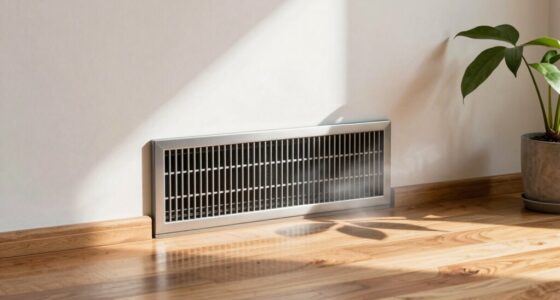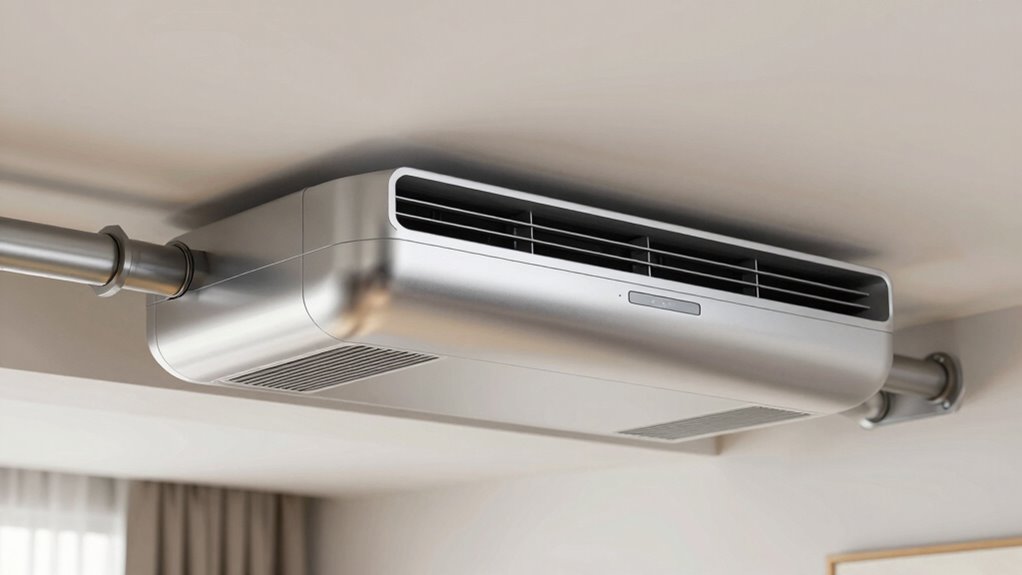
Before buying an in-duct air purifier, ask about its filtration effectiveness, like how well it removes pollutants and allergens using HEPA, activated carbon, or UV light. Check if installation is complex or if professional help is needed, and verify it’s compatible with your HVAC system. Consider maintenance needs, energy efficiency, noise levels, and overall costs. If you want to make an informed choice, keep exploring to discover more essential questions to ask.

Get health and wellness essentials delivered free — and shop member deals
- Fast, free delivery on millions of items
- Access to Prime Big Deal Days deals on October 6–7
- Prime Video, Amazon Music and more included
Key Takeaways
- How effective is the system at removing specific pollutants and allergens relevant to your needs?
- Is the installation compatible with your existing HVAC system and does it require professional setup?
- What are the maintenance requirements, including filter replacement frequency and costs?
- How energy-efficient is the system and what are its long-term operating costs?
- What is the noise level during operation and will it suit your daily activities or sleep environment?
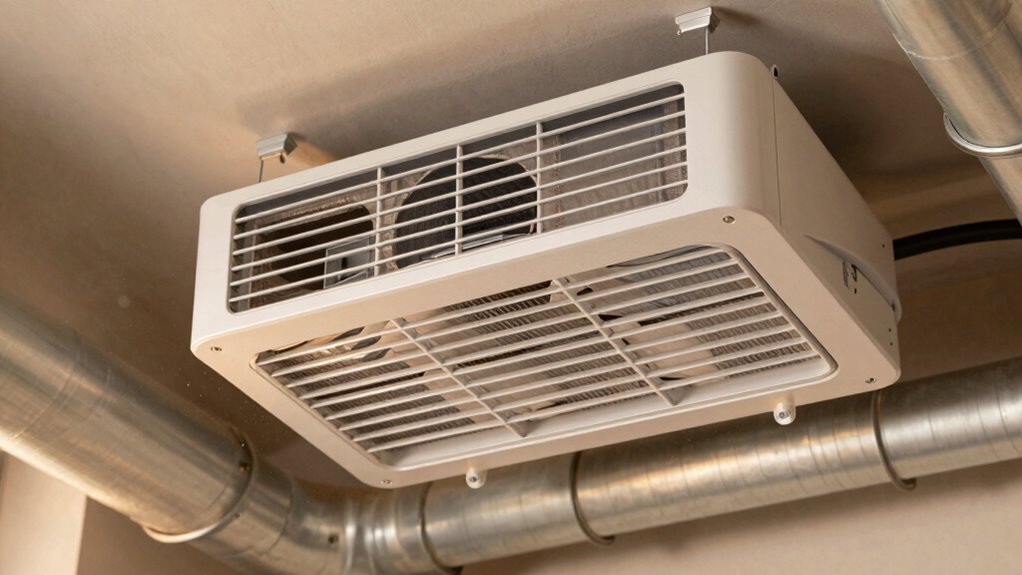
Considering an in-duct air purifier for your home or office? Before you make a decision, it’s essential to ask some key questions to guarantee you’re choosing the right system for your space. One of the most important considerations is how well the purifier can improve your air quality. You want a unit that effectively removes pollutants, allergens, and airborne particles, especially if anyone in your household or office suffers from allergies or respiratory issues. Ask about the purifier’s filtration technology—does it use HEPA filters, activated carbon, or UV light? Understanding what types of contaminants it can target will help you determine if it’s suitable for your specific needs.
Another critical question revolves around the installation process. You need to know how complex it is to integrate the purifier into your existing ductwork. Will it require professional installation, or can you set it up yourself? Find out if the system is compatible with your current HVAC system, and if it requires any modifications. Some units might need special mounting brackets or additional components, which could add to the overall cost and effort. Clarify the timeline for installation and whether the process disrupts your daily routine. Knowing these details will help you plan accordingly and avoid surprises. Additionally, understanding the air purification process can help you assess how well the system will perform in your environment. It’s also helpful to inquire whether the system has been tested and certified for its air quality claims, ensuring its effectiveness.
Ask about installation complexity, compatibility, required modifications, and installation timeline to plan effectively and avoid surprises.
It’s also wise to inquire about maintenance requirements. Ask how often the filters need replacing or cleaning and whether replacement parts are readily available and affordable. A system that demands frequent maintenance might not be practical in the long run. Additionally, check if the purifier has features like indicator lights that alert you when maintenance is needed, making upkeep more manageable. Understanding the filtration technology used in the unit can also influence your maintenance schedule, as different systems require different care.
Energy efficiency is another point to contemplate. An in-duct air purifier should operate effectively without notably increasing your utility bills. Ask about its energy consumption and whether it has an energy-saving mode. This information is essential if you plan to run the purifier continuously, as it affects your ongoing costs.
Finally, don’t forget to ask about the system’s noise level. Since it’s installed within your ductwork, you want a unit that operates quietly enough not to disturb your daily activities or sleep. Hearing less noise means you’ll be more likely to use the purifier consistently, ensuring cleaner, healthier air in your environment.
As an affiliate, we earn on qualifying purchases.
Frequently Asked Questions
How Energy-Efficient Are In-Duct Air Purifiers?
In-duct air purifiers are generally energy-efficient, helping you save on energy costs while maintaining clean indoor air. They use less power compared to portable units, offering good energy savings over time. Additionally, check their noise levels, as some models operate quietly, ensuring minimal disruption. By choosing an energy-efficient, low-noise in-duct purifier, you get effective air cleaning without increasing your energy bills or noise pollution.
Can In-Duct Purifiers Remove All Types of Indoor Pollutants?
In-duct purifiers can’t remove all indoor pollutants, but they greatly enhance air quality standards by targeting common allergens, dust, and airborne particles. They are effective for indoor odor removal, helping eliminate cooking smells or pet odors. However, they may not fully remove gases or volatile organic compounds (VOCs). To guarantee thorough purification, consider additional air cleaning solutions alongside an in-duct purifier for ideal indoor air quality.
What Is the Typical Lifespan of an In-Duct Air Purifier?
Imagine your in-duct air purifier as a reliable car engine—its lifespan depends on maintenance and proper installation. Typically, these purifiers last around 10-15 years. To maximize longevity, follow regular maintenance tips like changing filters and inspecting components. Also, consider installation considerations, ensuring the unit’s properly integrated into your HVAC system. With attentive care, your purifier can serve you well for many years, keeping your indoor air clean and healthy.
Are In-Duct Purifiers Compatible With All HVAC Systems?
In-duct purifiers aren’t compatible with all HVAC systems; you need to check installation requirements first. Some systems may lack the necessary space or connections, and installation can be complex. Also, consider noise levels; some purifiers operate quietly, while others might cause disruptions. It’s essential to verify compatibility and confirm the purifier won’t interfere with your system’s performance or create unwanted noise before making a purchase.
How Often Should the Filters Be Replaced or Maintained?
You should check your filter maintenance and replacement schedules regularly—ideally every 3 to 6 months. Did you know that dirty filters can reduce air purifier efficiency by up to 50%? To keep your system running smoothly, follow manufacturer recommendations, and replace filters promptly when they become dirty or clogged. Regular maintenance ensures clean air and peak performance from your in-duct air purifier.
air purifier with activated carbon filter
As an affiliate, we earn on qualifying purchases.
As an affiliate, we earn on qualifying purchases.
Conclusion
So, now that you’re armed with all these questions, go ahead—buy that in-duct air purifier! After all, who wouldn’t want a device that silently judges your dust bunnies and pollen levels? Just remember, the real test is whether it’s worth the extra effort or just a fancy paperweight. Happy shopping, and may your air be forever fresher than your neighbor’s gossip!
As an affiliate, we earn on qualifying purchases.
professional installation in-duct air purifier
As an affiliate, we earn on qualifying purchases.
As an affiliate, we earn on qualifying purchases.
Fall Picks
fall essentials
As an affiliate, we earn on qualifying purchases.