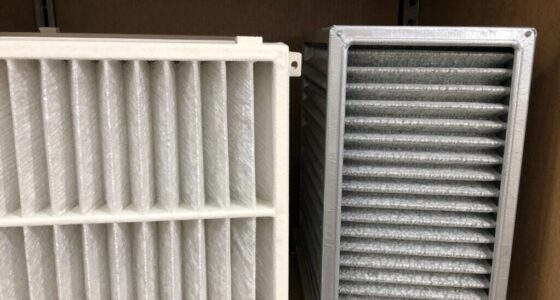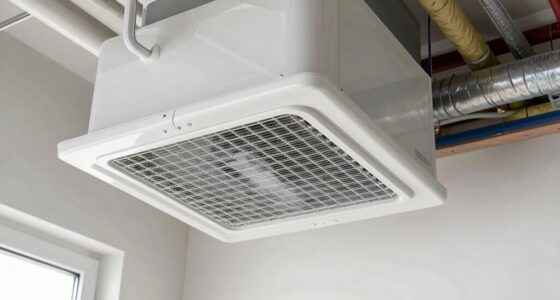
To stop air from bypassing your filter through gaps, make certain it’s installed correctly and fits snugly in its housing. Use filters with built-in gaskets or apply weatherproofing tape around the edges to seal gaps. Regularly check for loose or misaligned filters, and replace worn-out seals or filters promptly. Proper sealing maintains air flow through the filter, improving indoor air quality and system efficiency. Keep exploring to discover more ways to prevent air bypass issues.

Get health and wellness essentials delivered free — and shop member deals
- Fast, free delivery on millions of items
- Access to Prime Big Deal Days deals on October 6–7
- Prime Video, Amazon Music and more included
Key Takeaways
- Ensure filters fit snugly within frames, avoiding loose edges or gaps during installation.
- Use filters with built-in gaskets or add gasket sealant to improve airtight sealing.
- Regularly inspect and replace filters to prevent wear that causes gaps and bypass.
- Seal visible gaps around the filter frame with weatherproofing tape or gasket sealant.
- Maintain clean filter housing and consult professionals if gaps persist despite proper installation.

Have you ever wondered how filter slot gaps impact the performance of your filtration system? These tiny spaces between the filter and its housing might seem insignificant, but they play a vital role in how effectively your system cleans the air. When gaps are present, unfiltered air can bypass the filter altogether, reducing filtration efficiency and allowing dust, allergens, and pollutants to circulate freely. This not only compromises indoor air quality but also puts extra strain on your HVAC system, leading to higher energy costs and potential equipment wear. Understanding how to identify and minimize these gaps can substantially improve your system’s performance and lifespan.
First, it’s essential to recognize that filter slot gaps are often caused by improper installation or worn-out components. Over time, filters can shift or become dislodged, creating spaces where air can escape without passing through the filter media. Similarly, if the filter frame or housing isn’t designed to fit snugly, gaps are more likely to form. To prevent this, always ensure that filters are installed correctly according to the manufacturer’s instructions. Check that the filter fits tightly within its frame and that any clips or latches are securely fastened. Regular inspections can help you catch any shifting or misalignment early before unfiltered air bypasses the system. Additionally, understanding the importance of proper seal integrity can help maintain optimal filtration.
Another effective way to stop air from bypassing the filter is to choose filters with a proper seal or gasket. Some filters come with built-in rubber or foam edges that create a tighter seal within the housing. When installing these filters, make sure the gasket is fully compressed and seated correctly to eliminate gaps. If your current filters lack this feature, consider upgrading to those that do. Additionally, sealing any visible gaps around the filter frame with weatherproofing tape or gasket sealant can further improve the seal. Just be careful to use materials compatible with your HVAC system and avoid blocking airflow.
Finally, maintaining your filtration system is key to preventing gaps from developing over time. Regularly replacing filters according to the manufacturer’s recommended schedule ensures they retain their shape and sealing ability. Clean the housing area to remove dust and debris that could interfere with proper sealing. If you notice persistent gaps despite correct installation, it might be worth consulting an HVAC professional. They can assess whether the housing or filter frame needs repairs or replacement. By taking these steps, you guarantee that all the air passing through your system gets properly filtered, enhancing indoor air quality and prolonging your equipment’s lifespan.
As an affiliate, we earn on qualifying purchases.
Frequently Asked Questions
How Do Filter Slot Gaps Affect Indoor Air Quality?
Filter slot gaps allow unfiltered air to bypass your HVAC filter, reducing indoor air quality. When gaps exist, dust, allergens, and pollutants can circulate freely, potentially worsening allergies or respiratory issues. To improve air quality, you should seal these gaps with weatherstripping or foam tape, ensuring all air passes through the filter. Regularly inspecting and replacing your filter also helps maintain a healthier indoor environment.
Can Filter Slot Gaps Cause Increased Energy Bills?
Yes, filter slot gaps can cause your energy bills to rise. When gaps allow unfiltered air to bypass the filter, your HVAC system works harder to maintain temperature and air quality, using more energy. To prevent this, you should seal any gaps with appropriate materials like weatherstripping or foam tape, ensuring your system runs efficiently. This way, you save energy and improve indoor air quality at the same time.
Are There Specific Tools Needed to Seal Filter Slot Gaps?
You can seal filter slot gaps with simple tools like a caulking gun and weatherstripping tape. Imagine a homeowner noticing increased dust and higher energy bills; they use these tools to close gaps around their filter slot, creating a tight seal. You’ll want to clean the area first, then apply the weatherstripping or caulk to guarantee no air bypasses the filter, improving efficiency and indoor air quality.
How Often Should Filter Slot Gaps Be Inspected or Maintained?
You should inspect your filter slot gaps at least every three months, or more often if you notice increased dust or poor airflow. Regularly check for gaps, cracks, or signs of wear that could let air bypass the filter. Maintain a routine schedule, especially during seasonal changes, to ensure your system stays efficient. Promptly seal any gaps you find to prevent air bypass and keep your air quality high.
Do Filter Slot Gaps Impact HVAC System Lifespan?
Think of filter slot gaps as tiny villains sneaking past your defenses. They definitely impact your HVAC system’s lifespan because unfiltered air causes wear and tear on components. When gaps let dust and debris bypass the filter, your system works harder, leading to faster deterioration. Regularly inspecting and sealing these gaps acts like a shield, extending your system’s life and ensuring it runs efficiently for years to come.
weatherproofing tape for air filters
As an affiliate, we earn on qualifying purchases.
As an affiliate, we earn on qualifying purchases.
Conclusion
To effectively stop air from bypassing your filter slot gaps, you need to make certain a tight seal around the filters. Think of it like plugging the gaps in a sieve—you prevent unwanted leaks and improve air quality. Regularly check and replace worn seals, and consider using gasket material if necessary. When you maintain a snug fit, you keep your system running smoothly, just like a well-oiled machine, ensuring clean air flows where it’s supposed to go.
As an affiliate, we earn on qualifying purchases.
As an affiliate, we earn on qualifying purchases.
Fall Picks
fall essentials
As an affiliate, we earn on qualifying purchases.