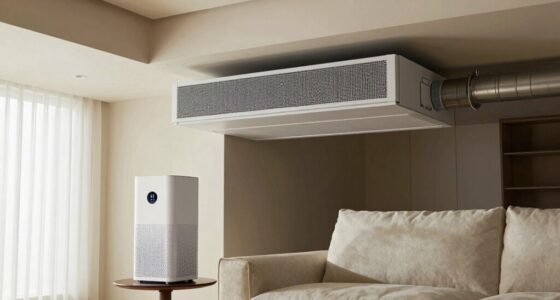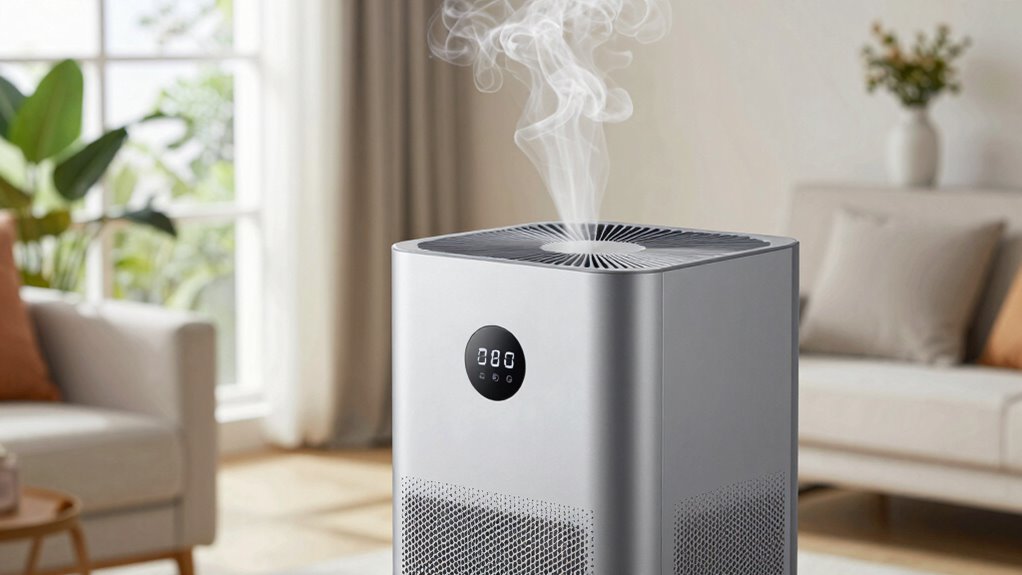
HVAC air purification systems are worth considering because they substantially improve indoor air quality by trapping tiny particles like dust, pollen, bacteria, and viruses. Advanced filters like HEPA and activated carbon layers target specific pollutants and odors, helping reduce allergies and respiratory issues. They also boost system efficiency, protect your HVAC equipment, and lower maintenance costs. Plus, innovative sensors and monitoring ensure your air stays clean effortlessly. Keep exploring to discover how these systems can transform your indoor environment.

Get health and wellness essentials delivered free — and shop member deals
- Fast, free delivery on millions of items
- Access to Prime Big Deal Days deals on October 6–7
- Prime Video, Amazon Music and more included
Key Takeaways
- Advanced filters like HEPA and activated carbon effectively remove allergens, pollutants, odors, and airborne pathogens, improving indoor air quality.
- Modern HVAC air purification systems enhance health by reducing allergy triggers, respiratory issues, and the risk of airborne illnesses.
- They increase system efficiency and lifespan by trapping debris, lowering maintenance costs, and supporting optimal HVAC performance.
- Real-time air quality monitoring and smart technology enable proactive management and consistent indoor environment control.
- Investing in HVAC air purification promotes healthier living spaces, long-term system durability, and peace of mind regarding indoor safety.
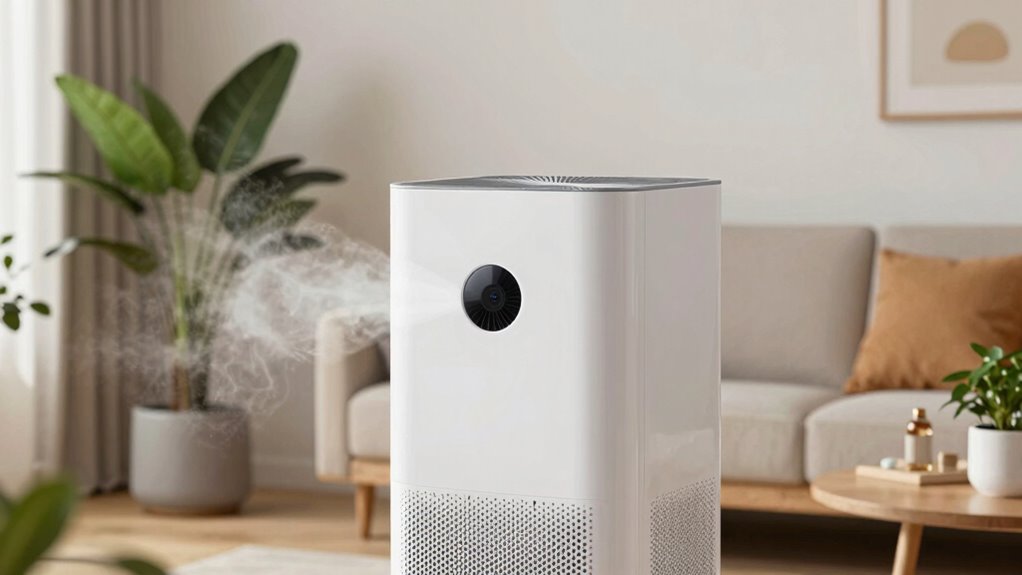
Have you ever wondered how to guarantee the air you breathe indoors is truly clean? If so, HVAC air purification systems are worth your attention. These systems use advanced air filter technology to improve indoor air quality, making your living or working environment healthier and more comfortable. The core of effective HVAC air purification lies in the quality of filters used. Modern air filters can trap tiny particles like dust, pollen, pet dander, and even bacteria or viruses, which are often invisible to the naked eye. By continuously removing these pollutants from the air, they markedly reduce allergens and airborne irritants that can trigger allergies, asthma, or other respiratory issues.
Air filter technology has advanced considerably in recent years. Today’s filters aren’t just simple mesh screens; many incorporate HEPA (High-Efficiency Particulate Air) or activated carbon layers that target specific contaminants. HEPA filters, for instance, can capture particles as small as 0.3 microns with 99.97% efficiency. Activated carbon filters, on the other hand, excel at absorbing odors, volatile organic compounds (VOCs), and other chemical pollutants. When integrated into your HVAC system, these filters work constantly, improving indoor air quality without requiring much effort on your part. They help create a cleaner, healthier environment, especially in homes with pets, smokers, or those living in polluted areas. Modern air filters can also help reduce the spread of airborne pathogens, further enhancing indoor safety. Additionally, the use of advanced filtration can significantly impact the overall effectiveness of your HVAC system in maintaining optimal air quality. Incorporating air quality sensors can further enhance the system’s ability to respond dynamically to changing indoor conditions.
Modern HVAC filters with HEPA and activated carbon layers improve air quality by trapping particles and absorbing odors effortlessly.
Investing in HVAC air purification isn’t just about cleaner air; it’s about enhancing your overall well-being. Better indoor air quality means fewer allergy flare-ups, less respiratory discomfort, and a reduced risk of illnesses caused by airborne pathogens. It also means your HVAC system operates more efficiently, since filters that trap dust and debris prevent buildup inside the system itself. This can prolong the lifespan of your equipment and reduce maintenance costs over time.
Furthermore, many modern systems come with smart features that monitor air quality levels in real-time, allowing you to adjust or upgrade filters as needed. This proactive approach ensures your indoor environment stays consistently healthy. Plus, with advances in air filter technology, you don’t have to suffer through stuffy, stale indoor air anymore. Instead, you can enjoy fresh, clean air all day long, regardless of outdoor conditions. Developing air quality monitoring technology has made it easier to maintain optimal indoor environments effortlessly.
Ultimately, HVAC air purification is worth considering because it directly impacts your health, comfort, and the longevity of your HVAC system. With better air filter technology, you gain peace of mind knowing that the air you and your family breathe is as clean as possible. It’s an investment that pays off by creating a safer, more inviting indoor environment—something everyone deserves.
HEPA air purifier for HVAC system
As an affiliate, we earn on qualifying purchases.
As an affiliate, we earn on qualifying purchases.
Frequently Asked Questions
How Often Should I Change HVAC Air Filters?
You should change your HVAC air filters every 1 to 3 months, depending on usage and filter type. Regular air filter maintenance guarantees ideal performance and air quality. Always check filter compatibility before replacement to match your system’s specifications. If you have allergies or pets, consider changing filters more frequently. Staying on top of this simple task keeps your HVAC system running efficiently and improves indoor air health.
Do HVAC Air Purifiers Remove All Types of Pollutants?
Think of HVAC air purifiers as gatekeepers, but even the best can’t banish every pollutant. They effectively remove many pollutant types like dust, pollen, pet dander, and some bacteria, but their purification effectiveness varies. While they considerably improve air quality, they don’t eliminate all pollutants—like viruses or gases—so for complete protection, consider additional filtration methods. Your home’s air deserves a thorough, multi-layered approach.
Can HVAC Purification Help With Allergies or Asthma?
HVAC purification can substantially help with allergy relief and asthma management. By filtering out common airborne allergens like pollen, pet dander, and dust mites, it reduces triggers that worsen symptoms. Additionally, it improves indoor air quality, making breathing easier for allergy and asthma sufferers. While it’s not a cure, an effective HVAC air purifier creates a healthier environment, helping you breathe more comfortably and manage allergies and asthma symptoms better.
Are There Energy Costs Associated With HVAC Air Purification Systems?
Yes, HVAC air purification systems do have energy costs, but they’re generally minimal if the system is energy-efficient. These units may slightly increase your energy consumption, leading to higher bills, but the cost implications are often outweighed by the benefits of cleaner air and allergen reduction. To minimize expenses, choose energy-efficient models and maintain your system regularly, ensuring ideal operation without considerably impacting your energy efficiency.
What Is the Lifespan of a Typical HVAC Air Purifier?
A typical HVAC air purifier lasts about 5 to 10 years with proper air purifier maintenance. To guarantee peak performance, you should follow a regular filter replacement schedule, usually every 3 to 6 months, depending on usage and air quality. Regularly cleaning and replacing filters help extend its lifespan, maintain air quality, and keep your system running efficiently. Staying on top of maintenance is key to getting the most out of your purifier.
activated carbon filter for air purification
As an affiliate, we earn on qualifying purchases.
As an affiliate, we earn on qualifying purchases.
Conclusion
In the grand symphony of your home’s comfort, HVAC air purification acts as the conductor, ensuring every note is clear and pure. It’s a small investment that pays off by breathing easier and living healthier. Think of it as a shield, quietly protecting your loved ones from invisible invaders. Don’t wait for allergens or pollutants to take center stage—embrace air purification and let your home’s air sing with freshness and safety.
As an affiliate, we earn on qualifying purchases.
air filtration system for allergies
As an affiliate, we earn on qualifying purchases.
As an affiliate, we earn on qualifying purchases.
Fall Picks
fall essentials
As an affiliate, we earn on qualifying purchases.