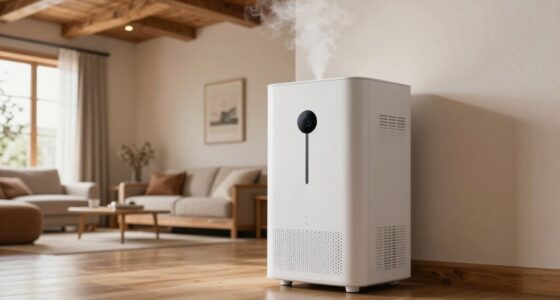
When doors are closed in rooms with return vents, airflow gets restricted, causing your HVAC system to work harder and less efficiently. This can lead to uneven temperatures, higher energy bills, and poorer indoor air quality as stale air, dust, and pollutants aren’t properly circulated or removed. To fix this, make sure vents are accessible and doors remain open or install additional return pathways. Keep exploring to discover more effective ways to improve your home’s airflow and comfort.
Listen free for 30 days with Audible
Thousands of audiobooks and originals — cancel anytime.
As an affiliate, we earn on qualifying purchases.
Key Takeaways
- Closed doors block return air flow, reducing HVAC efficiency and causing uneven temperature distribution.
- Shutting doors can create a sealed loop, forcing the system to work harder and increasing energy consumption.
- Obstructed return vents lead to poor indoor air quality, stale air buildup, and dust accumulation.
- Ensuring doors remain open or installing additional return vents improves airflow and system performance.
- Regularly inspecting and maintaining return pathways helps prevent blockages caused by closed doors.
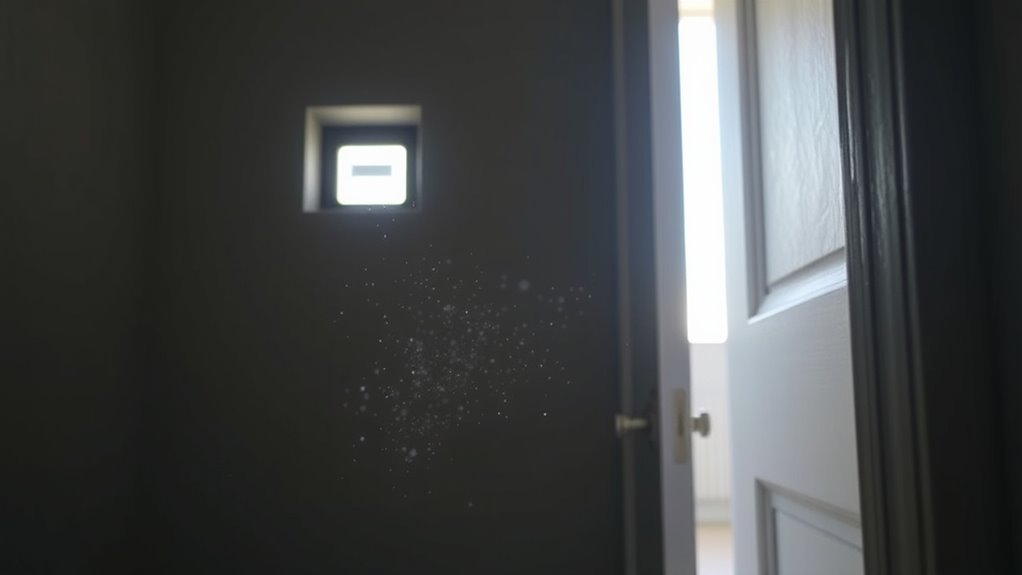
Return air path problems can substantially impact your HVAC system’s efficiency and indoor air quality. When the return air pathway is obstructed or improperly designed, your system struggles to circulate air effectively. This leads to uneven heating or cooling, increased energy consumption, and potential indoor air quality issues. One common culprit is a simple closed door blocking the return vent. While closing doors might seem like a good way to control room temperature or reduce noise, it can inadvertently create a closed loop that hampers airflow. The HVAC system relies on a steady flow of air returning to the furnace or air handler to maintain proper pressure and temperature balance. When doors are shut, especially in rooms with dedicated return vents, the airflow becomes restricted, forcing your system to work harder to achieve the desired comfort level.
Blocked return air paths from closed doors can reduce HVAC efficiency and indoor air quality.
This “closed door” issue often results in reduced airflow to the main system, causing it to run longer and consume more energy. Over time, this increased workload can strain components, leading to premature wear and higher repair costs. Additionally, a blocked return air path prevents stale air, dust, and pollutants from escaping the room efficiently. As a result, indoor air quality declines, and you may notice stuffiness, lingering odors, or increased dust settling on surfaces. If you or your family members suffer from allergies or respiratory issues, these problems can worsen due to inadequate air filtration and circulation. Ensuring proper return vent placement and design is essential for optimal airflow and system performance.
To fix this problem, it’s essential to guarantee that return vents are unobstructed and accessible. Avoid closing doors to rooms with dedicated return vents unless your HVAC professional advises it. Instead, consider keeping doors open or installing additional return vents in rooms that lack them. Proper placement of return ducts is vital; they should be located where air naturally circulates, such as near the center of a room or in areas with high occupancy. Maintaining a clear return air path helps your system operate efficiently and maintains good indoor air quality.
Regularly inspecting your return vents and ducts can catch issues early. Loose, blocked, or closed vents should be addressed promptly. If you’re unsure about the best setup for your home, consulting an HVAC technician can help you optimize airflow. Remember, the goal is to create an unobstructed, balanced return air pathway so your system can perform at its best, keeping your indoor environment comfortable and healthy.

EZ-FLO 14 x 6 Inch (Duct Opening) Return Air Vent Cover for Wall or Ceiling, Solid Steel Return Air Grille, HVAC Vent Cover, White, 61628
- Suitable for Wall or Ceiling: Fits 14×6 inch duct openings
- Overall Dimensions: 15-3/4 x 7-3/4 inches
- Vent Configuration: 2 vent rows for airflow
As an affiliate, we earn on qualifying purchases.
As an affiliate, we earn on qualifying purchases.
Frequently Asked Questions
How Can I Identify if My Return Air Path Is Blocked?
You can identify if your return air path is blocked by noticing reduced airflow or uneven cooling or heating. Check if vents are obstructed or closed, and listen for unusual noises from the ductwork. Feel the air coming from vents; if it’s weak or inconsistent, the path might be blocked. Also, inspect the return air grille for dust buildup or debris, which can indicate airflow issues.
What Are the Signs of Poor Indoor Air Quality Caused by Return Air Issues?
You notice stuffy odors, increased dust, or lingering allergies, which are signs of poor indoor air quality caused by return air issues. You might also experience inconsistent temperatures or headaches. When return air paths are blocked or closed, air can’t circulate properly, trapping contaminants inside. Keep doors open or check vents to guarantee proper airflow. Addressing these issues helps improve air quality and keeps your indoor environment comfortable.
Can Sealing a Door Improve HVAC Efficiency?
Sealing a door can improve HVAC efficiency if it helps maintain consistent airflow and prevents drafts. When you seal gaps, your system doesn’t have to work as hard to heat or cool your space, which saves energy and reduces wear on your system. However, make certain you don’t block essential airflow or create pressure imbalances. Proper sealing can enhance comfort and efficiency, but avoid over-sealing that hampers ventilation.
How Often Should I Inspect My Return Air Vents?
You should inspect your return air vents at least once every three to six months. Regular inspections help you identify dust buildup, obstructions, or damage that could restrict airflow. When you check, clean the vents and replace any filters if needed. Keeping vents clear guarantees your HVAC system operates efficiently, maintains good air quality, and prevents issues like increased energy bills or system strain.
What Professional Services Are Recommended for Diagnosing Return Air Problems?
You should hire a licensed HVAC technician to diagnose your return air problems. They can perform a thorough inspection, identify airflow obstructions like closed doors or blocked vents, and check for issues with filters, ductwork, or the blower motor. These professionals use specialized tools to pinpoint the root cause of airflow restrictions, ensuring your system operates efficiently and maintains good indoor air quality. Regular inspections can prevent bigger problems down the line.

Demiwise MERV 8 Air Vent Filters Kit 20×100 Inch|Cut to Fit (60+ Filters) Filter Material,High-Grade Electrostatic Filter Media with 48 Hooks for Home Floor, Ceiling, HVAC Furnace Vents & Grilles
- Complete MERV 8 Filter Kit: 20×100 inch electrostatic filter material
- Customizable & Residue-Free Installation: Cut to fit with 48 hooks
- Easy Setup & Long-Lasting Use: No tools needed, replace every 2-3 months
As an affiliate, we earn on qualifying purchases.
As an affiliate, we earn on qualifying purchases.
Conclusion
Just like Pandora’s box, a closed door can release hidden problems in your return air path. When you block airflow, you risk poor air quality, higher energy bills, and system strain. Keep your system running smoothly by ensuring doors stay open or vents are unobstructed. Remember, a well-maintained return path is the key to comfort and efficiency—don’t let a simple closed door become your own cautionary tale.
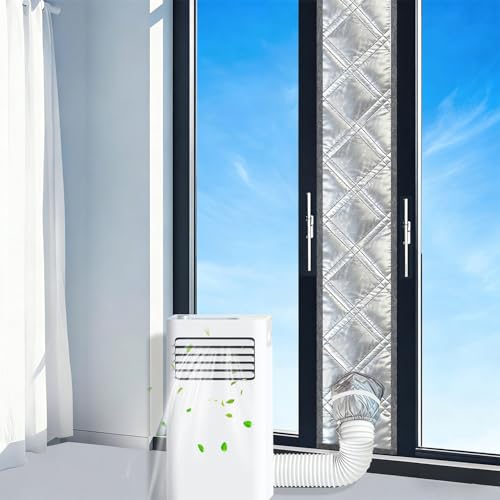
Aozzy 98"AC Door Vent Kit 3-Layer Thickened Aluminum Foil&Cotton&Oxford Fabric Window Seal,100% Airtight,Thermal Insulation,Prevents Cold Air Leakage,Portable AC seal kit for sliding glass door/window
- Compatibility: Fits sliding windows and doors only
- Three-Layer Insulation: Aluminum foil, cotton, Oxford fabric layers
- Airtight and Thermal: Provides 100% airtight insulation
As an affiliate, we earn on qualifying purchases.
As an affiliate, we earn on qualifying purchases.
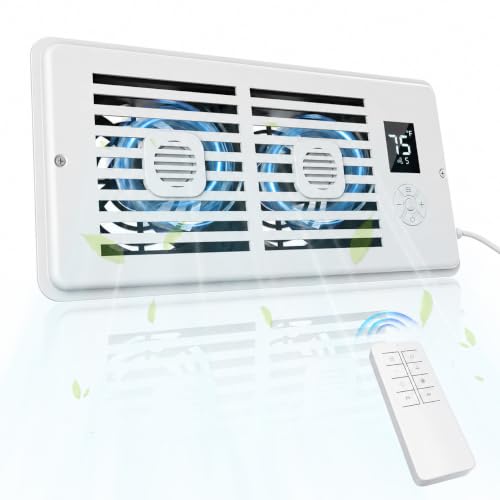
Orabriz AC Vent Booster Fan 4" x 10" Register, Improves Airflow for Rooms
- Compatible with Various Vent Types: Suitable for floor, wall, and ceiling vents
- Enhances Airflow and Cooling: Improves airflow in small rooms with poor circulation
- Includes Aroma Pad Slot: Add essential oils for aromatherapy
As an affiliate, we earn on qualifying purchases.
As an affiliate, we earn on qualifying purchases.
Pool season Picks
robotic pool cleaners
As an affiliate, we earn on qualifying purchases.