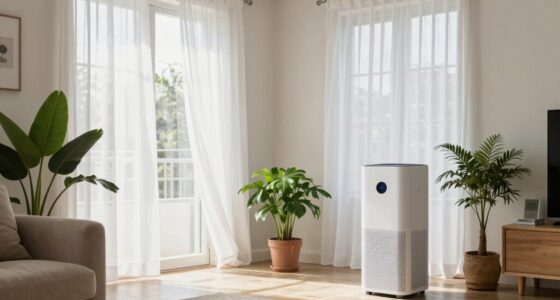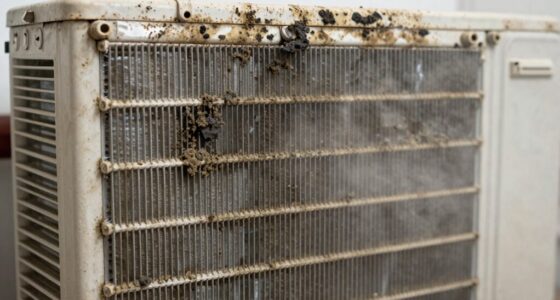
Neglecting your air filter and thermostat can make bedrooms feel worse. When filters aren’t changed regularly, dust builds up, restricting airflow and causing dry, stuffy air. Improper thermostat settings waste energy and leave rooms uncomfortably cold or humid. This strain damages your system and leads to uneven temperatures. To avoid this, stay consistent with maintenance and proper programming. Keep your system efficient and comfortable—keep exploring for more tips.
Open a free Amazon Business account
Business pricing, bulk buying and tax-exempt orders.
As an affiliate, we earn on qualifying purchases.
Key Takeaways
- Neglecting regular air filter changes causes dust buildup, reducing airflow and making bedrooms feel stuffy or dry.
- Setting the thermostat too high or low can lead to discomfort and temperature imbalances in bedrooms.
- Ignoring system maintenance increases strain, resulting in inconsistent temperatures and reduced comfort during sleep.
- Overusing manual thermostat settings without proper programming wastes energy, causing uncomfortable room conditions.
- Failing to optimize HVAC components leads to airflow restrictions and uneven temperatures, worsening bedroom comfort.
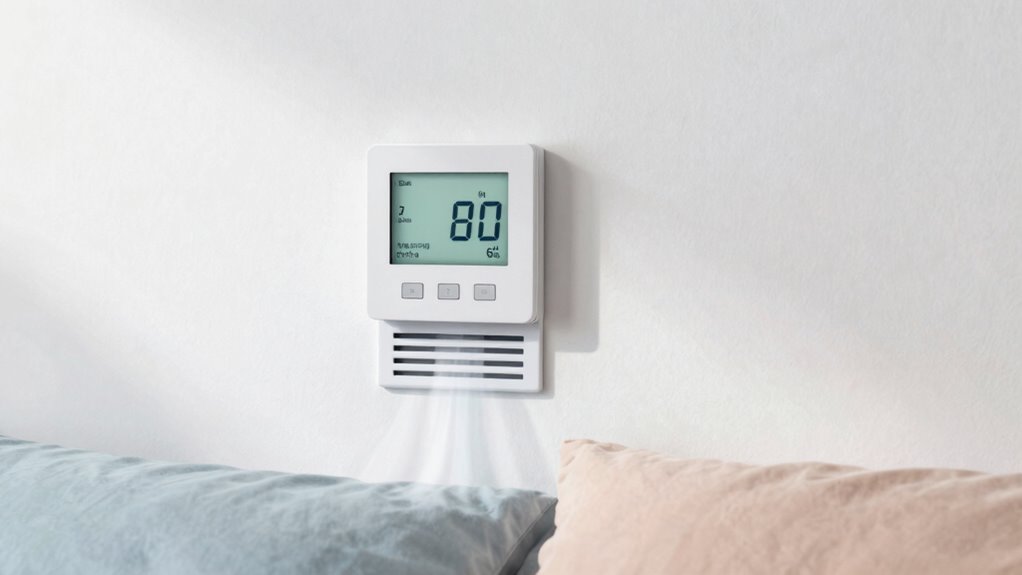
Have you ever wondered how small, consistent habits can profoundly impact your comfort and energy bills? One habit that often gets overlooked is how you manage your HVAC system, especially your air filter maintenance and thermostat settings. These tiny adjustments can make a big difference in how your bedrooms feel and how much you spend on energy. Neglecting air filter maintenance is a common mistake. When filters become clogged with dust and debris, your system has to work much harder to circulate air, which can reduce airflow and cause uneven temperatures in your bedrooms. You might notice that some rooms feel stuffy or overly dry, while others stay cold or hot, despite your efforts to keep the thermostat consistent. Changing or cleaning your air filters every one to three months keeps airflow smooth and helps your HVAC run efficiently, maintaining a more comfortable environment. Additionally, understanding HVAC system efficiency can help you make better choices for maintaining your system and reducing energy costs. Recognizing how air filter maintenance impacts system performance is essential for long-term comfort and savings. Your thermostat settings also play a critical role. If you set your thermostat too high or too low, especially when you’re not home or during sleeping hours, you risk wasting energy and creating discomfort. For example, setting the thermostat too low in winter might make your bedrooms uncomfortably cold, leading to restless nights. Conversely, setting it too high in summer can cause rooms to be stuffy and humid. The proper thermostat programming is key to balancing comfort and efficiency, and many smart thermostats offer customizable schedules for better control. Using a programmable thermostat allows you to adjust temperatures based on when you’re home, sleeping, or away, preventing your system from overworking in unoccupied rooms. Another often-overlooked habit is ignoring the overall system maintenance. When you neglect air filter maintenance and don’t optimize thermostat settings, your HVAC system has to compensate, often resulting in inconsistent bedroom temperatures. This can also lead to inefficient system operation and increased wear on your equipment. This inconsistency can make your sleeping environment less restful, especially if some rooms feel chilly while others are too warm. Furthermore, preventive maintenance can help extend the lifespan of your system and prevent costly repairs down the line. Over time, this neglect can also lead to higher energy bills, as your system works overtime trying to compensate for airflow restrictions and temperature imbalances.

CoreCarbon 20x30x1 Cut To Fit Furnace & Air Conditioner Filter Media
- Made in USA: UL 900 Classified Polyester Filter Media
- Custom Fit: Cut to any size needed
- Washable and Reusable: Rinse, dry, and reinstall
As an affiliate, we earn on qualifying purchases.
As an affiliate, we earn on qualifying purchases.
Frequently Asked Questions
How Often Should I Clean My HVAC Filters?
You should clean or replace your HVAC filters every 1 to 3 months, depending on your air filter lifespan and dust accumulation. Regularly checking filters guarantees they don’t become clogged with dust, which can reduce airflow and worsen indoor air quality. In homes with pets or allergies, more frequent changes are needed. Staying consistent helps your system run efficiently, keeps your bedroom comfortable, and prevents dust buildup from affecting your health.
Can HVAC Habits Affect Allergy Symptoms Indoors?
Is your HVAC habit a silent villain in your allergy struggles? Yes, it can be. Poor indoor air circulation and neglecting filter maintenance allow airborne allergens to thrive, worsening symptoms. Regularly changing filters and ensuring proper ventilation help trap allergens and improve air quality. By actively managing your HVAC system, you create an environment where allergens are minimized, and breathing becomes easier, making your home a haven rather than a hazard.
What’s the Ideal Temperature for Bedroom Comfort?
The ideal temperature for bedroom comfort is around 60-67°F (15-19°C). You want a sleep environment that supports best temperature regulation, helping you fall asleep faster and stay asleep longer. Keeping your thermostat within this range prevents overheating or chilling, which can disrupt your sleep. Be sure to adjust your HVAC settings accordingly, and consider using a fan or space heater if needed to maintain consistent comfort throughout the night.
How Does Humidity Impact Bedroom Air Quality?
Humidity levels directly impact your bedroom air quality. When humidity is too high, airborne pollutants like mold spores and dust mites thrive, making the air feel heavy and uncomfortable. Conversely, low humidity can dry out your skin and irritate your respiratory system. You might find that maintaining balanced humidity helps keep airborne pollutants in check, creating a fresher, healthier environment where you can breathe easier and sleep better.
Are There Eco-Friendly HVAC Maintenance Tips?
Yes, you can maintain your HVAC system eco-friendly by using eco-friendly filters and prioritizing sustainable ventilation. Choose filters made from biodegradable or recycled materials to reduce waste and improve air quality. Regularly clean and replace filters to enhance efficiency. Additionally, guarantee proper ventilation by using energy-efficient fans or systems that promote fresh air circulation without wasting energy. These habits help protect the environment while keeping your bedroom comfortable.

Honeywell Home X2P Programmable Thermostat, White
- Customizable Settings: Air filter reminders and display options
- Flexible Scheduling: 5-2 day programming or non-programmable
- User-Friendly Display: Large screen with clear font
As an affiliate, we earn on qualifying purchases.
As an affiliate, we earn on qualifying purchases.
Conclusion
Remember, habits are hard to break, but they shape your comfort. Avoid leaving your HVAC system on constantly, as it can make your bedroom feel worse by creating dry air and temperature fluctuations. Instead, turn it off when not needed and use a thermostat to maintain consistent comfort. After all, Rome wasn’t built in a day, and a cozy bedroom isn’t either. Small changes can lead to big improvements in your sleep and relaxation.

HVAC Guys Complete Mini Split Cleaning Kit | Mini Split Coil Cleaner Kit Includes 360 Degree Mini Split Cleaning Bag, Bucket, Spray Nozzle, Coil Cleaner, Faucet/Hose Adapter
- Complete Cleaning Kit: Includes all necessary cleaning tools and accessories
- 360 Degree Cleaning Cover: Ensures thorough cleaning with water overspray prevention
- Universal Compatibility: Fits all ductless mini split systems
As an affiliate, we earn on qualifying purchases.
As an affiliate, we earn on qualifying purchases.
As an affiliate, we earn on qualifying purchases.
College move-in / dorm season Picks
dorm essentials
As an affiliate, we earn on qualifying purchases.