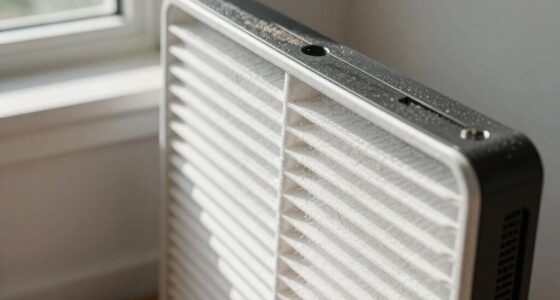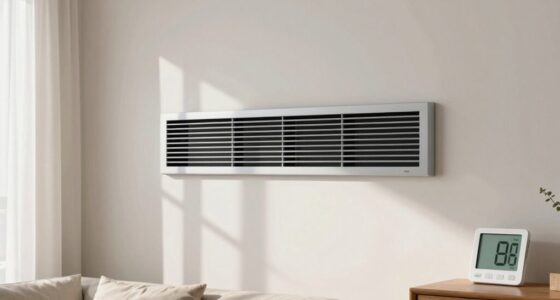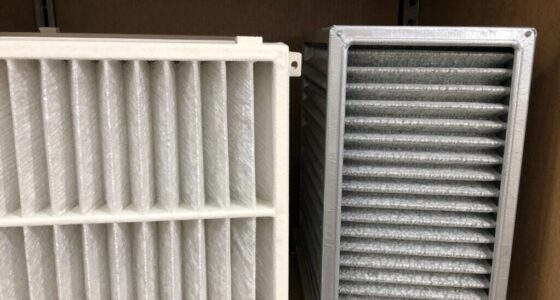

Upstairs rooms often feel more stale because warm, humid air naturally rises and gets trapped without proper ventilation. When windows stay shut and airflow is limited, pollutants and moisture can build up, making the space feel stuffy. Poor layout and sealed doors can also block fresh air from circulating upstairs. To improve airflow and freshness, you need to create better ventilation. Keep exploring to discover effective ways to make your upstairs space feel more comfortable and fresh.

Get health and wellness essentials delivered free — and shop member deals
- Fast, free delivery on millions of items
- Access to Prime Big Deal Days deals on October 6–7
- Prime Video, Amazon Music and more included
Key Takeaways
- Warm air rises and accumulates upstairs, leading to increased stagnation and stale odors.
- Limited window opening and poor ventilation restrict fresh air entry to upper levels.
- Home layout often restricts airflow, trapping pollutants and moisture upstairs.
- HVAC systems may not be optimized for effective circulation on the upper floors.
- Closed doors and windows reduce natural airflow, causing upstairs air to become more stagnant.
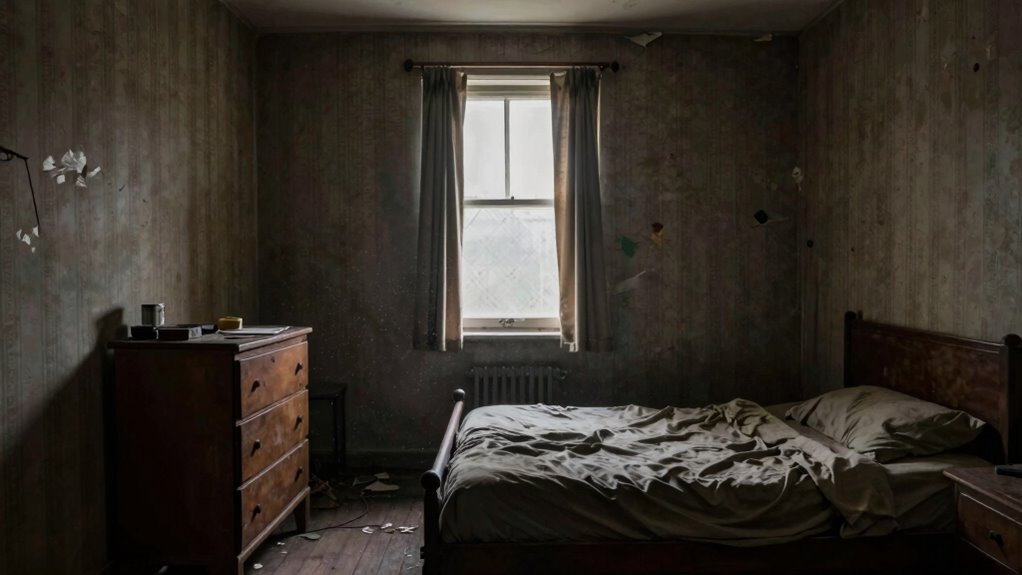
If your upstairs rooms suddenly feel stale, it’s likely due to a lack of fresh air and proper circulation. Upstairs spaces often tend to trap indoor air more than downstairs areas, leading to a noticeable odor buildup that can make the room feel uncomfortable and stuffy. This happens because air circulation naturally diminishes as you go higher in the house, especially if windows are rarely opened or ventilation systems aren’t optimized for those levels. When fresh air isn’t flowing through, indoor pollutants and moisture get trapped, amplifying that stale feeling. You might notice a lingering smell, even after cleaning, which is a clear sign that air exchange isn’t happening enough.
One common reason for poor air circulation upstairs is that the layout of most homes restricts airflow. Doors and windows, especially if kept closed for security or privacy reasons, limit how much fresh air enters and moves through the space. Without enough ventilation, airborne particles, dust, and odors linger longer, creating that heavy, stagnant atmosphere. This buildup not only affects comfort but can also impact indoor air quality, making the upstairs feel more oppressive than the downstairs. Since heat rises, warmer air tends to accumulate upstairs, but without proper circulation, that warm air becomes stale and laden with pollutants. This cycle reinforces odor buildup, making the space feel even more uninviting. Improving indoor air quality through better ventilation and air circulation is essential for a healthier and more comfortable home environment. Additionally, ventilation efficiency can significantly influence how quickly stale air is replaced with fresh air, emphasizing the importance of well-designed airflow systems. Ensuring proper airflow can also help regulate temperature differences between levels, further improving overall comfort. Properly maintained ventilation systems are vital for continuously replacing stale indoor air with fresh outdoor air, which is a key factor in reducing odors and improving comfort. Remember, the goal is to create a continuous flow of air that replaces stale indoor air with fresh outdoor air, reducing odor buildup and making the room feel more inviting.
As an affiliate, we earn on qualifying purchases.
Frequently Asked Questions
Can Ventilation Improve Upstairs Air Quality Significantly?
Yes, ventilation can greatly improve upstairs air quality. By increasing air exchange, you remove stale air and introduce fresh air, reducing humidity and odors. Installing ventilation systems like exhaust fans or air purifiers helps maintain proper airflow, preventing stale, stuffy conditions. Regularly opening windows also promotes air exchange. Overall, effective ventilation guarantees better indoor air quality upstairs, making the space more comfortable and healthier for you.
Are Certain Building Materials More Prone to Causing Stale Upstairs Air?
Certain building materials, like carpets and synthetic fabrics, can trap stale air and contribute to poor air quality upstairs. These materials often block air circulation, making it harder for fresh air to replace the stale air. You might notice that rooms with dense or non-porous materials feel stuffier. To improve air quality, consider replacing these materials or increasing ventilation, which helps air circulate better and reduces stale odors upstairs.
How Does Insulation Affect Airflow Between Floors?
Insulation impacts airflow circulation between floors by sealing gaps and reducing natural air movement. When insulation is dense or improperly installed, it blocks airflow, trapping stale air upstairs and preventing fresh air from circulating freely. This creates a stale environment, especially if vents or fans aren’t used effectively. To improve airflow, consider better ventilation options and make certain insulation doesn’t overly restrict air movement, helping stale air escape and fresh air enter.
Do Temperature Differences Contribute to Stale Upstairs Rooms?
Imagine your upstairs room as a sealed treasure chest, trapped in a warm, humid cave. Temperature differences do contribute to stale air, as heat rises and creates a barrier to fresh air entering. You need proper air circulation and humidity control to break this barrier. Without them, stale air lingers, making the room feel stuffy. By improving airflow and managing humidity, you’ll keep the space fresh and inviting.
Can Plants Help Reduce Indoor Stale Air Upstairs?
Yes, indoor greenery can help guarantee reduce stale air upstairs. By strategically placing plants near vents, windows, or in corners, you enhance airflow and air quality. Plants like peace lilies and snake plants absorb pollutants and increase humidity, making the air feel fresher. Regularly updating your plant placement ensures continuous air circulation, so incorporating indoor greenery is an effective way to combat stale upstairs air and create a more inviting space.
portable indoor air purifier for home
As an affiliate, we earn on qualifying purchases.
As an affiliate, we earn on qualifying purchases.
Conclusion
You might be surprised to learn that indoor air quality can be up to five times worse upstairs, making those rooms feel staler. This is often due to poor ventilation and trapped humidity. Knowing this, you can take simple steps like opening windows or using fans to improve airflow. Addressing these issues can make your upstairs space feel fresher and more comfortable, transforming your home into a healthier, more inviting environment.
As an affiliate, we earn on qualifying purchases.
As an affiliate, we earn on qualifying purchases.
Fall Picks
fall essentials
As an affiliate, we earn on qualifying purchases.