To find your fresh air intakes, look at your building’s exterior for small vents or grilles, usually placed away from pollution sources like busy roads or exhaust vents. They are often located near the roofline or on exterior walls, sometimes disguised as decorative features. Check for screens or filters covering the openings, which are signs of functioning intake points. To learn more about maintaining and inspecting these vents, continue exploring practical tips.
Key Takeaways
- Check exterior building walls or rooflines for small vents, grilles, or screens indicating intake points.
- Consult building plans or blueprints to locate designated fresh air intake locations.
- Contact building maintenance or HVAC professionals for assistance in identifying intake points.
- Examine interior ductwork or ventilation systems to trace supply points back to exterior intakes.
- Ensure intake openings are unobstructed, clean, and properly maintained for optimal airflow.

Have you ever wondered how to improve indoor air quality and keep your space feeling fresh? One effective way is by understanding and locating your fresh air intake. Fresh air intakes are vital because they bring in outdoor air, diluting indoor pollutants and ensuring you breathe cleaner air. But many people overlook their presence or don’t know how to find them. Knowing where they are and how they work can make a significant difference in your indoor environment.
Understanding and locating your fresh air intake is key to improving indoor air quality.
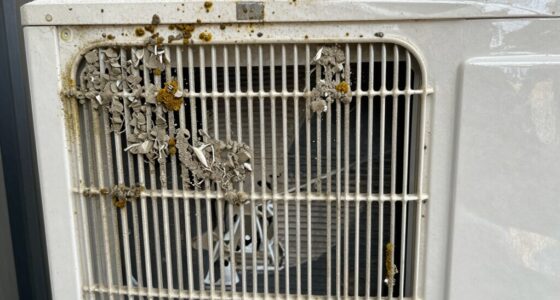
First, start by inspecting your building’s exterior. Fresh air intakes are usually positioned away from sources of pollution like busy roads, exhaust vents, or trash areas. They often look like small vents or grilles placed on the side of the building, sometimes near the roofline or on the wall. Some intakes are disguised as decorative features, so look carefully. Check your building plans if you have access to them, as they often specify the location of ventilation features, including fresh air intakes. If you’re unsure, contacting the building’s maintenance team or an HVAC professional can help pinpoint their exact location.
Once you identify the potential locations, examine the vents closely. Fresh air intakes typically have a screen or filter to prevent debris, insects, and larger particles from entering the system. The screen may be made of metal, plastic, or mesh, and it’s essential to keep it clean to maintain airflow. Sometimes, the intake is connected to ductwork inside the building, leading to the ventilation system. In that case, follow the ductwork to find where it supplies fresh air into the indoor environment. This is especially important if you’re considering upgrading or maintaining your system, as clean intake points guarantee better airflow and air quality.
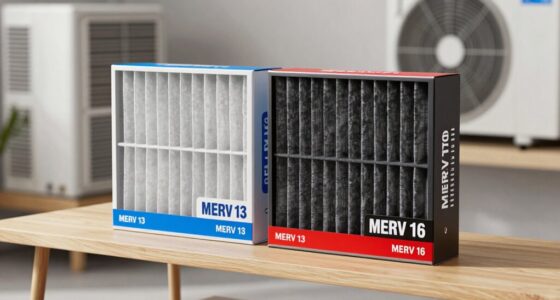
It’s also worth noting that some modern buildings have mechanical fresh air intakes connected to energy recovery ventilators or heat exchangers. These systems actively bring in outdoor air and condition it before distributing it inside. If your building has such systems, they are often controlled via a central panel, and the intake points may be integrated into the building’s facade or roof. Understanding whether your ventilation relies on passive or mechanical intakes helps you maintain them properly and troubleshoot issues. Additionally, proper maintenance of intake filters can significantly enhance overall air quality and system efficiency.

Midea 13,000 BTU Dual Hose Portable Air Conditioner, Inverter, 2026 NEW
- Dual Hose Cooling: Cools rooms 60% faster with dual hoses
- Balanced Airflow: Ensures consistent, comfortable cooling
- Energy-Saving Inverter: Delivers up to 53% energy savings
As an affiliate, we earn on qualifying purchases.
Frequently Asked Questions
How Often Should I Inspect My Fresh Air Intake?
You should inspect your fresh air intake at least twice a year, ideally during seasonal changes. Regular checks help you identify blockages, debris, or damage that could restrict airflow. If you notice reduced air quality or strange odors, inspect it more frequently. Keep the intake clean and clear to guarantee proper ventilation and energy efficiency. Regular maintenance ensures your system functions at its best and keeps your indoor air quality high.
Can I Upgrade My Existing Fresh Air Intake System?
Yes, you can upgrade your existing fresh air intake system. Start by evaluating your current setup and determining what improvements you need, like better filtration or increased airflow. Research compatible components and consult with professionals if necessary. Upgrading can enhance air quality and efficiency, so choose high-quality filters and ducts. Implement the upgrades carefully, ensuring proper sealing and placement, to enjoy improved ventilation and healthier indoor air.
What Signs Indicate My Fresh Air Intake Needs Cleaning?
You’ll notice reduced airflow or weak ventilation, which means your fresh air intake might be clogged. Increased dust or debris around the intake area is also a sign, as well as musty odors inside your space. If you see visible dirt or mold buildup, it’s time to clean. Regular maintenance helps guarantee your system functions efficiently, providing fresh air and improving indoor air quality.
Are There Different Types of Fresh Air Intakes for Vehicles and Homes?
Yes, there are different types of fresh air intakes for vehicles and homes. In vehicles, you’ll find intakes designed to prevent dirt and debris from entering, often located near the windshield or hood. For homes, intakes are part of the HVAC system, usually placed on the roof or exterior walls. While both serve to bring in fresh air, their designs adapt to suit specific environments, ensuring efficient and clean airflow.
How Does Outdoor Weather Affect My Fresh Air Intake’s Performance?
Outdoor weather directly impacts your fresh air intake’s performance. When it’s windy, dust and debris can be blown into your system, reducing air quality and potentially clogging filters. Rain or snow can cause moisture buildup, leading to mold or corrosion. Extreme cold can restrict airflow, while hot, humid conditions may promote mold growth. Regularly inspect and maintain your intake to guarantee it functions efficiently regardless of outdoor weather conditions.

ZAFRO Smart Inverter Portable Air Conditioners, 14000 BTU (10000 BTU SACC)
- Powerful Dual Hose Cooling: High airflow for rapid, even cooling
- Instant Extreme Heat Relief: Locks at 61°F for quick cooling
- Energy Efficient Smart Inverter: Maintains stable temperature, reduces energy use
As an affiliate, we earn on qualifying purchases.
Conclusion
Now that you know how to find your fresh air intake, you can guarantee your home breathes easily, like lungs expanding with each inhale. Regularly check and maintain it to keep the air clean and crisp, preventing indoor pollution from sneaking in like uninvited guests. Think of your intake as the gateway to healthier living—guard it well, and your home will always have a gust of fresh air, supporting your comfort and well-being every day.
![Gasbye Dual Hose Portable Air Conditioner, [2026 Upgraded] Full DC Inverter Compressor, Energy-Saving 13.0 CEER, Low Noise (45dB), Cools Room up to 550 Sq.Ft., Backlit Remote Control, 15,000BTU, White](https://m.media-amazon.com/images/I/31XNdjXs3GL._SL500_.jpg)
Gasbye Dual Hose Portable Air Conditioner, [2026 Upgraded] Full DC Inverter Compressor, Energy-Saving 13.0 CEER, Low Noise (45dB), Cools Room up to 550 Sq.Ft., Backlit Remote Control, 15,000BTU, White
- Energy-efficient DC Inverter: Full DC inverter technology with 13.0 CEER
- Powerful Cooling Capacity: Cools rooms up to 550 sq.ft.
- Dual-Hose System: Ensures rapid, balanced cooling
As an affiliate, we earn on qualifying purchases.
![Gasbye Dual Hose Portable Air Conditioner, [2026 Upgraded] Full DC Inverter Compressor, Energy-Saving 13.6 CEER, Low Noise (45dB), Cools Room up to 500 Sq.Ft., Backlit Remote Control, 14,000BTU, White](https://m.media-amazon.com/images/I/31v+CC4UhyL._SL500_.jpg)
Gasbye Dual Hose Portable Air Conditioner, [2026 Upgraded] Full DC Inverter Compressor, Energy-Saving 13.6 CEER, Low Noise (45dB), Cools Room up to 500 Sq.Ft., Backlit Remote Control, 14,000BTU, White
- Energy-efficient DC Inverter: Full DC inverter technology with 13.6 CEER
- Powerful Cooling Capacity: 14,000 BTU for rooms up to 500 sq.ft.
- Dual-Hose System: Ensures rapid and balanced cooling
As an affiliate, we earn on qualifying purchases.