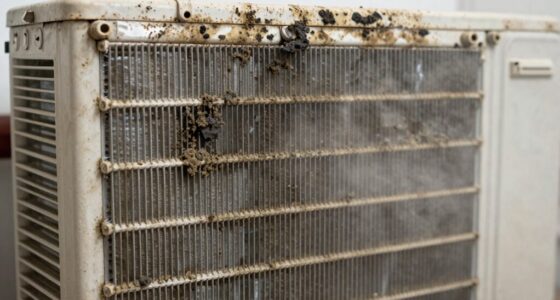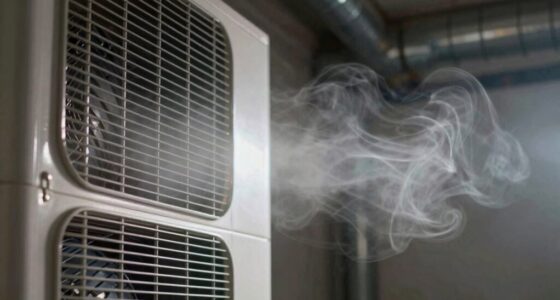
Vents get dirty quickly because dust, pet hair, dander, and debris continually settle on the vent surfaces and get pushed into the air whenever your HVAC runs. Factors like household activity, furniture, clothing, and humidity make dust stick and gather faster. If your filters are old or ineffective, more debris reaches your vents, speeding up dirt buildup. To keep things cleaner, maintaining your filters and cleaning vents regularly helps, and there’s more to explore on how to improve your system’s efficiency.

Get health and wellness essentials delivered free — and shop member deals
- Fast, free delivery on millions of items
- Access to Prime Big Deal Days deals on October 6–7
- Prime Video, Amazon Music and more included
Key Takeaways
- Vents are connected to the airflow system, which pulls in dust from indoor and outdoor sources, leading to rapid buildup.
- Ineffective or outdated filters allow more dust particles to bypass filtration and settle on vents.
- Regular household activities like cleaning, furniture movement, and pet shedding introduce dust that quickly accumulates.
- Humidity levels can cause dust to stick more easily to vent surfaces, accelerating dirt accumulation.
- Lack of routine cleaning and maintenance causes dust to settle and build up faster on vents and registers.

Have you ever wondered what “Register Dust” refers to and why it matters? It’s the layer of dirt, debris, and dust that accumulates on your vents and registers over time. This buildup might seem minor at first, but it can impact your home’s air quality, heating, and cooling efficiency. The dust particles originate from various sources: outdoor air that sneaks in through gaps, household activities like cooking or cleaning, and even your own skin cells and fibers from clothing. When these particles settle on or around your vents, they form a layer of dust that can get pushed into the air every time your HVAC system runs.
Vents get dirty so quickly because they’re closely connected to the airflow system of your house. As your furnace or air conditioner circulates air, it inevitably picks up dust and debris. When the air passes through the vents, it deposits particles onto the surfaces of the registers. Over time, this forms a visible layer of dust. The problem worsens if you don’t clean your vents regularly because the dust builds up more rapidly and gets dispersed into your indoor environment. The more your system runs, the more dust gets blown around, creating a cycle that keeps your registers dirty.
Another reason vents get dirty so fast is that dust and debris are constantly being introduced into your home. Even if you keep a tidy space, dust is everywhere—on furniture, clothing, and on the surfaces of your walls. When your HVAC system operates, it pulls in this dust and circulates it through the ductwork, depositing it on the vents. Additionally, pets shed hair and dander, which add to the accumulation. Humidity levels also play a role; when moisture is high, dust particles tend to stick more easily to surfaces, making the buildup happen faster. Plus, if your filters are outdated or ineffective, they won’t trap dust as efficiently, allowing more debris to reach your vents.
Understanding that the air filtration system plays a crucial role in controlling dust buildup highlights the importance of maintaining clean filters and ductwork. Cleaning your registers regularly helps control the dust problem and improves air quality. Removing dust from the vents prevents it from spreading throughout your home and reduces strain on your HVAC system. Using a vacuum with a brush attachment or a damp cloth can remove surface dust, but for more thorough cleaning, removing the registers and washing them is often necessary. Maintaining good filter hygiene and changing filters frequently also helps keep dust levels down. Ultimately, understanding why vents get dirty so quickly encourages you to stay vigilant with cleaning routines, which protects your indoor air quality and keeps your heating and cooling systems running smoothly.
Frequently Asked Questions
How Often Should I Replace My HVAC Filters?
You should replace your HVAC filters every 1 to 3 months, depending on factors like your home’s allergy levels, pets, and filter type. If you notice reduced airflow, increased dust, or if someone has allergies or respiratory issues, replace filters more frequently. Regular changes keep your system running efficiently, improve air quality, and prevent dirt buildup in your vents. Check your filters monthly to guarantee peak performance.
Can Pets Increase Dust Buildup in Vents?
Did you know pets shed up to 100 hairs per day? Yes, pets can substantially increase dust buildup in your vents because their hair, dander, and skin particles circulate through your HVAC system. These particles settle in vents quickly, especially if you don’t clean or replace filters regularly. Keep pet grooming and frequent filter changes in mind to reduce dust accumulation and improve indoor air quality.
Do Certain Cleaning Products Damage Vent Components?
Certain cleaning products can damage your vent components if they contain harsh chemicals like bleach, ammonia, or abrasive agents. These substances can corrode metal parts, degrade plastic components, or leave residues that hinder airflow. To protect your vents, use gentle, HVAC-specific cleaners or a damp cloth. Always read labels carefully, avoid aggressive scrubbing, and consider professional cleaning for thorough maintenance, ensuring your vents stay in good condition longer.
Is There a Way to Prevent Dust Accumulation Altogether?
Think of your vents as open windows into your home’s health. To prevent dust buildup, regularly replace or clean filters, and keep your living space clutter-free to minimize dust circulation. Use high-efficiency filters and consider installing air purifiers to catch airborne particles. Keep vents clean with gentle vacuuming or wiping, and schedule professional duct cleaning periodically. These steps help maintain airflow and reduce dust, keeping your home fresher longer.
How Does Vent Design Affect Dust Collection?
Your vent design plays a big role in dust collection. If vents have wider openings or are poorly shaped, they tend to trap more dust and debris. Sharp corners and rough surfaces also encourage buildup, making cleaning harder. Conversely, smooth, streamlined designs with proper airflow help reduce dust accumulation. Regular maintenance and choosing vents with better airflow dynamics can keep your vents cleaner longer and improve overall indoor air quality.
Conclusion
Think of your vents like open windows to a dusty castle gate. When they stay uncleaned, dust slips in like sneaky invaders, building up over time. Regular cleaning is your shield, keeping the fortress clear and bright. Don’t let dust take over your space like an unwelcome army—fight back with simple upkeep. Keep your vents tidy, and your home will breathe freely, a peaceful kingdom where dust never reigns.
Fall Picks
fall essentials
As an affiliate, we earn on qualifying purchases.