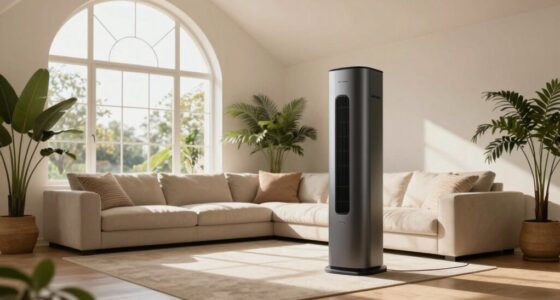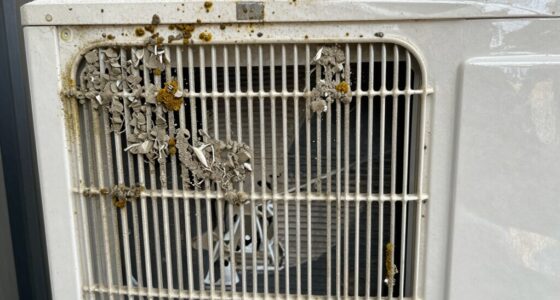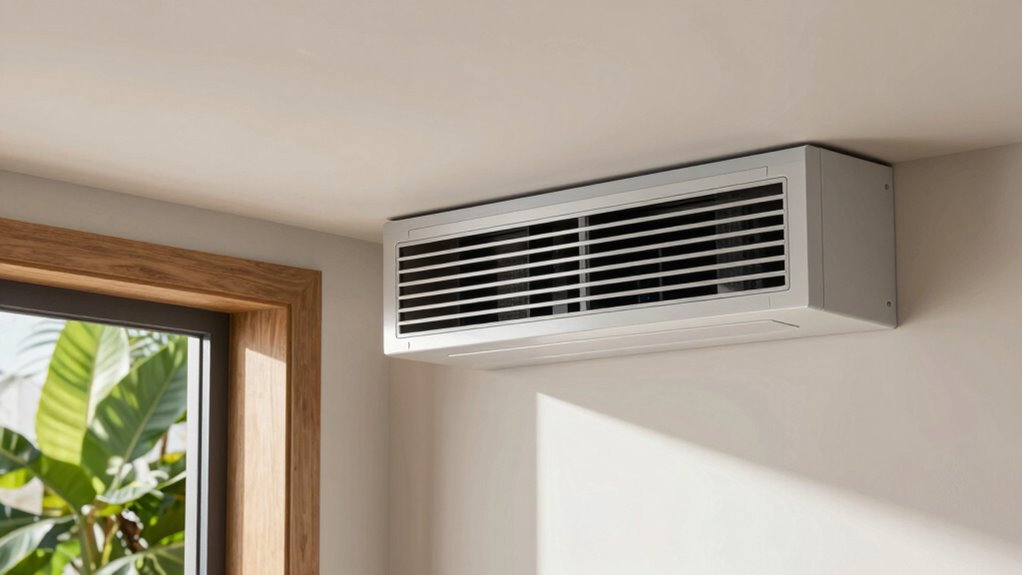

Whole-home ventilation systems use fresh air intake to guarantee a constant flow of outdoor air into your home. This process dilutes indoor pollutants, reduces allergens, and helps control humidity levels, making your environment healthier. Fresh air intake works through various methods like exhaust fans or whole-house systems, promoting ideal airflow and comfort. Maintaining these systems is key to their performance. To discover more about the types and benefits of fresh air intake, keep exploring.

Get health and wellness essentials delivered free with Prime
- Fast, free delivery on millions of items
- Prime Video, Amazon Music and more included
- Member-only deals all year
Key Takeaways
- Fresh air intake is the process of bringing clean outdoor air into a home while expelling stale indoor air.
- It enhances indoor air quality by diluting pollutants and reducing allergens like dust and mold spores.
- Fresh air intake systems include exhaust fans, supply vents, and whole-house systems like ERVs and HRVs.
- Proper ventilation regulates temperature and humidity levels, creating a more comfortable living environment.
- Regular maintenance and inspections are essential for optimal performance and energy efficiency of fresh air intake systems.
As an affiliate, we earn on qualifying purchases.
Understanding Whole-Home Ventilation Systems
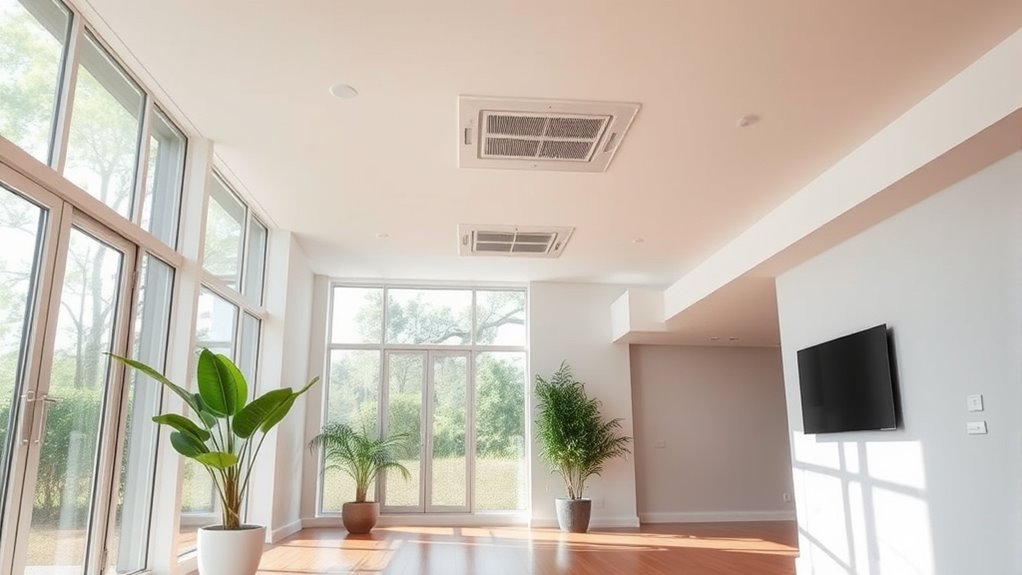
When you think about maintaining a healthy indoor environment, understanding whole-home ventilation systems is essential. These systems ensure consistent airflow control throughout your home, helping to regulate temperature and humidity levels. Good ventilation design minimizes the risk of mold and pollutants by keeping air fresh and clean. Additionally, effective airflow management is crucial in optimizing the performance of these systems. Modern kitchen technology can further enhance ventilation by integrating smart appliances that monitor air quality.
Incorporating natural elements like plants can also improve indoor air quality, promoting a healthier living environment. You’ll find that various types of whole-home systems exist, including exhaust, supply, and balanced ventilation methods. Each offers unique benefits depending on your needs. By effectively managing airflow, they enhance comfort and energy efficiency. Furthermore, energy-efficient cloud solutions can support smart home technologies that improve overall air quality. It’s important to assess your home’s specific requirements to choose the right system. Investing time in understanding these systems can lead to a healthier living space, ultimately supporting your well-being and comfort. Additionally, implementing a smart grill app can help optimize indoor air quality by regulating cooking-related emissions.
As an affiliate, we earn on qualifying purchases.
The Importance of Fresh Air Intake
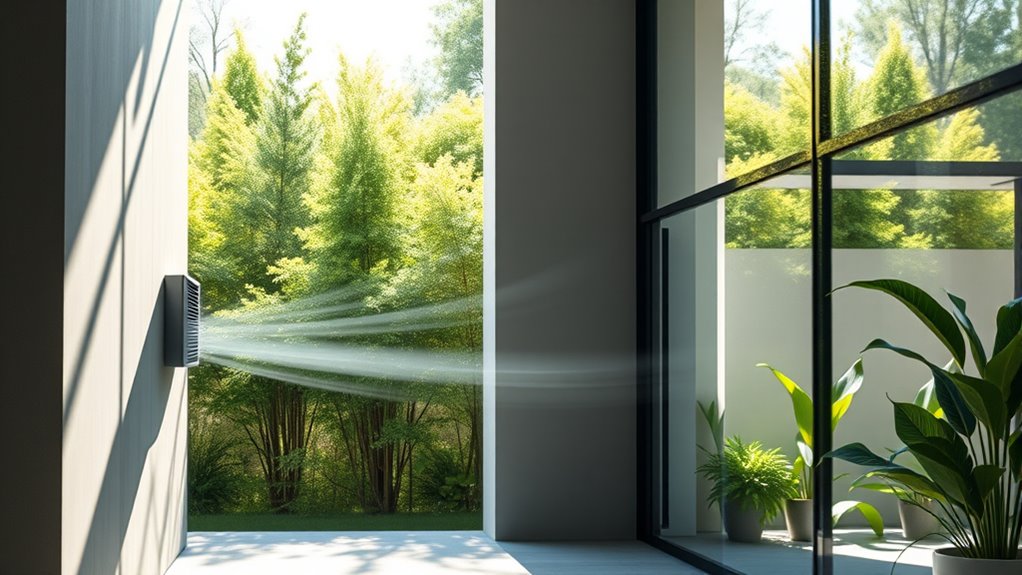
Why is fresh air intake so essential for your home? It’s vital for maintaining healthy indoor air circulation. Without it, stale air can accumulate, leading to poor air quality and potential health issues. Fresh air intake helps dilute indoor pollutants, ensuring you breathe cleaner air. Moreover, healthy indoor air quality is crucial for the well-being of seniors, who may be more susceptible to respiratory issues. Additionally, proper ventilation enhances energy efficiency. When you introduce fresh air, your heating and cooling systems work more effectively, preventing them from overexerting and consuming excess energy. This balance not only keeps your home comfortable but also helps reduce utility bills. Furthermore, adequate sleep quality can be adversely affected by poor indoor air conditions. Investing in a good fresh air intake system can make a significant difference, promoting a healthier living environment while optimizing energy use. This is especially important as energy management strategies can help you maintain a sustainable home. In addition, incorporating self-watering planters can improve indoor air quality by supporting healthy plant growth, which in turn filters the air. So, don’t overlook its importance in your home’s ventilation strategy. Furthermore, just like optimizing your truck bed’s potential, enhancing air circulation can lead to significant improvements in your living space.
As an affiliate, we earn on qualifying purchases.
How Fresh Air Intake Works
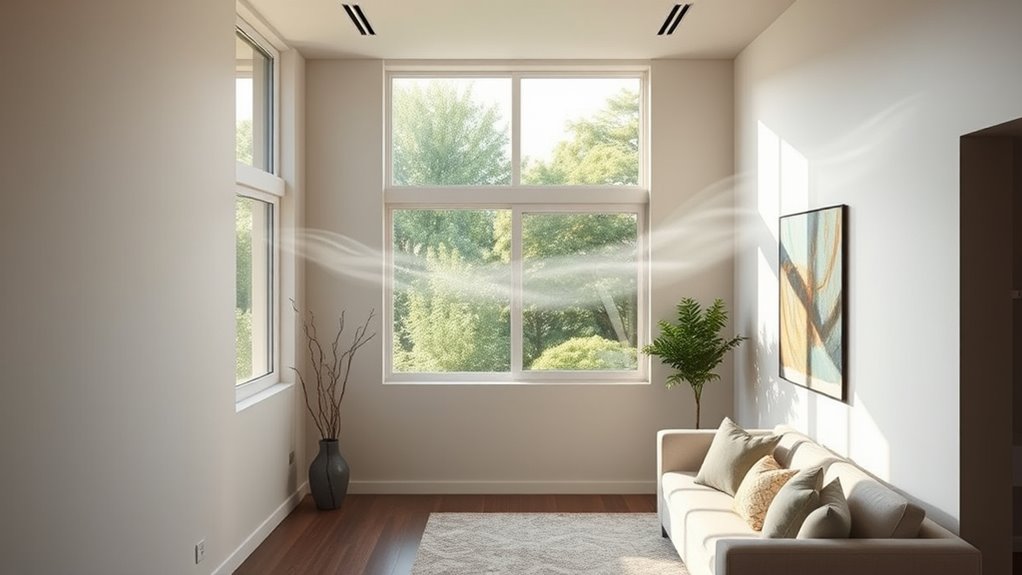
Fresh air intake is essential for maintaining a healthy indoor environment. It brings in clean air and helps remove stale air, ensuring your home feels fresh and comfortable. Understanding how the mechanisms of air intake work can help you optimize your ventilation system. Additionally, proper sizing and load planning is crucial for ensuring that your ventilation system operates efficiently and effectively. Implementing smart thermostats can further enhance your air quality by optimizing energy usage and ensuring proper airflow throughout your home. Furthermore, using air quality monitors can provide real-time data to help you make informed decisions about your indoor air environment. Including freshly squeezed juices in your diet can also improve your overall health by supplying essential nutrients.
Importance of Fresh Air
Air quality plays a crucial role in your home’s overall health, and proper fresh air intake guarantees you breathe easier. Ensuring adequate fresh air can enhance your indoor environment in several ways:
- Improved Health: Fresh air reduces allergens and pollutants, contributing to better respiratory health.
- Indoor Plant Benefits: Incorporating plants not only beautifies your space but also aids in natural air purification, absorbing toxins and releasing oxygen.
- Enhanced Comfort: Proper ventilation helps regulate humidity levels, making your home feel more comfortable and reducing the risk of mold growth. Additionally, understanding financial education can empower you to invest in home improvements that enhance air quality.
Mechanisms of Air Intake
Although you might not think about it often, the mechanisms behind air intake are essential for maintaining a healthy indoor environment. Fresh air intake systems facilitate air exchange by bringing outdoor air inside while expelling stale indoor air. These systems can include exhaust fans, supply vents, or whole-house ventilation systems that operate based on specific ventilation rates. By regulating airflow, these mechanisms ensure that you receive the right amount of fresh air, which helps dilute indoor pollutants and maintain comfort. Additionally, they help control humidity levels, preventing moisture-related issues. Understanding how these systems work empowers you to optimize your home’s air quality and energy efficiency, ultimately contributing to a healthier living space for you and your family. Moreover, just as in fashion where timeless style is key to self-expression, a well-ventilated home enhances your overall well-being and comfort. Regular maintenance of your ventilation systems is crucial for ensuring optimal performance, as neglected systems can lead to decreased air quality and increased energy costs. Ensuring proper airflow regulation in your home can significantly reduce the buildup of harmful indoor pollutants, further supporting your wellness goals. Additionally, proper ventilation can help enhance sound quality within the home, making it a more enjoyable space for activities like listening to music or recording. Implementing advanced smart-home integrations can further optimize your fresh air intake systems, making them more efficient and user-friendly.
As an affiliate, we earn on qualifying purchases.
Benefits of Proper Ventilation for Health

Proper ventilation plays a vital role in enhancing your indoor air quality. By ensuring fresh air circulation, you can markedly reduce allergens and pollutants in your home. When you prioritize ventilation, you create a healthier living environment for yourself and your family. Additionally, incorporating air purifiers into your ventilation system can further improve the air quality by removing harmful particles from the air. Furthermore, understanding the impact of economic uncertainties on health can motivate you to maintain a well-ventilated space.
Improved Indoor Air Quality
How can improved indoor air quality enhance your overall well-being? When you focus on ventilation, you’re not just keeping your home fresh; you’re promoting a healthier environment. Proper indoor air freshness can lead to several benefits:
- Enhanced Comfort: A well-ventilated space reduces stuffiness and creates a more inviting atmosphere.
- Odor Control: Regular airflow helps eliminate unpleasant smells, making your home more enjoyable.
- Increased Energy: Fresh air circulation can boost your mood and energy levels, helping you feel more productive.
Reduced Allergens and Pollutants
When you guarantee good ventilation in your home, you greatly reduce the presence of allergens and pollutants that can compromise your health. Proper ventilation helps to combat air pollution by continuously exchanging stale indoor air with fresh outdoor air. This process markedly lowers the concentration of dust, pet dander, and mold spores, which can trigger allergies and respiratory issues. Additionally, effective ventilation provides odor control, eliminating musty smells and cooking odors that can linger indoors. By investing in whole-home ventilation, you not only enhance your comfort but also protect your health. You’ll breathe easier, sleep better, and enjoy a cleaner living environment, allowing you to focus on what truly matters—your well-being and the well-being of your loved ones.
Enhancing Comfort Through Fresh Air

Fresh air plays a essential role in enhancing your home’s comfort, as it not only improves indoor air quality but also promotes a healthier living environment. By incorporating fresh air intake, you can enjoy several benefits that contribute to your overall comfort:
- Improved Air Quality: Fresh air dilutes indoor pollutants, reducing allergens and enhancing your well-being.
- Increased Energy Efficiency: A well-ventilated home helps maintain consistent temperatures, reducing the strain on your heating and cooling systems.
- Enhanced Comfort Levels: Proper ventilation keeps humidity in check, preventing stuffiness and creating a more pleasant atmosphere.
Different Types of Fresh Air Intake Systems
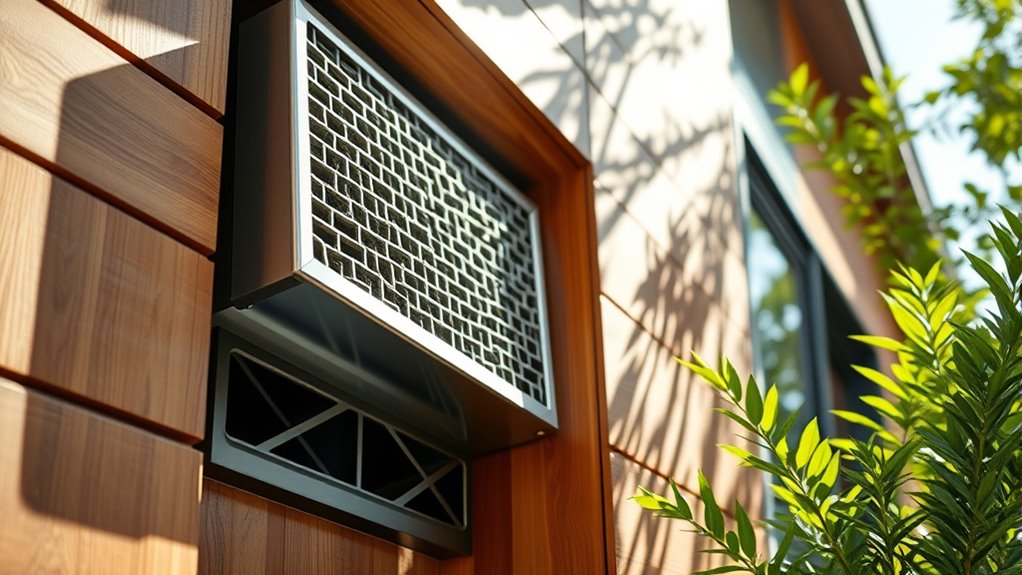
While choosing the right fresh air intake system for your home, it’s essential to understand the various options available. One common type is the energy recovery ventilator (ERV), which facilitates air exchange while transferring heat and moisture, enhancing comfort. Another option is the heat recovery ventilator (HRV), which works similarly but focuses primarily on heat transfer. You might also consider a dedicated outdoor air system (DOAS), which brings in fresh air independently of your HVAC. Each system typically comes with ventilation filters to guarantee clean air enters your space. Evaluating these types helps you find the best fit for your home’s needs, improving indoor air quality and overall comfort.
Best Practices for Achieving Optimal Ventilation

To achieve ideal ventilation in your home, it’s vital to regularly assess and adjust your system based on your specific needs. Here are three best practices to ensure optimal ventilation while maximizing energy efficiency and managing noise levels:
- Regular Maintenance: Clean and replace filters as needed to keep your ventilation system running smoothly and efficiently. This helps maintain good air quality and reduces energy consumption.
- Zoning Systems: Consider installing zoning systems to tailor airflow in different areas of your home. This enhances energy efficiency and provides comfort where it’s needed most.
- Soundproofing Measures: Use sound-absorbing materials around your ventilation ducts to minimize noise. This ensures a peaceful environment while still promoting effective air circulation.
Common Challenges and Solutions in Whole-Home Ventilation

Achieving effective whole-home ventilation can be challenging, especially when dealing with issues like inadequate air circulation, humidity control, and energy efficiency. One common problem you might face is airflow bottlenecks, which can occur due to poorly designed duct systems or obstructions. To tackle this, consider enhancing your duct layout and ensuring vents are unobstructed.
Another challenge is maintaining your ventilation system, as maintenance pitfalls can lead to reduced efficiency and increased energy costs. Regularly check filters, clean ducts, and schedule professional inspections to keep everything running smoothly. You’ll find that addressing these challenges not only improves air quality but also enhances your home’s overall comfort and efficiency. With the right strategies, you can achieve ideal whole-home ventilation.
Frequently Asked Questions
How Often Should I Clean My Fresh Air Intake System?
You should clean your fresh air intake system at least every three months as part of your maintenance schedule. Regular cleaning helps prevent dust and debris buildup, ensuring ideal airflow. Don’t forget to check and replace the filters during each cleaning session, as clogged filters can reduce efficiency and air quality. By sticking to this routine, you’ll keep your system running smoothly and maintain a healthier indoor environment.
Can Fresh Air Intake Reduce Indoor Allergens?
Yes, fresh air intake can help reduce indoor allergens. Imagine waking up each morning, sneezing and struggling to breathe due to airborne allergens. By improving your ventilation efficiency with a fresh air intake system, you can considerably lower the concentration of these irritants in your home. This allows cleaner air to circulate, making your living space more comfortable and healthier, so you can enjoy life without the constant hassle of allergies.
What Is the Ideal Humidity Level for Fresh Air Intake?
The ideal humidity level for fresh air intake is between 30% and 50%. Maintaining these moisture levels helps you control indoor air quality and comfort. If humidity rises above 50%, it can promote mold and allergens, while levels below 30% can lead to dryness and discomfort. You should regularly check and adjust your home’s humidity control systems to make certain a balanced environment that supports your health and well-being.
Do I Need a Professional for Fresh Air Intake Installation?
You don’t necessarily need a professional for fresh air intake installation, especially if you’re comfortable with DIY projects. However, consider the cost of tools and materials before diving in. If you’re unsure about local building codes or specific requirements, hiring a professional might save you time and potential headaches. Weigh your skills against the complexity of the installation to decide what’s best for you and your budget.
How Does Outdoor Air Quality Affect Fresh Air Intake?
Outdoor air quality crucially affects fresh air intake. If there’s high outdoor pollution, it can lead to poor indoor air quality despite your ventilation system. That’s where air filtration comes in; it helps filter out harmful particles before they enter your home. You need to take into account the outdoor environment when planning your fresh air intake, ensuring your filtration system is up to the task to maintain a healthy living space.
Conclusion
Incorporating fresh air intake into your whole-home ventilation system isn’t just a luxury; it’s essential for your health and comfort. You might think it’s too complicated or costly, but the long-term benefits—like improved air quality and energy efficiency—far outweigh the initial investment. By ensuring proper ventilation, you create a healthier living environment for you and your family. Don’t wait for stale air to affect your well-being; take action now to breathe easier and live better.
Fall Picks
fall essentials
As an affiliate, we earn on qualifying purchases.