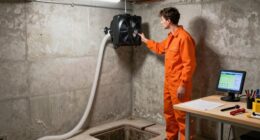
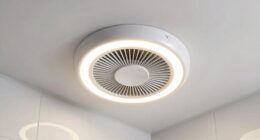
To keep garage and workshop fumes out of your house, focus on proper ventilation and sealing. Use exhaust fans, open windows, and install air purifiers to enhance airflow and remove harmful pollutants. Make sure to seal gaps with quality weather stripping and caulk. Opt for low-VOC paints and adhesives to reduce toxic emissions. Regular maintenance is essential for your systems. With these strategies, you can effectively protect your indoor air quality while maximizing safety. Discover more tips to enhance your workspace.
Key Takeaways
- Install exhaust fans and ensure proper ventilation to disperse harmful fumes effectively from your garage or workshop.
- Use high-quality sealants around doors and windows to prevent fume infiltration into your living spaces.
- Maintain barriers like solid doors between the garage and home to limit fume transfer.
- Utilize air purifiers with activated carbon filters to reduce indoor air pollution from VOCs and chemical fumes.
- Regularly inspect and clean ventilation systems to ensure optimal airflow and effective fume removal.
Understanding Garage and Workshop Fumes

When you work in your garage or workshop, it’s crucial to understand the fumes that can accumulate from various tools and materials. These fumes often contain harmful chemical hazards that pose risks to your health. Solvents, paints, and adhesives release volatile organic compounds (VOCs), which can lead to headaches, nausea, or more severe respiratory issues. To tackle these issues, it’s essential to implement effective odor control strategies. Use air purifiers, activated carbon filters, or natural deodorizers to minimize unpleasant smells and reduce airborne toxins. In addition, maintaining proper filtration systems can enhance air quality and further protect your health. Implementing smart appliances designed for air purification can significantly improve the air in your workspace. It’s also important to create an environment that promotes long-term well-being while working on your projects. Make sure to store chemicals properly and keep your workspace organized. By being proactive about understanding and managing garage and workshop fumes, you can create a safer, more enjoyable environment for your projects. Additionally, ensuring proper ventilation in your workspace can greatly decrease the concentration of harmful fumes. Regularly checking and maintaining your ventilation systems can help ensure that fresh air circulates effectively throughout your space.
Importance of Ventilation
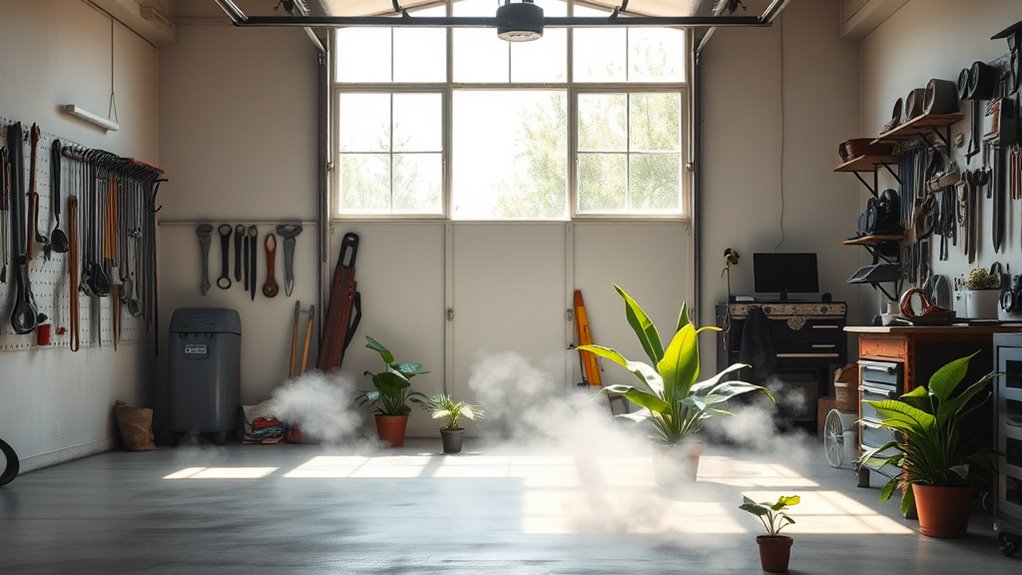
Proper ventilation is essential in your garage or workshop, as it helps disperse harmful fumes and maintain a safe working environment. Without adequate air circulation, toxic gases can accumulate, putting your health at risk. By ensuring proper air flow, you promote effective fume exhaust, reducing the likelihood of inhaling dangerous substances. Install exhaust fans, open windows, or use air purifiers to enhance air movement. Regularly check your ventilation system to make sure it’s functioning efficiently. Additionally, using smart air purifiers can help monitor and improve air quality in real-time, providing an extra layer of safety. Incorporating essential oils known for their antimicrobial properties can also help support respiratory health in the workspace. Remember, stagnant air can lead to serious issues, from headaches to long-term respiratory problems. Prioritizing ventilation not only makes your workspace safer but also enhances your overall productivity. Keep your garage or workshop fresh and free of harmful fumes with effective ventilation strategies. Additionally, proper ventilation can help mitigate exposure to toxic gases which can have severe health impacts over time. Furthermore, implementing a standby generator system can provide backup power for ventilation equipment during outages, ensuring continuous air circulation. Incorporating air circulation systems can further enhance the efficiency of your ventilation setup, promoting a healthier atmosphere.
Sealing Off Your Workspace
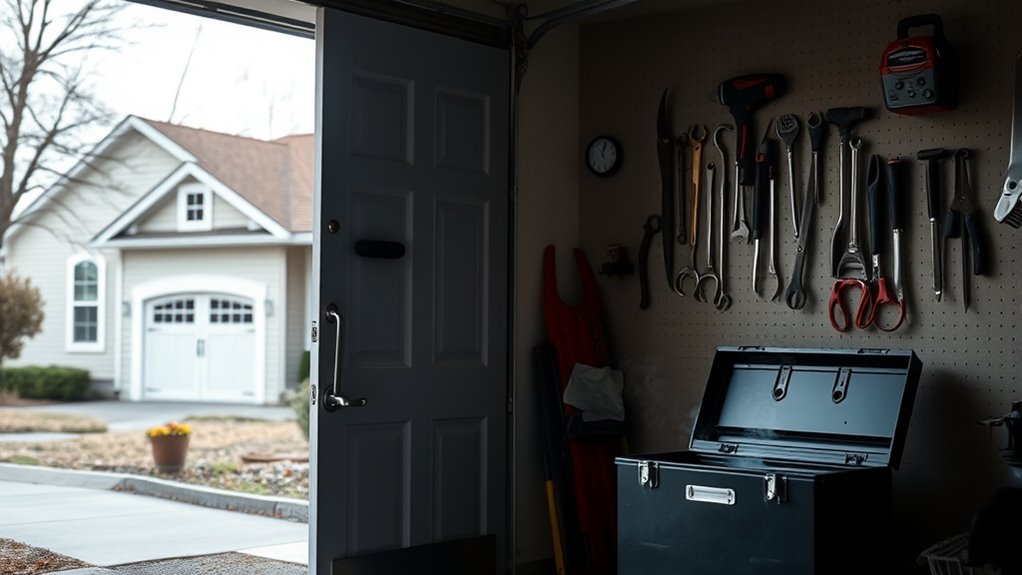
To create a safe workspace, you need to choose the right sealing materials that minimize fumes. Additionally, advancements in nanotechnology applications can provide innovative solutions for enhancing air quality. Incorporating energy-efficient cloud servers can also offer remote monitoring capabilities to ensure air quality is maintained. Moreover, using proper dust collection systems can help capture harmful particles and improve the overall safety of your environment. Installing proper ventilation systems is essential to guarantee air circulation, as effective ventilation plays a critical role in reducing indoor air pollutants. Together, these steps help protect you from harmful garage and workshop fumes. Additionally, ensuring proper air circulation can significantly reduce the concentration of harmful substances in your workspace.
Choose Appropriate Sealing Materials
Choosing the right sealing materials is essential for effectively isolating your workspace from harmful fumes. Start by evaluating the surfaces you’ll be sealing to ensure sealant compatibility. Not all materials work well together, so check manufacturer guidelines before purchasing. For best results, consider using high-quality silicone or polyurethane sealants, as they offer excellent adhesion and flexibility. When applying these sealants, use effective sealing techniques like caulking or weatherstripping to close off gaps around doors, windows, and vents. Pay attention to corners and seams, as these are often overlooked areas where fumes can seep in. By choosing appropriate sealing materials and techniques, you’ll create a safer environment for your projects and protect your living space from unwanted odors.
Install Proper Ventilation Systems
While sealing off your workspace is essential, installing proper ventilation systems is equally important for maintaining air quality. You need to make certain that harmful fumes from your garage or workshop don’t seep into your home. Start by integrating fume detection systems to alert you to any dangerous levels of fumes. These systems can help you take immediate action before exposure occurs. Additionally, incorporate airflow monitoring to keep track of air exchange rates. This way, you can adjust your ventilation as needed, ensuring fresh air circulates throughout the space. By prioritizing these systems, you’ll create a safer environment that minimizes harmful exposure while you work. Remember, good ventilation is key to a healthy workspace. Furthermore, consider utilizing smart energy management techniques to optimize your ventilation system’s efficiency and reduce energy consumption. Incorporating smart home integrations can enhance your ability to monitor and control ventilation remotely. It’s also advisable to consult trusted businesses and services that specialize in ventilation solutions to ensure you’re selecting the best options for your needs. It’s also worth noting that maintaining a safe workspace is akin to the importance of using proper pilot gear, as both contribute to overall well-being and safety. Always be aware that manipulative behaviors can occur in various environments, and maintaining a safe workspace is part of protecting yourself from potential psychological harm.
Using Air Purifiers

When it comes to improving air quality in your garage or workshop, using an air purifier can make a big difference. You’ll want to think about the types of air purifiers available and how to place them for maximum effectiveness. Choosing the right model and location helps guarantee you breathe easier while you work. Additionally, selecting an air purifier that targets urban pollutants can significantly enhance your indoor air quality and protect your health. Investing in a purifier can also help reduce harmful fumes that may be present in your workspace. To ensure optimal performance, look for models that utilize advanced filtration systems, which can effectively capture a wide range of airborne contaminants.
Types of Air Purifiers
Air purifiers come in various types, each designed to tackle specific pollutants in your garage or workshop. HEPA filters are excellent for capturing dust, pollen, and other particulates, while activated carbon filters effectively reduce odors and volatile organic compounds (VOCs). If you’re dealing with fumes from paints or solvents, consider a purifier with a specialized chemical filter. UV air purifiers can also help eliminate bacteria and viruses. Remember that proper air purifier maintenance is essential; regularly check and replace filters as needed to guarantee maximum performance. Neglecting filter replacement can reduce efficiency and allow harmful particles to circulate. Choose the right type based on your specific needs to keep your workspace safe and breathable.
Placement for Maximum Effectiveness
To maximize the effectiveness of your air purifier, you should strategically place it in your garage or workshop. Consider airflow optimization by positioning the purifier away from walls and obstructions, allowing for better air circulation. Use workspace zoning to create designated areas for different activities like painting or woodworking, ensuring the air purifier is near the highest pollution source.
Here’s a quick reference table to help:
| Placement Strategy | Benefits | Considerations |
|---|---|---|
| Near pollution source | Targets fumes directly | Ensure it’s not blocked |
| Center of workspace | Optimizes overall air quality | May require multiple units |
| Elevated position | Enhances airflow | Stability required |
| Away from doors/windows | Reduces outdoor contamination | Check for stagnant air zones |
Choosing Low-VOC Products
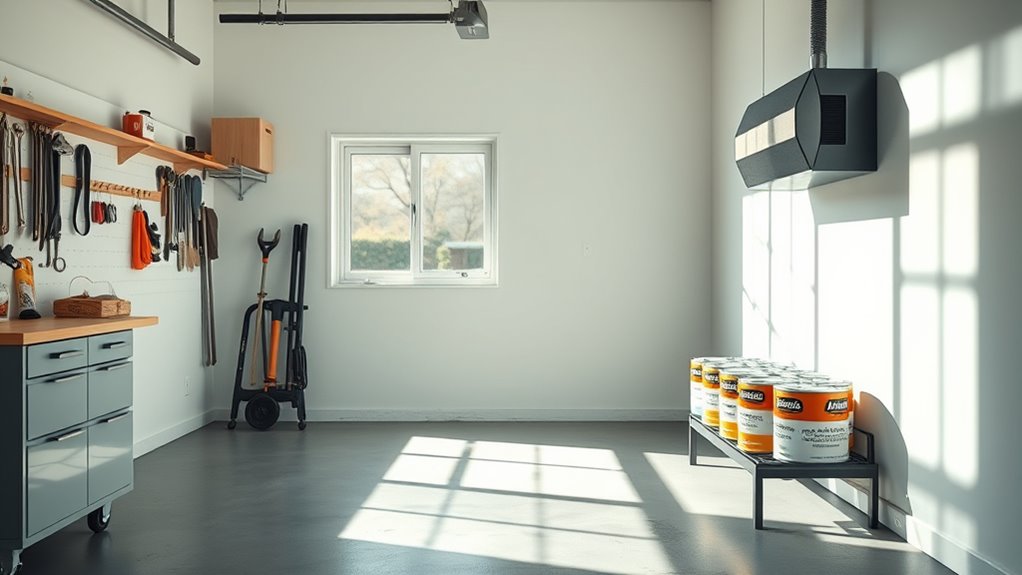
Choosing low-VOC products is essential for maintaining a healthier garage and workshop environment, especially since these substances can considerably impact indoor air quality. By opting for paints, adhesives, and finishes labeled as low-VOC, you can substantially reduce harmful paint fumes and chemical odors that can seep into your home. When you’re shopping, look for products that explicitly state their VOC content; the lower, the better. Additionally, consider using natural alternatives whenever possible, like water-based paints and organic solvents. These choices not only protect your health but also contribute to a more pleasant workspace. Remember, every step you take towards selecting low-VOC products helps keep your indoor air fresh and reduces the risk of long-term health issues.
Regular Maintenance and Cleaning
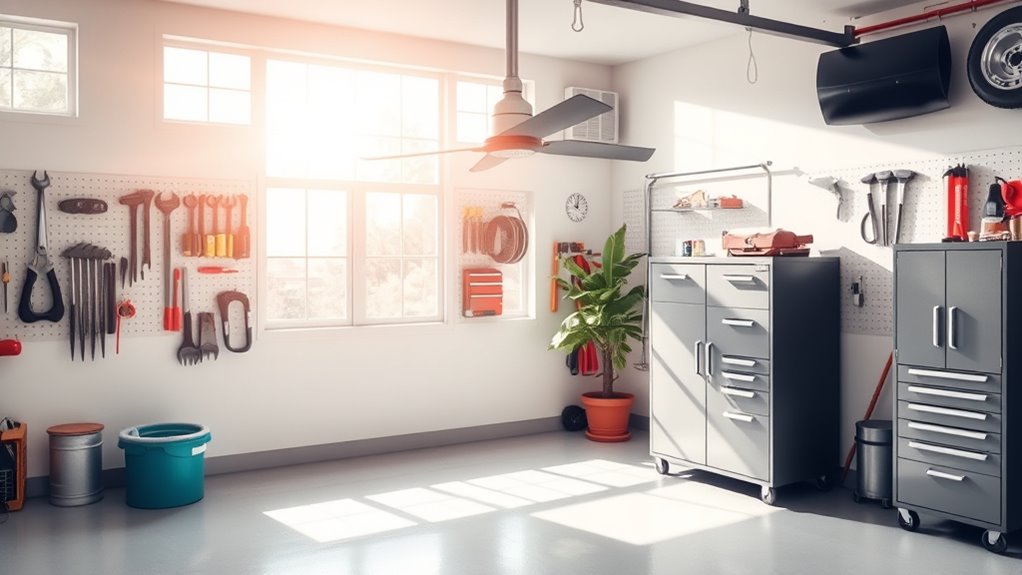
While you might focus on selecting low-VOC products, regular maintenance and cleaning are just as crucial for keeping your garage and workshop safe from harmful fumes. By prioritizing these tasks, you can enhance your space’s air quality and reduce toxic exposure.
- Inspect ventilation systems regularly to guarantee proper airflow.
- Clean surfaces and tools to prevent fume buildup.
- Use sealing techniques to close any gaps or cracks, minimizing fume infiltration.
- Dispose of hazardous materials responsibly to keep fumes at bay.
Creating a Barrier Between Spaces

Creating a barrier between spaces is essential for reducing the spread of fumes in your garage and workshop. Start by sealing gaps around doors and windows with weather stripping or caulk. You can also install a solid door to separate the garage from your home, which helps limit fumes and odors. Consider using air curtains or exhaust fans that enhance fume detection, ensuring that harmful vapors are expelled efficiently. If you still notice unpleasant smells, odor masking products can help, but they shouldn’t replace proper ventilation. Regularly check your barriers for any wear and tear, and maintain them to keep your home safe. By creating effective barriers, you’ll considerably improve your indoor air quality.
Frequently Asked Questions
What Types of Fumes Are Common in Garages and Workshops?
You’ll encounter several types of fumes in garages and workshops. Common pollutants include exhaust fumes from vehicles, volatile organic compounds (VOCs) from paints and solvents, and dust particles from sanding or cutting materials. These substances can pose health risks if not managed properly. Always make certain your workspace is well-ventilated to minimize exposure, and consider using air filters or masks when working with materials that emit harmful fumes. Stay safe while you’re working!
How Can I Tell if My Garage Is Properly Ventilated?
How do you know if your garage is breathing easy? Start with a ventilation assessment. Check for stale air or lingering odors; if you notice them, it’s a sign your space might need airflow improvement. Open windows and doors, and observe if fresh air flows freely. If you still smell fumes, consider adding vents or fans. Your garage deserves to stay fresh and safe, just like the projects you love to create!
Are There Specific Air Purifiers for Workshop Fumes?
Yes, there are specific air purifiers designed for workshop fumes. Look for air purifier features like HEPA filters that capture fine particles and activated carbon filters that absorb odors and chemicals. Portable air cleaners are great because you can easily move them around your workspace as needed. Make sure to choose a model with a high Clean Air Delivery Rate (CADR) to effectively handle the pollutants typically found in workshop environments.
Can Indoor Plants Help Reduce Garage Fumes?
Yes, indoor plants can help reduce garage fumes. They act as natural air purifiers, absorbing pollutants and releasing oxygen. By incorporating indoor greenery, you can improve your air quality markedly. Certain plants, like spider plants and peace lilies, are particularly effective at filtering harmful substances. Just remember to place them strategically around your space, ensuring they receive enough light. Keep an eye on their health, and you’ll enjoy fresher air indoors!
How Often Should I Replace Air Filters in My Garage?
Ever wonder how often you should replace your air filters? You should change them every 1 to 3 months for ideal air filter maintenance. Keeping a replacement schedule helps maintain air quality and efficiency in your garage. If you’re using filters in a dusty environment or have pets, consider replacing them more frequently. By staying on top of this, you’ll ensure cleaner air and a healthier space for your projects.
Conclusion
By following these steps, you can turn your garage and workshop into a safe haven instead of a toxic nightmare. Prioritize ventilation, seal off your workspace, and choose low-VOC products to keep harmful fumes at bay. Investing in air purifiers and maintaining a clean environment will make a world of difference. Don’t let fumes invade your home; take action today and breathe easy, knowing you’ve created a healthier space for you and your family!