
If your classroom or home office has high CO₂ levels, it indicates poor ventilation and stale air, which can reduce focus and cause health issues over time. Levels below 800 ppm are ideal, while above 1000 ppm suggests you need to air out the space. Regularly monitor your CO₂ and take action—like opening windows or turning on fans—to improve airflow. To optimize your indoor environment, it’s helpful to understand what these levels really mean and how to respond.
Key Takeaways
- CO₂ levels above 1000 ppm indicate poor ventilation and may impair concentration and comfort.
- Regularly monitor CO₂ to determine when to ventilate and improve indoor air quality.
- Elevated CO₂ suggests stale air; opening windows or increasing airflow helps reduce levels.
- Persistent high readings signal the need for improved ventilation strategies in classrooms and home offices.
- Use CO₂ data as a proxy to maintain a healthy, alert, and comfortable indoor environment.
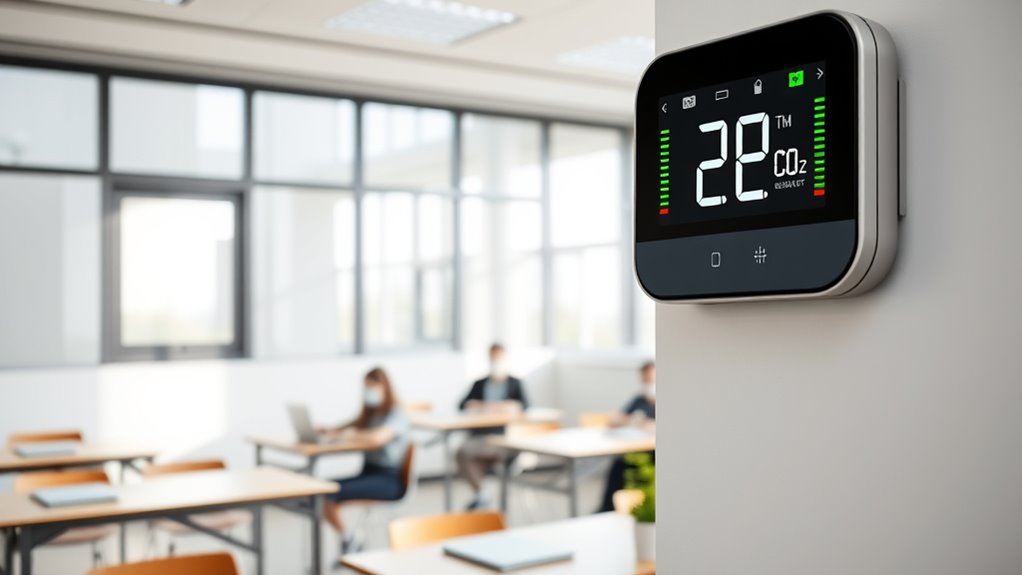
Have you ever wondered what the levels of carbon dioxide (CO₂) in the air really tell us about our environment? When you’re inside a classroom or home office, monitoring CO₂ levels can give you valuable insights into air quality and how comfortable or healthy your space really is. Elevated CO₂ concentrations often indicate poor ventilation, which can lead to stuffiness, reduced concentration, and even health issues over time. By understanding what these levels mean, you can take steps to improve your environment and ensure it remains a safe, productive place.
Monitoring indoor CO₂ levels reveals air quality and helps maintain a healthy, comfortable environment.
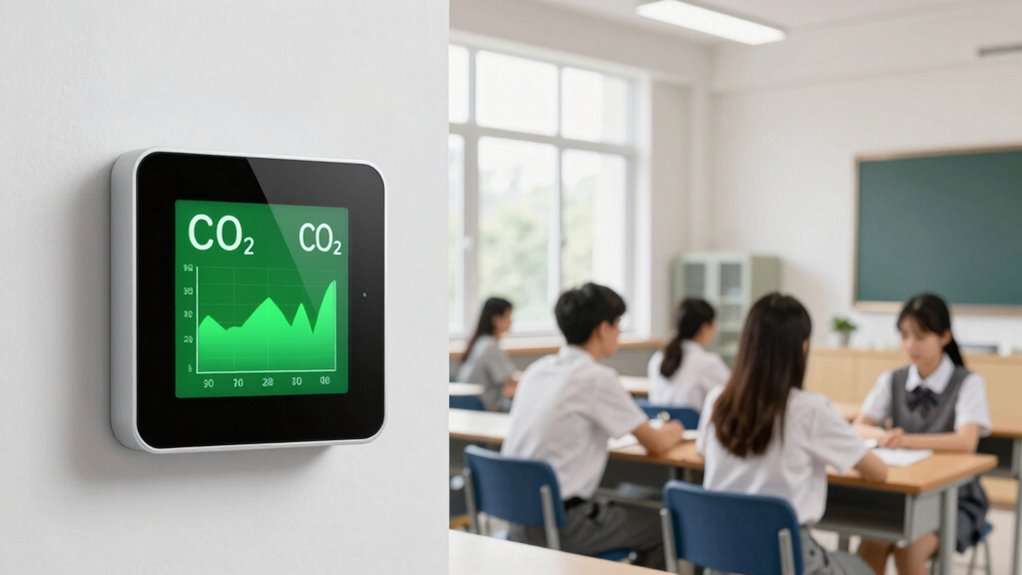
In indoor settings, CO₂ levels fluctuate depending on how many people are present, how often windows or doors are opened, and the efficiency of your ventilation system. When you’re alone or with just a few people, CO₂ levels tend to stay low, typically under 800 parts per million (ppm). But as more individuals gather or stay in the room for extended periods, CO₂ can climb above 1000 ppm. This increase signals that the air is becoming stale, which can cause drowsiness, difficulty concentrating, and headaches. If you notice these symptoms, it might be time to air out the space or improve ventilation.
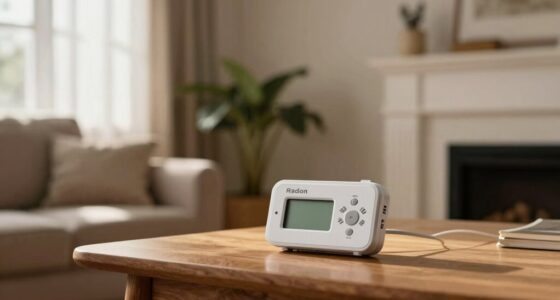
You can use simple CO₂ sensors to keep tabs on the air quality in your environment. These devices are easy to operate and provide real-time readings, helping you understand how your space’s air quality varies throughout the day. When CO₂ levels rise, it’s a clear sign that fresh air is needed. Opening windows and doors or turning on fans can substantially reduce CO₂ concentrations, bringing the air back to healthier levels. In classrooms or home offices, establishing a routine of ventilating the space periodically can prevent the buildup of CO₂ and maintain a more alert, comfortable environment.
Interpreting CO₂ data also involves recognizing its limitations. While high levels point to poor ventilation, they don’t directly measure other pollutants like volatile organic compounds or particulate matter. Still, CO₂ is a reliable proxy for overall ventilation quality. If your readings are consistently high, it indicates that your space may need better airflow management. Incorporating air purifiers or improving HVAC systems can also help, especially in larger or poorly ventilated areas. Indoor air quality plays a crucial role in overall health and productivity, making monitoring even more important.
Ultimately, understanding and monitoring CO₂ levels empower you to create healthier indoor environments. By paying attention to these readings, you can make informed decisions about when to air out your space, adjust ventilation, or even rethink room usage. In doing so, you’ll not only improve air quality but also boost focus, comfort, and well-being in your classroom or home office.
Frequently Asked Questions
How Often Should I Calibrate My Co₂ Monitor?
You should calibrate your CO₂ monitor at least once every six months to guarantee accuracy. If you use it frequently or in varying environments, consider calibrating every three months. Always follow the manufacturer’s instructions for calibration, and use a known CO₂ standard for best results. Regular calibration helps you trust the readings and maintain a healthy indoor environment.
What Co₂ Level Indicates Poor Air Quality?
You should consider the air quality poor if CO₂ levels exceed 1,000 ppm. When levels reach around 1,000 to 2,000 ppm, you might notice stuffiness, drowsiness, or reduced concentration. Levels above 2,000 ppm indicate very poor air quality, likely causing discomfort and health issues. To maintain good air quality, aim to keep CO₂ levels below 1,000 ppm, especially in enclosed spaces like classrooms and offices.
Can High Co₂ Levels Cause Long-Term Health Issues?
High CO₂ levels are like a slow, unseen fog that settles in your lungs over time, potentially causing long-term health issues. Breathing this contaminated air regularly can lead to headaches, fatigue, and even impair your cognitive function. While short-term effects are noticeable, sustained exposure may contribute to respiratory problems or other health concerns down the line. Protect yourself by ensuring proper ventilation and monitoring indoor air quality.
Are There Specific Co₂ Thresholds for Children or Elderly?
Yes, there are specific CO₂ thresholds for children and the elderly. For kids, indoor CO₂ levels above 1,000 ppm may affect concentration and comfort, while for the elderly, levels above 800-1,000 ppm can cause discomfort or health issues. You should aim to maintain CO₂ below these thresholds to ensure safety and well-being. Proper ventilation is essential, especially in environments with vulnerable populations, to sustain healthy air quality.
How Does Outdoor Pollution Affect Indoor Co₂ Readings?
Think of outdoor pollution as a gust of wind bringing in smog that mixes with your indoor air. When pollution levels rise outside, your indoor CO₂ readings can spike, even if you’re ventilating well. Like a sponge soaking up water, indoor spaces absorb these contaminants, making it harder to tell if high CO₂ levels come from occupancy or outside air. So, outdoor pollution directly influences your indoor air quality.
Conclusion
As you monitor CO₂ levels, remember they symbolize more than just air quality—they reflect the breath of life around you. Just as each inhale brings renewal, maintaining proper ventilation renews your space’s energy and clarity. When CO₂ rises, it’s a silent call to open windows and reconnect with fresh air. In this way, your awareness becomes a guardian of both your environment and your well-being, turning simple air quality into a symbol of vigor and balance.