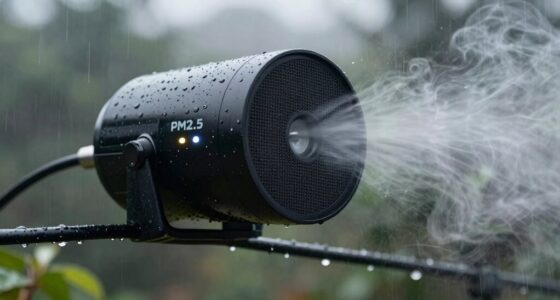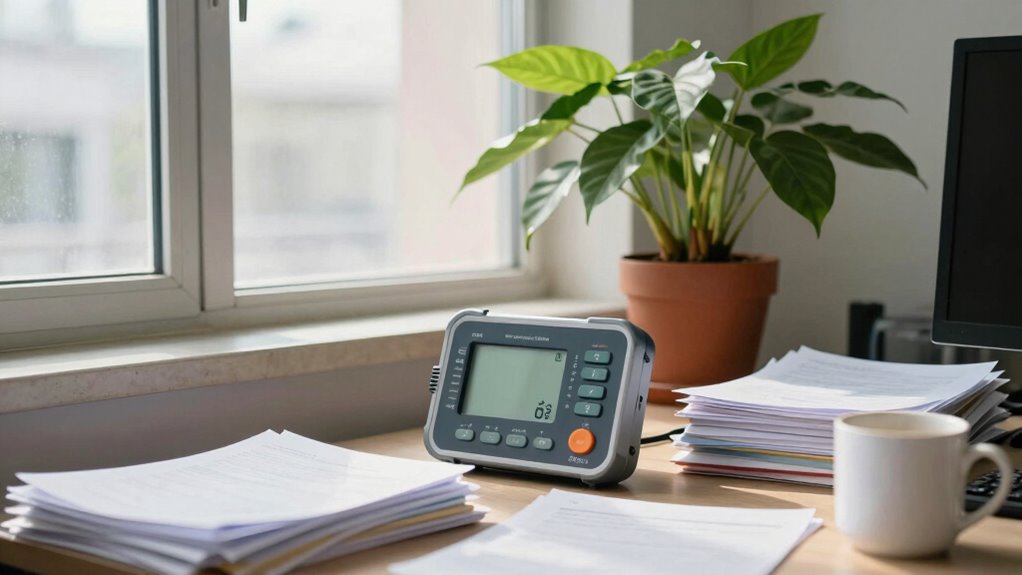

When placing your CO₂ monitor, avoid putting it near windows and doors. These areas can introduce drafts and external air, leading to inaccurate readings. Air leaks from these spots can cause fluctuations in temperature and disrupt your data. It’s best to position monitors in stable environments to guarantee accurate tracking of indoor air quality. Staying aware of these factors will help you maintain a healthier space, and there are more tips to optimize your monitoring setup.
Key Takeaways
- Avoid placing CO₂ monitors near windows and doors to prevent inaccuracies from air leaks and drafts.
- External airflow can distort temperature readings, leading to false CO₂ levels if monitors are incorrectly positioned.
- Drafts can cause uneven distribution of CO₂, making areas near openings unreliable for accurate monitoring.
- Placing monitors in stable environments away from obstructions ensures more precise air quality data.
- Height matters; avoid placing monitors too high or in corners, where readings may not reflect actual occupant exposure.
Understanding CO₂ Monitoring

How do you guarantee that indoor air quality meets health standards? Understanding CO₂ monitoring is essential for maintaining a healthy environment. You’ll want to ensure proper sensor calibration to get accurate readings. A well-calibrated sensor can detect CO₂ levels effectively, providing you with reliable data. Additionally, maintaining water chemistry in pools can also play a role in overall indoor air quality. Once you have that data, focus on interpretation. Look for trends and spikes that could indicate poor ventilation or overcrowding. This information helps you make informed decisions about air quality management. Regular maintenance of your monitoring equipment will also enhance accuracy, preventing false readings. By prioritizing these practices, you’ll create a safer indoor space and protect the health of everyone inside. Remember, effective CO₂ monitoring is key to guaranteeing ideal indoor air quality. Additionally, consider using practical steps to improve indoor air quality, which can complement your monitoring efforts. Incorporating color accuracy in various devices can also enhance overall environmental comfort. Understanding the role of air purifiers can further assist in minimizing harmful airborne pollutants in your home. Moreover, utilizing smart home technology can help automate air quality management, ensuring a continuously monitored environment.
The Importance of Accurate Readings

Accurate readings from your CO₂ monitor are essential for evaluating indoor air quality effectively. When your monitor provides precise data, it helps you make informed decisions to maintain a healthy environment. Regular sensor calibration guarantees that your device remains reliable and effective over time. Additionally, understanding your imaging scale can enhance your overall assessment of air quality by providing a clearer view of fluctuations. Furthermore, selecting the right equipment can significantly impact the overall performance and reliability of your monitoring setup. User privacy is also crucial when using connected devices, as it ensures that your data remains secure and protected. Moreover, utilizing energy-efficient cloud solutions can help in managing and analyzing your air quality data more effectively. Engaging with astrological compatibility can also influence your confidence as you create a space that reflects your personal style.
| Factor | Importance |
|---|---|
| Sensor Calibration | Ensures accuracy of readings |
| Monitor Durability | Long-lasting performance |
| Data Interpretation | Guides appropriate actions |
With durable monitors, you can trust that your readings will be consistent, allowing you to detect fluctuations in CO₂ levels. Neglecting calibration or using inferior devices could lead to misleading information, ultimately compromising your indoor air quality. Stay proactive for a healthier space!
Why Windows and Doors Are Problematic

Windows and doors can create significant air leakage issues that affect your CO₂ monitor’s accuracy. When outside air enters, it can lead to inconsistent temperature readings, skewing your data. It’s essential to take these factors into account when deciding where to place your monitor. Additionally, improper placement can lead to increased infection risks due to the potential for heightened exposure to various environmental factors. Furthermore, ensuring a well-ventilated space can help mitigate these issues, as proper outdoor kitchen designs often prioritize airflow and temperature regulation. Moreover, the importance of sound quality in indoor environments can also influence the overall effectiveness of monitoring systems, as external noise can mask critical data. To enhance accuracy, consider the impact of mindfulness practices on overall environmental awareness, as they can help you make more informed decisions about your monitor’s placement. Additionally, understanding the concept of Leave No Trace principles can guide you in creating a sustainable environment that supports accurate monitoring.
Air Leakage Issues
Have you ever noticed how drafts can sneak in through your home’s windows and doors? Those pesky window drafts and door gaps can lead to significant air leakage, making it tough to maintain an even indoor environment. When outside air seeps in, it not only affects your comfort but also skews the readings on your CO₂ monitor. If your monitor is placed near these leak-prone areas, it might pick up false highs or lows, misrepresenting your actual air quality. Sealing those gaps properly can help mitigate unwanted airflow and improve your monitoring accuracy. Additionally, incorporating natural filtration systems in your home can enhance overall air quality. By addressing these air leakage issues, you’ll create a more stable environment for your CO₂ measurements, ensuring you get the most reliable data possible. Furthermore, ensuring proper sizing and load-planning for your home can help you maintain an optimal indoor climate. Regular maintenance of your air purifier can also enhance air quality, making it easier to monitor CO₂ levels accurately. Furthermore, understanding MERV ratings can help you choose the right filters for your air purification system, improving overall air quality. This is essential because effective air management can significantly influence your indoor air quality and overall comfort.
Inconsistent Temperature Readings
Drafts not only impact air quality readings but also lead to inconsistent temperature levels indoors. When you place your CO₂ monitor near windows and doors, the sensor placement can skew the data. Cold drafts or warm air from outside can create a false sense of the room’s actual temperature. This inconsistency affects how well your heating or cooling systems function, disrupting proper air circulation. If your monitor reads lower or higher than it should, you might end up over- or under-conditioning your space, wasting energy and money. To get accurate readings, select an interior location away from these problematic areas. This ensures your CO₂ monitor provides reliable data, helping maintain a comfortable indoor environment. Additionally, understanding temperature control is crucial for optimizing your indoor climate and energy efficiency.
Effects of Drafts on CO₂ Levels
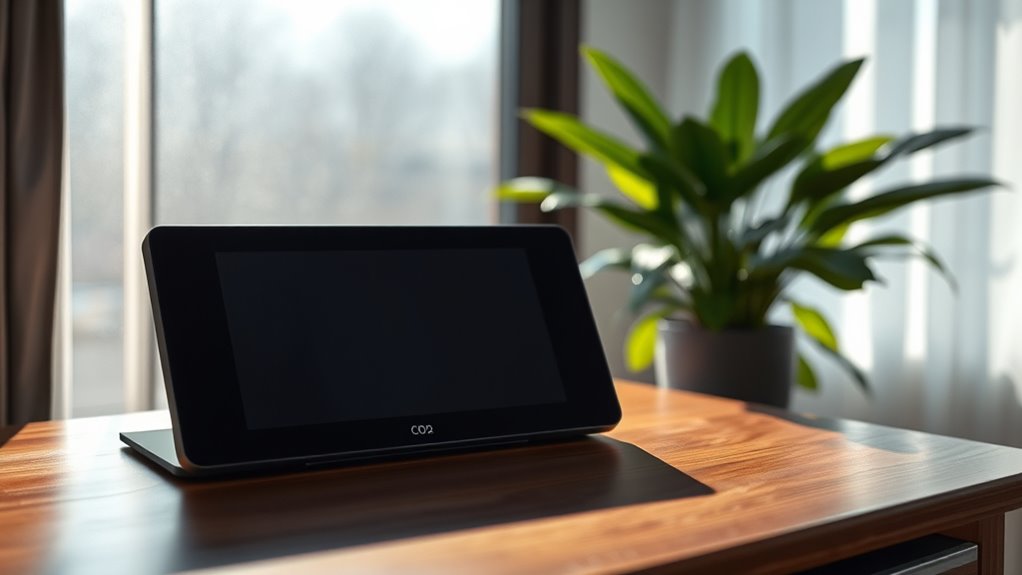
Drafts can critically affect your CO₂ levels by altering airflow in a room. When outside air mixes with indoor air, it creates temperature fluctuations that can skew your monitor’s readings. Understanding these dynamics is essential for accurate CO₂ measurement and maintaining a healthy environment. Furthermore, utilizing techniques like aquatic exercises can help improve overall health, potentially reducing the need for excessive indoor air conditioning. Incorporating smart appliances can also enhance air quality by optimizing ventilation and minimizing drafts.
Impact of Airflow
While you may not notice it at first, airflow plays a essential role in influencing CO₂ levels within a space. Airflow patterns, driven by vent placement, can create areas where CO₂ accumulates or disperses. For instance, a poorly placed monitor might read inflated levels due to drafts, leading to inaccurate assessments.
Here’s a table to illustrate this:
| Vent Placement | Airflow Pattern | CO₂ Impact |
|---|---|---|
| Near a window | High draft | Lower CO₂ levels |
| Center room | Circulating air | Balanced CO₂ levels |
| Close to vent | Direct airflow | Elevated CO₂ levels |
Understanding these dynamics is crucial. By considering airflow, you can better position your CO₂ monitor for accurate readings.
Temperature Fluctuations Effects
When temperatures fluctuate within a space, it can considerably affect CO₂ levels, especially in the presence of drafts. These drafts create temperature gradients that disrupt the even distribution of air, leading to thermal stratification. You might notice that CO₂ levels are higher near the floor or ceiling, depending on how air circulates. When cold air enters through a draft, it can push warmer air up, causing a buildup of CO₂ at different heights. This uneven distribution makes it vital to monitor CO₂ levels strategically, avoiding spots where drafts are common. By placing your CO₂ monitor in a stable environment, you’ll get a more accurate reading and guarantee better air quality for everyone in the space.
The Impact of Outdoor Air Quality

Outdoor air quality plays a essential role in determining the overall effectiveness of your indoor CO₂ monitoring efforts. If outdoor pollutants are high, they can substantially affect the air circulation inside your space. This means that when you open windows or doors, you’re letting in not just fresh air, but also harmful contaminants.
These pollutants can infiltrate and elevate indoor CO₂ levels, making it imperative to monitor both indoor and outdoor conditions. If your outdoor air is compromised, your CO₂ monitor may show misleading readings. To guarantee accurate data, you’ll want to take into account outdoor air quality when interpreting your CO₂ levels. By understanding this relationship, you can better manage your indoor environment and improve overall air quality.
Ideal Locations for CO₂ Monitors

Where should you place your CO₂ monitors for the best results? Start by considering areas with high occupancy and limited airflow, like conference rooms or classrooms. These spots help you effectively monitor indoor air quality and inform your ventilation strategies. Avoid placing monitors near windows or doors, as drafts can skew readings. Instead, position them away from obstructions, like furniture, to ensure accurate sensor calibration. You’ll want to keep the monitors about three to five feet above the ground to capture a representative sample of the air. By strategically placing your CO₂ monitors, you can maintain excellent air quality and ensure a healthier environment for everyone in the space.
Height Considerations for Placement

To guarantee accurate CO₂ readings, it’s crucial to take into account the height at which you place your monitors. Avoid ceiling placement or high corners, as these locations can lead to misleading readings. CO₂ tends to accumulate around breathing zones, typically between 3 to 6 feet above the floor. If you mount your monitor too high, it won’t effectively capture the air quality that people experience daily. Instead, aim for a wall-mounted position at eye level, or on a stable surface within that ideal range. This way, you’ll ensure your CO₂ monitor provides reliable data, helping you maintain a safe and healthy environment. Remember, proper height placement can make all the difference in monitoring indoor air quality effectively.
Avoiding Obstructions and Interference

Even with the right height, your CO₂ monitor’s effectiveness can be compromised by obstructions and interference. For ideal performance, prioritize obstruction avoidance by placing the monitor away from furniture, curtains, or any large objects that could block air circulation. These barriers can lead to inaccurate readings and hinder your ability to assess air quality effectively.
In addition, consider interference prevention by keeping the monitor away from electronic devices that emit heat or electromagnetic fields, such as microwaves or computers. These devices can disrupt the sensor’s accuracy, leading to misleading results. By ensuring a clear line of sight and avoiding potential sources of interference, you’ll enhance your monitor’s reliability and maintain a healthier indoor environment.
Regular Maintenance and Calibration
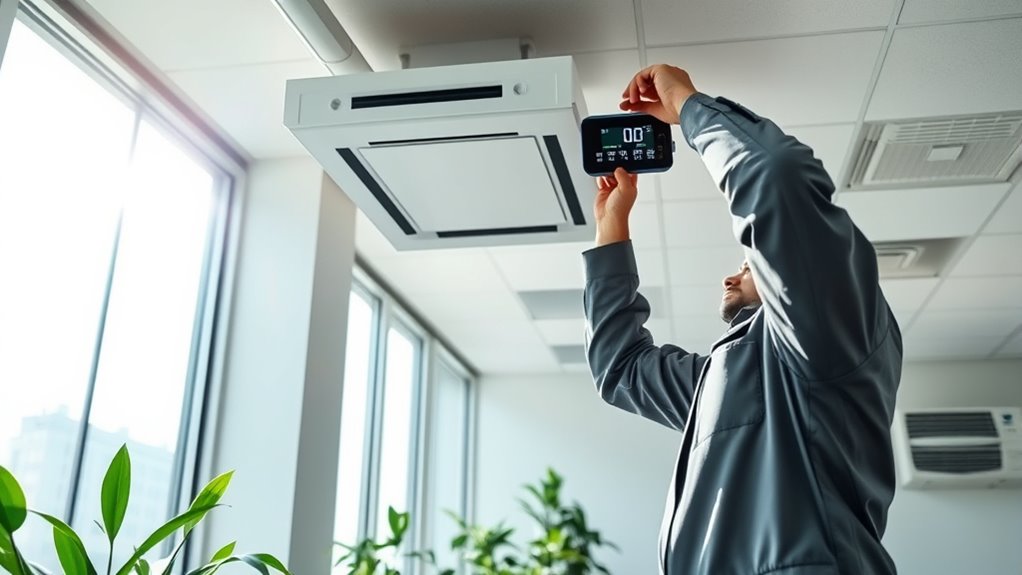
How often do you check your CO₂ monitor for maintenance and calibration? Regular maintenance is vital for sensor longevity and ensuring accurate readings. You should aim to calibrate your monitor at least once every six months, though this frequency may vary based on usage and environmental conditions. If your monitor shows signs of drift or inconsistent readings, it’s time to recalibrate. Keep an eye on the manufacturer’s recommendations, as they often provide specific guidelines tailored for your device. Regular checks not only extend the lifespan of your monitor but also enhance its accuracy. By prioritizing maintenance and calibration, you’ll ensure your CO₂ monitor provides reliable data, helping you maintain a safe and healthy environment.
Enhancing Indoor Air Quality Beyond Monitoring

While monitoring CO₂ levels is essential for maintaining indoor air quality, it’s just the first step in creating a healthier environment. To truly enhance your indoor air quality, consider investing in an air purifier. These devices can effectively remove pollutants and allergens, ensuring the air you breathe is cleaner. Additionally, don’t underestimate the importance of humidity control. Maintaining ideal humidity levels not only prevents mold growth but also contributes to overall comfort and respiratory health. Use dehumidifiers in damp areas and humidifiers in dry conditions to strike the right balance. By combining CO₂ monitoring with air purifiers and effective humidity control, you’ll create a more inviting and healthier indoor atmosphere for everyone.
Frequently Asked Questions
Can Co₂ Monitors Be Used Outdoors?
Yes, you can use CO₂ monitors outdoors, but it’s crucial to choose models designed for outdoor air quality. Outdoor CO₂ monitoring helps you assess ventilation and understand how outdoor conditions affect indoor air. Make sure to place the monitor away from direct sunlight and moisture to guarantee accurate readings. By doing so, you’ll get a clearer picture of the air quality outside and its impact on your environment.
How Often Should I Replace My Co₂ Monitor?
You should replace your CO₂ monitor every 5 to 7 years, depending on the manufacturer’s guidelines. Regular sensor calibration is vital for accurate readings, so check your monitor’s calibration status periodically. If you notice any discrepancies or if the monitor starts malfunctioning, it’s best to replace it sooner. Staying on top of replacement frequency ensures you maintain a safe indoor environment and protect against harmful CO₂ levels effectively.
Are There Specific Brands Recommended for Accuracy?
When it comes to accuracy, think of your CO₂ monitor like a trusty compass—it needs to point you in the right direction. Brands like Aeroqual and Testo are often recommended for their reliable sensor calibration and performance. When making brand comparisons, look for those with positive reviews on accuracy and longevity. Investing in a reputable brand will guarantee you’re breathing easy, knowing your monitor’s got your back.
Can Co₂ Levels Affect Plant Growth Indoors?
Yes, CO₂ levels can greatly influence plant growth indoors. Adequate CO₂ enhances photosynthesis, promoting healthy plant development and improved yield. However, if CO₂ levels are too low, it can stunt growth and lead to poor plant health. To guarantee your plants thrive, maintain good air circulation in your growing area, as this helps balance CO₂ levels, providing your plants with the ideal environment they need to flourish.
What Are Symptoms of High Co₂ Levels?
When indoor air quality dips, you might notice some subtle signs that suggest elevated CO₂ levels. You could experience headaches, dizziness, or fatigue, which often masquerade as everyday stress. Some might even feel short of breath or have difficulty concentrating. It’s your body’s way of signaling that something’s amiss with the air you’re breathing. Remaining aware of these symptoms helps promote a healthier environment for you and those around you.
Conclusion
In the quest for cleaner air, placing your CO₂ monitor wisely is key. Avoid those drafty spots by windows and doors, where readings can dance with the winds, misleading you about your indoor air quality. Keep it unobstructed and at the right height for the best results. By nurturing your environment with regular maintenance and smart placement, you’re not just monitoring; you’re cultivating a gust of fresh air for you and your loved ones.