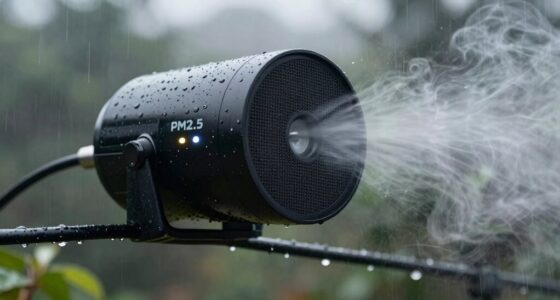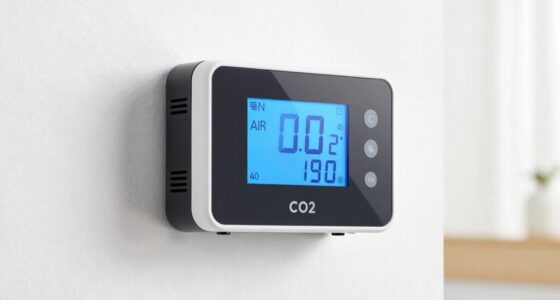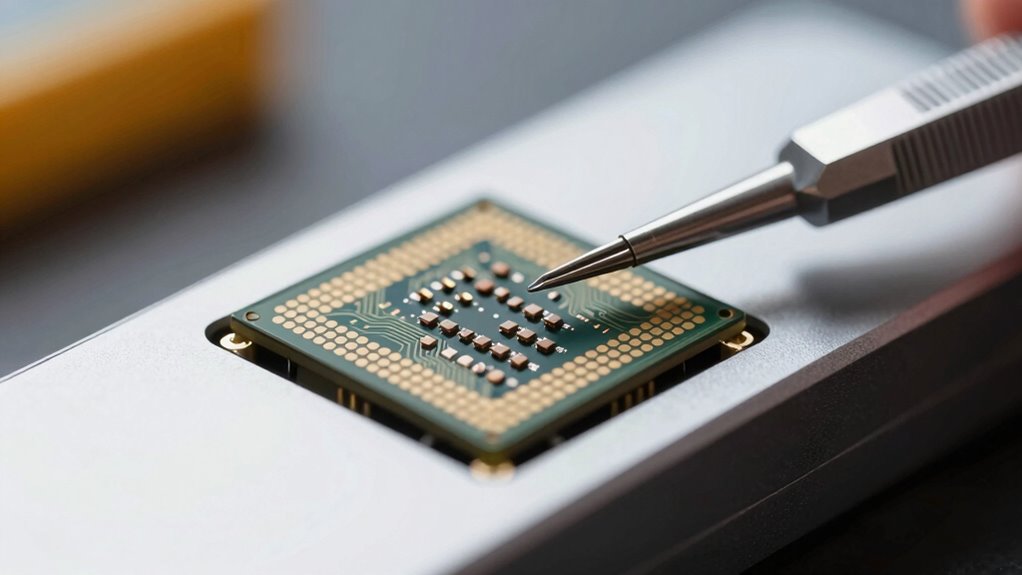
If your sensor’s measurements start fluctuating or deviate from known standards, it probably needs calibration. Look for signs like erratic readings or unexpected performance changes. Regular calibration helps maintain accuracy and prevents costly errors. Factors like environmental conditions and sensor drift can impact reliability, so be proactive. Keeping up with calibration routines enhances your system’s overall performance. Keep exploring to discover more about effective calibration practices and tools you can use.
Get ready for Prime Big Deal Days — try Prime free
Exclusive member deals on October 6–7, plus fast free delivery. Cancel anytime.
As an affiliate, we earn on qualifying purchases.
Key Takeaways
- Calibration is necessary when sensor output shows discrepancies from known standards or reference values.
- Signs of sensor drift include fluctuating measurements and erratic performance that indicate accuracy decline.
- Extreme environmental conditions, like humidity or temperature changes, can compromise sensor reliability and necessitate recalibration.
- Regular monitoring of calibration history helps determine appropriate scheduling for recalibration based on usage and environmental factors.
- Documenting calibration activities is essential for maintaining quality, compliance, and ensuring proper sensor performance over time.
Understanding Sensor Calibration
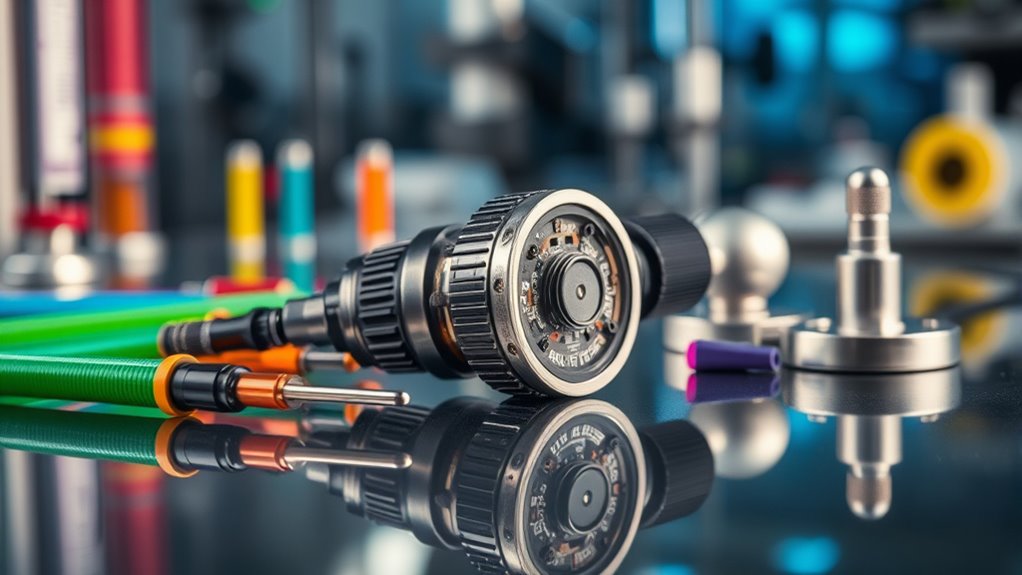
When you think about sensor calibration, it’s vital to realize that it directly impacts the accuracy of your measurements. Calibration ensures that your sensor provides reliable data, which is indispensable for any application. Over time, sensors can experience sensor drift, where their output deviates from the true value. This drift can lead to inaccuracies if not addressed. Regular calibration helps maintain calibration accuracy, allowing your sensors to perform at their best. By understanding the calibration process, you can better identify when your sensors need adjustment. Additionally, regular maintenance practices, such as utilizing landscaping to enhance the surrounding environment, can further support the longevity of your sensors. Remember, without proper calibration, you risk making decisions based on faulty data, which could ultimately affect your project’s success. Staying vigilant about calibration keeps your measurements accurate and your results dependable. Furthermore, understanding credit card terms is essential for financial literacy, just as calibration is crucial for ensuring data integrity in sensor applications. Additionally, just as seasonal events can enhance the experience of enjoying best gelato in Laguna Beach, regular calibration enhances the overall performance of your sensors. High refresh rates can significantly improve the responsiveness of systems that rely on calibrated sensors. Electric dirt bikes, for instance, can produce between 10 to 20 horsepower, providing instant torque that enhances their performance on challenging terrains.
Importance of Regular Calibration
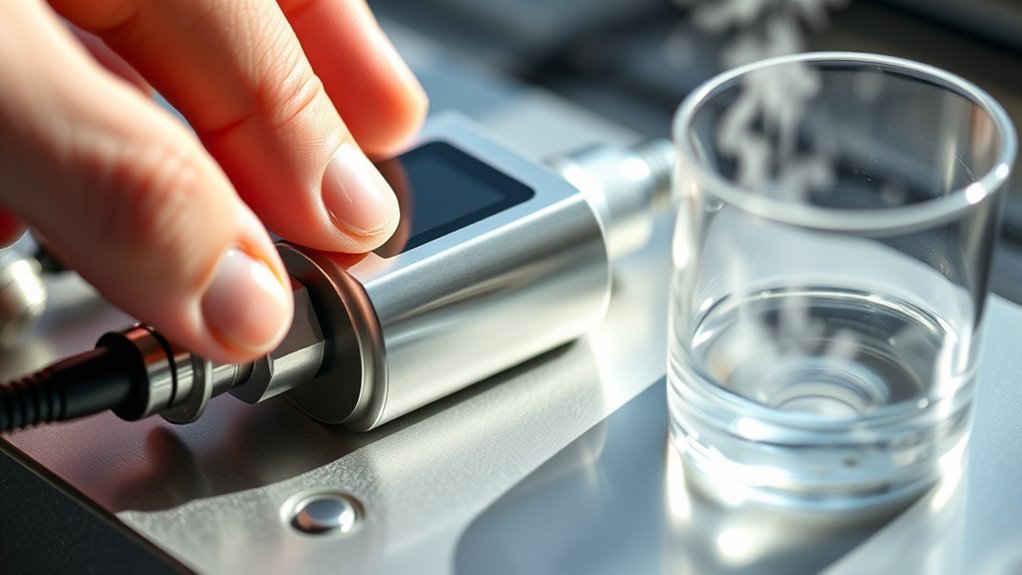
Regular calibration is crucial for guaranteeing your sensors deliver accurate and reliable data. Over time, sensors can experience sensor drift, where their readings deviate from true values due to environmental factors, wear, or aging components. This drift can lead to significant inaccuracies, impacting your processes and decision-making. By committing to regular calibration, you maintain calibration accuracy, ensuring your sensors perform at their best and provide trustworthy information. It’s essential to establish a calibration schedule based on your specific application and sensor type. This proactive approach not only enhances data integrity but also extends the lifespan of your equipment. Additionally, flavorful appetizers can be enjoyed while waiting for calibration results, making the process more enjoyable. Ultimately, regular calibration helps you avoid costly mistakes and ensures your operations run smoothly and efficiently. Don’t underestimate its importance! Additionally, integrating smart appliances can further enhance your calibration processes by providing real-time feedback and adjustments. Furthermore, the use of AI-driven analytics tools can significantly improve calibration accuracy by analyzing sensor performance data. Regular calibration is also essential for maintaining user privacy, as inaccurate sensors can lead to unauthorized data access. The principles of safe installation practices ensure that your sensors are set up correctly, minimizing issues that could lead to calibration errors.
Signs That Your Sensor Needs Calibration

Even with a solid calibration schedule, there are signs that your sensor might need recalibration sooner than expected. One major indicator is sensor drift, where the readings start to deviate from the true value over time. If you notice consistent discrepancies between your sensor’s output and a reliable reference, that’s a red flag. Additionally, an accuracy decline can manifest as fluctuating measurements that don’t align with previous data. The need for eco-friendly production processes can also influence how often you should assess your sensor’s performance, as environmental factors may play a role in sensor reliability. For example, extreme temperatures can affect sensor performance, similar to how essential oils for respiratory health can influence overall well-being. Just as hydrotherapy techniques can enhance physical recovery, if your sensor’s performance becomes erratic or unreliable, it’s vital to address these issues promptly. Regularly monitoring your sensor’s performance and comparing it to expected standards will help you catch these signs early, ensuring that your readings remain accurate and dependable. Furthermore, energy-efficient cloud solutions can aid in data processing, providing quicker insights into sensor performance. Consuming celery juice may improve overall health, which could positively affect your focus on maintenance tasks. Don’t ignore these warning signs; they can save you time and resources.
The Calibration Process Explained
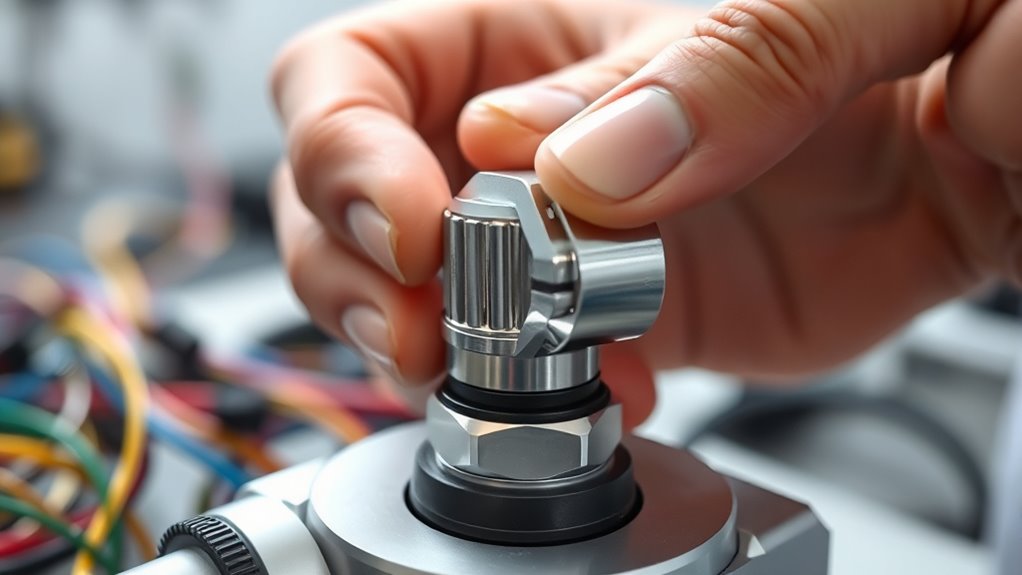
Understanding the calibration process is crucial for maintaining the accuracy of your sensors, as it guarantees they provide reliable data over time. Calibration involves comparing your sensor’s output to a known standard and adjusting it to minimize discrepancies. First, identify any sensor drift—this natural deviation can occur due to environmental changes or wear over time. Additionally, maintaining a reliable connection is essential, as it ensures that the calibration equipment used meets specific standards to verify accuracy. Proper air quality considerations during calibration can also impact sensor performance. Furthermore, maintaining smart home technology can help ensure that your devices function optimally during the calibration process. Regularly reviewing user privacy policies is also important to ensure compliance during data collection. Next, you’ll need to use calibration equipment that meets specific standards to verify accuracy. During the process, take multiple readings to confirm consistency, and make adjustments as needed. Regularly scheduled calibrations help maintain peak performance, guaranteeing you catch any potential issues before they impact your data. By following these steps, you can enhance your sensor’s calibration accuracy and extend its lifespan. Additionally, understanding sensor drift can help you to better anticipate the need for recalibration and improve overall performance.
Calibration Standards and Best Practices
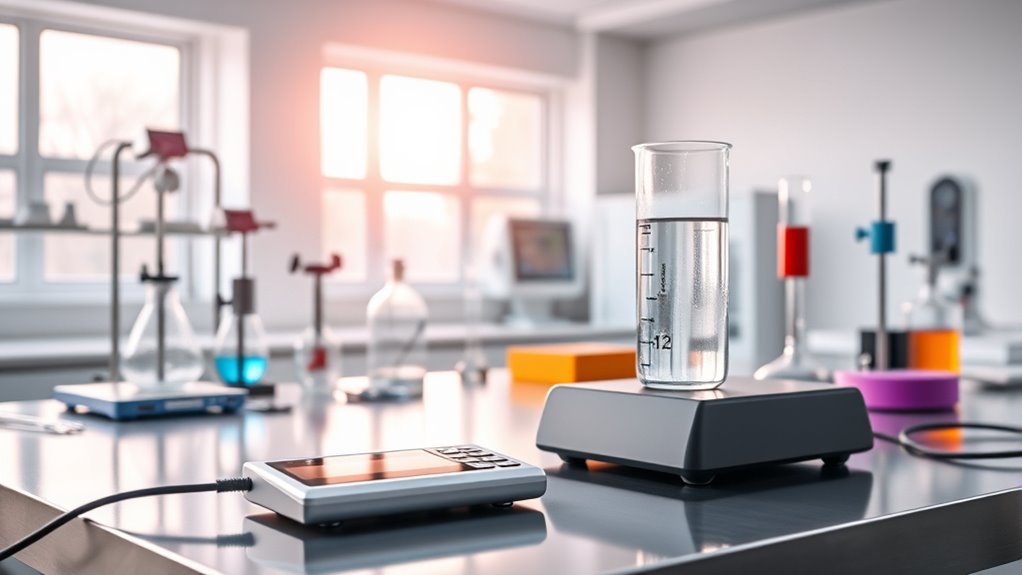
Calibration standards and best practices play a crucial role in ensuring accurate and reliable sensor measurements. Following these guidelines helps you maintain consistency and quality in your calibrations, aligning with accepted sensor standards and calibration benchmarks. Here are some best practices to consider:
Calibration standards are essential for achieving accurate sensor measurements and maintaining quality in calibration practices.
- Regularly review and update your calibration procedures.
- Use certified reference materials to ensure accuracy. Implementing automated testing improves efficiency in the calibration process.
- Document all calibration results meticulously.
- Train personnel on calibration techniques and standards. Additionally, understanding how to maximize your truck bed’s potential can provide insights into the importance of maintaining equipment accurately for optimal performance.
- Schedule routine audits to ensure compliance. Additionally, maintaining radiant skin through proper care can enhance the longevity and effectiveness of sensor components that may be sensitive to environmental factors.
Tools and Equipment for Calibration
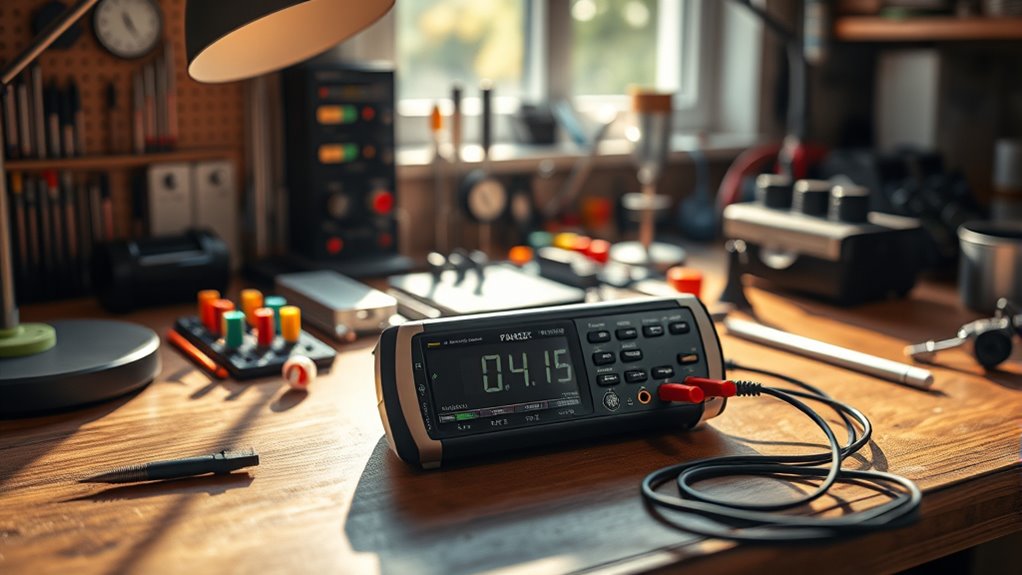
When it comes to calibration, having the right tools and equipment is vital. You’ll need to understand the essential requirements to guarantee accuracy and reliability in your measurements. Let’s explore the different calibration tools that can help you achieve precise results.
Calibration Tools Overview
To guarantee accurate measurements and reliable results, having the right calibration tools and equipment is essential. These tools help you assure sensor accuracy and adhere to proper calibration procedures. Here’s a quick overview of essential calibration tools you should consider:
- Calibrated Weights: For precise mass measurements.
- Multimeters: To check voltage, current, and resistance.
- Temperature Probes: For accurate thermal readings.
- Pressure Gauges: To verify pressure sensors.
- Calibration Software: To streamline and document the calibration process.
Equipping yourself with these tools will enhance your calibration efforts, ensuring your sensors function correctly and provide dependable data. Don’t underestimate the importance of having the right resources at your disposal!
Essential Equipment Requirements
Having the right calibration tools is just the beginning; understanding the specific equipment requirements is equally essential for achieving accurate results. You need to choose sensors that suit your application and confirm they operate within their specified range. Pay attention to potential sensor drift, which can affect accuracy over time. Regularly evaluating this drift during calibration intervals helps maintain sensor performance. Additionally, invest in high-quality reference standards and environmental controls, as these will minimize external influences that could skew your readings. Always check that your equipment is compatible and calibrated itself, as this will enhance reliability. By equipping yourself with the right tools and knowledge, you’ll ensure your calibration efforts yield precise and trustworthy outcomes.
Frequency of Calibration: How Often Is Enough?

Determining how often you should calibrate your equipment can be tricky, as it depends on several factors, including the type of equipment, its usage, and the environment in which it operates. Consider the following points to help you decide on calibration frequency:
- Equipment type and manufacturer recommendations
- Frequency of use and workload intensity
- Temperature stability and its effects on measurements
- Environmental factors like humidity and dust
- Historical data on calibration drift
Frequently Asked Questions
What Types of Sensors Require Calibration Most Frequently?
You’ll find that temperature, pressure, and humidity sensors require calibration most frequently. Their accuracy can drift over time, impacting your measurements. Factors like environmental conditions and sensor lifespan influence how often you should calibrate. Generally, more frequent calibration helps maintain precision and reliability, especially in critical applications. By keeping an eye on calibration frequency, you can guarantee your sensors perform at their best and extend their lifespan effectively.
Can I Calibrate a Sensor Myself?
Yes, you can calibrate a sensor yourself, but it depends on the type of sensor and your expertise. If you notice sensor drift, it’s vital to recognize that calibration intervals vary. Some sensors come with user-friendly calibration guides, while others may require specialized equipment. Always follow the manufacturer’s instructions closely to guarantee accuracy. If you’re unsure, consulting a professional might save you time and prevent further inaccuracies.
How Much Does Professional Calibration Typically Cost?
Professional calibration typically costs between $100 and $500, depending on the sensor type and service provider. You should consider cost considerations like the complexity of the calibration process and the calibration frequency needed for your specific application. If you rely on your sensors for critical tasks, investing in professional calibration guarantees accuracy and reliability, potentially saving you money in the long run by preventing costly errors or equipment failures.
What Happens if I Ignore Sensor Calibration?
Ignoring sensor calibration is like driving a car with a flat tire; you’ll get nowhere fast. Over time, sensors experience sensor drift, leading to inaccurate readings. If you don’t keep up with calibration intervals, you risk making decisions based on faulty data, which can affect your results and efficiency. Regular calibration guarantees your sensors deliver reliable performance, so don’t let neglect compromise your accuracy or safety.
Are There Any DIY Calibration Kits Available?
Yes, there are DIY calibration kits available that you can use for various sensors. These kits often include calibration tools like calibration weights, liquid solutions, or reference materials to help you adjust your sensors accurately. By using these DIY kits, you can save money while ensuring your sensors perform properly. Just make sure to follow the instructions closely for the best results, and you’ll keep your equipment in top shape.
Conclusion
In the world of sensors, think of calibration as tuning a musical instrument. Just like a piano needs regular tuning to hit the right notes, your sensors need consistent calibration to provide accurate readings. Ignoring this can lead to a symphony of errors, making your data sound off-key. By prioritizing calibration, you’re not just maintaining accuracy; you’re ensuring your entire system operates harmoniously. So, keep those sensors in tune, and let the data play beautifully!
NFL season / tailgating Picks
team gear
As an affiliate, we earn on qualifying purchases.