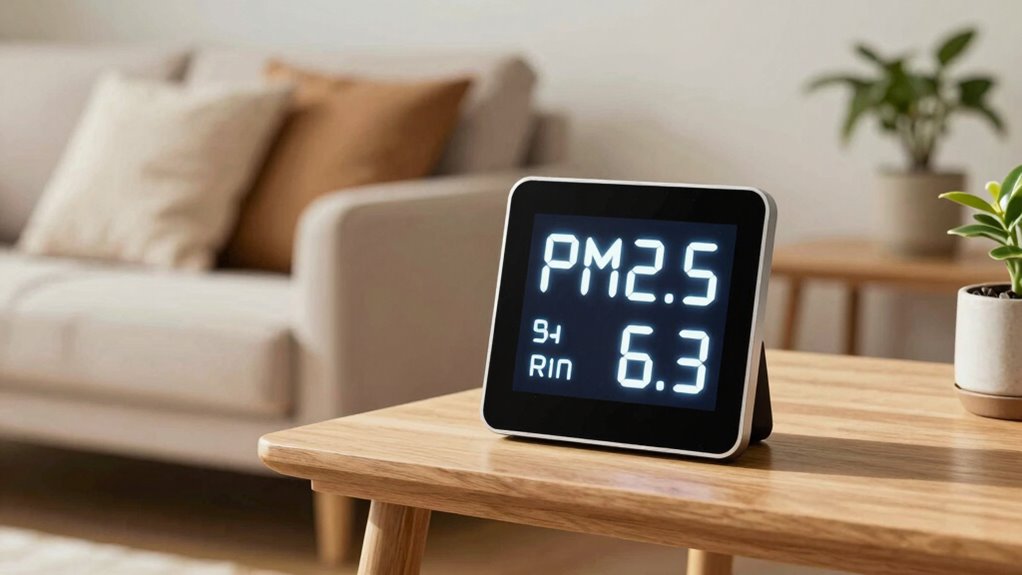

The first indoor air quality numbers you should watch are particulate matter (PM), VOCs, and CO₂ levels. Elevated dust, pollen, or pet dander can signal poor air quality, while high VOCs mean chemical pollutants are present. CO₂ levels indicate ventilation adequacy. Monitoring these key numbers helps you spot issues early, improve your home’s air, and protect your health. Keep exploring to discover how to interpret and act on these essential air quality indicators.
Prime for Young Adults — start your free trial
Fast free delivery, streaming and member deals for eligible 18–24 year olds.
As an affiliate, we earn on qualifying purchases.
Key Takeaways
- Focus on particulate matter (PM) levels, especially PM2.5 and PM10, as they directly impact respiratory health.
- Monitor CO₂ levels to assess ventilation quality and indoor air freshness.
- Track VOC concentrations to identify chemical pollutants from household products or furnishings.
- Observe humidity levels, as ideal ranges (30-50%) prevent mold growth and dust mites.
- Regularly review air quality indices against established standards to ensure a safe indoor environment.
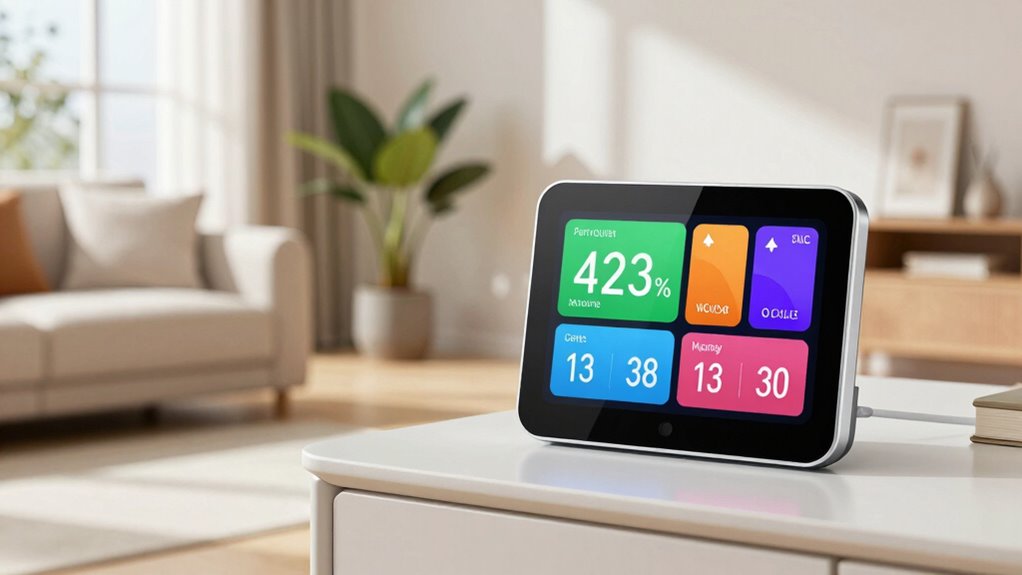
Have you ever wondered what your home’s air quality numbers really mean? Understanding these numbers can seem complicated, but they hold vital clues about the air you breathe daily. When you look at indoor air quality readings, you’re essentially assessing how healthy your environment is and what steps you might need to take. These measurements often focus on pollutants like particulate matter (PM), volatile organic compounds (VOCs), and carbon dioxide levels. The key is not just knowing these numbers but interpreting what they reveal about your home’s air.
Understanding your indoor air quality numbers helps you create a healthier, safer home environment.
For example, high particulate matter readings can indicate dust, pollen, pet dander, or smoke lurking in your space. If these numbers are elevated, it’s a sign your indoor air might be irritating your lungs or exacerbating allergies. Conversely, low levels suggest cleaner air, which is what you want to aim for. The importance of these readings extends directly to the efficiency of your air purifier. When you check your air purifier’s efficiency, you’re measuring how well it reduces pollutants and improves indoor air quality. A highly efficient air purifier should bring your particulate matter and VOC levels down, which you can verify through real-time air quality monitors.
Monitoring indoor air quality isn’t just about reacting to poor numbers; it’s about proactive management. If you notice consistent high readings, it might be time to upgrade your air purifier or improve ventilation. In contrast, if your indoor air quality numbers are consistently good, you can be confident that your current setup is working well. Understanding these figures helps you make informed decisions—whether that’s choosing the right air purifier, adjusting your cleaning routines, or increasing ventilation during certain times of day. Additionally, keeping track of indoor air quality measurements can help you identify patterns and triggers that affect your environment. Recognizing the significance of air quality standards can guide you in setting appropriate targets for your home’s environment. Furthermore, educating yourself about indoor air pollutants can empower you to take targeted actions to reduce specific contaminants.
Moreover, understanding air quality guidelines can provide a benchmark for evaluating your own indoor environment and ensuring it meets recommended safety levels. Regularly consulting automated grammar tools can also assist in ensuring your written communication about air quality remains clear and accurate, helping you stay informed and proactive. Ultimately, the goal is to maintain a healthy indoor environment, especially since you spend a significant part of your life indoors. Keeping an eye on these air quality numbers ensures you’re not just guessing but making data-driven choices. When your indoor air quality is high, and your air purifier efficiency is optimal, you create a safe, comfortable space for yourself and your family. These numbers are more than just digits—they’re your window into the health of your home. By paying attention to them, you take control of your indoor environment, ensuring it remains a sanctuary rather than a source of unseen health issues.
As an affiliate, we earn on qualifying purchases.
Frequently Asked Questions
How Often Should I Check My Home Air Quality?
You should check your home air quality at least monthly to guarantee a healthy environment. Regular checks help you assess if your air purifier options are effectively reducing pollutants. Incorporate proper ventilation techniques, like opening windows or using exhaust fans, to improve airflow. If you notice persistent odors, dust, or allergies worsening, increase the frequency of checks. Staying proactive keeps your home’s air fresh and safe for everyone.
What Are the Health Risks of Poor Indoor Air Quality?
Like a dial-up modem from the 90s, poor indoor air quality can slow you down. It increases your risk of allergies, asthma, respiratory infections, and even heart issues. Ventilation strategies help by introducing fresh air, while air purifiers trap pollutants. Neglecting these measures can leave you feeling sluggish and sick, so stay vigilant. Regularly improving your home’s airflow keeps you healthier and more comfortable.
Can I Improve Air Quality Without Professional Help?
Yes, you can improve air quality without professional help. Start with DIY testing to identify pollutants and sources of indoor air issues. Then, select an appropriate air purifier based on your room size and needs to effectively filter out allergens, dust, and other particles. Regularly change filters, keep your space well-ventilated, and minimize pollutants like smoke or strong chemicals to maintain healthier indoor air for your home.
What Equipment Is Best for Monitoring Indoor Air?
Imagine you’re concerned about indoor air quality, so you install air quality sensors in your living room. These devices monitor pollutants, humidity, and VOC levels, providing real-time data. To optimize, you pair sensors with a good ventilation system, ensuring fresh air circulates. The best equipment combines reliable air quality sensors with efficient ventilation systems, giving you a clear picture of your indoor environment and helping you make informed improvements.
How Does Outdoor Air Affect Indoor Air Quality?
Outdoor pollutants can substantially impact your indoor air quality, especially if your ventilation strategies aren’t effective. When outdoor air is polluted, it can bring dust, pollen, and chemicals inside, worsening indoor air quality. To combat this, you should improve ventilation by using high-efficiency filters or air purifiers and ensuring proper airflow. Keeping windows closed during pollution peaks also helps minimize outdoor contaminants entering your home.
air purifier for particulate matter
As an affiliate, we earn on qualifying purchases.
As an affiliate, we earn on qualifying purchases.
Conclusion
Keep an eye on those home air numbers—they’re your best bet for staying ahead of potential issues. By understanding what’s normal and what’s not, you can nip problems in the bud before they grow into costly repairs. Remember, it’s better to be safe than sorry, so don’t wait until things get out of hand. Staying informed about these numbers helps you breathe easier, literally, and keeps your home running smoothly without a hitch.
As an affiliate, we earn on qualifying purchases.
As an affiliate, we earn on qualifying purchases.
Fall yard work Picks
leaf blowers
As an affiliate, we earn on qualifying purchases.