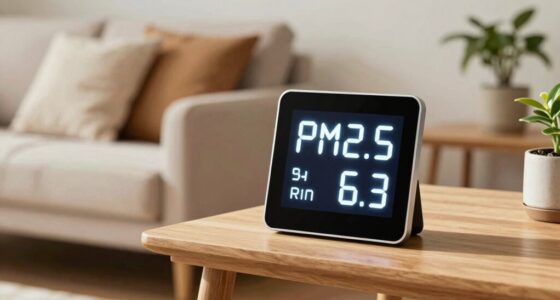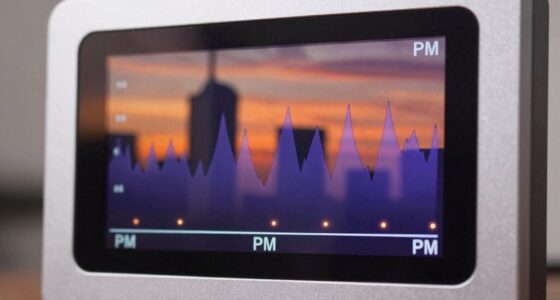

To interpret spikes in indoor air data, start by identifying the timing and correlating them with daily activities or changes in occupancy. Look for patterns related to environmental factors, like humidity or outdoor pollution, that might impact air quality. Check for potential sources such as cleaning products, cooking, or HVAC issues. By analyzing these aspects, you can pinpoint problems and make informed adjustments to your air quality management. There’s much more to explore about maintaining healthy air indoors.

Get health and wellness essentials delivered free — and shop member deals
- Fast, free delivery on millions of items
- Access to Prime Big Deal Days deals on October 6–7
- Prime Video, Amazon Music and more included
Key Takeaways
- Identify peak pollutant times by correlating spikes with daily activities and occupancy patterns.
- Analyze historical data to distinguish between transient and chronic air quality issues.
- Observe seasonal variations that influence indoor air quality and identify potential sources of spikes.
- Evaluate the effectiveness of ventilation systems by monitoring air exchange rates during spikes.
- Use mobile apps and data loggers for real-time tracking and visualization of air quality trends.
As an affiliate, we earn on qualifying purchases.
Understanding Indoor Air Quality Metrics
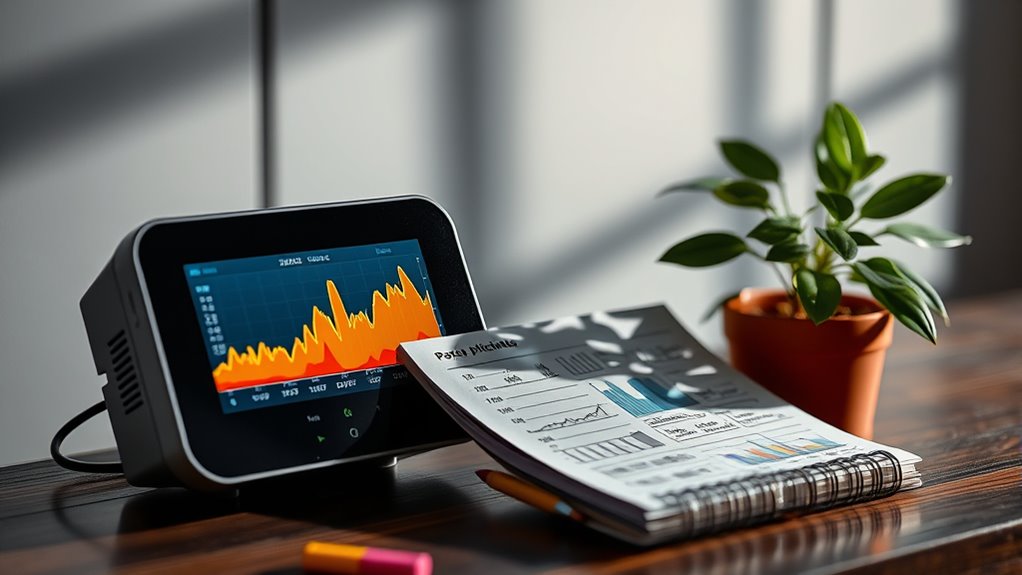
When you immerse yourself in understanding indoor air quality metrics, you’ll find that these measurements provide essential insights into the health of your environment. Familiarizing yourself with air quality indices is vital, as they represent the overall air quality level based on specific pollutants. These indices help you gauge whether the air is safe to breathe and identify potential health risks. You’ll also need to take into account pollutant thresholds, which define the maximum allowable concentrations of harmful substances in your space. Regular monitoring of these metrics can help you make informed decisions about ventilation, filtration, and other interventions. Incorporating eco-friendly practices can further improve indoor air quality by reducing harmful emissions. Additionally, research indicates that individuals exposed to poor air quality may experience decreased cognitive function, leading to the importance of maintaining optimal air conditions. Studies show that the impact of air pollution on health can be significant, reinforcing the need for effective monitoring. Ultimately, understanding these factors empowers you to create a healthier indoor environment for you and those around you. Additionally, utilizing the best air purifiers can significantly enhance your indoor air quality by removing harmful particles and allergens.
As an affiliate, we earn on qualifying purchases.
Common Indoor Air Pollutants
Indoor air can be surprisingly polluted, often harboring various contaminants that can affect your health. Common indoor air pollutants include volatile organic compounds (VOCs) emitted from paints, cleaning products, and building materials. These VOC emissions can lead to headaches, dizziness, and long-term health issues. Another significant pollutant is radon, a colorless, odorless gas that can seep into homes from the ground. Regular monitoring is essential, as prolonged exposure increases the risk of lung cancer. Incorporating natural materials in your home decor can also help minimize the presence of toxic compounds. Whole-house water filtration systems can enhance your indoor environment by ensuring that the water you use for cleaning and other purposes is free from harmful contaminants. User privacy is also a crucial aspect to consider, especially when utilizing air quality monitoring devices that may collect data. It’s vital to regularly monitor indoor air quality to guarantee a healthy living environment. By understanding these common pollutants, you can take proactive steps to reduce their impact and improve your indoor air quality for better health and well-being. Additionally, incorporating bike generators can provide a sustainable energy source while promoting clean air practices.
As an affiliate, we earn on qualifying purchases.
Identifying Sources of Spikes
When you notice spikes in indoor air data, identifying the sources is essential. Common activities, like cooking or cleaning, can trigger these changes, but environmental factors and seasonal variations also play a role. By understanding these elements, you’ll be better equipped to manage air quality effectively. Additionally, emerging regulations in various sectors may influence indoor air quality standards and practices, leading to increased market confidence in air quality management solutions. Furthermore, color accuracy in air quality monitoring devices can significantly enhance the reliability of the data collected, helping to identify pollution sources more effectively. Implementing proper disposal practices can also mitigate pollutants that may contribute to indoor air spikes. Moreover, understanding the impact of performance cookies on data analytics can provide insights into how user behavior affects air quality measurements. Regular maintenance of air filters can significantly improve indoor air quality by reducing pollutants and allergens.
Common Triggering Activities
Have you ever noticed how certain activities can cause sudden spikes in indoor air data? You might find that simple actions like vacuuming or dusting can stir up allergens, leading to increased levels of particulate matter. If you have pets, their dander can also contribute to these spikes, especially during shedding seasons. Creating calm and organized homes can also help in reducing allergens by ensuring regular cleaning routines and decluttering. To maintain optimal air quality, it’s essential to check and clean filters regularly, as this can prevent additional allergens from circulating in your home. Seasonal allergies play a significant role too; when pollen counts rise, people often bring in more allergens on their clothes and shoes. Cooking or burning candles can release volatile organic compounds, affecting air quality as well. Additionally, engaging in music therapy can reduce stress, which may help minimize some of the allergens triggered by daily activities. By being aware of these common triggering activities, you can better manage your indoor air quality and minimize those unexpected spikes in your data readings. Additionally, using essential oils like eucalyptus oil can help improve indoor air quality by providing antimicrobial benefits and a refreshing aroma. Incorporating smart home gym equipment can also promote a healthier living environment by encouraging physical activity that can further enhance overall well-being.
Environmental Factors Impacting Spikes
While you might focus on activities within your home, environmental factors can substantially impact indoor air data spikes. For instance, outdoor pollution sources like traffic, construction, or wildfires can seep indoors, causing sudden increases in airborne contaminants. Seasonal weather changes can also play a role, as humidity and temperature fluctuations influence air quality. Additionally, energy-efficient models of air purifiers can help mitigate the effects of outdoor pollution by improving indoor air quality. Haute couture emphasizes intricate details in design, which parallels the importance of attention to detail in maintaining effective air filtration systems. You should consider how your air purifier and air filtration systems respond to these external factors. If your air purifier struggles to keep up with high outdoor pollution levels, you might notice spikes in indoor air data. Regular maintenance of your filtration system is essential to guarantee optimal performance when combating these environmental influences. Keeping an eye on both indoor and outdoor conditions will help you better interpret the data. Additionally, understanding Polynesian symbols for strength can provide a cultural perspective on resilience in dealing with environmental challenges.
Seasonal Variation Considerations
As temperatures shift with the changing seasons, you may notice distinct patterns in indoor air quality that signal specific sources of spikes. Understanding these seasonal shifts and temperature cycles can help you identify potential issues. Here are some common sources to contemplate:
- Increased pollen levels during spring
- Higher humidity in summer leading to mold growth
- Wood-burning activities in winter months
- Dust accumulation during fall as windows close
- Changes in heating systems as seasons shift
As an affiliate, we earn on qualifying purchases.
The Importance of Humidity Levels

Humidity levels in your home play a vital role in your health and comfort. High humidity can lead to mold growth, while low humidity might cause discomfort and respiratory issues. Understanding this balance is key to maintaining a healthy indoor environment.
Effects on Health
How does humidity impact your health? Maintaining the right humidity levels in your home is essential for your well-being. Too much or too little humidity can lead to various health issues, particularly concerning airborne allergens and chemical exposure. Here are some key effects to take into account:
- In high humidity, mold and dust mites thrive, worsening allergies.
- Low humidity can dry out your skin and respiratory passages, causing discomfort.
- High levels can also increase chemical off-gassing from materials and products.
- Optimal humidity can help your body fight off infections more effectively.
- Balanced moisture levels improve overall air quality, contributing to better sleep and comfort.
Mold Growth Risk
When you maintain high humidity levels in your home, the risk of mold growth increases substantially. Mold thrives in damp environments, and when humidity levels rise above 60%, you create an ideal breeding ground for mold spores. These spores can become airborne, leading to potential health issues and property damage. To minimize this risk, keep indoor humidity between 30% and 50%. Use dehumidifiers, ensure proper ventilation, and promptly address any water leaks. Regularly check areas prone to moisture, like bathrooms and basements, to prevent mold from taking hold. By managing humidity effectively, you can protect your home and maintain a healthier living space, reducing the chances of mold growth and its associated problems.
Comfort and Wellbeing
Maintaining the right humidity levels in your home can considerably enhance your comfort and wellbeing. Proper humidity supports air purification and can even help with scent masking, making your indoor environment more pleasant. Here are some benefits of balanced humidity:
- Reduces allergens and dust mites
- Prevents mold growth and structural damage
- Enhances respiratory health
- Improves skin hydration and comfort
- Minimizes static electricity
When humidity levels are too low, you may experience dry skin and respiratory issues. Conversely, excessive humidity can lead to discomfort and mold problems. Keeping humidity between 30-50% creates a harmonious atmosphere, ensuring you feel comfortable and healthy in your home. Remember to monitor your indoor air data regularly to maintain ideal conditions.
Temperature Fluctuations and Their Effects
Although temperature fluctuations in indoor environments can seem minor, they profoundly impact air quality and occupant comfort. Maintaining temperature stability is vital for ensuring thermal comfort. Frequent changes can lead to discomfort, reduced productivity, and even health issues.
Here’s a quick reference table illustrating the effects of temperature fluctuations:
| Temperature Change | Effect on Comfort | Recommended Action |
|---|---|---|
| 1-2°C | Minimal discomfort | Monitor regularly |
| 3-4°C | Noticeable discomfort | Adjust thermostat |
| 5-6°C | Increased fatigue | Use fans or heaters |
| 7-8°C | Decreased productivity | Implement climate control |
| 9°C+ | Health risks | Seek professional help |
Analyzing Patterns in Air Quality Data

As you analyze air quality data, recognizing patterns becomes essential for understanding the overall indoor environment. Identifying these trends helps you grasp how air exchange and pollutant dispersion affect your space. Here are some key aspects to contemplate:
- Time of day: Notice when pollutants peak, indicating activity levels.
- Room usage: Correlate data with room occupancy to assess air quality impacts.
- Seasonal variations: Observe changes in air quality with different weather conditions.
- Ventilation effectiveness: Analyze how air exchange rates influence pollutant levels.
- Historical comparisons: Look at past data to identify consistent trends or anomalies.
Immediate Actions for Addressing Spikes
When you notice a spike in indoor air data, the first step is to identify possible sources of the issue. This could be anything from cooking fumes to mold. Once you’ve pinpointed the source, you can implement quick solutions to improve air quality right away.
Identify Possible Sources
To effectively address spikes in indoor air data, you must first identify potential sources of contamination. Start by examining your environment for factors that could contribute to poor air quality. Here are some common sources to contemplate:
- Inadequate HVAC maintenance: Dirty filters or malfunctioning systems can circulate pollutants.
- Improper cleaning protocols: Using harsh chemicals may release volatile organic compounds (VOCs).
- Building materials: Off-gassing from paints, adhesives, and furnishings can spike levels.
- Humidity levels: Excess moisture can promote mold growth, impacting air quality.
- Occupant activities: Smoking or using certain appliances can release harmful particles.
Implement Quick Solutions
While identifying sources of indoor air contamination is essential, taking immediate action can help mitigate the effects of data spikes. Start by using an air purifier to quickly reduce airborne pollutants. Choose a model with effective air filtration to guarantee you’re capturing harmful particles. Next, ventilate your space by opening windows or using exhaust fans to promote airflow and dilute contaminants. If you notice persistent spikes, consider temporarily relocating vulnerable individuals, such as those with respiratory issues, until the air quality improves. Regularly check and replace air filters in your purifiers and HVAC systems to maintain peak performance. By implementing these quick solutions, you can create a healthier indoor environment while addressing immediate air quality concerns.
Long-term Solutions for Improved Air Quality

As awareness of indoor air quality grows, implementing long-term solutions becomes essential for maintaining a healthy living environment. To guarantee your space remains free of pollutants, consider these strategies:
- Invest in a high-quality air purifier to filter out contaminants.
- Regularly replace air filters to enhance air filtration efficiency.
- Use natural cleaning products to reduce chemical exposure.
- Incorporate houseplants that improve air quality by absorbing toxins.
- Schedule routine maintenance for HVAC systems to keep them running at their best.
The Role of Ventilation in Air Quality Management
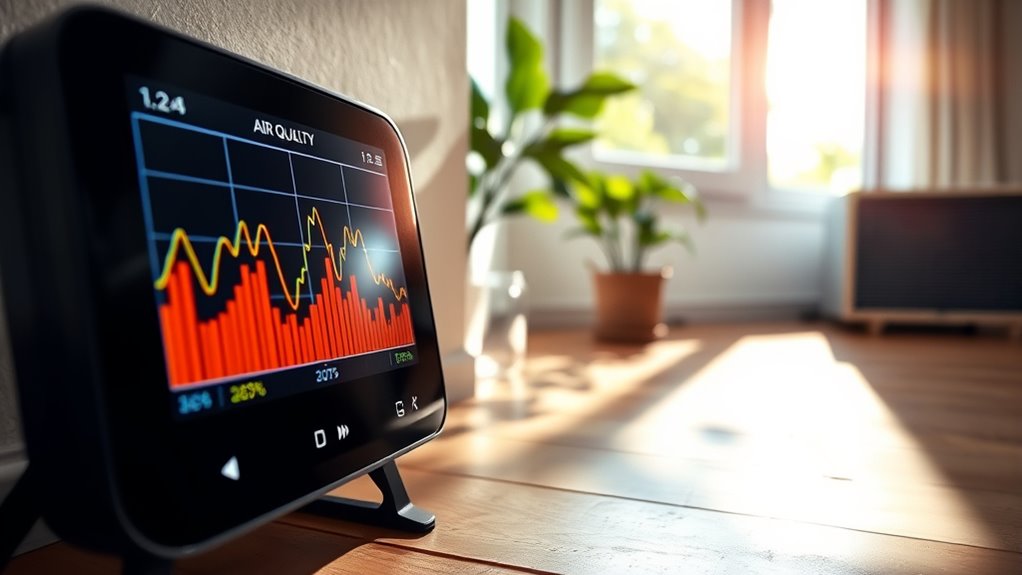
Maintaining good indoor air quality goes hand in hand with proper ventilation. You need to verify adequate air exchange to dilute pollutants and bring in fresh air. Ventilation rates play a vital role in determining how effectively your space can maintain healthy air. When ventilation rates are too low, harmful particles can accumulate, leading to potential health risks. On the other hand, increased ventilation can help reduce indoor pollutants, but it’s essential to balance it with energy efficiency. Regularly evaluating your ventilation system can help optimize air exchange, guaranteeing a comfortable and safe environment. By prioritizing ventilation, you not only improve air quality but also enhance overall well-being in your indoor spaces.
Tools and Technologies for Monitoring Indoor Air Quality

To guarantee a healthy indoor environment, utilizing the right tools and technologies for monitoring indoor air quality is essential. You can effectively track air quality with various solutions, ensuring your space remains safe and comfortable. Here are some key tools to contemplate:
- Smart Sensors: These devices provide real-time data on pollutants and humidity levels.
- Air Purifiers: They help reduce airborne contaminants, improving overall air quality.
- Data Loggers: Useful for long-term monitoring of air quality trends.
- Mobile Apps: Some smart devices feature apps that let you track air quality from your phone.
- Ventilation Systems: Advanced systems can automatically adjust based on air quality readings.
Frequently Asked Questions
How Often Should I Monitor Indoor Air Quality?
You should monitor indoor air quality at least once a week, especially if you have known pollutant sources like cooking, cleaning products, or pets. Regular checks help you understand how effective your ventilation strategies are. If you notice consistent spikes or changes, it’s essential to increase your monitoring frequency. This way, you can quickly identify issues and maintain a healthy indoor environment for you and your family.
Can Outdoor Air Quality Affect Indoor Spikes?
Yes, outdoor air quality can definitely affect indoor spikes. When outdoor pollution levels rise, it can seep inside through cracks and ventilation systems, leading to increased indoor pollutant concentrations. To mitigate this, you can implement effective ventilation strategies, like using air purifiers or adjusting your HVAC system to limit outdoor air intake during high pollution days. Keeping an eye on both outdoor and indoor air quality is vital for maintaining a healthy environment.
What Are the Health Effects of Poor Indoor Air?
Poor indoor air can lead to various health issues, including headaches, respiratory problems, and fatigue. It’s essential to maintain your HVAC system regularly to guarantee proper air circulation and filtration. Also, be aware of VOC sources like paints, cleaners, and furnishings, as they can markedly degrade air quality. By addressing these factors, you can create a healthier environment and reduce the risk of adverse health effects associated with poor indoor air.
Are There Specific Times When Spikes Occur More Frequently?
“Timing is everything.” You’ll often notice spikes in indoor air data during specific times, particularly with seasonal fluctuations and occupancy patterns. For instance, winter months may see increased indoor air pollutants due to heating systems or holiday gatherings. Similarly, spikes can occur during times of high occupancy, like weekends or events, when more people are present. Being aware of these trends helps you better manage your indoor air quality throughout the year.
How Do I Choose the Right Air Quality Monitor?
To select the appropriate air quality monitor, you should prioritize accuracy and sensor calibration. Look for monitors that offer real-time data interpretation and reliable sensors. Consider features like VOC detection, particulate matter measurement, and connectivity options for easy data access. Reading reviews and checking for certifications can help guarantee you’re making a good choice. By focusing on these aspects, you’ll find a monitor that meets your air quality needs effectively.
Conclusion
In summary, interpreting spikes in indoor air data is essential for maintaining a healthy environment. For instance, imagine you notice a sudden rise in particulate matter after a home renovation. This could signal dust and volatile organic compounds (VOCs) affecting your air quality. By identifying such spikes early and taking action—like increasing ventilation or using air purifiers—you can greatly improve your indoor air quality. Stay vigilant and proactive to keep your space safe and comfortable.
Fall Picks
fall essentials
As an affiliate, we earn on qualifying purchases.