
To start an indoor air log that reveals patterns, you’ll want to regularly track air quality metrics like humidity, temperature, and pollutant sources. Use reliable monitors and record your findings consistently, noting any changes or trends. Be sure to observe seasonal effects and adjust your strategies accordingly. Incorporating tools into your routine can help you improve the air quality in your home. There’s more vital information to enhance your indoor environment waiting for you.
Key Takeaways
- Regularly log date, time, environmental conditions, and pollutant sources to track changes in indoor air quality accurately.
- Use reliable air quality monitors to identify and quantify pollutants affecting indoor environments.
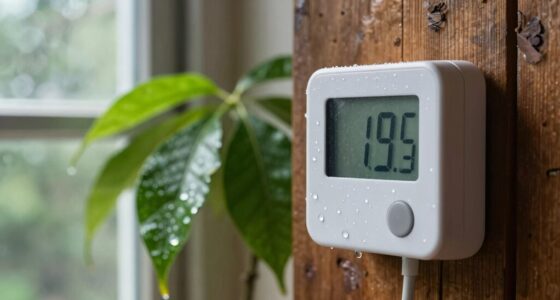
- Record humidity and temperature data as they significantly influence air quality and comfort levels.
- Analyze logged data for trends, noting seasonal variations and potential indoor pollutant sources.
- Implement corrective actions based on identified patterns, such as adjusting ventilation or using air purifiers when necessary.
Understanding Indoor Air Quality Metrics
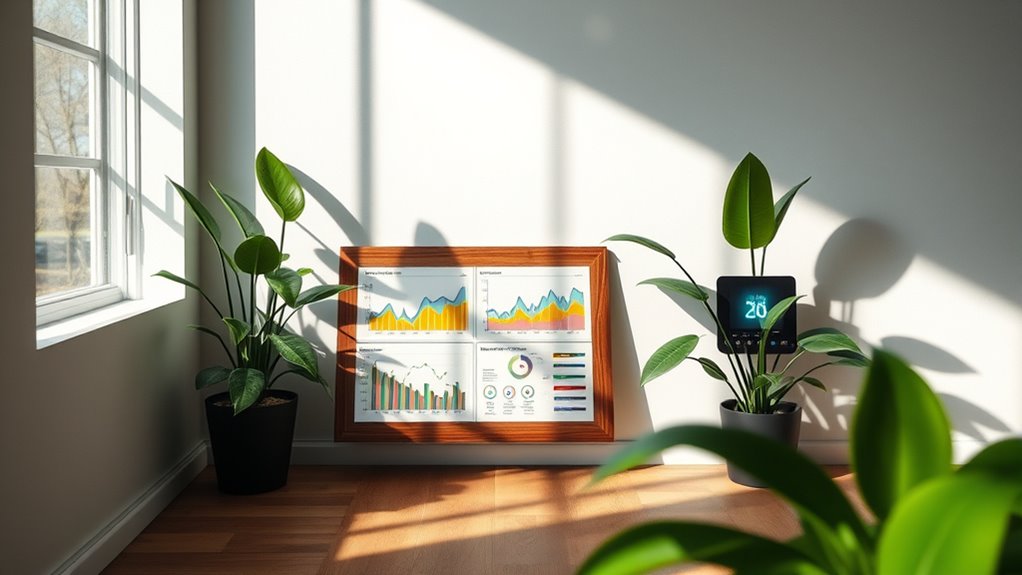
When you think about indoor air quality, understanding the metrics that measure it is vital for maintaining a healthy environment. One key aspect is ventilation effectiveness. This metric indicates how well your ventilation system reduces indoor pollutants, ensuring fresh air circulates throughout your space. By monitoring this, you can identify areas needing improvement. Additionally, ensuring proper air circulation can enhance ventilation effectiveness, further promoting a healthier atmosphere. Furthermore, maintaining best indoor air quality is crucial for overall health. Additionally, recognizing pollutant sources is essential. Common sources include cleaning products, mold, and even furniture. By keeping track of these sources, you can better manage them and reduce their impact on air quality. Incorporating natural materials in your home, such as wood and stone, can also help improve air quality by reducing synthetic pollutants. Regularly evaluating both ventilation effectiveness and pollutant sources will help you create a healthier indoor environment, allowing you to breathe easier and enjoy your space more comfortably. Furthermore, maintaining better indoor air can significantly enhance your overall well-being and comfort in your living space. A key factor in achieving this is ensuring your space has a high contrast ratio, which can also improve visual comfort and reduce eye strain from screens.
Essential Tools for Your Indoor Air Log

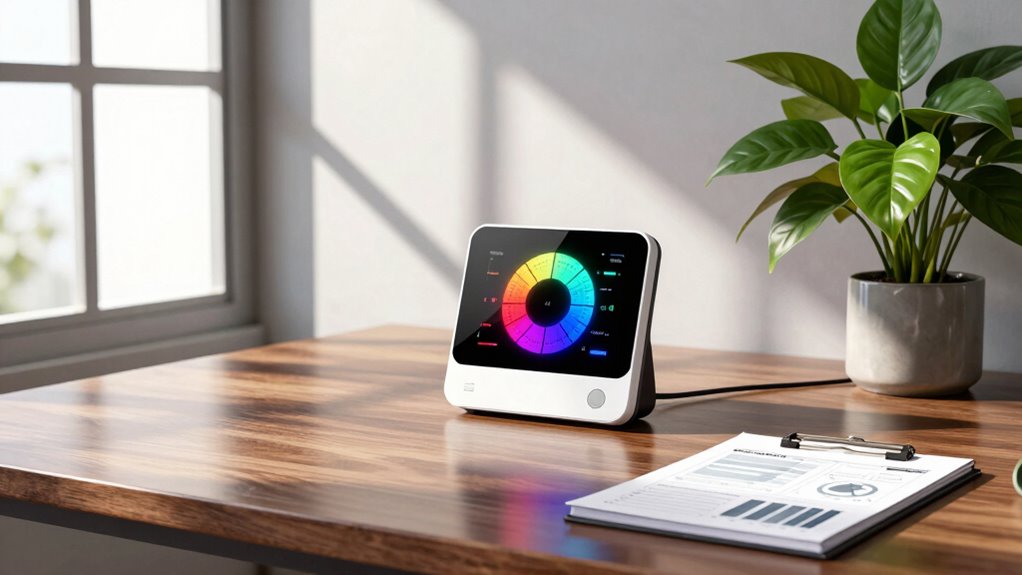
To effectively manage indoor air quality, having the right tools at your disposal is key. Start with a reliable air quality monitor that tracks pollutants and helps identify sources. Consider using a logbook or digital app to record your findings, making it easier to spot trends over time. Implement effective ventilation strategies to enhance air circulation and minimize contaminants. Did you know that humidity levels can significantly impact air quality? Additionally, maintaining smart appliances with proper ventilation systems can further improve air quality by reducing indoor pollutants. Understanding the importance of lease terms can also help you avoid unnecessary costs when leasing equipment or devices that contribute to indoor air quality. Don’t forget to include tools for measuring humidity and temperature, as these factors can influence air quality too. By keeping track of pollutant sources, you’ll gain valuable insights into what affects your indoor environment. With these essential tools, you’re well on your way to creating a healthier space for you and your family. Additionally, consider incorporating eco-friendly practices in your home to further improve air quality and promote sustainability. Utilizing smart home gym equipment can also help maintain a balanced indoor environment while supporting your overall wellbeing.
How to Record Data Effectively

Recording data effectively can make all the difference in understanding your indoor air quality. Start by noting the date, time, and conditions in your log. Track factors like temperature, humidity, and ventilation strategies you’ve implemented. Make sure to record specific allergy triggers you notice, like dust or pet dander, and how they correlate with your indoor environment. Changes in odor, such as ear wax odor, can also indicate shifts in your indoor air quality. Using essential oils like eucalyptus oil can also enhance your indoor air quality by providing natural decongestant properties. Additionally, maintaining a consistent diversification of retirement savings strategy can provide a more stable indoor environment by reducing stress levels that impact air quality. Incorporating wealth protection strategies can help you invest in solutions that improve air quality in your home. Use a consistent format to make your entries clear and easy to analyze later. Consider digital tools or apps for convenience, but a simple notebook works too. Regularly update your log, ideally daily, to capture fluctuations. By keeping detailed records, you’ll gain insights into how your indoor air quality changes, helping you identify patterns and adjust your strategies effectively. Incorporating elements like high-protein breakfast options can also influence indoor air quality by reducing allergens through better dietary choices.
Analyzing the Patterns in Your Data

As you explore your indoor air quality data, you’ll start to uncover meaningful patterns that can inform your decisions. Pay attention to air quality trends over time; for instance, you might notice that levels of pollutants rise during specific months. This could indicate seasonal fluctuations, such as increased dust in the fall or humidity in the summer. Tracking these patterns helps you pinpoint the sources of poor air quality, whether it’s outdoor pollution seeping in or the impact of your indoor activities. By recognizing these trends, you can better understand when to take action and where to focus your efforts. Regularly analyzing your data empowers you to create a healthier indoor environment tailored to your unique circumstances. Additionally, consider implementing a whole-house filtration system to improve overall air quality by reducing airborne contaminants. Smart home technology, such as AI cameras that monitor air quality, can provide real-time insights and enhance your understanding of your indoor environment. Furthermore, utilizing energy-efficient cloud servers can help manage and analyze large datasets on air quality, leading to more informed decisions. It’s also crucial to understand the importance of compassionate caregiving as it can enhance the well-being of seniors affected by poor air quality. Keeping your living space organized and free from clutter can also significantly improve your truck bed’s potential for air circulation, contributing to a more comfortable atmosphere.
Making Informed Changes to Improve Air Quality

While you may uncover various patterns in your indoor air quality data, making informed changes is essential for improvement. Start by focusing on key areas that can considerably enhance your environment:
- Air purifier selection: Choose a model with a HEPA filter to trap allergens and pollutants effectively.
- Humidity control: Maintain indoor humidity levels between 30-50% to prevent mold growth and discomfort.
- Ventilation adjustments: Open windows or use exhaust fans to promote fresh air circulation, especially during peak pollution times. Additionally, understanding how modern car technology works can help you make better decisions about air quality when driving.
Frequently Asked Questions
How Often Should I Check My Indoor Air Quality?
You should check your indoor air quality at least once a week. Using air quality sensors can help you monitor pollutants and allergens in real-time. If you notice fluctuations, increase your log frequency to daily checks for a while. This will let you identify patterns and make necessary adjustments. Keeping a consistent log will also help you understand how different activities or seasons affect your indoor air quality.
Can Pets Affect Indoor Air Quality Readings?
Yes, pets can considerably affect indoor air quality readings. Did you know that over 80% of pet owners report allergy symptoms due to pet dander? This tiny, airborne allergen can trigger reactions and create discomfort. Additionally, pets can introduce odor sources, like urine or food, which can further degrade air quality. By monitoring these factors, you can better understand how your furry friends impact your home’s environment and take steps to improve it.
What Are Common Indoor Air Pollutants?
Common indoor air pollutants include volatile organic compounds (VOCs) and mold spores. VOC levels often rise from household products like paints, cleaners, and solvents, releasing harmful gases that can impact your health. Mold spores, on the other hand, thrive in damp areas, like bathrooms and kitchens, and can trigger allergies or respiratory issues. Keeping your indoor air quality in check is essential for a healthier living environment, so be proactive about monitoring these pollutants.
How Does Humidity Affect Air Quality?
Humidity levels play a vital role in air quality. When humidity’s high, it creates an ideal environment for mold growth, which can lead to respiratory issues and allergies. You might notice that your indoor air feels stuffy or smells musty. Keeping humidity levels between 30% and 50% can help prevent mold and improve overall air quality. Regularly checking humidity levels allows you to maintain a healthier indoor environment for yourself and your family.
Are Air Purifiers Necessary for Good Air Quality?
Air purifiers aren’t strictly necessary for good air quality, but they offer significant benefits. They can reduce allergens, dust, and pollutants, making your indoor environment healthier. When selecting an air purifier, consider factors like room size, filter type, and noise level. A well-chosen air purifier can greatly improve your home’s air quality, especially if you live in an area with high pollution or have allergies. It’s a smart investment for better health.
Conclusion
By starting an indoor air log, you’re taking a vital step toward healthier living. Did you know that indoor air can be up to five times more polluted than outdoor air? Tracking your air quality metrics can help you identify patterns and sources of pollution, empowering you to make informed changes. So, grab those essential tools and start recording—your lungs will thank you, and you’ll breathe easier knowing you’re improving your indoor environment.