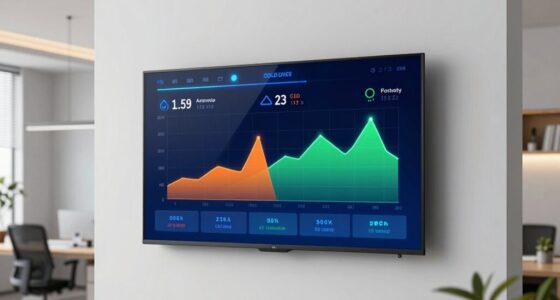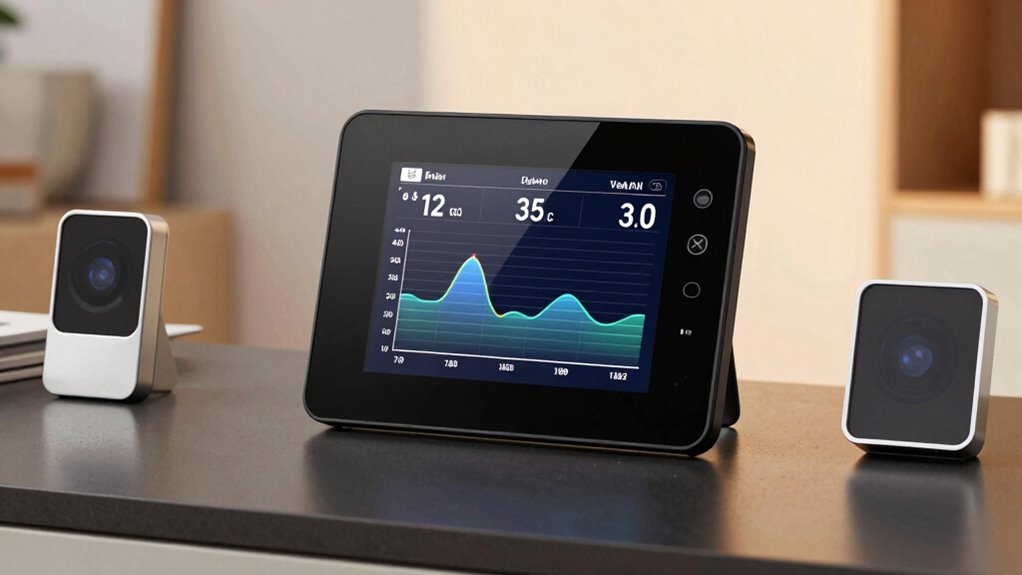

Covering indoor weather stations on an air site protects your sensors from external influences like dust, humidity, and temperature swings that can distort data. It helps maintain sensor integrity, reducing contamination and damage caused by accidental bumps or tampering. By stabilizing internal conditions, coverings guarantee more accurate readings crucial for safety and flight operations. Proper protection also extends sensor lifespan and lowers maintenance costs. Keep exploring to learn how this simple step can considerably enhance your station’s performance.

Get health and wellness essentials delivered free — and shop member deals
- Fast, free delivery on millions of items
- Access to Prime Big Deal Days deals on October 6–7
- Prime Video, Amazon Music and more included
Key Takeaways
- Covering minimizes external environmental influences, ensuring more accurate and consistent weather readings indoors.
- It protects sensors from dust, moisture, and physical damage, prolonging their lifespan and maintaining data integrity.
- A cover stabilizes internal conditions, reducing temperature fluctuations that could skew measurements.
- Proper covering helps preserve calibration and prevents sensor contamination that affects accuracy.
- It enhances safety by preventing tampering, accidental damage, and environmental interference with sensitive equipment.
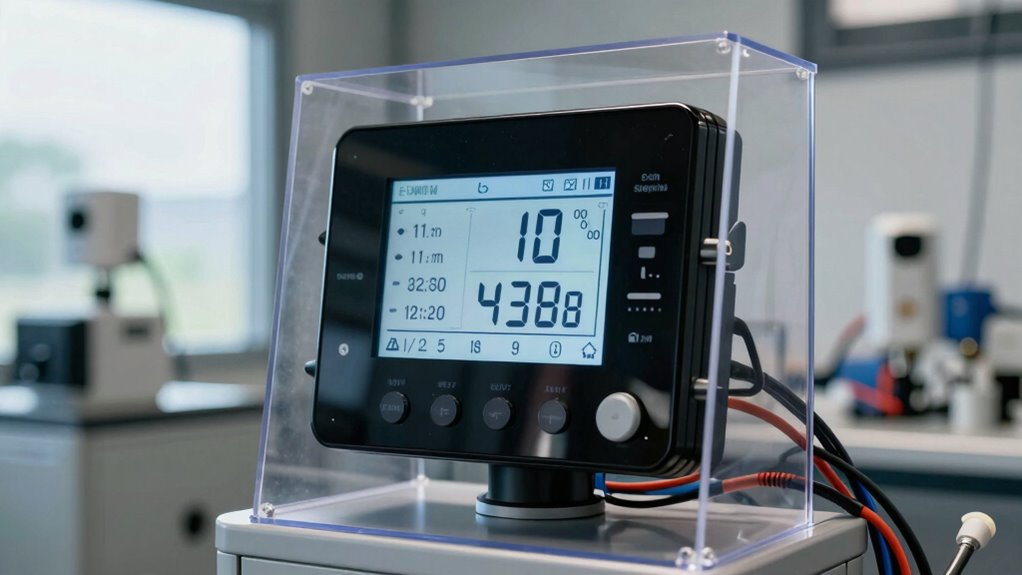
Covering your station also plays a significant role in maintaining outdoor compatibility. Even though the station is indoors, the environment around it affects its readings. Exposure to direct sunlight, high humidity, or fluctuating temperatures can distort the data. A well-protected station minimizes these external influences, helping it better mimic outdoor conditions. sensor protection is essential for long-term accuracy and reliability. Data accuracy is at the heart of why covering your weather station is a smart move. Unprotected sensors can become contaminated or damaged over time, leading to skewed measurements. Dust settling on sensors, moisture ingress, or exposure to temperature extremes can all degrade performance. Covering the station helps preserve sensor integrity, ensuring that your data remains precise and trustworthy. For pilots and meteorologists, even slight inaccuracies can have serious consequences, so maintaining the station’s integrity isn’t just about longevity — it’s about safety and precision. Additionally, covering your indoor weather station can help stabilize its internal environment, reducing fluctuations caused by temperature swings or drafts. This consistency allows the station to maintain calibration and deliver steady readings. Regular sensor maintenance can further enhance the lifespan and accuracy of your equipment, making it a worthwhile investment. Proper sensor calibration is also vital to ensure ongoing precision. Regular inspections also help identify early signs of sensor degradation and prevent costly repairs. You also prevent accidental damage or interference from personnel, animals, or equipment that might otherwise tamper with or accidentally damage exposed sensors. sensor lifespan preservation is crucial for ongoing performance, and consistent upkeep supports this goal.
As an affiliate, we earn on qualifying purchases.
Frequently Asked Questions
Can Indoor Weather Stations Detect Outdoor Temperature Accurately?
Indoor weather stations can detect outdoor temperature, but their accuracy depends on sensor quality and placement. You’ll want to check the sensor accuracy and verify it’s shielded from indoor heat sources that can skew readings. Humidity levels also influence temperature readings, so monitoring both gives you a clearer picture. While they provide useful data, for precise outdoor temperature, specialized stations located outside remain the most reliable option.
Are Indoor Weather Stations Compatible With Smart Home Systems?
Yes, indoor weather stations are compatible with smart home systems, enabling seamless smart home integration. You can connect them to control heating, cooling, and other devices efficiently. This integration boosts energy efficiency by providing real-time indoor conditions, allowing you to optimize your climate control. With smart home compatibility, you gain better automation and remote monitoring, making your home more comfortable and energy-conscious.
How Often Should Indoor Weather Stations Be Calibrated?
Like a trusty compass guiding your journey, you should calibrate your indoor weather station every 6 to 12 months. Regular sensor calibration is key to accuracy maintenance, ensuring your readings stay reliable. Factors like temperature fluctuations or dust can impact performance, so stay vigilant. If you notice inconsistent data, don’t hesitate to recalibrate sooner. Maintaining your station’s precision keeps your indoor climate readings spot-on, just like a well-worn map.
Do Indoor Weather Stations Require Wi-Fi Connectivity?
Indoor weather stations don’t always need Wi-Fi connectivity, but it’s helpful for real-time data access and remote sensor calibration. If you connect to Wi-Fi, make sure your data privacy is protected by using secure networks and updated firmware. Without Wi-Fi, you rely on manual data collection and sensor calibration, which may be less convenient. Ultimately, Wi-Fi enhances functionality, but it’s not always essential for accurate indoor weather monitoring.
Can Indoor Weather Stations Predict Weather Changes?
Did you know that indoor weather stations can often predict weather changes with 85% accuracy? While they don’t forecast long-term weather, they monitor humidity levels and temperature, helping you anticipate shifts. Their sensors, when properly calibrated, provide reliable data on sudden humidity fluctuations or temperature drops. This means you can prepare for weather changes in advance, making indoor weather stations valuable tools, especially when sensor accuracy is maintained.
weather station sensor protection
As an affiliate, we earn on qualifying purchases.
As an affiliate, we earn on qualifying purchases.
Conclusion
Covering your indoor weather station on an air site isn’t just about protection—it’s about ensuring accurate readings and longevity. By shielding it from dust, moisture, and accidental damage, you keep your data reliable and your device in top shape. Don’t you want precise weather info every time you check? Taking these simple steps shows you care about the quality of your observations, so why leave it exposed to unnecessary risks? Protect your investment today.
As an affiliate, we earn on qualifying purchases.
indoor weather station calibration kit
As an affiliate, we earn on qualifying purchases.
As an affiliate, we earn on qualifying purchases.
Fall Picks
fall essentials
As an affiliate, we earn on qualifying purchases.