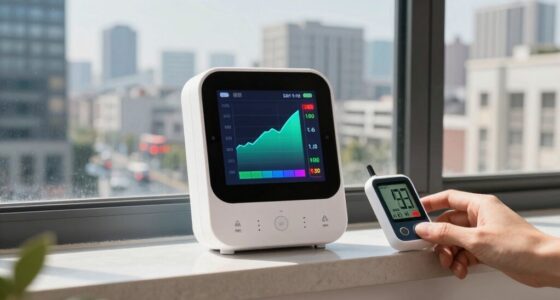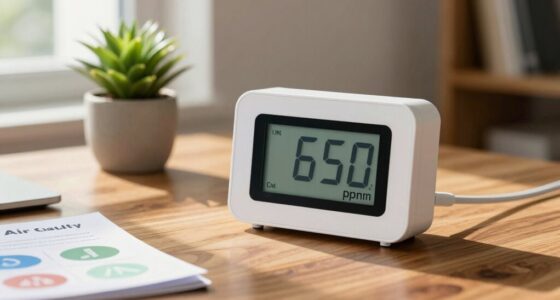

Your sensor placement is vital because even small shifts can cause big data inaccuracies and affect system performance. Proper positioning guarantees you get reliable, meaningful information, while poor placement can lead to misleading results and system issues. Environmental factors like heat, airflow, or interference also play a role. If you’re curious about how to optimize sensor placement for better results, keep going to uncover essential tips and insights.
Open a free Amazon Business account
Business pricing, bulk buying and tax-exempt orders.
As an affiliate, we earn on qualifying purchases.
Key Takeaways
- Proper sensor placement ensures accurate data collection, directly impacting system reliability and environmental monitoring quality.
- Small shifts in placement can cause significant measurement variations, affecting overall system performance.
- Environmental factors like heat, airflow, and electromagnetic interference influence sensor readings, making placement critical.
- Challenging environments require strategic positioning to overcome obstacles and maintain sensor effectiveness.
- Thoughtful placement reduces calibration needs, troubleshooting, and prevents faulty data-driven decisions.
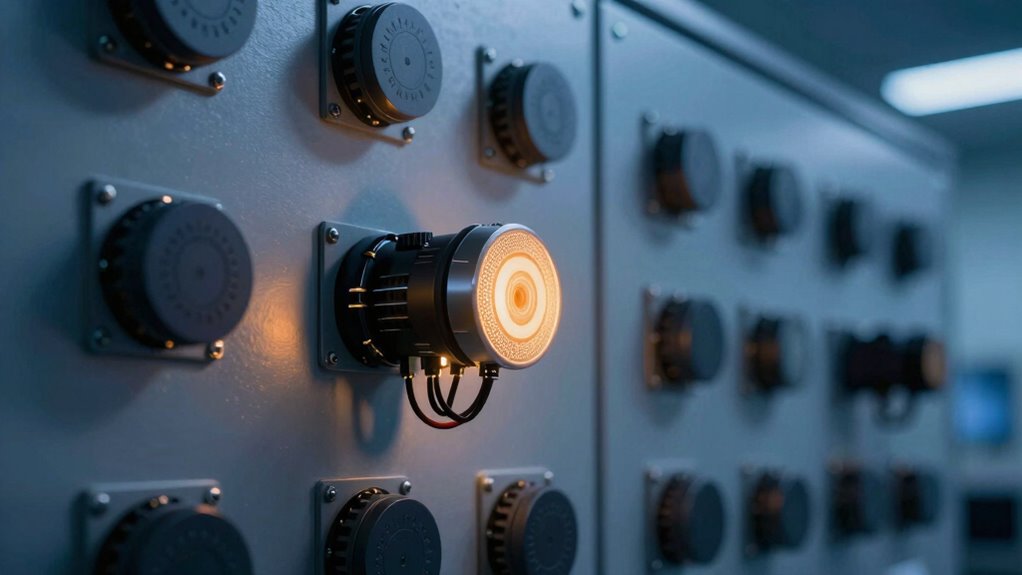
Sensor placement isn’t just a technical detail—it fundamentally changes how systems perform and how accurately they can monitor environments. When you position sensors thoughtfully, you guarantee the data they gather is reliable and meaningful. Poor placement, on the other hand, can lead to inaccurate readings that compromise your entire system. Data accuracy hinges on where sensors are installed because even small shifts can cause significant variations in measurements. If a sensor is placed too close to a heat source or in a location with airflow disturbances, its readings won’t reflect the broader environment accurately. That means you might make decisions based on faulty data, leading to inefficiencies or failures. Proper placement maximizes the sensor’s ability to capture true environmental conditions, whether it’s temperature, humidity, motion, or other parameters.
Thoughtful sensor placement ensures accurate data, reliable system performance, and informed decision-making.
Of course, achieving ideal placement isn’t always straightforward. Installation challenges often come into play, especially in complex or constrained environments. You may face physical obstacles like narrow spaces, structural elements, or sensitive equipment that limit where you can position sensors. Additionally, you might encounter issues with accessibility, making maintenance or adjustments difficult over time. Sometimes, wiring or power supply constraints force compromises on perfect locations, which can degrade data quality. Overcoming these challenges requires careful planning upfront, considering both the environment and the purpose of the sensors. It’s important to work with detailed blueprints and conduct thorough site surveys to identify the best spots for sensor installation. Recognizing the importance of sensor placement helps ensure data reliability and system effectiveness.
Furthermore, the environment itself can be unpredictable, with variables like vibrations, temperature fluctuations, and electromagnetic interference affecting sensor performance. These factors make it even more critical to choose the right placement from the start. Proper placement also involves understanding environmental factors that may influence sensor accuracy, such as electromagnetic interference or vibration sources. Incorporating knowledge about environmental conditions can help prevent issues that compromise data quality. Additionally, staying aware of potential interference sources can be crucial for maintaining sensor performance over time. When sensors are positioned correctly, they not only deliver high data accuracy but also reduce the need for frequent recalibration or troubleshooting. This saves you time and resources in the long run. Moreover, considering installation environment can help in selecting appropriate sensor types that are better suited for challenging conditions, further enhancing system reliability.
Ultimately, the significance of sensor placement cannot be overstated. It’s the foundation for a robust monitoring system that provides dependable data. By understanding and addressing installation challenges, you set yourself up for success, ensuring your sensors perform at their best and your data remains precise. When you prioritize thoughtful placement, you’re not just installing sensors—you’re laying the groundwork for smarter, more effective systems that truly change how you monitor and respond to your environment.
environmental sensor placement tools
As an affiliate, we earn on qualifying purchases.
As an affiliate, we earn on qualifying purchases.
Frequently Asked Questions
How Does Sensor Placement Impact Data Accuracy?
Sensor placement greatly impacts data accuracy because it influences sensor calibration and data consistency. When you position sensors correctly, they capture precise readings, reducing errors caused by environmental factors or interference. Poor placement can lead to inconsistent data, making calibration difficult and compromising reliability. By optimizing sensor placement, you guarantee more accurate measurements and maintain consistent data streams, which are essential for reliable analysis and decision-making.
What Are Common Mistakes in Sensor Positioning?
You often make mistakes in sensor positioning by neglecting proper sensor calibration and inconsistent placement. Guarantee sensors are calibrated regularly for accurate readings, and avoid moving them around, which disrupts data consistency. Poor placement—like positioning sensors in areas with interference or uneven surfaces—can skew results. Always double-check your sensor location and calibration before collecting data to improve reliability and accuracy. Proper placement and calibration are key to trustworthy measurements.
Can Sensor Placement Affect Device Lifespan?
Yes, sensor placement can affect device lifespan by impacting sensor durability. Poor placement exposes sensors to harsh conditions or unnecessary stress, causing faster wear and tear. By optimizing placement, you guarantee sensors operate under ideal conditions, reducing damage risks. Proper placement not only enhances accuracy but also extends the device’s overall lifespan. Focus on strategic placement to maximize durability and maintain reliable performance over time.
How Do Environmental Factors Influence Sensor Placement?
Think of environmental factors as the weather in a Shakespearean play—changing conditions demand different strategies. You should consider environmental considerations like temperature, humidity, and exposure to elements when planning sensor placement. These factors influence sensor accuracy and durability, guiding your sensor placement strategies. By adapting to these conditions, you guarantee your sensors perform at their best, just as a wise actor adjusts to the stage, making your data reliable and long-lasting.
Are There Industry Standards for Optimal Sensor Locations?
Yes, there are industry standards for ideal sensor locations, but they often vary based on application. You should consider sensor calibration to guarantee accurate readings and focus on placement ergonomics to prevent interference or damage. Proper placement enhances data reliability, so follow manufacturer guidelines and best practices for your specific industry. Regular calibration and ergonomic positioning help maintain sensor performance and ensure consistent, high-quality results.
temperature and humidity sensor kit
As an affiliate, we earn on qualifying purchases.
As an affiliate, we earn on qualifying purchases.
Conclusion
Just like Da Vinci’s Mona Lisa, the true magic lies in the details — in where you place your sensors. A slight shift can reveal a world of insights, turning chaos into clarity. Remember, it’s not just about the technology but the art of placement; this is your secret weapon. When you understand that, you’re not just collecting data—you’re painting a masterpiece of understanding, one precise position at a time.
As an affiliate, we earn on qualifying purchases.
electromagnetic interference shielding for sensors
As an affiliate, we earn on qualifying purchases.
As an affiliate, we earn on qualifying purchases.
Fall Picks
fall essentials
As an affiliate, we earn on qualifying purchases.