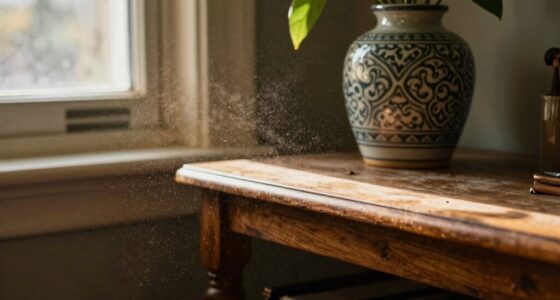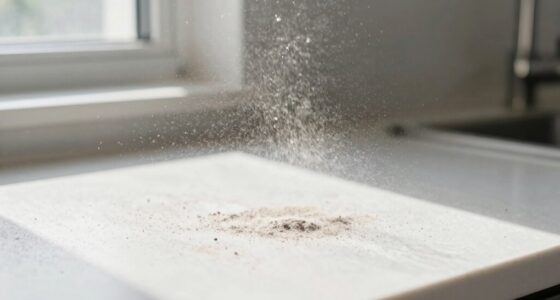
Pet allergens in dust spread easily because tiny particles from fur and dander cling to surfaces and become embedded in carpets, upholstery, and bedding. These allergens are constantly stirred up by vacuuming, movement, and airflow, circulating throughout your home. Dust mites also thrive on pet dander, adding to the problem. Aeration keeps allergens airborne for hours, making it hard to escape them. If you want to understand how to reduce this spread effectively, keep exploring the details below.
Key Takeaways
- Pet allergens are tiny particles that attach to dust and easily become airborne through everyday movements.
- Surfaces like carpets and upholstery act as reservoirs, trapping allergens that are stirred up during cleaning or activity.
- Dust mites feed on pet dander and thrive in humid environments, increasing allergen levels.
- Air circulation from fans, doors, and ventilation spreads allergens throughout the home.
- Regular cleaning and high-efficiency filters help reduce the spread but cannot completely eliminate pervasive allergens.
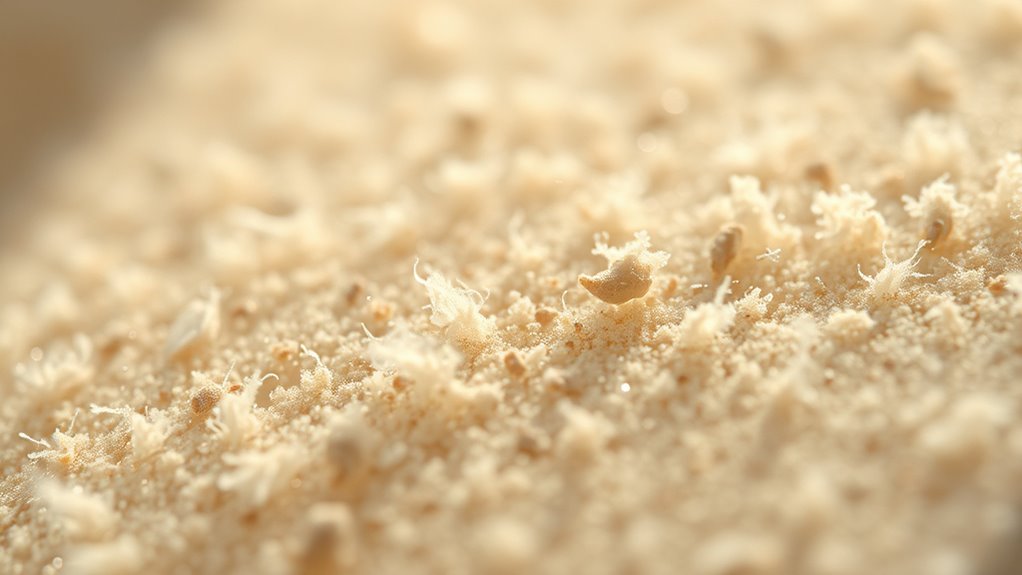
Pet allergens often hide in household dust, making it difficult for allergy sufferers to breathe easily even when they’re not around their pets. These tiny particles cling to surfaces, settle into fibers, and become part of the dust you constantly sweep or vacuum away. Because dust is ever-present and constantly circulating in the air, allergens don’t stay put for long. Instead, they spread quickly, infiltrating every corner of your home. This constant movement is what makes pet allergens so persistent and hard to eliminate.
Pet allergens hide in dust, spreading easily and making allergy relief challenging even without your pet nearby.
When your pet sheds fur or dander, these particles don’t just stay on their coat. They get picked up by the air and settle into your carpets, upholstery, bedding, and curtains. Over time, these surfaces act like reservoirs, holding onto allergens until disturbed. Every time you vacuum, dust, or walk through a room, you stir up these particles, releasing them into the air. Even gentle activities like fluffing cushions or making the bed can send allergens airborne. Once in the air, they can stay suspended for hours, making it easy for you to inhale them deeply.
Pets aren’t the only source of allergens in dust; their dander attaches to dust mites, pollen, and other debris, compounding the problem. Dust mites, tiny creatures that thrive in warm, humid environments, feed on pet dander and contribute to the allergen load. As they multiply, they release their own waste, which becomes another allergen in the mix. This creates a cycle where pet dander and dust mites continually reinforce each other’s presence, making your home an allergen-rich environment. Because dust particles are so small, they easily bypass your nose’s defenses, settling deep into your respiratory system.
The spread of pet allergens through dust isn’t just about proximity. Air currents, movement, and even ventilation systems help circulate these particles throughout your home. Every time you open a door or turn on the fan, you send dust and allergens into the air. They settle on surfaces again, only to be disturbed later. This constant cycle means allergens are rarely completely gone, which is why allergy symptoms persist even when your pet isn’t nearby. The best way to reduce allergen spread is to control dust levels—regular cleaning, high-efficiency filters, and minimizing clutter can help, but complete elimination remains challenging because these particles are so light and pervasive.
In essence, pet allergens in dust are mobile, persistent, and widespread. Their ability to cling to surfaces, become airborne, and circulate throughout your home explains why they spread so easily. Understanding this cycle can help you take targeted steps to reduce exposure and breathe a little easier, even when your furry friend isn’t in the room. Attention to detail and consistent cleaning routines are crucial components of an effective allergy management strategy.

LEVOIT Air Purifier for Home Allergies and Pets Hair Smokers in Bedroom, H13 True HEPA Filter, 24db Filtration System Cleaner Odor Eliminators, Remove 99.97% Dust Smoke Mold Pollen, Core 300, White
- AHAM Verified for Performance: Independently tested for air quality and efficiency
- Powerful Filtration System: 56W motor with 143 CFM CADR
- Effective for Large Rooms: Cleans 222 sq ft 4.8 times/hour
As an affiliate, we earn on qualifying purchases.
Frequently Asked Questions
How Long Do Pet Allergens Stay Airborne After Cleaning?
Pet allergens can stay airborne for several hours after you clean, especially if you don’t use proper ventilation or air purifiers. When you vacuum or dust, tiny particles are released into the air and can linger, making it easy to breathe them in. To reduce this, open windows, use high-efficiency filters, and clean regularly. These steps help clear allergens faster and keep your indoor air healthier.
Do All Pets Produce the Same Level of Allergens?
You might think all pets produce the same amount of allergens, but that’s not true—some produce allergens like a firehose, while others are more like a gentle drizzle. Cats, especially, tend to produce more allergens than dogs, and even within breeds, individual animals can vary. Your pet’s size, coat, and health also influence allergen levels. So, it’s a mix, and not all pets are equally allergenic.
Can Pet Allergens Be Detected With Home Testing Kits?
Yes, you can detect pet allergens with home testing kits. These kits usually involve collecting dust samples from your home and sending them to a lab or using a test device. They help identify the presence of common pet allergens like dander and saliva proteins. Keep in mind, while they can give you an idea, professional testing might be more accurate if you need precise results.
What Are the Best Ways to Reduce Allergen Spread?
Imagine allergens as tiny invaders that love to hide everywhere. To reduce their spread, vacuum regularly with a HEPA filter, and dust with a damp cloth to trap allergens instead of spreading them. Keep pets off furniture and bedrooms, wash bedding frequently, and use air purifiers to filter out airborne particles. These steps act like a shield, making your home less inviting for allergens and helping you breathe easier.
Are Certain Surfaces More Likely to Harbor Pet Allergens?
Certain surfaces are more likely to harbor pet allergens, especially soft fabrics like carpets, upholstery, and curtains. These materials trap dander and hair more easily than hard surfaces like tile or hardwood floors. You should focus on cleaning and vacuuming carpets regularly, using HEPA filters, and wiping down hard surfaces often. This helps reduce allergen buildup and keeps the environment healthier for allergy sufferers.

MOOKA Air Purifier for Bedroom Home Dorm 430 Ft², Compact HEPA Air Cleaner
- True HEPA Filter with 360° Air Intake: Removes dust, smoke, pollen, pet dander
- Compact & Portable Design: Powered via USB for versatile use
- Universal Voltage Compatibility: Works with 110-240V power sources
As an affiliate, we earn on qualifying purchases.
Conclusion
You might be surprised to learn that pet allergens can settle in dust and spread throughout your home so easily. In fact, studies show that over 90% of homes with pets contain dust that carries these allergens. This means even if you’re careful, you could still be exposed without realizing it. Staying vigilant and regularly cleaning can help reduce your exposure and keep your indoor environment healthier for everyone, especially allergy sufferers.
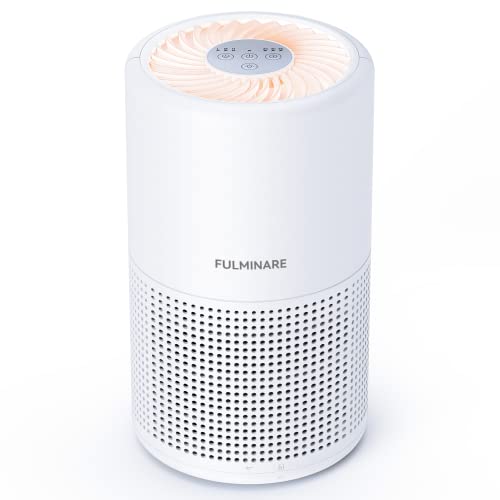
Air Purifiers for Bedroom, FULMINARE H13 True HEPA Air Filter, Quiet Air Cleaner With Night Light, Portable Small Air Purifier for Home, Office, Living Room
- Efficient Particle Filtration: H13 HEPA filter for clean air
- High Circulation Rate: 360° air outlet, refreshes 5x/hour
- Suitable for 215 sq ft rooms: Effective in small to medium rooms
As an affiliate, we earn on qualifying purchases.

VOOPNU Air Purifiers for Bedroom, High Efficiency Filter, 1076 Ft², Black
- Easy-to-Use Control Panel: Intuitive design for simple operation
- Compact and Powerful: Covers 1076 ft² in a small size
- 360° Airflow Design: Ensures even air purification
As an affiliate, we earn on qualifying purchases.