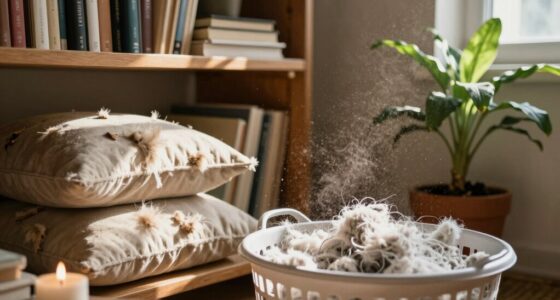
During snowstorms, sealing your home keeps the cold out but traps indoor pollutants, moisture, and allergens, causing indoor air quality to decline rapidly. Without proper ventilation, these issues worsen, leading to discomfort, mold growth, or health problems for allergy and asthma sufferers. Using exhaust fans or mechanical ventilation helps introduce fresh air and remove pollutants. Keep in mind, understanding different ventilation strategies can make a big difference in maintaining a healthy indoor environment during winter storms.

Get health and wellness essentials delivered free with Prime
- Fast, free delivery on millions of items
- Prime Video, Amazon Music and more included
- Member-only deals all year
Key Takeaways
- Snowstorms often lead to sealed homes, trapping indoor pollutants, allergens, and moisture, worsening indoor air quality.
- Limited ventilation during storms causes indoor pollutant buildup and increased humidity, risking mold and structural damage.
- Recirculating indoor air without fresh air intake can elevate pollutant levels and reduce indoor air freshness.
- Controlled fresh air exchange, via brief window opening or mechanical ventilation, helps maintain healthier indoor environments.
- Proper ventilation systems with heat recovery are essential to balance indoor air quality and energy efficiency during snowstorms.
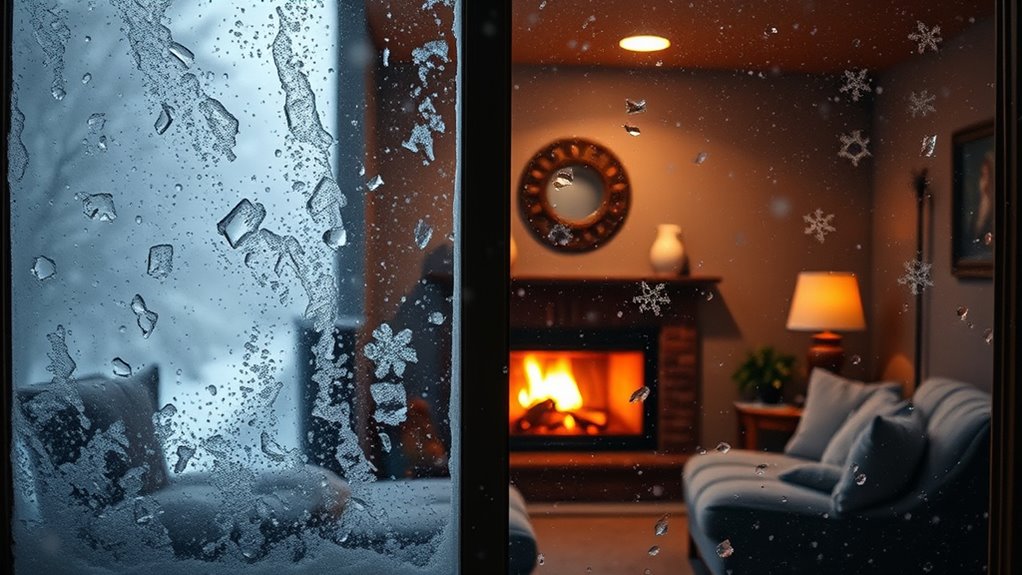
Have you ever wondered how snowstorms affect the air inside your home? When the weather outside turns harsh and snowy, your instinct might be to close windows and doors tightly to keep the cold out. While this seems like a good idea, it can create a hidden problem: your home becomes a sealed environment with limited fresh air exchange. This phenomenon, often called the “closed house” problem, can lead to poor indoor air quality and potential health issues.
During a snowstorm, the outside air is often cold, damp, and filled with pollutants like vehicle exhaust or airborne particles from nearby activities. When you keep your house tightly shut, these contaminants don’t escape, and fresh air can’t replace stale indoor air. Over time, your indoor environment becomes a closed system, where pollutants, allergens, and moisture accumulate. This buildup can cause discomfort, especially for those with allergies, asthma, or respiratory sensitivities. You might notice lingering odors, increased congestion, or irritation of your eyes and throat.
Keeping your home sealed during snowstorms traps pollutants, allergens, and moisture, worsening indoor air quality.
Additionally, the lack of proper ventilation can cause moisture to linger inside your home. Snowstorms often bring high humidity levels, and without adequate airflow, this excess moisture can lead to condensation on windows, walls, and ceilings. Over time, this dampness fosters mold growth and structural damage, further deteriorating indoor air quality. Poor ventilation also means that any indoor sources of pollution—like cooking fumes, cleaning products, or cigarette smoke—remain trapped inside, compounding the problem.
You might think that turning on your heating system helps, but many heating systems recirculate indoor air without bringing in fresh air unless you have a dedicated ventilation system. If your home relies solely on filters or fans without fresh air intake, indoor pollutants can build up rapidly during a snowstorm. This is especially problematic when you’re trying to stay cozy and warm, as the focus on insulation and sealing can inadvertently worsen air quality issues.
To combat the “closed house” problem, you need to find ways to introduce fresh air safely during snowstorms. Simple measures like opening a window briefly or using exhaust fans can help, but the key is to do so in a controlled way. Installing a mechanical ventilation system with heat recovery can provide continuous fresh air without losing heat, ensuring that your indoor air stays fresh and healthy. Remember, even during winter storms, maintaining good indoor air quality is essential for your comfort and well-being. Additionally, understanding the importance of ventilation systems in maintaining air quality can help you make informed decisions about your home environment.
Frequently Asked Questions
How Can I Improve Indoor Air Quality During Snowstorms?
To improve indoor air quality during snowstorms, you should regularly ventilate your home when possible, even briefly opening windows or vents. Use exhaust fans in kitchens and bathrooms to remove pollutants. Keep your HVAC system well-maintained and change filters frequently. Incorporate air purifiers with HEPA filters to reduce allergens and pollutants. Ultimately, avoid smoking indoors and limit the use of harsh cleaning chemicals for cleaner air during storms.
Are Indoor Air Purifiers Effective in Closed Houses?
In the spirit of the Roaring Twenties, indoor air purifiers are quite effective in closed houses. They actively filter out pollutants, dust, and allergens, improving air quality even when windows and doors stay shut. You should choose a purifier with a HEPA filter for best results. While they aren’t perfect, they considerably reduce airborne contaminants, making your indoor environment safer and more comfortable during snowstorms.
What Signs Indicate Poor Indoor Air Quality Inside?
You might notice persistent odors, which indicate trapped pollutants. If you experience headaches, dizziness, or allergy symptoms that don’t improve, poor air quality could be the cause. Excess humidity or condensation on windows suggests moisture buildup, fostering mold growth. Visible dust or soot is another sign. If your indoor environment feels stale or stuffy despite ventilation efforts, these are clear indicators that your air quality needs attention.
How Often Should I Ventilate My Home During a Snowstorm?
You should ventilate your home at least once or twice a day during a snowstorm, even if it’s cold outside. Open windows or vents for about 5 to 10 minutes to refresh the air without losing too much heat. If you have a ventilation system, use it regularly to improve air quality. Prioritize ventilation when indoor air feels stale or you notice odors, humidity, or condensation.
Can Indoor Plants Help With Air Quality During Winter?
Indoor plants can help improve your air quality during winter, especially when your home is tight and sealed against the cold. As you place lush greenery around, you might notice fresher air and a calming vibe. Plants like spider plants and snake plants actively filter toxins, making your space feel healthier. So, while you’re cozy inside, these living decor pieces work silently to boost your indoor air quality.
Conclusion
As snowstorms trap you inside, the air you breathe becomes more vital than ever. Without proper ventilation, you’re risking a buildup of pollutants that could turn your home into a dangerous toxic cloud—faster than you can imagine. Don’t let the “closed house” problem turn your cozy refuge into a silent, deadly trap. Take action now: open your windows briefly, use air purifiers, and breathe easy knowing you’re fighting back against the invisible threat lurking inside.
Halloween Picks
halloween
As an affiliate, we earn on qualifying purchases.