
Linking carbon monoxide and indoor air quality articles helps you understand how pollution sources, ventilation, and health risks are all connected. When you see these topics together, you can better identify dangers like faulty appliances or exhaust leaks and take effective actions. This integrated approach shows how improving ventilation can reduce CO levels and prevent harm. Keep exploring these connections, and you’ll discover how to create safer indoor environments more effectively.
Listen free for 30 days with Audible
Thousands of audiobooks and originals — cancel anytime.
As an affiliate, we earn on qualifying purchases.
Key Takeaways
- Linking articles enhances understanding of how pollutant sources directly impact indoor air quality and health risks.
- It promotes a holistic approach by connecting source identification with effective ventilation strategies.
- Cross-referencing improves awareness of carbon monoxide hazards and prevention methods within broader indoor air topics.
- It supports proactive safety measures by integrating pollutant management with ventilation improvements.
- Connecting these topics encourages comprehensive decision-making for healthier indoor environments.
Have you ever wondered how frequently indoor air articles connect and share vital information? It’s a good question, especially considering how essential indoor air quality is to your health and safety. When reading about indoor environments, you might notice that topics like ventilation improvements and pollutant sources often seem isolated, but they’re deeply interconnected. Linking articles that focus on carbon monoxide with broader indoor air topics can create a more thorough understanding of how pollutants enter, circulate, and can be controlled inside buildings.
For example, ventilation improvements are vital for reducing indoor pollutant levels, including carbon monoxide. Proper ventilation helps dilute and remove harmful gases, but only if the sources of pollutants are identified and understood. When articles discuss pollutant sources, they often highlight common causes like faulty appliances, vehicle emissions, or improper venting. Connecting these with information about ventilation allows readers to see the full picture: how reducing pollutant sources and enhancing airflow work together to protect indoor air quality. This synergy makes the advice more practical and actionable.
Carbon monoxide, being a silent but deadly pollutant, warrants special attention. It often originates from household appliances, heating systems, or car exhausts that infiltrate indoor spaces. When indoor air articles link discussions about carbon monoxide with broader topics about pollutant sources, it becomes easier for you to recognize potential hazards in your own environment. You learn that addressing pollution isn’t just about installing detectors but also about understanding and controlling where the gas might come from. Similarly, linking these articles to ventilation improvements clarifies that increasing airflow isn’t just about comfort; it’s about safety. Proper ventilation can effectively reduce carbon monoxide buildup, especially when pollutant sources are well-managed.
Sharing information across these topics leads to better-informed decisions. For instance, if you read an article about pollutant sources, it can prompt you to evaluate your home’s ventilation system. Conversely, understanding ventilation improvements can motivate you to address specific pollutant sources. When articles connect these ideas, they foster a more holistic approach to indoor air quality, emphasizing prevention and control. It also highlights the importance of preventive measures, which can significantly improve indoor safety. Recognizing how biodiversity impacts indoor environments can further enhance understanding of how ecosystems influence air quality and pollutant dynamics. Additionally, understanding how indoor ecosystems interact with pollutants can help you make more targeted improvements for healthier living spaces.
In the end, linking indoor air articles on topics like carbon monoxide, pollutant sources, and ventilation improvements isn’t just academic; it’s essential for your safety. It encourages a thorough perspective that highlights how these elements work together to create healthier indoor environments. When information is interconnected, you’re empowered to take more effective steps toward ensuring your indoor air is safe and clean. Recognizing the role of air exchange rates can also help optimize ventilation systems for better pollutant removal.
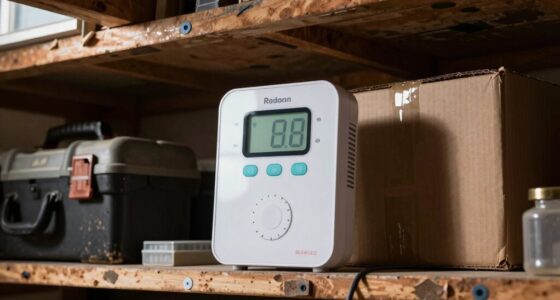
carbon monoxide detector with digital display
As an affiliate, we earn on qualifying purchases.
As an affiliate, we earn on qualifying purchases.
Frequently Asked Questions
How Does Carbon Monoxide Impact Indoor Air Quality?
Carbon monoxide considerably impacts indoor air quality by reducing oxygen levels and creating health risks. Poor indoor ventilation traps this odorless, colorless gas, increasing exposure. You might experience headaches, dizziness, or worse with prolonged exposure. To protect yourself, guarantee proper ventilation and regular maintenance of appliances. Linking articles about carbon monoxide and indoor air quality helps you understand these risks better and take proactive steps to keep your indoor environment safe and healthy.
What Are Common Sources of Indoor Carbon Monoxide?
You should be aware that common sources of indoor carbon monoxide include malfunctioning appliances like gas furnaces, stoves, water heaters, and fireplaces. Poor ventilation strategies can trap this dangerous gas inside, increasing health risks. To guarantee appliance safety, regularly maintain and inspect these appliances, and improve airflow with proper ventilation. Staying vigilant helps prevent CO buildup, protecting you and your loved ones from its harmful effects.
How Can Linking Articles Improve Public Awareness?
Linking articles acts like a web of safety nets, catching your attention and spreading awareness. By connecting information on carbon monoxide risks and indoor air quality, you strengthen risk awareness and make essential details more accessible. This seamless information sharing helps you recognize hazards faster, empowering you to take action. When articles link, they create a ripple effect, turning isolated facts into a powerful tool for public safety and education.
Are There Specific Indoor Environments at Higher Risk?
You’re at higher risk in indoor environments with poor ventilation habits, where carbon monoxide can accumulate unnoticed. Spaces with limited airflow, such as garages or poorly ventilated kitchens, pose greater dangers. Indoor plants, while generally beneficial, can sometimes contribute to indoor air quality issues if overused or placed in sealed areas. Ensuring good ventilation and mindful placement of plants helps reduce carbon monoxide buildup, making your environment safer.
What Are Effective Ways to Reduce Indoor Carbon Monoxide?
Imagine you’re on a spaceship—effective ventilation strategies are your best defense against indoor carbon monoxide. You should install and regularly test carbon monoxide detectors in key areas, especially near fuel-burning appliances. Ensuring proper ventilation by opening windows, using exhaust fans, and maintaining appliances also reduces CO buildup. These steps directly lower risks, helping you keep indoor air safe and breathable, even in tight or poorly ventilated spaces.
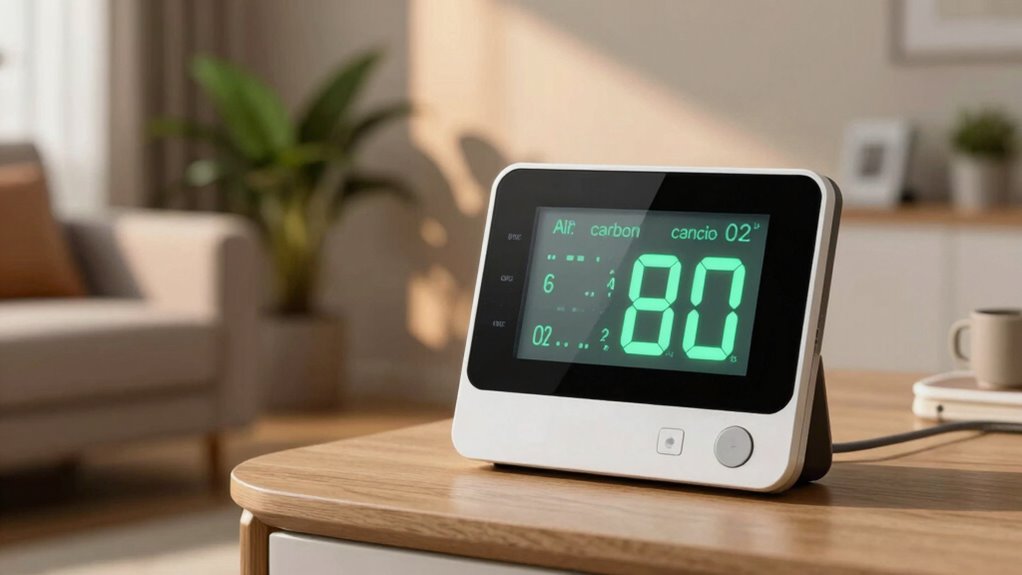
indoor air quality monitor with VOC sensor
As an affiliate, we earn on qualifying purchases.
As an affiliate, we earn on qualifying purchases.
Conclusion
You’d think that with all the talk about indoor air quality, we’d naturally connect articles on carbon monoxide and indoor air threats. Yet, they often stand alone, missing the bigger picture. Ironically, the very dangers that threaten your health are often overlooked because of silos in information. If we’d just link these topics more, maybe we’d finally realize how interconnected our safety truly is—before it’s too late. Don’t wait for tragedy to connect the dots.
As an affiliate, we earn on qualifying purchases.
household appliance carbon monoxide alarm
As an affiliate, we earn on qualifying purchases.
As an affiliate, we earn on qualifying purchases.
NFL season / tailgating Picks
team gear
As an affiliate, we earn on qualifying purchases.