You’re often misled about ozone because many don’t differentiate between its helpful high-altitude form and the harmful ground-level version. While ozone in the upper atmosphere blocks UV rays, ground-level ozone can cause health issues and worsen air quality indoors. Marketing claims like “ozone-free” can add to the confusion, making you overlook important safety details. To make better choices, understanding these differences is key—stick around, and you’ll discover what really matters.
Key Takeaways
- Misunderstanding the difference between beneficial atmospheric ozone and ground-level ozone leads to misconceptions about safety.
- Marketing claims like “ozone-free” can be misleading, obscuring the actual technology and safety standards of products.
- Lack of consumer awareness about ozone regulation standards causes confusion about acceptable indoor ozone levels.
- Some indoor ozone generators are incorrectly perceived as harmful, despite being regulated for safe use when properly operated.
- Confusion persists because educational efforts often fail to clearly distinguish ozone’s beneficial versus harmful roles.
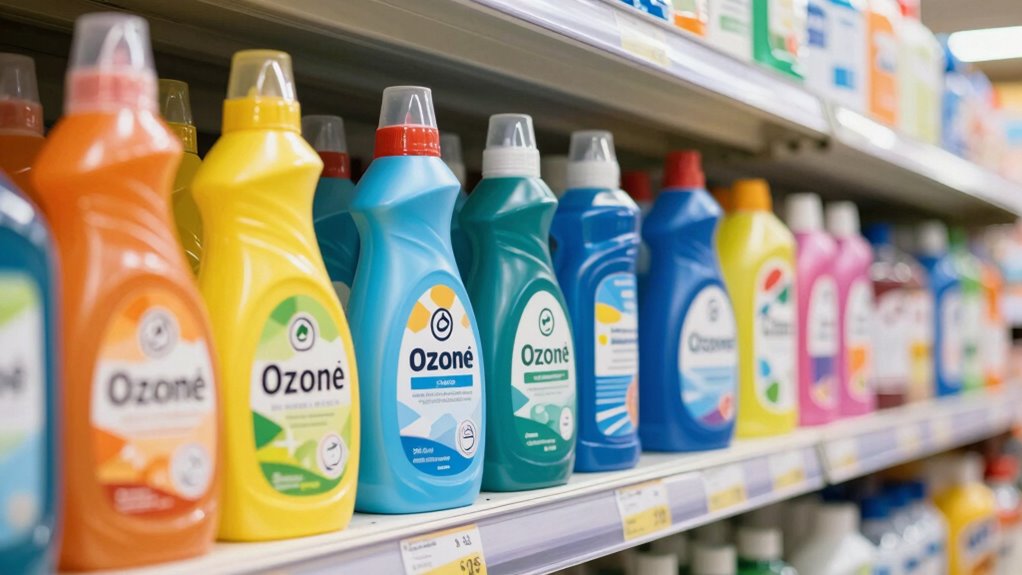
Many shoppers are confused about ozone and its role in our environment, often mistaking it for something harmful in everyday products. This confusion stems from the fact that ozone exists in two different forms—one beneficial and one potentially damaging. When you hear about ozone in the news or see it referenced in product labels, it’s easy to get mixed up about whether it’s good or bad. The ozone you find high in the atmosphere acts as a protective shield, blocking harmful ultraviolet rays, which is essential for our environmental impact. However, ground-level ozone, which forms from pollutants, can cause health issues and contribute to smog, leading many to think all ozone is dangerous. This misunderstanding impacts your perception of indoor air quality. You might assume that products containing ozone or ozone-generating devices are harmful, but that’s not always the case.
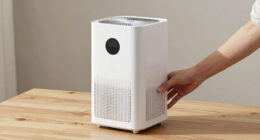
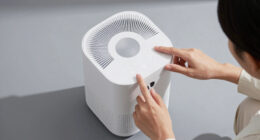
Indoor air quality is a significant concern, especially since we spend a large portion of time indoors. Some air purifiers and cleaning devices release ozone to help eliminate odors and airborne bacteria. While these devices can be effective, many shoppers worry that using ozone indoors could harm their health. The truth is, low levels of ozone can be helpful in reducing certain indoor pollutants, but excessive exposure can irritate your lungs and worsen respiratory conditions. You need to understand that not all ozone emissions are created equal, and the environmental impact varies depending on how these devices are used. Properly regulated ozone generators are designed to operate within safe limits, but misinformation often leads people to avoid these options altogether, missing out on potential benefits. Additionally, understanding the atmospheric ozone helps clarify why its effects differ so significantly depending on the context. Recognizing the difference between ozone production methods can help consumers make more informed choices about air purification. Moreover, awareness of ozone regulation standards can guide consumers toward safer products and usage practices.
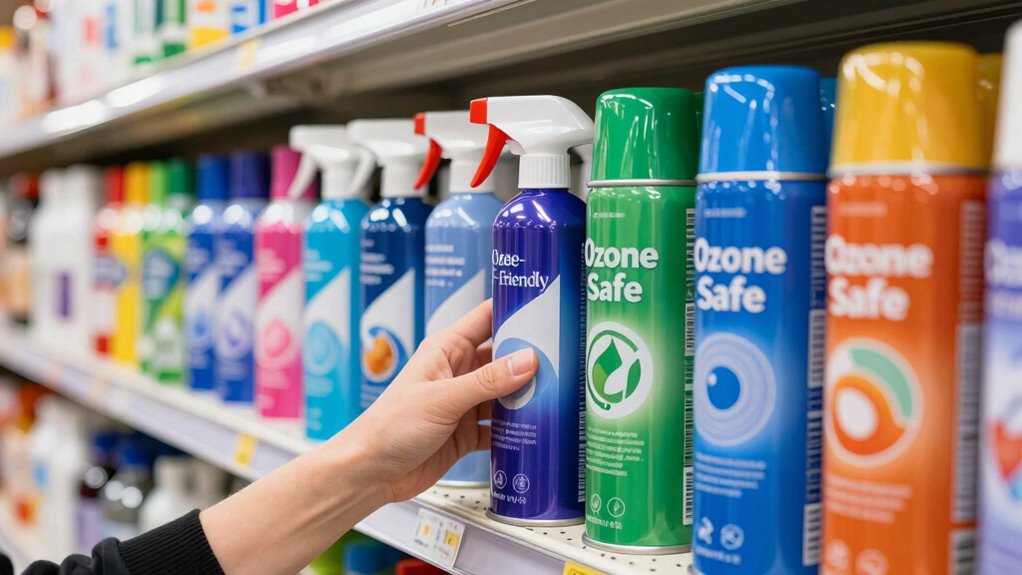
Being aware of ozone levels regulation can also help consumers understand which devices are safer and compliant with health standards. This knowledge is crucial because ozone concentration in indoor environments varies widely depending on the device and its settings. The confusion around ozone also affects how you interpret product labels and marketing claims. Terms like “ozone-free” are used to reassure consumers, but they don’t always tell the full story. Some products labeled as “ozone-free” may rely on alternative technologies that are equally effective without producing ozone. Conversely, some ozone-generating devices are marketed as solutions for cleaner indoor air, yet many shoppers remain skeptical due to the negative associations with ground-level ozone pollution. This ongoing misunderstanding hampers your ability to make informed decisions about indoor air quality and environmental impact. Ultimately, understanding the difference between atmospheric ozone and ozone used in air purification is key to dispelling myths and choosing safer, more effective options for your home.

Purivortex Air Purifiers for Bedroom, Quiet Air Purifier with HEPA Filter for Pollen, Smoke, Dust, Pet Dander, Odor, Hair, Ozone Free, Covers Up to 880 Sq Ft, AC400 Black
Cleaner Air In Minutes: Purivortex is proven to filter common pollutants from your home’s air. This air purifier…
As an affiliate, we earn on qualifying purchases.
As an affiliate, we earn on qualifying purchases.
Frequently Asked Questions
How Does Ozone Differ From Other Air Purifiers?
Ozone differs from other air purifiers because its effectiveness depends on ozone levels, which can be harmful if too high. Unlike HEPA or activated carbon filters, ozone purifiers produce ozone gas to clean the air, but this can cause health issues. When doing an air purifier comparison, consider safety and ozone effectiveness. Many experts recommend avoiding ozone-based purifiers for indoor use, focusing instead on filters that trap pollutants safely.
Are Ozone-Generating Products Safe for Children and Pets?
If you use ozone-generating products around children and pets, you’re risking ozone hazards that can harm their respiratory health. For example, a family noticed increased asthma symptoms after using an ozone air purifier. These devices can worsen indoor air quality, especially for vulnerable groups. It’s safer to choose alternatives that don’t produce ozone, ensuring your home remains a healthy environment for everyone.
What Regulations Exist for Ozone Production in Consumer Products?
Regulatory standards for ozone production in consumer products vary, but generally, strict limits prevent harmful levels. Certification requirements guarantee products meet safety guidelines before reaching you, especially for items claiming to generate ozone. You should look for products with recognized certifications, like UL or EPA approval, to ensure they adhere to these standards. Always read labels carefully to avoid exposure to unsafe ozone levels, especially around children and pets.
How Can I Identify if a Product Produces Harmful Ozone?
To identify if a product produces harmful ozone, look for ozone detection labels or safety guidelines on the packaging. Check for certifications from reputable organizations that validate low or zero ozone emissions. You can also research the product’s specifications online. If you’re unsure, contact the manufacturer directly. Following safety guidelines guarantees you’re aware of potential ozone exposure, helping you make informed decisions and protect your health.
What Are the Long-Term Health Effects of Ozone Exposure?
Have you ever wondered what lingering ozone exposure might do to your health? Long-term exposure increases health risks like respiratory issues, aggravates asthma, and can weaken your lungs over time. Continuous inhalation might lead to chronic coughs, chest tightness, and reduced lung function. Protect yourself by understanding ozone’s effects—because safeguarding your respiratory health today helps prevent serious problems tomorrow. Don’t wait—stay informed and breathe easier.

Ozone Generator 48,000mg, Commercial Ozone Machine Odor Removal, High Capacity O3 Ionizer Air Purifier Deodorizer, Portable Mini for Car, Home, Smoke, Pets, Industrial, for 4000 Square Feet -Black
⚠️𝗢𝗭𝗢𝗡𝗘 𝗛𝗔𝗦 𝗔 𝗦𝗧𝗥𝗢𝗡𝗚, 𝗣𝗨𝗡𝗚𝗘𝗡𝗧 𝗢𝗗𝗢𝗥. ⚠️𝗠𝗔𝗞𝗘 𝗦𝗨𝗥𝗘 𝗡𝗢 𝗣𝗘𝗢𝗣𝗟𝗘, 𝗣𝗘𝗧𝗦, 𝗢𝗥 𝗣𝗟𝗔𝗡𝗧𝗦 𝗔𝗥𝗘 𝗔𝗥𝗢𝗨𝗡𝗗 𝗪𝗛𝗘𝗡 𝗜𝗡 𝗨𝗦𝗘….
As an affiliate, we earn on qualifying purchases.
As an affiliate, we earn on qualifying purchases.
Conclusion
So, next time you shop, don’t be fooled by ozone confusion. Remember, not all “ozone-friendly” labels mean what they seem, and understanding the difference can save you from making the wrong choice. It’s easy to get caught up in the hype, but don’t let the good words cloud your judgment. Stay informed, ask questions, and don’t put all your eggs in one basket. Knowledge is your best shield against being misled.

Aqua-6, 120 mg/hour Water Ozone Generator
Transform your water issues with ease with the Aqua-6 Ozone Generator
As an affiliate, we earn on qualifying purchases.
As an affiliate, we earn on qualifying purchases.

Morrerfresh Cat Litter Deodorizer & Pet Odor Eliminator for Home, Ozone Air Purifier Plug in for Strong Dog Poof, Litter Box Deodorizer with 5 Mode for Smoke, Wardrobe, Garage, Car
𝐍𝐞𝐮𝐭𝐫𝐚𝐥𝐢𝐳𝐞𝐬 𝐏𝐞𝐭 𝐎𝐝𝐨𝐫𝐬 𝐚𝐭 𝐓𝐡𝐞 𝐒𝐨𝐮𝐫𝐜𝐞 – Tired of air fresheners that fail? Our advanced pet odor eliminator…
As an affiliate, we earn on qualifying purchases.
As an affiliate, we earn on qualifying purchases.