Be cautious of claims like “clinically proven,” “instant results,” or “perfect for sensitive skin,” as they often sound too good to be true. These statements can be misleading without supporting details or evidence. Also, watch out for buzzwords like “miracle” or “overnight,” which aim to distract from the product’s actual ingredients. To truly protect your skin and health, recognize when claims need closer examination—there’s more to uncover behind the marketing chatter.
Key Takeaways
- Claims using vague terms like “natural,” “hypoallergenic,” or “gentle” need closer scrutiny for actual ingredient details.
- “Clinically proven” claims require verifying the specific studies or scientific backing behind them.
- Marketing buzzwords such as “miracle,” “instant,” or “overnight” often exaggerate results and warrant careful evaluation.
- Broad labels like “organic” or “all-natural” may only apply to certain ingredients, not the entire product.
- Lack of ingredient transparency or unfamiliar chemical names should prompt further research before trusting claims.
Have you ever glanced at a product label and wondered what all those claims really mean? It’s common to see words like “natural,” “clinically proven,” or “perfect for sensitive skin,” but understanding what’s behind these claims isn’t always straightforward. When reading product labels, it’s essential to look beyond the marketing language and focus on ingredient transparency. Companies often use vague or misleading terms to make their products seem more effective or safer than they actually are. For example, a label might boast “dermatologist-recommended,” but that doesn’t necessarily mean it’s suitable for everyone or that it’s backed by solid research. The key is to scrutinize the ingredients list and see what’s really inside. If you notice unfamiliar chemical names or ingredients you can’t pronounce, it’s worth researching whether they’re safe or necessary.
Claims like “hypoallergenic” or “gentle for sensitive skin” should make you read more carefully. These words are often used as marketing language to appeal to consumers with sensitive skin, but they aren’t regulated stringently. A product labeled “hypoallergenic” doesn’t guarantee it won’t cause irritation; it simply means it’s less likely to, based on the manufacturer’s testing. You should check for specific ingredients that might trigger sensitivities, such as fragrances or certain preservatives, rather than relying solely on these broad claims. Similarly, phrases like “all-natural” or “organic” are frequently exploited in marketing language, but they don’t automatically mean the product is safe or effective. Sometimes, natural ingredients can still cause allergic reactions, and “organic” claims might only apply to certain components, not the entire product.
Another claim worth scrutinizing is “clinically proven,” which suggests scientific backing. However, unless the claim specifies the nature of the study or who conducted it, it’s often just a marketing tactic. You should look for details about the research behind the claim, such as published studies or reputable endorsements. Be cautious of buzzwords like “miracle,” “instant,” or “overnight,” which are designed to catch your attention and create a sense of urgency. These phrases tend to oversimplify results and can lead you to overlook important ingredient details. Additionally, understanding ingredient transparency can help you make more informed choices and avoid falling for misleading claims. Recognizing marketing exaggerations can also empower you to scrutinize what’s genuine versus what’s simply clever advertising. Being aware of how false claims are used to sway consumers is key to making smarter decisions. Ultimately, the best way to protect yourself is to read labels thoroughly, question vague claims, and prioritize ingredient transparency over marketing language. Your skin and health deserve that extra effort.

medicube Collagen Jelly Cream- Niacinamide & Freeze-Dried Hydrolyzed Collagen – Boosts skin's barrier hydration and gives 24h Glow & Lifted Look – Korean skincare (1.69 Fl Oz (Pack of 1))
EVEN OUT UNEVEN SKIN TONE – Unlock the power of a transparent collagen jelly cream designed to specifically…
As an affiliate, we earn on qualifying purchases.
As an affiliate, we earn on qualifying purchases.
Frequently Asked Questions
How Can I Spot Misleading or Exaggerated Product Claims?
You can spot misleading or exaggerated product claims by paying attention to marketing tactics that seem too good to be true. Look out for buzzwords like “miracle,” “guaranteed,” or “best ever,” which often signal false advertising. Read the fine print, check reviews, and compare claims with independent sources. If a claim sounds exaggerated or vague, take it with a grain of skepticism—trustworthy products back their claims with evidence.
Are There Specific Words to Watch for in Product Labels?
You should watch for marketing jargon and vague label language like “all-natural,” “clinically proven,” or “miracle.” These words often sound impressive but can be misleading or unsubstantiated. Be cautious of labels that use superlatives like “best” or “ultimate,” as they lack specific evidence. Always read beyond the headline claims and look for clear, verifiable information to guarantee you’re making informed decisions based on accurate label language.
Do Regulations Ensure All Product Claims Are Truthful?
Regulations do their best to guarantee all product claims are truthful through regulatory oversight, but marketing tactics can sometimes be misleading. You should remain cautious because companies may emphasize certain benefits or use vague language to sway your opinion. Always scrutinize the claims closely, look for credible evidence, and consult independent sources when possible. Staying informed helps you make better decisions despite marketing strategies that might not tell the whole truth.
How Should I Interpret Vague or Ambiguous Claims?
Vague or ambiguous claims are like smoke screens, making it tricky to see the truth. You should interpret marketing language with a healthy dose of consumer skepticism, asking yourself what the claim really means. Look for specifics, evidence, or third-party validations. If the message feels fuzzy or exaggerated, it’s a sign to dig deeper or seek more information before trusting the claim. Don’t let unclear promises cloud your judgment.
What Role Do Customer Reviews Play in Verifying Claims?
Customer reviews play a vital role in verifying product claims by providing real-world experiences that often confirm or challenge advertising claims and product branding. You should read reviews carefully, as they reveal how well a product performs beyond marketing promises. Reviews also highlight any exaggerated advertising techniques, helping you identify honest products. By paying attention to reviews, you make informed decisions rather than relying solely on advertising claims.
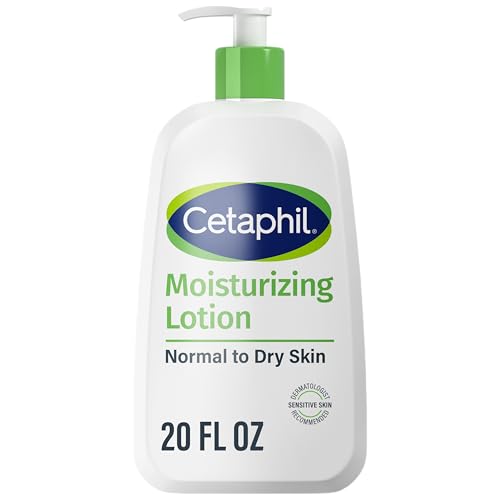
Cetaphil Face & Body Moisturizer, Hydrating Moisturizing Lotion for All Skin Types, Suitable for Sensitive Skin, NEW 20 oz, Fragrance Free, Hypoallergenic, Non-Comedogenic
CETAPHIL FACE & BODY MOISTURIZING LOTION FOR ALL SKIN TYPES: Lightweight, fast absorbing, non-greasy body lotion that's ideal…
As an affiliate, we earn on qualifying purchases.
As an affiliate, we earn on qualifying purchases.
Conclusion
Next time you see a product claim that sounds too good to be true, pause and read the fine print. Imagine you’re about to buy a weight loss supplement promising rapid results—without lifestyle changes. By scrutinizing the claims, you might discover that quick fixes often overlook the importance of diet and exercise. Being a careful reader helps you make smarter choices and avoid falling for false promises, saving you time and money in the long run.

BeeFriendly Organic Face and Eye Cream, USDA Certified Organic Facial Moisturizer, All In One Natural Face, Eye, Neck, Decollete Cream Reduces Wrinkles & Lines, 2 oz
Rejuvenating Moisturizer and Face Cream From ALL NATURAL and CERTFIED ORGANIC Ingredients which naturally aid in the reduction…
As an affiliate, we earn on qualifying purchases.
As an affiliate, we earn on qualifying purchases.

Albolene Moisturizing Cleanser & Makeup Remover Balm – Fragrance-Free Facial Cream for Cleansing & Hydration – Multi-Use Skincare for All Skin Types – No Harsh Chemicals – 12 oz
Multi-Use Skin Care Solution: Albolene cleanses, removes makeup, & deeply moisturizes in one simple step, saving you time…
As an affiliate, we earn on qualifying purchases.
As an affiliate, we earn on qualifying purchases.