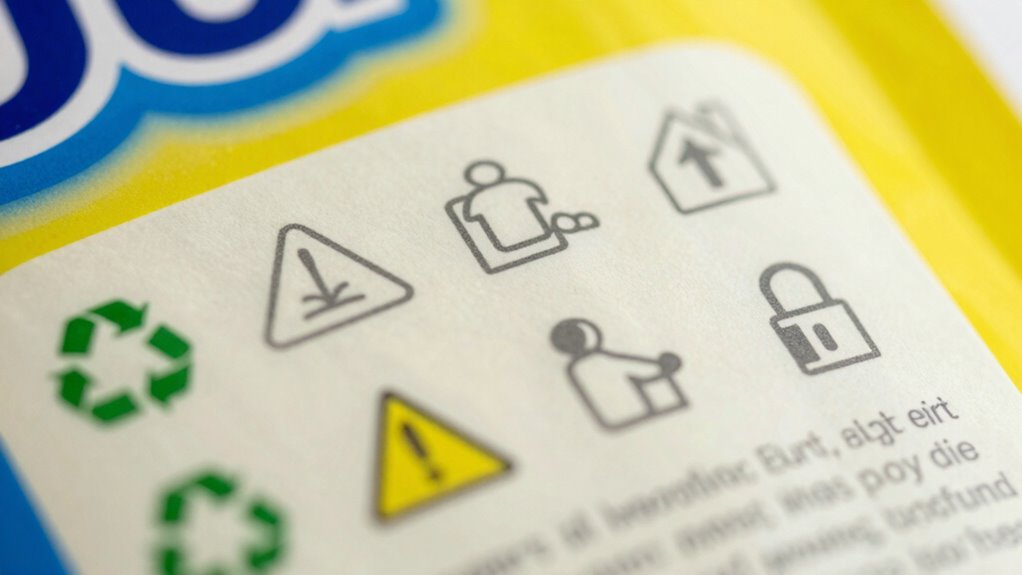

You can spot safety clues in product language that reveal potential risks beyond marketing messages. Words like “flammable,” “toxic,” or warnings like “keep out of reach of children” signal hazards you should handle with care. Phrases such as “for external use only” or age restrictions guide safe use, while symbols like skulls or flames reinforce danger signs. Paying attention to these cues helps you avoid accidents and health issues—keep exploring to uncover more safety insights.
Key Takeaways
- Hazard-related words like “flammable,” “toxic,” or “keep out of reach” signal potential dangers.
- Warning phrases such as “caution,” “warning,” or “danger” alert users to safety precautions.
- Specific language indicating product use, like “for external use only,” guides safe handling.
- Symbols like skulls or flames visually reinforce hazard messages alongside text.
- Recognizing safety language helps prevent misuse and reduces risk of accidents or health issues.
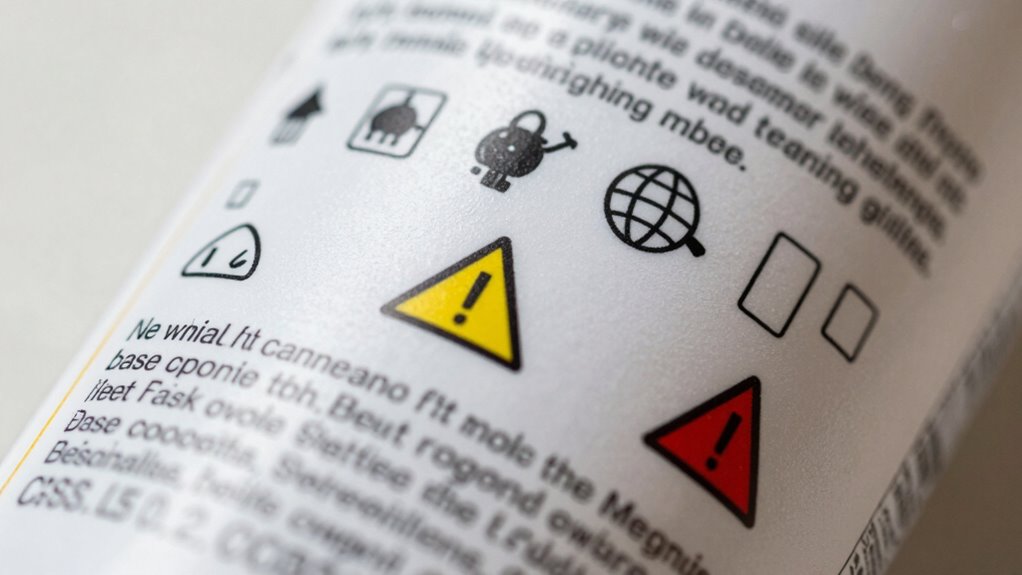
When choosing a product, the language used on packaging and labeling can reveal important safety clues. The words and phrases manufacturers select aren’t just for marketing—they often serve as signals about potential risks. Recognizing risk indicators and warning phrases can help you make smarter, safer choices. These cues are designed to alert you to hazards that might not be immediately obvious, so paying attention to them is essential. For example, if a label includes words like “flammable,” “toxic,” or “keep out of reach of children,” it’s a clear sign that you need to handle the product with care. These risk indicators aren’t meant to scare you but to inform you, so you can take appropriate precautions.
Warning phrases are another key element to watch for. Phrases such as “caution,” “warning,” or “danger” are usually followed by specific instructions or safety advice. When you see “warning: avoid contact with eyes,” it immediately tells you there’s a potential health risk if you’re not careful. These phrases serve as direct alerts, prompting you to read the instructions thoroughly before use. Ignoring them could lead to accidents or health issues, so always take a moment to understand what these warning phrases mean. They’re not just legal jargon; they’re safety signals meant to protect you from harm. Additionally, understanding how hazard communication is conveyed through language can improve your ability to interpret safety information effectively.
Warning phrases like avoid contact with eyes immediately signal potential health risks and safety precautions.
It’s also important to note the language used around the product’s application. Phrases like “for external use only,” “not for internal consumption,” or “use in well-ventilated areas” are clear risk indicators. They tell you what the product is designed for and what dangers to avoid. When labels specify age restrictions or allergy warnings, they’re providing additional safety clues tailored for specific consumers. Understanding how language indicates hazards can help you better interpret safety information and assess potential risks. By paying attention to these details, you’re better equipped to prevent misuse or accidental exposure. Recognizing the language used on packaging can help you better interpret safety information and assess potential risks. Additionally, being familiar with common risk indicators can help you quickly identify hazards across various products. This awareness is especially important when handling products that may pose hidden dangers.
Many products also feature symbols alongside their language, reinforcing risk indicators and warning phrases. These symbols, such as a skull and crossbones or a flame icon, visually emphasize the hazards. Combining these visual cues with the language on the packaging gives you a clearer understanding of the risks involved. This layered approach to safety communication is meant to catch your eye and make safety information memorable. Recognizing these symbols and understanding their meanings can significantly enhance your safety awareness.
In the end, understanding the language on packaging and labels isn’t just about reading instructions—it’s about actively seeking safety clues that could prevent accidents. Recognizing risk indicators and warning phrases gives you a heads-up about potential dangers, so you can handle products responsibly. Paying attention to these safety signals helps you protect yourself, your loved ones, and your environment.
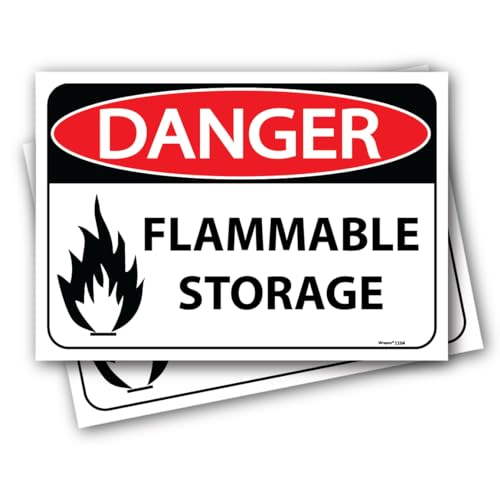
(2 pack) Danger Flammable Storage Cabinet Label, 7 x 10 Size, Flammable Storage Sign, Stickers, Decals. for Safety Cabinet, Locker, box, Room.
2 PACK-The danger flammable material no smoking or open flames sign comes in a 2 pack. The flammable…
As an affiliate, we earn on qualifying purchases.
As an affiliate, we earn on qualifying purchases.
Frequently Asked Questions
How Can Consumers Identify Safety Concerns in Product Labels?
You can identify safety concerns on product labels by paying attention to safety symbols and checking for clear language. Safety symbols quickly convey important hazards, while straightforward language helps you understand instructions and warnings easily. Look for labels that use universally recognized symbols and avoid vague or complex wording. Being alert to these clues guarantees you notice potential dangers, helping you make safer choices and use products responsibly.
Are There Legal Standards for Safety Language on Packaging?
Think of safety language on packaging as a lighthouse guiding you through foggy waters. Yes, there are legal standards for safety language, which guarantee regulatory compliance and align with industry standards. These rules require clear, truthful warnings and instructions to protect consumers. By understanding these standards, you can better navigate product labels and identify genuine safety information, making your choices safer and more informed.
What Are Common Misleading Safety Claims to Watch For?
You should watch out for false assurances like “completely safe” or “guaranteed” claims that aren’t backed by evidence. Ambiguous wording, such as “helps improve safety” or “designed for safety,” can mislead you into thinking the product is safer than it really is. Always scrutinize the language, look for disclaimers, and verify safety claims with trusted sources to avoid being misled by misleading safety claims.
How Does Product Language Vary Across Different Industries?
Did you know that nearly 60% of consumers find product language confusing? Across industries, product terminology and industry jargon vary markedly, shaping how safety claims are communicated. In healthcare, terms focus on benefits and risks, while in tech, they emphasize innovation and features. Recognizing these differences helps you parse safety messages more accurately, ensuring you make informed decisions based on clear, context-specific language rather than misleading terminology.
Can Safety Language Influence Consumer Purchasing Decisions?
Yes, safety language can influence your purchasing decisions by boosting consumer trust. When product labels clearly highlight safety features or certifications, you’re more likely to feel confident about the product’s reliability and quality. This safety language reassures you that the item meets standards, making you more inclined to choose it over competitors. Ultimately, transparent safety communication builds trust, guiding your buying choices toward brands that prioritize your well-being.

Toxic Free: How to Protect Your Health and Home from the Chemicals ThatAre Making You Sick
Used Book in Good Condition
As an affiliate, we earn on qualifying purchases.
As an affiliate, we earn on qualifying purchases.
Conclusion
By paying close attention to product language, you can spot safety clues that protect you and your loved ones. For instance, nearly 60% of consumers overlook warning labels, risking potential hazards. So, next time you read a product’s instructions or warnings, remember that those words are there for your safety. Stay vigilant, question unclear language, and trust your instincts—because understanding these clues can make all the difference in preventing accidents.
![[12-Pack] Invisible Baby Proofing Cabinet Locks - No Drill Child Safety Drawer Latches - Adhesive Childproof Latch for Cabinets, Kitchen & Furniture - Secure Toddler & Infant Safety No Tools Required](https://m.media-amazon.com/images/I/31eZCkmpTfL._SL500_.jpg)
[12-Pack] Invisible Baby Proofing Cabinet Locks – No Drill Child Safety Drawer Latches – Adhesive Childproof Latch for Cabinets, Kitchen & Furniture – Secure Toddler & Infant Safety No Tools Required
INVISIBLE PROTECTION FOR YOUR HOME: Keep your kitchen and bathroom looking beautiful while keeping curious toddlers safe. These…
As an affiliate, we earn on qualifying purchases.
As an affiliate, we earn on qualifying purchases.

(2 Pack) Crush Hazard Keep Clear With Symbol OSHA Warning Sign 10 Inch X 7 Inch Plastic Sign, Weather Resistant, UV Protected for Workplace, Business, and Construction Site, Made in the USA
DURABLE ALL-WEATHER DESIGN: Our 10 Inch X 7 Inch commercial-grade OSHA Warning signs are made with UV-protected plastic,…
As an affiliate, we earn on qualifying purchases.
As an affiliate, we earn on qualifying purchases.