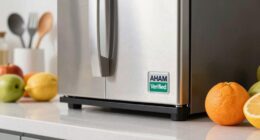
When you see UL marks on your home air devices, focus on the UL Listed mark, which shows the product has been tested for safety and meets standards for electrical and fire hazards. Be cautious of counterfeit marks and verify them through the UL online database. Recognizing genuine UL labels helps make sure your device is safe to use. If you want to know which specific marks offer the best assurance, there’s more detail to uncover with a closer look.
Key Takeaways
- Look for the UL Listed mark, indicating the device has passed safety testing for electrical and fire hazards.
- Verify the UL mark’s authenticity via the UL online database to avoid counterfeit certifications.
- Understand that UL Recognized Component marks apply to parts, not the entire device, affecting overall safety.
- Prioritize products with UL Listed marks for better assurance of safety standards compliance.
- Recognize that UL certification standards focus on electrical safety, fire risk, and flammability, ensuring thorough safety evaluation.

Have you ever wondered what those UL marks on your home air devices really mean? If you’ve noticed the small symbols stamped on your air purifier, humidifier, or air conditioner, you might wonder if they’re just a mark of branding or something more important. The truth is, those UL marks are a quick way to identify that the product has been tested and meets specific safety standards. But not all UL marks are created equal, and understanding which ones matter can help you make smarter choices for your home’s air quality and safety.
When you see a UL mark, it means the product has undergone testing by Underwriters Laboratories, an independent safety certification organization. Their testing covers a variety of hazards, including electrical safety, fire risks, and material flammability. The most common mark you’ll see on home air devices is the UL Listed mark. This indicates that the product has been tested for safety and complies with UL’s rigorous standards. It’s a sign that the device has undergone thorough evaluation and is less likely to pose electrical or fire hazards when used as intended.
A UL Listed mark shows the product has been tested for safety and meets strict standards.
Beyond the basic UL Listed mark, there are other symbols that might appear, such as the UL Recognized Component mark. This is relevant if your device contains parts that were tested separately, like a specific motor or circuit board. Knowing the difference can be useful, especially if you’re replacing parts or repairing your device. For example, if a component has a UL Recognized mark, it’s certified to meet safety standards when integrated into a larger product, but it doesn’t necessarily mean the whole device is UL-listed.
It’s also important to pay attention to the UL mark’s authenticity. Counterfeit or unauthorized markings can be misleading. Always check that the UL mark looks legitimate, with clear, consistent printing and the UL logo itself. If you’re uncertain, you can verify a product’s certification by searching the UL database online. This step ensures you’re buying a product that truly meets safety standards rather than a counterfeit. Additionally, understanding UL certification standards can help you recognize the level of testing a product has undergone and how it applies to your safety.
Ultimately, the UL mark on your home air device isn’t just a decoration; it’s a safety assurance. While it doesn’t guarantee perfect performance or longevity, it does mean the device has been tested for safety hazards. When choosing new air purifiers or humidifiers, prioritize products with a UL Listed mark. It’s an extra layer of confidence that your device is safer to use, reducing risks like electrical fires or malfunctions. Knowing which UL marks matter helps you avoid potential hazards and ensures your home’s air devices meet essential safety standards.
Frequently Asked Questions
Are UL Marks Required by Law for Home Air Devices?
Yes, UL marks are generally required by law for home air devices in many regions. They guarantee the product meets safety standards and has been tested for risks like fire or electric shock. When you buy a home air device, look for the UL mark to confirm it complies with safety regulations. Skipping this step could mean using a product that might pose safety hazards or isn’t legally approved.
Do All UL Marks Indicate the Highest Safety Standards?
Not all UL marks indicate the highest safety standards. Some UL marks show compliance with basic safety requirements, while others, like UL Verified or UL Recognized, denote more rigorous testing and quality assurance. You should look for specific UL labels that correspond to the safety level you need. Always verify the mark’s details and confirm it’s appropriate for your device to guarantee maximum safety and compliance.
How Can I Verify if a UL Mark Is Genuine?
To verify if a UL mark is genuine, check the label closely for the UL logo, which should be clear and well-printed. Visit the UL website and search their online database with the product’s model number or certification number. Be cautious of labels that look suspicious, blurry, or missing details. Genuine UL marks confirm the product has met safety standards, so always confirm through official sources.
Are There Other Safety Marks Besides UL for Air Devices?
Yes, there are other safety marks besides UL for air devices. You might see marks like ETL, CSA, or TÜV, which also indicate that the product has been tested for safety and compliance with standards. These marks are recognized internationally or nationally, so check for their presence alongside the UL mark to confirm the device meets safety requirements. Always verify the authenticity of these marks before purchasing or using the device.
Can a Product Be Safe Without Having a UL Mark?
Yes, a product can be safe without a UL mark. Safety depends on proper design, manufacturing, and compliance with relevant standards, not just a certification mark. Many reputable manufacturers test their products thoroughly and meet safety requirements without UL approval. However, UL marks are recognized indicators of safety and quality. When choosing air devices, look for trusted certifications, but don’t assume unmarked products are unsafe—research and verify their safety records.
Conclusion
In the end, spotting the UL mark on your home air device is like finding a knight’s shield—your badge of safety. It shows the product meets strict standards, giving you peace of mind in your cozy castle. Don’t forget, just like a trusty steed, it’s essential to check for the mark before bringing a new device home. So, be clever and stay safe—your modern-day quest for clean air is worth it, even if you feel like a knight in shining armor!