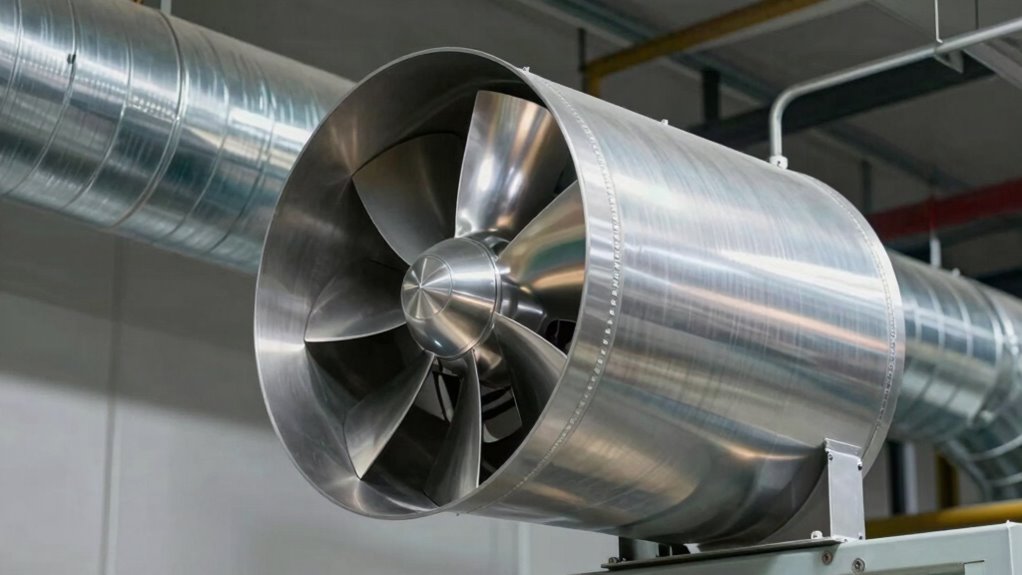

Inline duct fans regularly appear in airflow roundups because they deliver high efficiency in a compact, easy-to-install design. You benefit from their ability to move air effectively through ducts while operating quietly. They’re built for durability and low maintenance, making them ideal for long-term use. Plus, they support eco-friendly setups by consuming less power. If you want to understand what makes them stand out, there’s plenty more to discover.

Get health and wellness essentials delivered free with Prime
- Fast, free delivery on millions of items
- Prime Video, Amazon Music and more included
- Member-only deals all year
Key Takeaways
- They optimize airflow efficiency within ventilation systems, making them a top choice in performance rankings.
- Their energy-efficient design ensures strong airflow with minimal power consumption, appealing in airflow evaluations.
- The compact, easy-to-install design allows seamless integration into various duct systems, enhancing system performance.
- Quiet operation features reduce noise, making them suitable for diverse environments, which is valued in airflow roundups.
- Their durability and long-term reliability ensure consistent airflow performance over time, leading to favorable reviews.
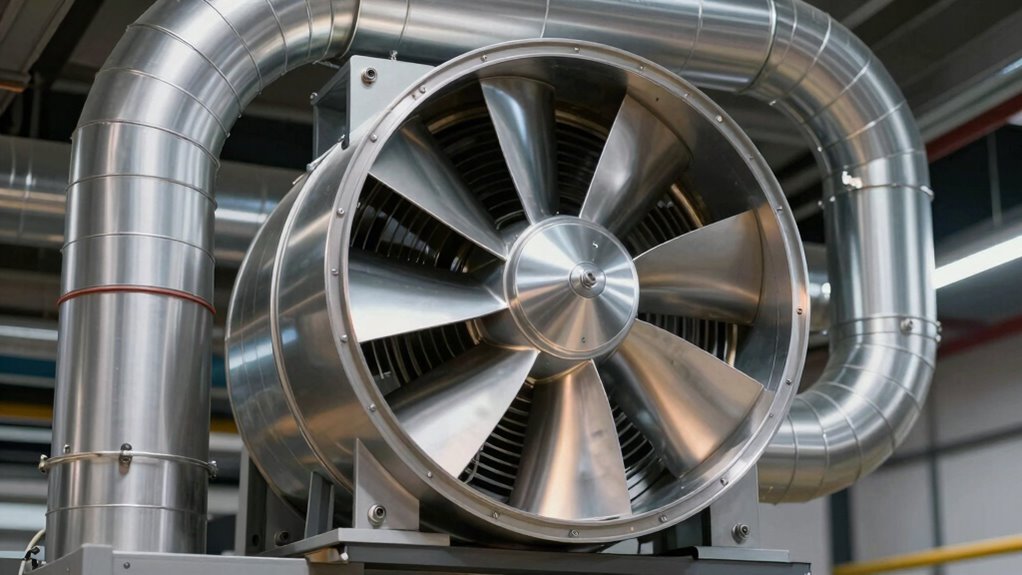
Inline duct fans play a crucial role in optimizing airflow systems, making them essential components in many ventilation setups. When you’re looking to improve air circulation, these fans are often top contenders because they efficiently move air through ducts, ensuring that spaces stay well-ventilated. One key reason they frequently show up in airflow roundups is their high energy efficiency. Unlike older, bulkier fans, modern inline duct fans are designed to consume less power while delivering strong airflow. This means you get better performance without considerably increasing your energy bills. They’re built to maximize output while minimizing energy waste, which is especially important if you’re managing multiple ventilation systems or trying to keep operational costs low. This focus on energy efficiency also aligns with eco-friendly goals, making inline duct fans a popular choice for sustainable building practices. Additionally, their compact design allows for versatile installation options, even in tight spaces. Noise levels are another essential factor that explains why inline duct fans are a staple in airflow discussions. Traditional fans can be loud, disrupting quiet environments like offices, studios, or homes. Inline duct fans, however, are engineered to operate quietly, often featuring sound-dampening materials and innovative blade designs that reduce noise emissions. When you select an inline fan for your airflow system, you’re likely to notice a notable decrease in noise compared to older or external fans. This quiet operation enhances comfort and productivity, especially in settings where noise can be a distraction. Because noise levels are so important in maintaining a peaceful environment, these fans are often chosen for their ability to blend high performance with minimal sound disturbance. In addition to energy efficiency and noise levels, inline duct fans are appreciated for their compact design and ease of installation. They fit seamlessly into existing ductwork, saving space and simplifying maintenance. When airflow needs are high, these fans can be stacked or combined to increase capacity without complicating your setup. Their durability and low maintenance requirements make them reliable over the long term, further cementing their place in airflow roundups. Whether you’re upgrading an existing ventilation system or designing a new one from scratch, inline duct fans often come out on top because they strike a perfect balance between efficiency, quiet operation, and ease of use. That’s why they consistently earn a spot in discussions about the best airflow solutions.
inline duct fan for ventilation systems
As an affiliate, we earn on qualifying purchases.
As an affiliate, we earn on qualifying purchases.
Frequently Asked Questions
How Do Inline Duct Fans Compare to Traditional Ceiling Fans?
Inline duct fans are more energy-efficient than traditional ceiling fans because they directly move air through duct systems, reducing energy loss. They also tend to have quieter operation and better airflow control. However, installation complexity is higher, requiring ductwork modifications and electrical work. If you’re comfortable with installation, inline duct fans offer efficient, targeted airflow. But for simplicity, ceiling fans are easier to set up and maintain.
Are Inline Duct Fans Suitable for Residential or Commercial Use?
You can absolutely use inline duct fans for both residential and commercial spaces; they’re like supercharged air movers! These fans excel in energy efficiency, saving you money while providing powerful airflow. However, keep in mind that installation complexity can be significant, especially in larger systems. If you’re handy, you’ll find them worth the effort, but for others, professional help might be necessary to release their full potential.
What Maintenance Is Required for Inline Duct Fans?
You need to perform regular maintenance routines on your inline duct fan to keep it running smoothly. This includes cleaning or inspecting the fan blades and motor components for dust and debris. Additionally, filter replacement is essential—check your filters periodically and replace them as needed to prevent airflow restrictions. Proper maintenance guarantees maximum airflow, prolongs the fan’s lifespan, and maintains your indoor air quality effectively.
Can Inline Duct Fans Be Used in Outdoor Environments?
Yes, you can use inline duct fans outdoors, but you need to make certain they’re built for outdoor durability and weather resistance. Look for models with sealed motors, corrosion-resistant materials, and protective coatings to withstand rain, humidity, and temperature changes. Weather-resistant features help prevent damage and prolong lifespan, while outdoor durability guarantees consistent airflow performance. Always choose a fan specifically designed for outdoor use to ensure safety and effective ventilation in all weather conditions.
How Do Noise Levels Vary Among Different Inline Duct Fan Models?
Noise levels among inline duct fan models vary markedly, with a clear noise comparison showing some units operate more quietly than others. You’ll find that fans with better sound insulation reduce vibrations and noise, making them more suitable for quiet environments. Look for models with soundproofing features or low decibel ratings, as these advancements help maintain airflow efficiency while minimizing disruption. Choosing the right fan depends on balancing power with noise reduction.
As an affiliate, we earn on qualifying purchases.
Conclusion
So, next time you’re exploring airflow roundups, remember inline duct fans are your trusty steed—like a knight’s trusty sword—helping you achieve ideal ventilation. They’re often included because they’re efficient, versatile, and easy to install, even if they seem like something from a steampunk novel. Keep these fans in mind, and you’ll be well-equipped to conquer your airflow challenges, just like the heroes of old who relied on clever gadgets and bold ideas to get the job done.
energy-efficient inline duct fan
As an affiliate, we earn on qualifying purchases.
As an affiliate, we earn on qualifying purchases.
compact inline duct fan for ducts
As an affiliate, we earn on qualifying purchases.
As an affiliate, we earn on qualifying purchases.
Halloween Picks
halloween
As an affiliate, we earn on qualifying purchases.