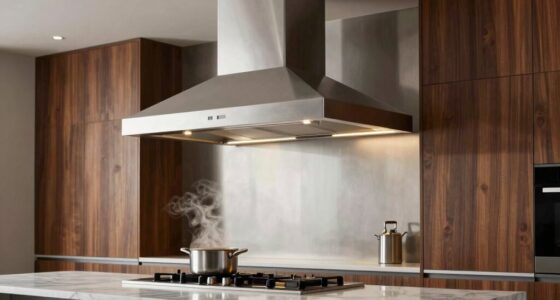
Relying on natural ventilation, like just cracking a window, isn’t enough to tackle the pollutants released while cooking. You might expose your kitchen to outdoor air pollution or stagnant odors. On calm days, air exchange often fails, leaving smoke and moisture trapped inside. Mechanical ventilation systems provide a much more effective solution by actively removing pollutants and controlling humidity. Discover how to enhance your kitchen’s air quality and create a healthier cooking environment.
Key Takeaways
- Relying on natural ventilation exposes kitchens to urban pollution and may lead to inadequate airflow when windows are closed or on calm days.
- Natural ventilation cannot effectively remove smoke, odors, or moisture, especially under unfavorable external conditions.
- Odors and pollutants can build up without proper mechanical systems, leading to stagnant air and increased health risks.
- Mechanical ventilation systems provide consistent airflow, efficiently removing heat, smoke, and odors, ensuring cleaner air quality.
- Adjustable features of mechanical systems optimize performance, making them essential for maintaining a healthy kitchen environment.
Understanding Kitchen Air Quality

When you cook, the air quality in your kitchen can change quickly, making it essential to understand what affects it. Different cooking techniques, like frying or boiling, release varying amounts of moisture and particles into the air. If you’re sautéing vegetables, for instance, that method can generate more smoke than steaming, impacting air quality. Your kitchen layout also plays a significant role; an open space allows airflow, while a cramped area can trap pollutants. Consider how your stove’s position relative to windows and exhaust fans influences ventilation. By being mindful of these factors, you can create a healthier cooking environment, ensuring that you enjoy your culinary creations without compromising air quality. Utilizing energy-efficient cloud servers can help in managing kitchen ventilation systems effectively, ensuring optimal air quality control. Additionally, proper kitchen design can significantly enhance natural airflow and reduce the accumulation of harmful particles. Implementing seasonal checklists for maintenance can further ensure that your ventilation systems are functioning effectively. Understanding how AI tools can streamline processes will also contribute to an improved environment by optimizing your kitchen’s ventilation strategies. Moreover, maintaining high contrast ratios in lighting can aid in identifying any smoke or pollutants that may affect air quality.
Common Pollutants Released During Cooking

As you cook, various pollutants can be released into the air, affecting both your health and the quality of your kitchen environment. These cooking fumes and airborne toxins can linger, leading to potential health risks. Here are some common pollutants you should be aware of:
- Particulate Matter: Microscopic particles from frying or grilling. This can decrease the air quality in your home. Proper kitchen ventilation is essential to mitigate these effects, as it helps remove harmful pollutants that can accumulate during cooking. Additionally, effective ventilation systems can help empower independent sellers by showcasing the importance of maintaining a healthy home environment.
- Carbon Monoxide: A colorless gas produced by gas stoves.
- Volatile Organic Compounds (VOCs): Emitted from certain oils and cooking sprays.
- Nitrogen Dioxide: Released from gas stoves, contributing to respiratory issues.
Additionally, using an air purifier can significantly reduce airborne toxins in your kitchen, promoting a healthier cooking environment.
The Limitations of Natural Ventilation

While natural ventilation might seem like an appealing option for reducing indoor air pollutants, it has significant limitations that can compromise your kitchen’s air quality. Relying solely on outdoor air exchange, especially in urban areas, may expose you to pollutants from traffic and industrial sources. Additionally, natural airflow limitations mean that on calm days, or when windows are closed, your kitchen won’t get adequate fresh air. Even when you crack a window, it may not provide enough ventilation to remove cooking fumes and moisture effectively. Regular cleaning of the cage is essential to prevent odor and disease, as poor airflow can lead to stagnant air, which doesn’t help in maintaining a healthy environment. Therefore, it’s crucial to implement effective ventilation strategies that go beyond just opening windows. So, while it’s a start, natural ventilation often isn’t enough to guarantee ideal air quality in your kitchen. Moreover, understanding filtration systems can significantly enhance your kitchen’s ability to maintain clean air by effectively removing contaminants.
The Benefits of Mechanical Ventilation Systems
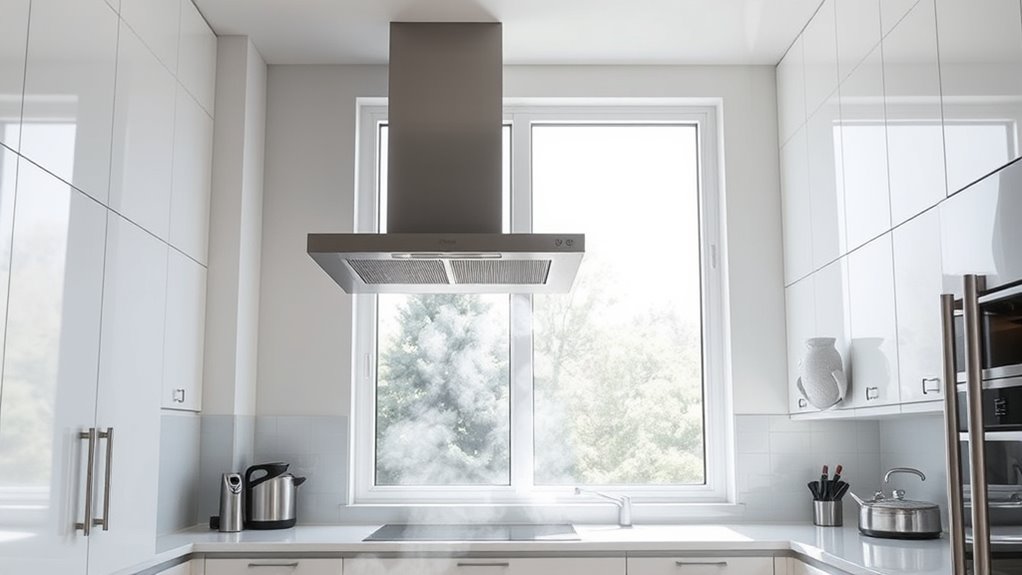
Mechanical ventilation systems offer you significant advantages that natural methods can’t match. With improved air quality, consistent temperature control, and energy efficiency, these systems make your kitchen a more comfortable and healthier space. Additionally, they can optimize smart energy management, ensuring that your cooking environment remains efficient and effective. By utilizing air quality monitoring tools, you can gain insights into the effectiveness of your ventilation system and make informed adjustments to enhance your cooking experience. Furthermore, proper ventilation can help reduce moisture buildup in the kitchen, which is essential for maintaining a safe and hygienic cooking environment. Moreover, using advanced features like adjustable exhaust settings can further enhance the overall performance of your kitchen ventilation system. The Grateful Dead co-founder Phil Lesh exemplifies the importance of creating a space that fosters creativity, whether it’s in music or cooking. Let’s explore how these benefits can transform your cooking environment.
Enhanced Air Quality
Good kitchen ventilation is essential for maintaining enhanced air quality in your home. Mechanical ventilation systems help you achieve cleaner air by effectively removing pollutants and moisture. Unlike simply cracking a window, these systems keep your kitchen fresh and healthy. Here are some benefits of investing in one:
- Reduces odors from cooking
- Minimizes indoor air pollutants
- Works in tandem with air purifiers
- Supports the health of indoor plants
Additionally, modern smart appliances can be integrated with ventilation systems to optimize air flow and enhance overall kitchen efficiency. These systems can also help with user privacy by ensuring that excess humidity does not create a breeding ground for mold and allergens. Moreover, having a proper ventilation system can significantly enhance financial security by reducing long-term health issues related to poor air quality. Furthermore, mechanical ventilation systems can also be combined with robotic solutions that assist in maintaining cleanliness in your kitchen space.
Consistent Temperature Control
Effective kitchen ventilation doesn’t just enhance air quality; it also plays a vital role in maintaining consistent temperature control. When you use a mechanical ventilation system, it actively manages thermal comfort by regulating the temperatures in your kitchen. This prevents hot and cold spots that can occur with natural ventilation methods, like cracking a window. Additionally, a good system provides humidity control, reducing excess moisture that can lead to discomfort and mold growth. By ensuring a stable environment, you’ll enjoy cooking and spending time in your kitchen much more. With the right setup, you won’t have to worry about sudden drafts or stifling heat, allowing you to focus on what really matters—preparing delicious meals. Furthermore, a well-ventilated kitchen promotes a vibrant atmosphere, enhancing your overall cooking experience and creativity.
Energy Efficiency Benefits
While you might not think about it often, energy efficiency is a significant advantage of modern mechanical ventilation systems. By using an exhaust fan, you can improve air quality without wasting energy. Here are some key benefits:
- Reduced energy consumption: Efficient systems use less power, leading to energy savings on your bills.
- Better airflow control: You can customize ventilation based on your cooking needs, ensuring *ideal* performance.
- Minimized heat loss: Mechanical systems can help maintain your kitchen’s temperature, reducing the need for heating or cooling.
- Longer lifespan of appliances: Proper ventilation reduces humidity and heat buildup, prolonging the life of your kitchen appliances.
Investing in mechanical ventilation not only enhances comfort but also contributes to significant energy savings in your home.
Key Features of Effective Kitchen Ventilation
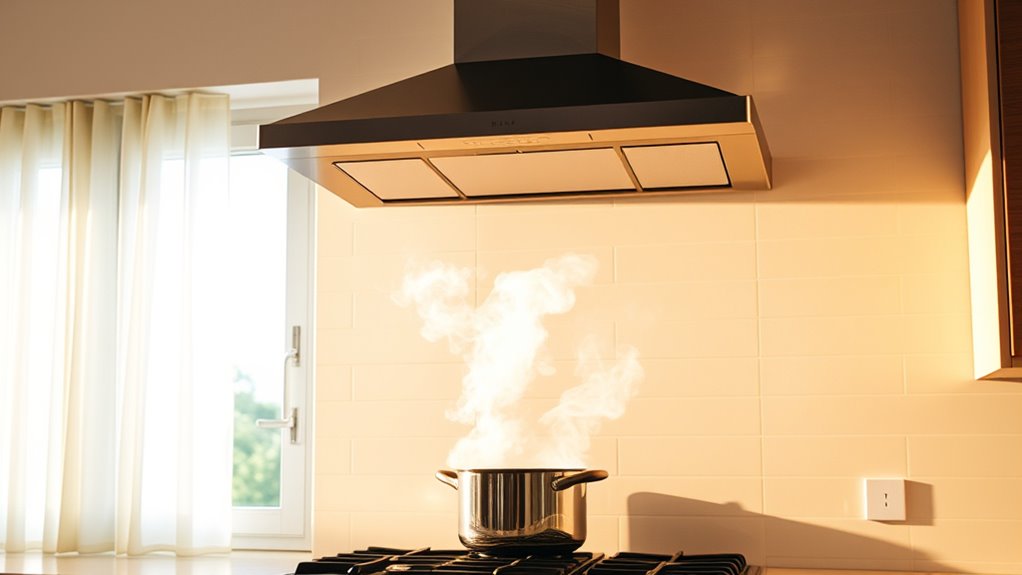
When it comes to effective kitchen ventilation, you need to focus on airflow and circulation. Proper airflow not only keeps your kitchen fresh but also plays a vital role in removing odors and smoke. Let’s explore how these features work together to enhance your cooking environment.
Airflow and Circulation
Good kitchen ventilation hinges on proper airflow and circulation, as these elements work together to remove smoke, heat, and odors efficiently. Understanding airflow patterns and circulation dynamics is essential for creating a comfortable cooking environment. Here are key aspects to contemplate:
- Vent Placement: Position exhaust fans strategically to optimize airflow.
- Duct Size: Confirm ducts are appropriately sized to facilitate smooth circulation.
- Air Inlets: Incorporate air inlets to balance pressure and improve air exchange.
- Fan Speed: Use adjustable fan speeds to adapt to varying cooking conditions.
Odor and Smoke Removal
Effective kitchen ventilation is essential for eliminating odors and smoke that can linger long after cooking. When you prepare meals, cooking odors can easily permeate your home, making it less inviting. A well-designed ventilation system actively removes these unpleasant smells and guarantees your kitchen stays fresh.
For ideal smoke removal, consider installing a range hood that exhausts air outside or filters it effectively. This way, you can capture smoke and airborne particles right at the source. Remember, simply cracking a window won’t cut it; it won’t provide the necessary airflow to clear out smoke and odors efficiently. Prioritizing proper ventilation not only enhances your cooking experience but also contributes to a healthier kitchen environment.
Tips for Improving Kitchen Air Circulation
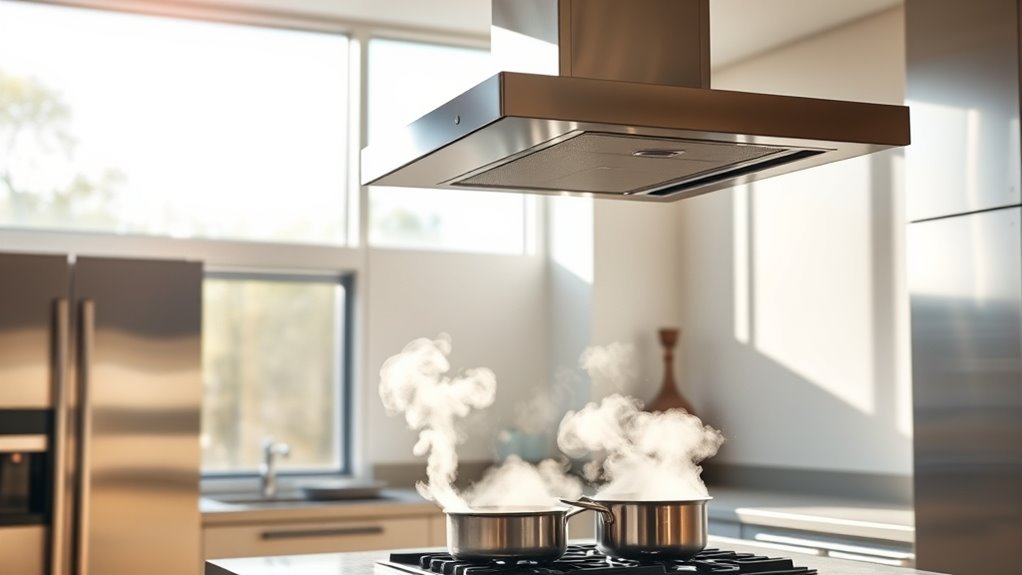
To enhance the air circulation in your kitchen, consider a few simple strategies that can make a big difference. Good airflow patterns are essential for effective ventilation design, ensuring that your kitchen remains fresh and odor-free.
- Use exhaust fans: They actively pull out smoke and odors, improving air quality.
- Install range hoods: These help direct airflow upwards, capturing fumes before they spread.
- Open windows: Even just a crack can help balance indoor and outdoor airflow, enhancing circulation.
- Create space: Keep kitchen appliances and furniture away from vents to allow unrestricted airflow.
Frequently Asked Questions
How Does Humidity Affect Kitchen Air Quality?
Humidity directly affects your kitchen air quality by causing humidity buildup, which can lead to discomfort and poor ventilation. When humidity levels rise, it creates an environment conducive to mold growth, which can pose health risks and damage your home. You might notice musty odors or visible mold if moisture isn’t managed. To maintain a healthier kitchen, make certain proper ventilation and control humidity levels to prevent these issues from developing.
What Are Signs of Poor Kitchen Ventilation?
You can spot poor kitchen ventilation by noticing stuffy air, lingering odors, or excessive humidity. If you see condensation on windows or walls, that’s a clear sign too. Check your air flow; it should be steady and strong, not weak or stagnant. Also, consider your vent placement—if it’s not effectively directing smoke and steam outside, it’s time to reevaluate your kitchen setup. Improving these factors will enhance your cooking environment markedly.
Can Air Purifiers Replace Kitchen Ventilation Systems?
No, air purifiers can’t fully replace kitchen ventilation systems. While they help reduce airborne particles, they have limitations, especially with smoke and odors from cooking. An effective ventilation system removes heat, moisture, and pollutants directly from your kitchen, which air purifiers can’t do. Plus, regular ventilation system maintenance is essential for peak performance. Relying solely on an air purifier can lead to lingering pollutants and uncomfortable cooking environments.
How Often Should I Clean My Kitchen Ventilation System?
They say, “A stitch in time saves nine,” and that rings true for your kitchen ventilation system maintenance. You should clean your ventilation system at least every three to six months, depending on how often you cook. Regular cleaning keeps it running efficiently and prevents grease buildup. If you notice reduced airflow or strange odors, it’s time for a thorough clean. Don’t wait; staying proactive helps keep your kitchen safe and fresh!
Are There Specific Ventilation Requirements for Gas Stoves?
Yes, there are specific ventilation requirements for gas stoves. You need to follow local gas code guidelines, which often specify that your kitchen should have proper vent standards to guarantee safe operation. Most codes require an exhaust system that can effectively remove combustion gases and cooking pollutants. It’s vital to make certain your ventilation system meets these requirements to maintain air quality and safety in your kitchen while cooking.
Conclusion
In the grand symphony of your kitchen, relying on a cracked window is like playing a single note in a complex composition. To truly elevate your cooking experience, you need a robust mechanical ventilation system that harmonizes with your culinary creations. By embracing effective ventilation, you not only enhance air quality but also protect your health and home. So, invest in your kitchen’s breathing space, and let every meal resonate with freshness and safety.