A high CFM rating alone doesn’t guarantee your kitchen hood will effectively capture fumes and smoke. Factors like hood design, placement, and ductwork greatly impact performance. A powerful fan can underperform if it’s poorly positioned or doesn’t create a proper capture zone. To optimize airflow and maintain a healthier kitchen environment, focus on selecting the right design and proper installation. Want to make sure your hood works efficiently? Keep exploring to learn more.
Key Takeaways
- High CFM alone doesn’t guarantee effective capture; hood design and placement are equally crucial.
- Proper installation and ductwork significantly influence hood performance, regardless of CFM ratings.
- Effective capture depends on creating a well-designed capture zone, not just powerful airflow.
- Kitchen layout and hood size must be tailored; bigger CFM isn’t always better for every space.
- Optimizing airflow and positioning enhances efficiency more than relying solely on high CFM specifications.

A kitchen hood capture system is crucial for maintaining a clean and healthy cooking environment. It pulls smoke, grease, steam, and odors away from your cooking area, preventing them from spreading throughout your space. While many believe that a high CFM (cubic feet per minute) rating automatically guarantees superior performance, that’s not always the case. Simply put, high CFM numbers don’t tell the full story about how well your hood actually captures airborne contaminants.
CFM measures how much air the hood can move, but it doesn’t account for other critical factors like hood design, ductwork, or installation quality. For example, a powerful fan with a high CFM rating might seem ideal, but if it’s not properly positioned above your cooktop or if the hood isn’t designed to effectively contain fumes, it won’t perform efficiently. A large, open kitchen with multiple burners requires different considerations than a small, enclosed space. The goal is to capture and remove pollutants before they escape into your breathing zone, not just to move large volumes of air.
CFM alone doesn’t ensure effective capture; design and positioning are equally crucial for optimal performance.
Design matters just as much as raw power. A well-designed capture hood has a shape and size that suit your cooking style, with properly placed baffles, filters, and a hood canopy that extends sufficiently over your cooktop. If the hood is too small or poorly shaped, even a high CFM fan won’t trap smoke effectively. Conversely, a hood with moderate CFM but excellent design can outperform a higher-rated system. It’s about creating a barrier that directs contaminants into the hood’s capture zone rather than letting them drift into the room.
Installation plays a crucial role, too. A poorly installed hood or ductwork can cause leaks or air bypass, reducing the system’s efficiency. Shorter duct runs with smooth, insulated surfaces help maintain airflow and prevent loss of suction. Proper sealing and venting ensure the air drawn in is effectively expelled outside, rather than recirculated or vented into an attic or ceiling space. Additionally, understanding airflow dynamics can help optimize your hood’s performance by ensuring proper placement and duct design.
Ultimately, choosing a kitchen hood isn’t just about chasing the highest CFM number. You need to consider how the hood’s design, placement, and ductwork work together to create a powerful, efficient capture system. Focus on selecting a unit that suits your cooking habits and kitchen layout, and ensure it’s installed correctly. That way, you’ll enjoy a cleaner, healthier environment without overspending on unnecessary power.

Range Hood 30 inch Under Cabinet, Stainless Steel Kitchen Vent Hood 280CFM, Built-in Kitchen Stove Hood w/Rocker Button Control, Ducted/Ductless Convertible Duct, 2 Speeds Fan, Bright LED Light
- Slim Under Cabinet Design: Space-saving stainless steel body
- Easy Control Panel: Rocker button for 2 speeds and LED lights
- Powerful 280 CFM Suction: Efficient smoke and odor removal
As an affiliate, we earn on qualifying purchases.
As an affiliate, we earn on qualifying purchases.
Frequently Asked Questions
How Does Duct Design Affect Hood Performance?
Duct design critically impacts hood performance by influencing airflow efficiency and exhaust effectiveness. When ducts are smooth, properly sized, and free of sharp turns or obstructions, air moves more easily, capturing smoke and odors better. Poor duct design causes turbulence and reduces airflow, making your hood less effective. You should make sure ducts are correctly sized and routed straight to maximize performance and maintain strong ventilation.
Can Filters Impact Overall Capture Efficiency?
Filters can substantially impact your hood’s overall capture efficiency. If filters aren’t properly maintained or are clogged, they restrict airflow, reducing the hood’s ability to effectively remove smoke, grease, and odors. Using high-quality, appropriately rated filters ensures better airflow and trapping capacity. Regularly cleaning or replacing filters keeps the system functioning at its best, helping you maintain a cleaner, healthier kitchen environment without sacrificing performance.
Does Hood Placement Influence Odor Removal?
A picture is worth a thousand words, and the same holds true for hood placement. Properly positioning your kitchen hood directly impacts odor removal; if it’s too high or too low, fumes escape, reducing efficiency. You need to place the hood close enough to the cooktop to capture odors effectively without obstructing your view. Correct placement guarantees your kitchen stays fresh, proving that placement, like a good foundation, supports everything else.
Are Quieter Hoods More Effective?
No, quieter hoods aren’t necessarily more effective. While they often operate at lower noise levels, their efficiency depends on design, airflow, and placement. A quiet hood can still remove smoke and odors effectively if it has proper airflow and good capture angles. Focus on the hood’s CFM, filters, and positioning rather than noise level alone, to guarantee it performs well in venting your cooking fumes.
How Often Should I Clean My Kitchen Hood?
You should clean your kitchen hood at least once a month to maintain peak performance. Studies show that grease buildup can reduce your hood’s efficiency by up to 75%, which means more smoke and odors lingering. If you cook frequently or fry often, consider cleaning it every two weeks. Regular maintenance not only keeps your kitchen smelling fresh but also prolongs the life of your hood and guarantees it works effectively.
Range Hood 30 inch Under Cabinet, Stainless Steel Kitchen Vent Hood 280CFM, Built-in Kitchen Stove Hood w/Rocker Button Control, Ducted/Ductless Convertible Duct, 2 Speeds Fan, Bright LED Light
- Slim Under Cabinet Design: Space-saving stainless steel body
- Easy Control Panel: Rocker button for 2 speeds and LED lights
- Powerful 280 CFM Suction: Efficient smoke and odor removal
As an affiliate, we earn on qualifying purchases.
As an affiliate, we earn on qualifying purchases.
Conclusion
So, next time you’re tempted to go for the highest CFM kitchen hood, remember: more isn’t always better. Ironically, a powerful fan might just push your cooking smells further into your home, not out of it. Instead of chasing the biggest number, focus on proper installation and effective design. After all, in the world of kitchen hoods, bigger isn’t necessarily smarter—you might just be making your kitchen a little less breathable.
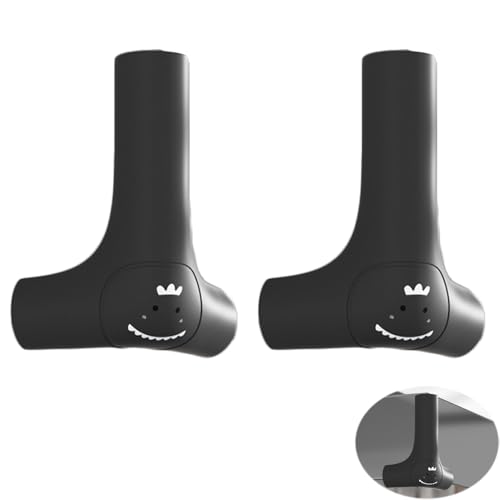
NentMent 2 Pack Range Hood Corner Protector Kitchen Island Corner Protectors Safety Bumper Guards for Wall Mount Range Hood Kitchen Chimney Vent Rolling Kitchen Island on Wheels Countertop
- Package Contents: 2 corner protectors included
- Material: Made of durable silicone
- Size: 6.3 x 4.5 x 7.5 cm
As an affiliate, we earn on qualifying purchases.
As an affiliate, we earn on qualifying purchases.

HG Power 10 Inch Metal Exhaust Fan with Switch, 988 CFM Powerful Garage Exhaust Fan with Damper, Potable Wall Mount Fan Fume Extractor Ventilation Fan for Shop, Shed, Basement, Chicken Coop, Silver
- High Airflow: 988 CFM powerful airflow for ventilation
- Durable Metal Construction: Sturdy metal build for long-term use
- Easy Installation: Includes 8-foot power cord and switch
As an affiliate, we earn on qualifying purchases.
As an affiliate, we earn on qualifying purchases.