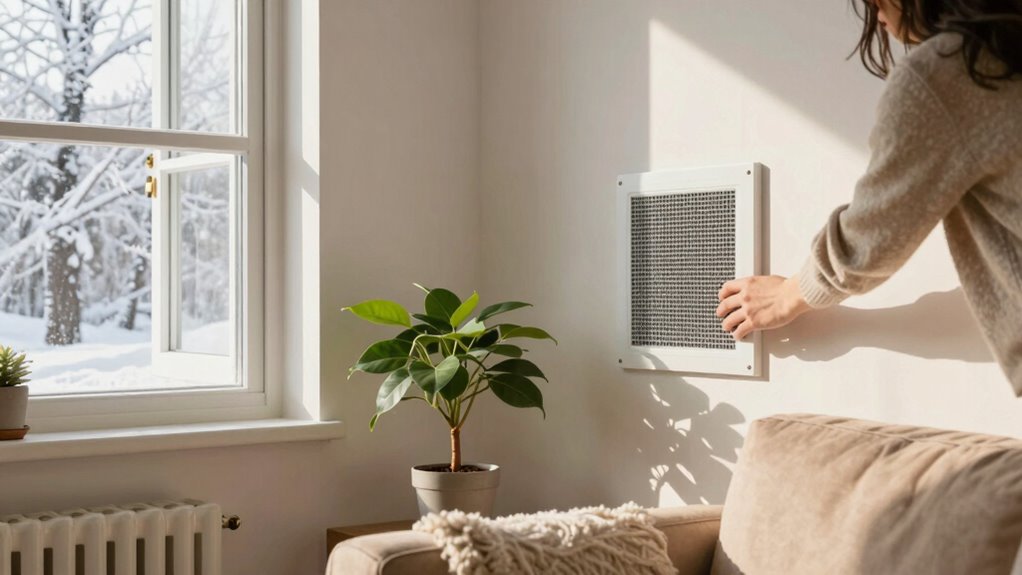
You need different ventilation habits in each season to keep your indoor air healthy and save energy. During winter, minimize heat loss by ventilating only on milder days and using exhaust fans in kitchens and bathrooms. In warmer months, open windows more often to refresh the air. Adjusting your routine based on outdoor weather helps balance comfort, air quality, and energy efficiency. Want to discover specific strategies for each season? Keep exploring to find out more.

Get health and wellness essentials delivered free — and shop member deals
- Fast, free delivery on millions of items
- Access to Prime Big Deal Days deals on October 6–7
- Prime Video, Amazon Music and more included
Key Takeaways
- Outdoor weather conditions vary seasonally, impacting the effectiveness and safety of ventilation methods.
- Indoor pollutant buildup differs across seasons, requiring tailored ventilation to maintain air quality.
- Heat loss during winter necessitates controlled ventilation to balance air quality and energy efficiency.
- Seasonal outdoor temperatures influence when and how long windows or exhaust fans should be used.
- Adjusting ventilation habits helps optimize indoor comfort, air quality, and energy costs throughout the year.

Proper ventilation is essential year-round, but your habits should change with the seasons to maximize freshness and energy efficiency. During colder months, you might hesitate to open windows, fearing heat loss and higher energy bills. However, maintaining good indoor air quality remains vital, even in winter. Short, intentional bursts of fresh air can help remove indoor pollutants like dust, mold spores, and volatile organic compounds, which tend to build up when windows stay closed for extended periods. To keep your home comfortable and energy-efficient, consider ventilating during milder days or using exhaust fans in bathrooms and kitchens. These strategies help improve indoor air quality without sacrificing too much heat, allowing you to enjoy fresh air while keeping energy costs down. Incorporating ventilation techniques tailored to seasonal changes can further enhance indoor air quality and energy savings. Adjusting ventilation habits based on outdoor conditions ensures your home remains both healthy and energy-efficient throughout the year. Additionally, understanding how indoor air pollutants accumulate with closed windows can motivate more consistent ventilation practices. Regularly monitoring indoor air quality levels can also guide you in optimizing your ventilation routines for each season.
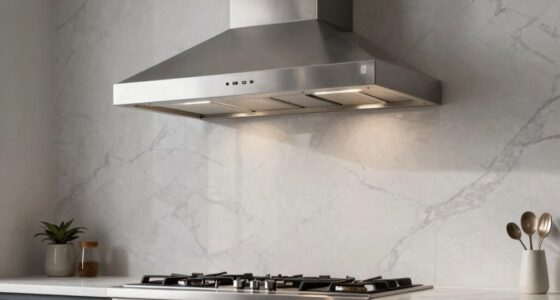
energy-efficient kitchen exhaust fan
As an affiliate, we earn on qualifying purchases.
As an affiliate, we earn on qualifying purchases.
Frequently Asked Questions
How Does Humidity Affect Ventilation Needs in Each Season?
Humidity affects your ventilation needs because seasonal moisture levels change. During humid summers, you need humidity control to prevent mold and discomfort, so increasing ventilation helps remove excess moisture. In cold, dry winters, less ventilation is necessary to retain warmth, but you still need some to prevent stale air. Adjusting your ventilation habits based on seasonal moisture guarantees your home remains comfortable, healthy, and energy-efficient year-round.
Are There Specific Ventilation Strategies for Allergy Sufferers?
Imagine your home as a sanctuary, shielding you from allergens. You should implement specific ventilation strategies for allergy sufferers, like using air purifier benefits to filter airborne particles. Combine this with allergen proofing techniques such as sealing gaps and washing bedding regularly. These steps reduce pollen, dust, and pet dander, creating a cleaner environment. Proper ventilation helps circulate fresh air without introducing allergens, making your home healthier and more comfortable year-round.
How Can Smart Technology Improve Seasonal Ventilation?
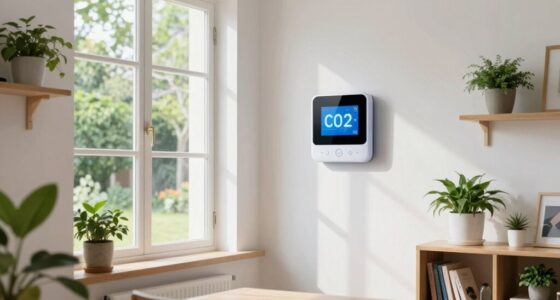
Smart technology improves seasonal ventilation by using smart sensors to monitor air quality and temperature in real-time. Automated controls then adjust airflow and ventilation systems automatically, ensuring ideal indoor air quality and energy efficiency. You won’t need to manually open or close windows or adjust vents, as the system adapts to changing outdoor conditions. This seamless automation helps maintain comfort and health throughout different seasons without extra effort on your part.
What Are the Risks of Over-Ventilating During Winter?
Over-ventilating during winter is like opening a floodgate to winter drafts, which can sap your home’s warmth and increase energy bills. Excessive ventilation reduces your home’s insulation, compromising ventilation efficiency and letting cold air seep in. It also risks moisture buildup, encouraging mold growth. To keep your home cozy and efficient, balance ventilation carefully—avoiding unnecessary drafts while maintaining good airflow to protect your comfort and health.
How Do Outdoor Pollution Levels Influence Ventilation Choices?
Outdoor pollution levels directly influence your ventilation choices, as poor outdoor air can lower indoor air quality. When pollution is high, you should reduce ventilation frequency to prevent pollutants from entering your home. Conversely, on cleaner days, increasing ventilation helps to refresh indoor air and maintain good air quality. Monitoring outdoor air quality allows you to balance ventilation effectively, ensuring a healthier, safer indoor environment without compromising indoor air quality.
smart indoor air quality monitor
As an affiliate, we earn on qualifying purchases.
As an affiliate, we earn on qualifying purchases.
Conclusion
In summary, adjusting your ventilation habits with the seasons isn’t just about comfort—it’s backed by science. Some experts suggest that seasonal changes influence indoor air quality and energy efficiency, making tailored ventilation essential. While the theory isn’t universally proven, many homeowners find that adapting their habits helps reduce humidity, improve air quality, and save on energy costs. So, experiment with seasonal shifts in ventilation—you might just discover the perfect balance for your home.
As an affiliate, we earn on qualifying purchases.
air purifier for allergy sufferers
As an affiliate, we earn on qualifying purchases.
As an affiliate, we earn on qualifying purchases.
Fall Picks
fall essentials
As an affiliate, we earn on qualifying purchases.