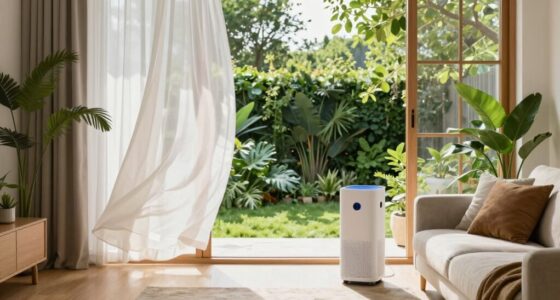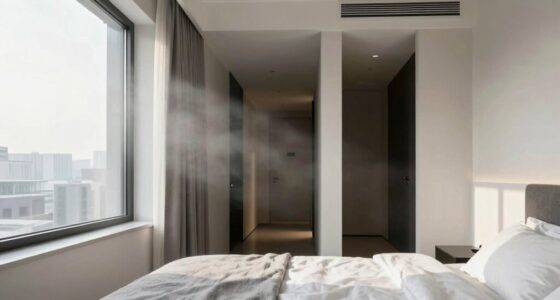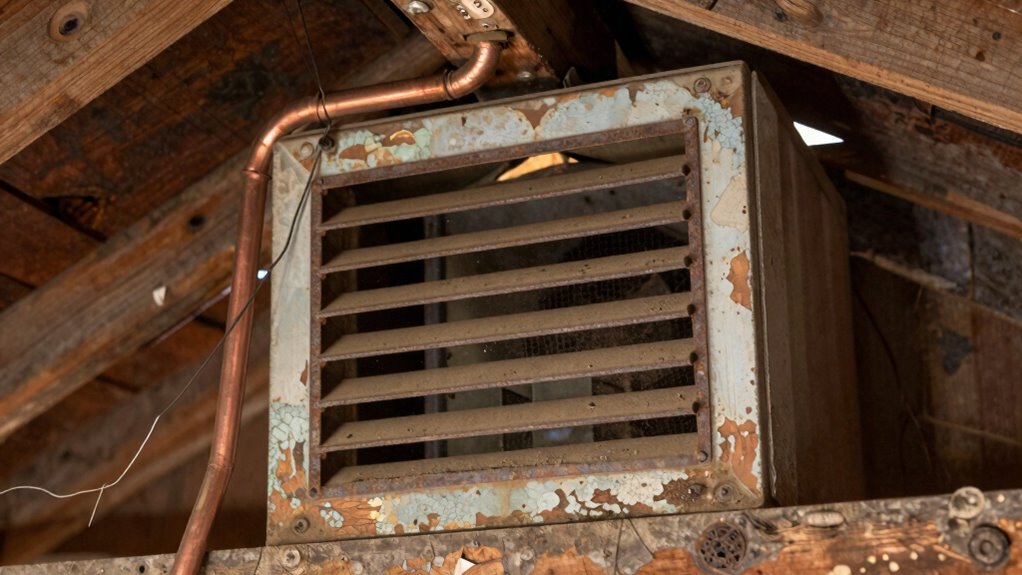
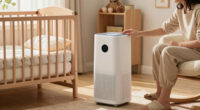
One of the most overlooked ventilation upgrades in older homes is installing an energy-efficient mechanical ventilation system, like a balanced heat recovery ventilator (HRV) or energy recovery ventilator (ERV). These systems actively exchange indoor and outdoor air, controlling moisture and removing indoor pollutants consistently. Unlike relying on open windows or bathroom exhaust fans, they guarantee steady airflow year-round. If you want to discover more ways to improve your home’s air quality, keep exploring this important topic.

Get health and wellness essentials delivered free with Prime
- Fast, free delivery on millions of items
- Prime Video, Amazon Music and more included
- Member-only deals all year
Key Takeaways
- Upgrading attic ventilation systems to improve moisture control and prevent mold growth often gets overlooked.
- Installing balanced ventilation systems, like HRVs or ERVs, can significantly enhance air quality.
- Sealing and insulating ductwork to prevent leaks ensures efficient airflow and reduces indoor pollutants.
- Adding exhaust fans in bathrooms and kitchens addresses moisture at its source, often neglected in upgrades.
- Regular maintenance of existing ventilation components is crucial but frequently overlooked in older homes.
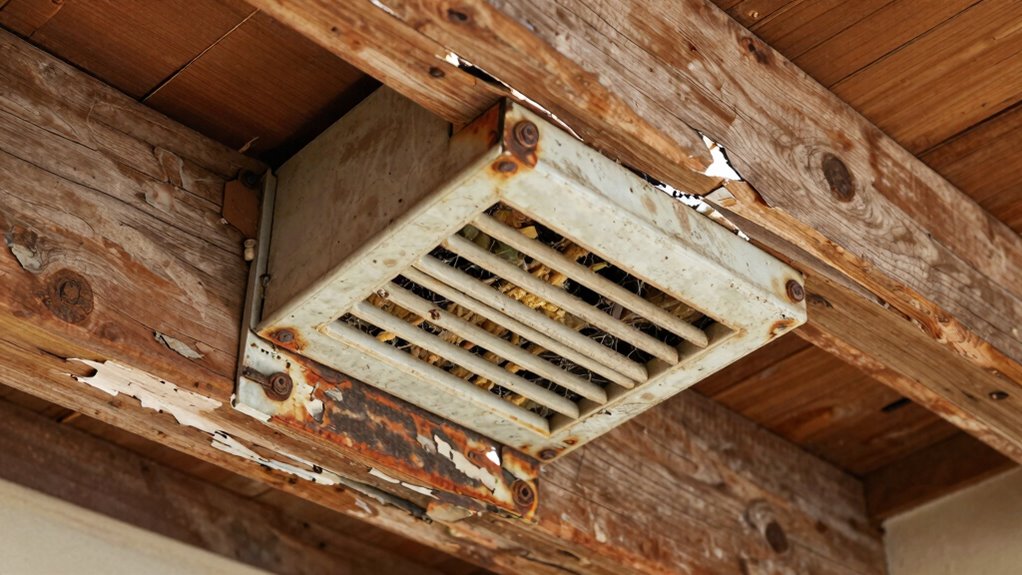
Older homes often lack modern ventilation systems, which can lead to poor air quality and increased moisture buildup. Without proper airflow, indoor pollutants like dust, mold spores, and volatile organic compounds can linger, making the air you breathe less healthy. Over time, this poor air quality can cause respiratory issues, allergies, and general discomfort. You might notice a musty smell or find that your home feels damp and stuffy, especially during humid months. Addressing ventilation isn’t just about comfort; it’s essential for maintaining a safe and healthy living environment.
Older homes often have poor ventilation, leading to indoor pollutants, dampness, and health issues.
One of the most overlooked yet effective upgrades is improving moisture control through ventilation. Excess moisture can lead to mold growth, wood rot, and structural damage, all of which are costly and difficult to fix. Many older homes have inadequate airflow systems that trap moisture inside walls, ceilings, and floors. Installing a dedicated ventilation solution helps regulate humidity levels, reducing the risk of mold and mildew, which thrive in damp environments. Better moisture control also means less chance of paint peeling, warping furniture, or developing musty odors. It’s a simple upgrade that pays off by protecting your home’s integrity and your health.
You might think that opening windows is enough, but that approach isn’t reliable year-round or during extreme weather conditions. A well-designed ventilation upgrade involves installing mechanical systems that actively move air in and out of your home. Exhaust fans in bathrooms and kitchens help remove moisture-laden air at its source, preventing it from spreading into living spaces. Consider adding an energy-efficient attic ventilator or a whole-house ventilation system, which can work continuously or on a set schedule. These systems help maintain a steady exchange of indoor and outdoor air, improving air quality and moisture control regardless of weather. Proper ventilation systems are essential for ensuring consistent airflow and humidity regulation throughout your home. Additionally, understanding indoor air pollutants and their sources can help you target specific issues more effectively, especially in older homes with limited natural ventilation options. Incorporating ventilation strategies can further optimize airflow and humidity balance, making your home healthier and more comfortable.
Upgrading your ventilation isn’t just about adding gadgets; it’s about creating a balanced airflow that keeps humidity in check while removing indoor pollutants. Proper ventilation reduces the buildup of indoor air contaminants, creating a healthier environment for you and your family. It also helps your home feel fresher and more comfortable, especially during seasons when indoor air tends to become stale. If you’re tackling other updates, like insulation or sealing drafts, don’t forget about ventilation. Sometimes, the simplest improvements—like installing a balanced ventilation system—can make the most significant difference. Protect your home’s health, extend its lifespan, and breathe easier by giving proper attention to ventilation and moisture control. Ensuring adequate air exchange is a key part of maintaining a healthy and resilient home environment.
As an affiliate, we earn on qualifying purchases.
Frequently Asked Questions
How Much Does a Ventilation Upgrade Typically Cost?
A ventilation upgrade typically costs between $1,000 and $3,000, but this varies based on your home’s size and system compatibility. You should do a cost comparison of different options to find the best fit for your budget. Keep in mind that upgrading an older home’s ventilation system can improve air quality and energy efficiency, making it a worthwhile investment that pays off over time.
How Long Does a Ventilation Upgrade Take?
A ventilation upgrade usually takes a few hours to a full day, depending on your home’s size and complexity. During this time, your contractor improves air quality and energy efficiency by installing or updating systems. You should plan for some disruption, but the benefits are worth it — cleaner air, lower energy bills, and better overall comfort. Proper planning ensures a smooth process and maximum results.
Can I Upgrade My Ventilation System Myself?
Think of upgrading your ventilation system as taming a wild river—you need skills and knowledge. While DIY ventilation might seem tempting, it’s best to avoid this if you’re unfamiliar with system maintenance and electrical work. Incorrect installations can cause drafts or mold. You might save money upfront, but a professional guarantees your system is safe, efficient, and properly maintained, protecting your home’s health and your peace of mind.
What Are the Signs My Home Needs Better Ventilation?
If you notice indoor air feels stuffy or stale, it’s a sign your home needs better ventilation. Excess moisture or persistent condensation on windows indicates poor moisture control, which can lead to mold growth. You might also experience allergies or respiratory issues more often. Improving ventilation helps refresh indoor air and manage moisture levels, making your home healthier and more comfortable. Keep an eye out for these signs to guarantee proper airflow.
Are There Any Permits Required for Ventilation Upgrades?
Yes, you’ll likely need permits for ventilation upgrades. Building codes usually specify requirements for ventilation systems, and the permit process guarantees your project complies with local regulations. Check with your city or county’s building department before starting. They can guide you through the necessary paperwork and inspections, helping you avoid fines or delays. Securing permits ensures your ventilation upgrade is safe, legal, and up to code.
balanced heat recovery ventilator HRV
As an affiliate, we earn on qualifying purchases.
As an affiliate, we earn on qualifying purchases.
Conclusion
Don’t overlook ventilation upgrades in your older home. Improving airflow not only boosts indoor air quality but can also reduce energy costs and increase comfort. Did you know that poor ventilation contributes to mold growth and respiratory issues in up to 30% of homes? Taking simple steps now can prevent costly repairs later and create a healthier living space for you and your family. Upgrading your ventilation is a small change with a big impact—don’t wait to make it.
As an affiliate, we earn on qualifying purchases.
As an affiliate, we earn on qualifying purchases.
Cold & flu season Picks
humidifiers
As an affiliate, we earn on qualifying purchases.