
To ventilate effectively during extreme heat, open windows during cooler times like early mornings and evenings to bring in fresh air without overheating your space. Create cross-breezes by opening windows on opposite sides, and use window coverings to block direct sunlight. Strategically use fans to enhance airflow, pulling hot air out and letting cooler outdoor air in. For more practical tips, continue exploring ways to maintain comfort without increasing indoor temperatures.

Get health and wellness essentials delivered free — and shop member deals
- Fast, free delivery on millions of items
- Access to Prime Big Deal Days deals on October 6–7
- Prime Video, Amazon Music and more included
Key Takeaways
- Open windows during cooler times like early mornings and evenings to promote fresh air without overheating indoors.
- Create cross-ventilation by opening windows on opposite sides of a space to enhance airflow and cooling.
- Use window coverings or reflective films during peak heat hours to block direct sunlight and reduce indoor temperature gain.
- Monitor outdoor air quality; keep windows closed if pollution or allergens are high, and consider air purifiers for cleaner indoor air.
- Combine natural ventilation with fans or mechanical systems equipped with filters for optimal airflow and indoor comfort.
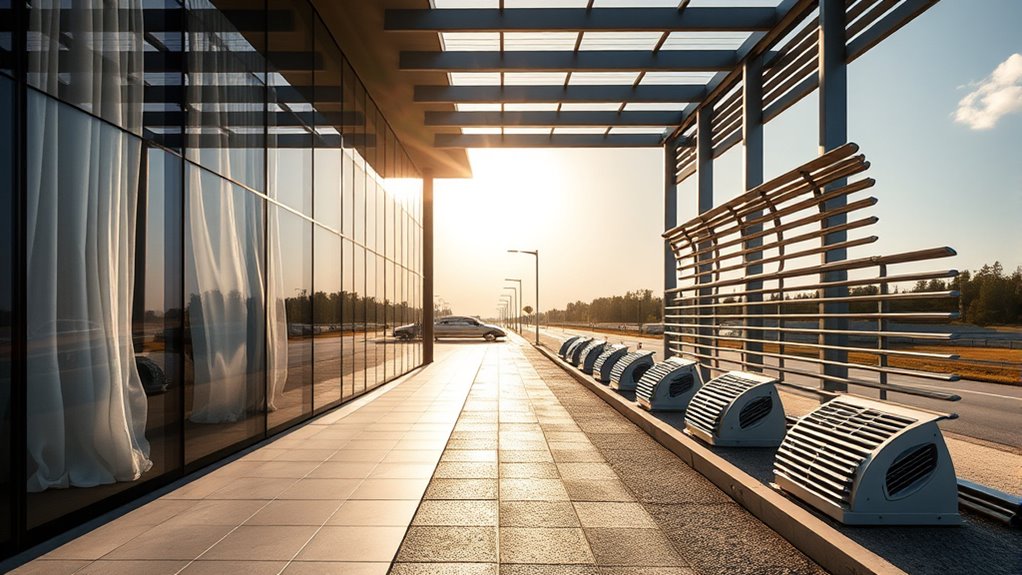
During extreme heat waves, proper ventilation becomes essential for maintaining indoor comfort and safety. When temperatures soar outside, you need a way to bring in fresh air without letting the heat overwhelm your space. Good ventilation helps reduce indoor temperatures, improves air quality, and prevents humidity from building up, which can make you feel even more uncomfortable. The key is to strike a balance—allowing cool breezes to enter while minimizing the influx of hot air.
One effective approach is to open windows during cooler parts of the day, such as early mornings and late evenings. This allows you to create a natural cross-breeze that can cool your home without relying heavily on air conditioning. Position windows on opposite sides of your space to facilitate this airflow; the wind naturally moves from high to low-pressure areas, carrying cooler air inside. If your home faces different directions, open windows on shaded sides or those less exposed to direct sunlight to maximize the cooling effect.
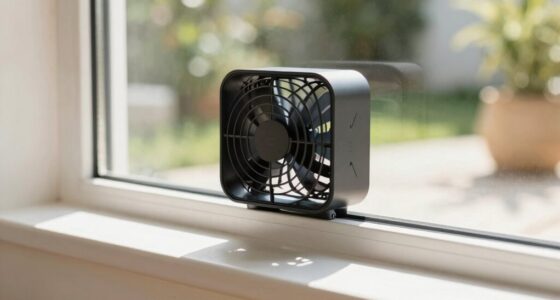
You also want to pay attention to the time of day and weather conditions. On hot days, avoid opening windows during peak sunlight hours, as this can let in the hottest air and increase indoor temperatures. Instead, prioritize ventilation during times when outdoor temperatures are cooler than inside. If you have window fans, use them to enhance airflow—placing them in windows facing away from the prevailing wind can help pull hot air out while bringing in cooler air from the shaded side.
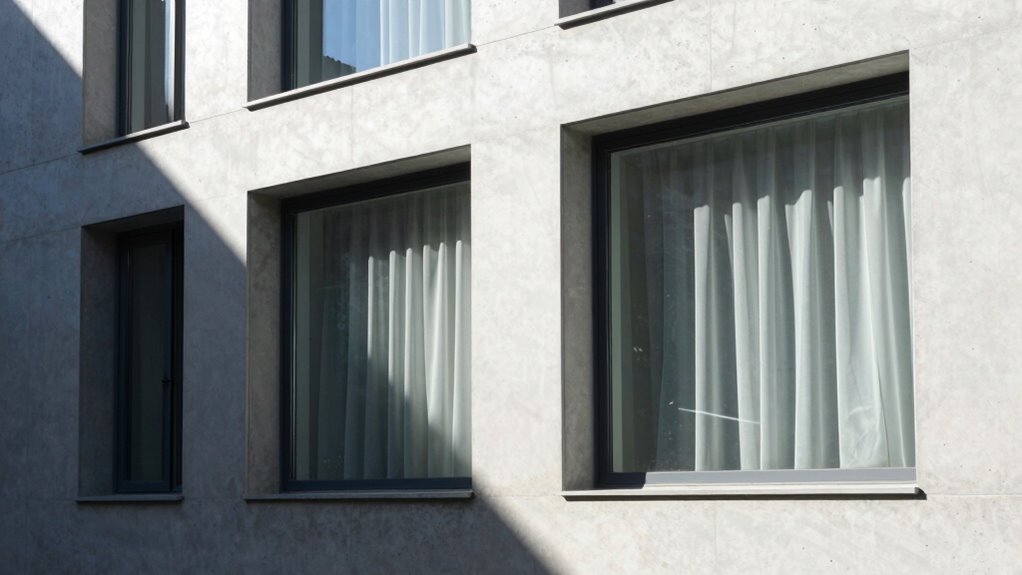
Another consideration is to use window coverings like blinds, curtains, or reflective films. These can block direct sunlight from entering and heating your living space. Keeping blinds closed during the hottest parts of the day helps maintain cooler indoor temperatures, making natural ventilation more effective when you do open your windows.
If you live in a climate where outdoor air quality is good, natural ventilation is your best friend during extreme heat. However, if pollution or allergens are concerns, using air purifiers combined with strategic window opening can help. Remember to always prioritize safety—if outdoor air quality deteriorates or there’s a high pollen count, keep windows closed and rely on mechanical ventilation or air conditioning instead. Additionally, ventilation systems that include filters can improve indoor air quality while maintaining a comfortable temperature.
Frequently Asked Questions
How Can I Ventilate Safely During Extreme Heat Without Increasing Indoor Temperatures?
During extreme heat, you can ventilate safely by opening windows early in the morning or late at night when outdoor temperatures are cooler. Use fans to circulate air and create cross-ventilation, but keep blinds or curtains closed during the hottest parts of the day to block out heat. Avoid opening windows during peak heat hours, and consider using exhaust fans to remove warm indoor air efficiently.
What Are the Best Types of Fans or Ventilation Systems for Hot Weather?
You should choose energy-efficient ceiling fans or portable fans with adjustable speeds to keep air circulating without raising indoor temperatures. Consider installing exhaust fans or attic vents to expel hot air, and use cross-ventilation by opening windows on opposite sides of your space early in the morning or late evening. These systems help maintain airflow while minimizing heat buildup, keeping your indoor environment cooler and more comfortable during hot weather.
How Do I Prevent Indoor Air Pollution While Increasing Ventilation?
You can keep indoor air fresh while minimizing pollution by using air purifiers with HEPA filters, which quietly trap pollutants. Open windows during cooler parts of the day, like early mornings or evenings, to encourage fresh air flow. Avoid smoking indoors and keep household products sealed. Regularly clean vents and filters to prevent dust buildup, ensuring cleaner air without sacrificing ventilation. This way, you enjoy a healthier, more comfortable space.
Can Natural Ventilation Be Effective During Heatwaves?
Yes, natural ventilation can be effective during heatwaves if you time it right. Open windows early in the morning and late at night when temperatures are cooler, and keep them closed during the hottest parts of the day. Use cross-ventilation by opening windows on opposite sides of your home, and consider using fans to boost airflow. This strategy helps cool your space without overloading it with heat.
What Precautions Should Be Taken When Opening Windows in Extreme Heat?
When opening windows during extreme heat, you should do so early in the morning or late at night when temperatures are cooler. Keep windows on the shaded side of your home open to promote cross-ventilation, but close them during the hottest part of the day to prevent heat from entering. Use fans to circulate air, and always monitor indoor temperatures to avoid overheating.
Conclusion
As the heat continues to rise, you realize that staying cool isn’t just about opening a window. It’s about revealing the secrets to fresh air without inviting the flames of overheating. With every breath, you edge closer to a solution—something that keeps your space breathable and safe. But the question remains: can you find the perfect balance before the heat becomes unstoppable? The answer lies just beyond your reach, waiting to be uncovered.
Evergreen bestsellers Picks
bestsellers
As an affiliate, we earn on qualifying purchases.