The stack effect causes your house to “breathe” oddly, as warm air rises, creating pressure differences that pull in cooler outside air through gaps and leaks. Because warm air accumulates near the ceiling, it leads to cold drafts at ground level, especially around windows and doors. These patterns can contribute to discomfort and higher energy bills. Understanding this airflow can help you make your home more comfortable and efficient. Discover more ways to improve your indoor environment!
Key Takeaways
- The stack effect occurs when warm air rises, creating low-pressure zones that pull in cooler outside air, affecting indoor airflow.
- Warm air accumulates near ceilings while cool air settles below, leading to temperature inconsistencies and discomfort in rooms.
- Seasonal temperature fluctuations exacerbate pressure differences, increasing drafts and energy costs, particularly during winter months.
- Common draft sources include gaps around windows, doors, and inadequate insulation in attics and basements that allow air leakage.
- Improving insulation, sealing leaks, and optimizing ventilation can mitigate the stack effect, enhancing indoor air quality and energy efficiency.

BEEST FullStop Spray Foam Insulation Kit – 240 Board ft/sq.ft. Fire Rated Spray Insulation Foam for Walls & Attics with Thermal & Soundproofing – Includes 12x Cans, 1 Cleaner, Pro X Gun, Safety Gear
- Fire-Rated Safety: Class A fire-rated with ASTM E84 compliance
- High Thermal & Sound Insulation: R-8.24 at 2 inches thickness
- Complete Insulation Kit: Includes 12 cans, gun, cleaner, safety gear
As an affiliate, we earn on qualifying purchases.
As an affiliate, we earn on qualifying purchases.
Understanding the Stack Effect

When you think about how air moves in buildings, it’s essential to understand the stack effect. This phenomenon occurs due to differences in air temperature and density, creating distinct airflow patterns. As warm air rises, it creates a low-pressure area at the bottom, pulling in cooler air from outside. This process markedly impacts indoor ventilation, especially in taller structures. Knowing how to discover trusted businesses can help you find professionals who can assist in optimizing your home’s airflow. Additionally, understanding the stack effect can lead to more effective AI-driven solutions for improving indoor air quality.
You might notice that on cooler days, your home feels drafty, while warmer days can feel stuffy. Understanding the stack effect helps you optimize your space for better airflow, ensuring fresh air circulates throughout your home. By recognizing how air moves, you can take steps to enhance indoor comfort and efficiency, making your living environment healthier and more pleasant. Additionally, considering how to maximize your truck bed’s potential can offer insights into efficient space usage, even in residential settings.

Holikme Weather Stripping Door Seal, Shower Door Seal Strip,1.8" W-33Feet
- Draft Blocker: Prevents cold drafts and air leaks
- Flexible & Easy to Install: Conforms to uneven gaps, simple application
- Energy Saving: Reduces energy waste and lowers bills
As an affiliate, we earn on qualifying purchases.
As an affiliate, we earn on qualifying purchases.
How Temperature Differences Influence Airflow

When you think about airflow, remember that warm air tends to rise while cold air sinks. This natural behavior creates pressure differences that can substantially impact how air moves in and out of spaces. Understanding these dynamics is key to grasping the stack effect and its implications. Additionally, factors such as temperature differences can significantly influence the efficiency of airflow in various environments. For example, in a home with poor insulation, the leave no trace practices can help mitigate the effects of the stack effect by reducing energy loss. Furthermore, the horsepower of electric dirt bikes demonstrates how power output can also relate to the effectiveness of energy use in different systems. Incorporating Stoic wisdom into your approach can help you maintain a calm perspective when addressing these airflow issues. The importance of proper insulation in preventing energy loss cannot be overstated.
Warm Air Rises
As warm air rises, it creates a natural flow that influences how air moves within a space. This process is essential for maintaining a comfortable indoor climate through thermal layering. Here are three key points to contemplate:
- Temperature Distribution: Warm air gathers near the ceiling, while cooler air settles below, affecting your room’s overall temperature. Understanding this can also help when considering the airflow dynamics of classic motorcycles, as similar principles apply to engine cooling. This phenomenon mirrors the behavior of supernatural occurrences, where unseen forces can create unexpected environmental changes.
- Ventilation Impact: Proper ventilation helps circulate this warm air, preventing stagnant zones and promoting a consistent indoor environment. Just as with a well-tuned motorcycle, ensuring adequate airflow can enhance overall performance.
- Energy Efficiency: Understanding warm air’s behavior can help you optimize heating systems, reducing energy costs and improving comfort. Additionally, implementing energy-efficient cloud solutions can further contribute to sustainable living by minimizing carbon footprints associated with heating and cooling systems.
Cold Air Sinks
Cold air, being denser than warm air, naturally sinks to ground level, creating an essential component in the stack effect. This phenomenon occurs due to thermal buoyancy, where temperature differences in your home lead to varying air pressures. As warm air rises, cooler air descends, resulting in noticeable indoor drafts. You might feel these drafts near windows or doors, especially during colder months. The sinking cold air can also create pressure imbalances, pulling air from outside into your living space. Understanding how cold air behaves helps you address airflow issues, ensuring your home remains comfortable. By managing these indoor drafts, you can improve energy efficiency and regulate the temperature in your home more effectively. Additionally, consider the impact of mileage limits on energy usage, as improper airflow can lead to increased heating costs.
Pressure Differences Matter
Understanding how cold air sinks lays the groundwork for grasping the role of pressure differences in your home. These pressure differences create distinct airflow patterns that can affect your comfort. When warm air rises, it leaves behind a low-pressure area, drawing in cooler air from outside. Here are three key points to contemplate:
- Temperature Variations: Differences in indoor and outdoor temperatures can create significant pressure changes. The greatest happiness principle suggests that optimizing comfort can enhance overall well-being. Additionally, maintaining proper piercing care and hygiene is crucial for ensuring your body feels comfortable and healthy, just as managing home temperature can enhance your living environment. Understanding the importance of insulation techniques can also play a critical role in stabilizing these temperature variations. For instance, using essential oils like eucalyptus oil can create a calming atmosphere that improves your overall comfort during temperature fluctuations.
- Ventilation Gaps: Leaks and openings in your home can exacerbate these pressure differences, leading to unwanted drafts.
- Seasonal Changes: As the seasons shift, so do the temperature swings, which can alter how air flows through your space. Additionally, understanding Gold IRAs for retirement planning can help in making informed financial decisions as you consider the long-term comfort of your home.
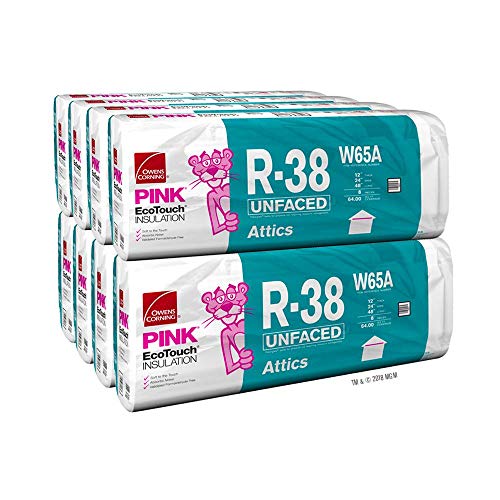
Owens Corning 512 SQFT 8 Bags of R-38 Unfaced 24 by 48 Fiberglass Batt Fits 2X12 attic
- Ideal for Attic Insulation: Fits between trusses with proper venting
- Contains 8 Batts per Bag: Total coverage of 512 sqft
- Unfaced Insulation: No paper backing, suitable for interior use
As an affiliate, we earn on qualifying purchases.
As an affiliate, we earn on qualifying purchases.
The Role of Building Design in Air Movement

Building design plays a pivotal role in facilitating air movement, especially when considering the stack effect. Factors like building orientation and window placement can markedly impact how air flows through your home. Properly positioning your windows can enhance cross-ventilation, allowing fresh air to circulate effectively. Understanding design style influences can also aid in creating spaces that promote better airflow.
| Design Element | Impact on Air Movement |
|---|---|
| Building Orientation | Affects prevailing wind patterns |
| Window Placement | Enhances or restricts airflow |
| Ceiling Height | Influences stack effect strength |

Sunolga Door Draft Stopper, Removable Washable Cover, 38", Gray
- Energy Saving Design: Maintains cool indoor climate and reduces AC load
- Removable & Washable Cover: Easy to clean with machine washable fabric cover
- Weighted Stay-Put Design: Heavy beads keep the door draft stopper in place
As an affiliate, we earn on qualifying purchases.
As an affiliate, we earn on qualifying purchases.
Common Symptoms of the Stack Effect in Homes

As you move through your home, you might notice certain symptoms indicating the presence of the stack effect. These signs can impact your comfort and air quality, suggesting your home needs attention. Here are three common symptoms to watch for:
Be aware of symptoms like drafts, inconsistent temperatures, and poor air quality that indicate the stack effect in your home.
- Drafty Areas: You may feel cold spots near windows or doors, often due to inadequate window sealing. This can lead to increased energy costs as your heating system works harder to maintain a comfortable temperature. Additionally, improving ventilation considerations can help mitigate these drafts.
- Inconsistent Temperatures: Some rooms may feel stuffy while others are too chilly, indicating uneven air distribution. Proper room-by-room guides can help you address these issues effectively.
- Poor Air Purification: You might notice an increase in dust or allergens, suggesting that the stack effect is affecting your air quality. Additionally, addressing energy efficiency can significantly enhance your home’s comfort and reduce these symptoms.
Addressing these symptoms can help improve your home’s energy efficiency and overall comfort.
The Impact of Seasons on the Stack Effect

While the stack effect can occur year-round, its impact varies considerably with the changing seasons. In winter, when temperatures drop, your home’s stack effect intensifies, causing warmer air to rise and escape, leading to noticeable drafts. This seasonal ventilation can increase your heating costs as you work to maintain a comfortable temperature. Additionally, during this time, the use of music therapy can help mitigate the stress caused by higher energy bills and discomfort. Conversely, in summer, the temperature fluctuation may lessen the effect, but you could still experience unwanted heat accumulation. This can make your air conditioning less efficient, as hot air rises and gets trapped. Understanding these seasonal changes helps you identify the best times for maintenance and adjustments, ensuring your home stays comfortable and energy-efficient throughout the year. Additionally, incorporating smart home technology can help you better manage indoor temperatures and reduce energy waste.
Identifying Areas Prone to Drafts

To effectively combat drafts in your home, it’s essential to identify the areas where air leaks tend to occur. These draft spots can lead to uncomfortable temperatures and increased energy bills. Focus on these key areas:
- Windows and Doors: Check for gaps around frames. Thermal leaks often originate here.
- Attics and Basements: Inspect insulation and sealing. Warm air escapes, creating a draft.
- Outlets and Switches: Look for cracks or gaps where they meet the wall. These small openings can harbor significant air movement.
Solutions to Mitigate the Stack Effect

When you address the stack effect in your home, implementing effective solutions can considerably enhance comfort and energy efficiency. Start by improving insulation standards throughout your home. Make sure your attic and walls are adequately insulated to prevent warm air from escaping. Next, focus on humidity control; using dehumidifiers can help manage moisture levels and reduce the stack effect’s influence. Sealing gaps around windows and doors also plays a vital role in minimizing drafts. Additionally, consider installing energy-efficient windows that reduce heat loss. Proper ventilation systems can balance airflow and keep indoor conditions stable. By taking these steps, you’ll create a more comfortable living environment while promoting energy efficiency in your home.
Energy Efficiency and the Stack Effect

The stack effect can markedly impact your home’s energy efficiency. When warm air rises and escapes through the top of your home, it creates a vacuum that pulls in cold air from outside. This results in air leakage, making your heating system work harder. To enhance energy efficiency, consider the following:
- Seal Insulation Gaps: Check for gaps around windows, doors, and vents to minimize air leakage.
- Upgrade Insulation: Ensure your attic and walls are well-insulated to prevent heat loss.
- Use Weatherstripping: Apply weatherstripping to doors and windows to create a tighter seal.
The Importance of Proper Ventilation

Proper ventilation is vital for maintaining healthy air quality in your space. It not only helps in energy efficiency but also plays a key role in controlling moisture levels. By ensuring good airflow, you can create a more comfortable and sustainable environment.
Air Quality Improvement
How can you guarantee the air you breathe indoors is fresh and healthy? To improve air quality and enhance indoor circulation, focus on these three key strategies:
- Ventilation: Open windows regularly to let fresh air in and stale air out. Consider exhaust fans in kitchens and bathrooms to remove pollutants.
- Air Purifiers: Invest in high-quality air purifiers with HEPA filters to reduce allergens and contaminants in your home.
- Houseplants: Incorporate indoor plants known for their air-purifying properties, like spider plants and snake plants, to naturally enhance air quality.
Energy Efficiency Benefits
Adequate ventilation plays a crucial role in enhancing energy efficiency within your home. When you guarantee proper airflow, you help your insulation upgrades work more effectively. This means your heating and cooling systems don’t have to work as hard, ultimately saving you money on energy bills. With the right balance of fresh air and thermal management, you can maintain a comfortable environment year-round. Implementing smart thermostats can further optimize this process, allowing you to adjust settings based on occupancy and weather conditions. By combining proper ventilation with insulation upgrades and smart technology, you create an energy-efficient home that reduces waste and enhances comfort. So, take charge of your home’s airflow to maximize energy savings and improve efficiency.
Moisture Control Strategies
While you might focus on energy efficiency, neglecting moisture control can lead to serious issues in your home. High indoor humidity and moisture infiltration can create a breeding ground for mold and mildew, which may damage your structure and health. Here are three effective moisture control strategies:
- Improve Ventilation: Ensure proper airflow in your home with exhaust fans in kitchens and bathrooms.
- Use Dehumidifiers: Invest in dehumidifiers to maintain ideal indoor humidity levels, especially in damp areas like basements.
- Seal Leaks: Inspect your home for any leaks or gaps that allow moisture infiltration and seal them effectively.
Implementing these strategies will help you maintain a healthy, comfortable living environment while protecting your home.
Future Trends in Home Design and Airflow Management
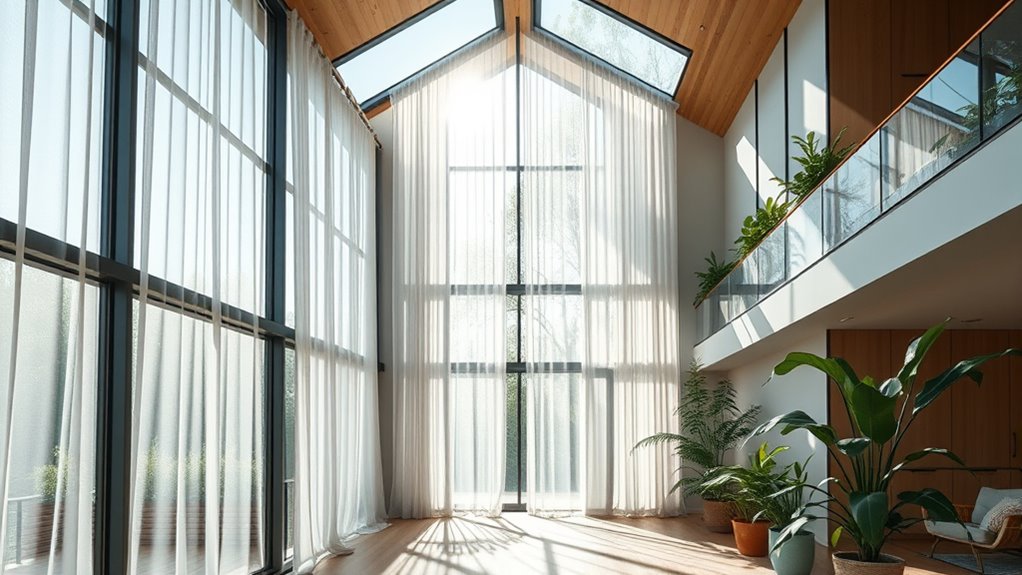
As designers and homeowners increasingly prioritize energy efficiency and comfort, future trends in home design and airflow management are set to evolve dramatically. You’ll see a rise in smart thermostats that not only adjust temperatures but also optimize airflow based on real-time data. Modular construction will gain traction, allowing for customizable spaces that enhance natural ventilation and reduce energy consumption. These innovations will help you create homes that breathe better, adapting to your needs while minimizing environmental impact. Emphasizing eco-friendly materials and designs will also play a significant role in shaping the future. As you embrace these trends, you’ll enjoy a more comfortable living environment that promotes health and well-being, all while being kinder to the planet.
Frequently Asked Questions
Can the Stack Effect Cause Indoor Air Pollution?
Yes, the stack effect can cause indoor air pollution. As warm air rises and escapes, it creates a vacuum that pulls in outside air, which may contain pollutants. This pollutant migration can negatively impact your air quality, bringing in allergens, dust, or even chemicals from outside. If you notice issues with indoor air quality, it’s essential to address ventilation and consider air purifiers to help mitigate these effects.
How Does Humidity Affect the Stack Effect?
Humidity considerably affects the stack effect by promoting moisture migration within your home. When indoor humidity rises, warm air laden with moisture ascends, creating pressure differences that can draw in outside air. This process might introduce pollutants and allergens, impacting your indoor air quality. By managing indoor humidity, you can help control this airflow and minimize the unwanted effects of moisture, ensuring a healthier living environment for you and your family.
Is the Stack Effect Stronger in Tall Buildings?
Absolutely, the stack effect’s intensity skyrockets in tall buildings! As you increase building height, airflow dynamics shift dramatically. Hot air rises, creating a vacuum that pulls in cooler air from lower levels. This phenomenon amplifies in skyscrapers, where the vertical distance enhances pressure differences. You’ll find that the taller the structure, the more pronounced the stack effect becomes, leading to a wild dance of air that can perplex even the most seasoned architect!
Can Plants Help Reduce Stack Effect Symptoms?
Yes, plants can help reduce stack effect symptoms through plant mitigation. By strategically placing indoor plants, you can improve air quality and enhance natural ventilation. They absorb carbon dioxide and release oxygen, creating a fresher indoor environment. Additionally, plants can help regulate humidity levels, making your space feel more comfortable. So, incorporating greenery into your home not only beautifies your space but also contributes to better air circulation and overall well-being.
Does the Stack Effect Impact Heating and Cooling Costs?
Yes, the stack effect can substantially impact your heating and cooling costs. Imagine your home as a balloon with air leakage and insulation gaps. When warm air rises and escapes, your heating system works overtime to maintain comfort, driving up costs. Conversely, in summer, cool air escapes, making your AC work harder. Addressing these gaps can help stabilize temperatures, reducing energy bills and improving overall efficiency in your home.
Conclusion
Just like a well-tuned orchestra, your home needs harmony between temperature and airflow. When the stack effect plays its tune, it can create unexpected drafts and discomfort. By understanding its rhythm and making thoughtful adjustments—like sealing leaks and improving ventilation—you’ll create a symphony of energy efficiency and comfort. Embrace these changes, and your home will breathe more easily, turning the discord of air movement into a soothing melody that enhances your living space.