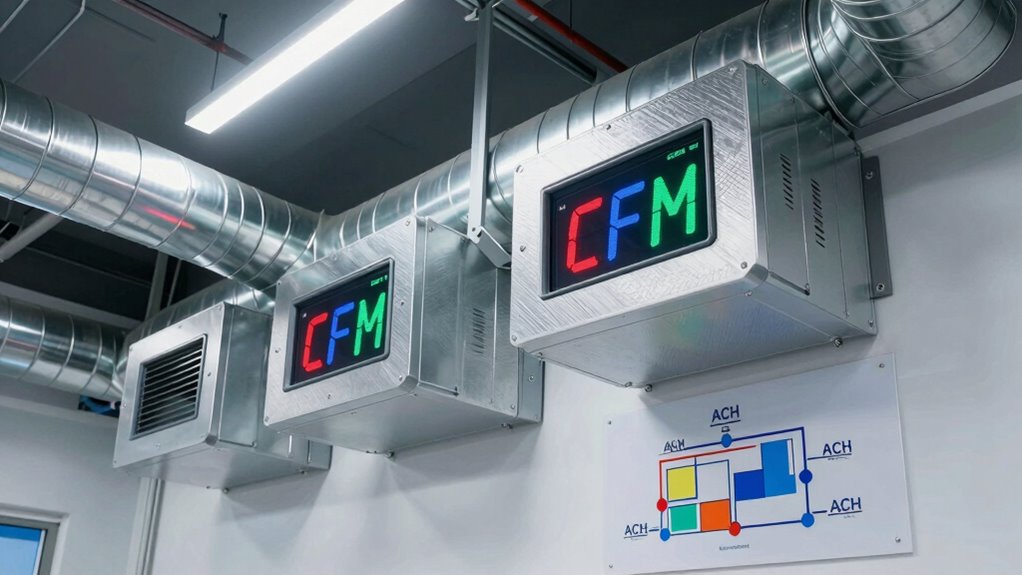

Understanding ventilation rates can be confusing, but it’s straightforward once you know the basics. CFM measures how much air your system moves each minute, while ACH shows how many times the entire room’s air is replaced every hour. Both are essential for designing safe, healthy spaces. If you want to clear up the confusion and learn how these units work together, there’s more to discover that can help you optimize your ventilation needs.
Key Takeaways
- CFM measures actual airflow volume moved per minute, indicating how much air a ventilation system supplies or exhausts.
- ACH shows how many times the entire room air volume is replaced in one hour, relating airflow to room size.
- CFM is a real-time airflow rate, while ACH assesses how frequently the space’s air is fully refreshed.
- Both units are essential: CFM for system capacity, ACH for compliance with safety and health standards.
- Understanding both helps design effective ventilation that maintains indoor air quality and safety.

Have you ever wondered how the air you breathe is kept fresh and safe? It all comes down to ventilation, which controls how much outside air gets into a space and how quickly stale air is replaced. Understanding ventilation rates is vital, but it can be confusing because of the many units and measurements used. Two of the most common ways to measure ventilation are CFM and ACH, and knowing their differences helps you guarantee a space is properly ventilated.
CFM, or cubic feet per minute, measures the volume of air moved into or out of a space every minute. Think of it as how much air a fan or ventilation system pushes through a room each minute. A higher CFM means more air is exchanged, which can improve air quality, reduce odors, and lower the risk of airborne contaminants. For example, a small office might require a ventilation system capable of delivering 50 CFM, while a large warehouse may need several hundred CFM to keep the air fresh. CFM is straightforward because it describes the actual amount of air flowing per minute, making it easy to compare different systems or units.
On the other hand, ACH, or air changes per hour, indicates how many times the total volume of air in a space is replaced within an hour. If a room has an ACH of 6, it means the entire volume of air inside the space is replaced six times every hour. To determine ACH, you need to know both the room’s volume and the ventilation rate in CFM. For example, if you know the room’s volume in cubic feet and the CFM of your ventilation system, you can calculate ACH by dividing the CFM by the room’s volume and multiplying by 60. ACH offers a perspective on how quickly the air is refreshed relative to the room’s size, which is particularly useful in settings like laboratories, hospitals, or commercial kitchens where specific air change rates are mandated for safety or health reasons. Additionally, proper ventilation plays a critical role in maintaining indoor air quality and preventing the buildup of pollutants.
The confusion often arises because these units describe different aspects of ventilation. CFM provides a real-time flow rate, while ACH relates to how often the entire room’s air is replaced over time. Both are vital but serve different purposes: CFM helps you understand the capacity of a ventilation system, and ACH helps you gauge whether that capacity is sufficient relative to room size. So, when you’re evaluating ventilation needs, it’s important to consider both metrics. This way, you can guarantee your space maintains good air quality, avoids stagnation, and complies with safety standards. Understanding these basics helps you make informed decisions about ventilation, creating healthier and more comfortable environments.

VIVOSUN 4" Inline Fan &Speed Controll 130 CFM Exhaust Fan for Home Workshop
- Airflow Capacity: 130 CFM for effective ventilation
- Energy Efficient Motor: Upgraded EC motor for low energy use
- Quiet Operation: Runs at just 26dB(A)
As an affiliate, we earn on qualifying purchases.
As an affiliate, we earn on qualifying purchases.
Frequently Asked Questions
How Do I Calculate Ventilation Needs for Different Room Sizes?
To calculate ventilation needs for different room sizes, measure the room’s volume by multiplying its length, width, and height. Decide on the recommended air changes per hour (ACH) for your space. Multiply the room volume by ACH, then divide by 60 to get the required CFM. This guarantees you provide enough fresh air, tailored to your room’s size and usage.
What Are the Best Units to Use for Residential Ventilation?
Think of your home as a living, breathing organism that needs fresh air to thrive. For residential ventilation, stick with CFM (cubic feet per minute) to measure airflow, because it’s straightforward and easy to understand. Use it to make certain each room gets enough fresh air without overdoing it. CFM helps you create a healthy, comfortable environment, much like giving your home a gentle, natural gust of fresh
How Does Ventilation Rate Affect Indoor Air Quality?
Your ventilation rate directly impacts indoor air quality by controlling the number of fresh air exchanges. When you increase the rate, you remove more pollutants, humidity, and odors, making the air healthier and more comfortable. Conversely, a low rate allows contaminants to build up, leading to poor air quality. So, maintaining an appropriate ventilation rate helps you breathe cleaner, healthier air and reduces potential health issues caused by indoor pollutants.
Can Ventilation Rates Be Too High or Too Low?
Yes, ventilation rates can be too high or too low. If ventilation is too low, pollutants and humidity build up, causing poor air quality and health issues. Too high, and you waste energy, create drafts, or disturb comfort levels. You need a balanced rate that guarantees fresh air circulation without sacrificing efficiency or comfort. Properly calibrated ventilation helps maintain a healthy, comfortable indoor environment.
How Do Local Regulations Influence Ventilation Requirements?
Local regulations set specific ventilation standards to guarantee safety and air quality. You need to follow these rules because they mandate minimum airflow rates, often based on space size or occupancy. Regulations may also specify acceptable units and testing procedures. Ignoring these requirements can lead to fines or unsafe environments. Always stay updated on local codes, and consult authorities or professionals to ensure your ventilation systems meet legal standards.

16 in 1 Air Quality Monitor Indoor 7" Wildfire CO2 Monitor, 9 AQI+7 Alerts
- 16-in-1 Indoor Air Quality Monitoring: Detects 9 key parameters including CO2 and PMs
- 7-inch Large LED Display: Clear, instant air quality readings with adjustable brightness
- High-Precision External Sensors: Accurate to 0.001 units for reliable detection
As an affiliate, we earn on qualifying purchases.
As an affiliate, we earn on qualifying purchases.
Conclusion
Now that you understand the key ventilation units—CFM, ACH, and their quirks—you’re better equipped to make informed decisions. But don’t assume it’s all straightforward; the real challenge lies in applying these concepts correctly in your space. Will you be able to optimize your ventilation system to ensure safety and efficiency? The next step could be the most critical—are you ready to take control and reveal the secrets behind effective airflow?
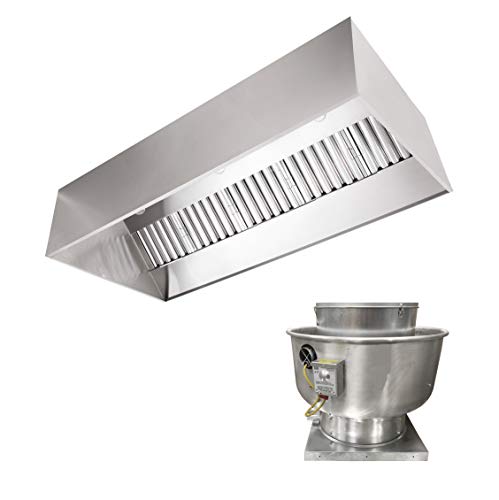
Stainless Steel Commercial Exhaust Only Hood System, Includes Stainless Steel Exhaust Only Hood, Rooftop Exhaust Fan, and Roof Curb (4' Wall Exhaust Only Hood & Fan)
- ETL & NSF Certified System: Includes stainless steel hood, fan, and curb
- Durable Stainless Steel Construction: 430 stainless steel hood with 48" depth
- High-Temperature Rated Hood: 600°F rating for medium to heavy-duty cooking
As an affiliate, we earn on qualifying purchases.
As an affiliate, we earn on qualifying purchases.

BTMETER Por CFM Anemometer Wind Gauge with 600Set Data Storage Export to PC
- Multi-Unit Wind Measurement: Measures wind velocity in 5 units
- Data Storage & Export: Stores 600 data groups, exports to PC
- High Range Wind Speed: Measures 0.001 to 100 mph with high accuracy
As an affiliate, we earn on qualifying purchases.
As an affiliate, we earn on qualifying purchases.