
Cross-ventilation’s your simple trick to clear stale air and boost indoor air quality. By strategically placing windows and doors, you create a natural airflow that brings in fresh air while expelling pollutants. Open windows on opposite sides of your home and use fans to maximize this effect. Don’t block airflow with furniture, and keep interior doors open to promote circulation. Want to discover more tips for enhancing your home’s air quality? There’s plenty to explore!
Key Takeaways
- Open windows and doors on opposite sides of a room to create direct airflow, facilitating effective cross-ventilation.
- Use fans strategically to enhance air circulation and help expel stale air while drawing in fresh air.
- Keep interior doors open to connect rooms and promote continuous air movement throughout the home.
- Utilize air purifiers alongside cross-ventilation to filter out pollutants and allergens for improved indoor air quality.
- Regularly clean surfaces and maintain humidity levels between 30-50% to prevent indoor air pollutants and enhance freshness.

LEVOIT Air Purifier for Home Allergies and Pets Hair Smokers in Bedroom, H13 True HEPA Filter, 24db Filtration System Cleaner Odor Eliminators, Remove 99.97% Dust Smoke Mold Pollen, Core 300, White
- AHAM Verified for Performance: Independently tested for air quality and efficiency
- Powerful Filtration System: 56W motor with 143 CFM CADR
- Effective for Large Rooms: Cleans 222 sq ft 4.8 times/hour
As an affiliate, we earn on qualifying purchases.
Understanding Cross-Ventilation
When you think about keeping your space comfortable, understanding cross-ventilation is vital. This architectural design strategy promotes airflow through your home by creating openings that allow fresh air to flow in while stale air exits. By strategically placing windows and doors, you can effectively reduce indoor pollution, making your living environment healthier. Incorporating smart appliances can also help monitor air quality and maintain optimal ventilation. Additionally, utilizing smart thermostats can optimize HVAC performance, further enhancing indoor comfort. Effective ventilation is crucial because indoor air can be more polluted than outdoor air due to common household pollutants.
Cross-ventilation works by leveraging natural wind patterns, allowing cooler outdoor air to replace warm, polluted air inside. It’s essential to consider the layout of your space; even small adjustments in window placement can enhance airflow greatly. Additionally, ensuring that your home has high contrast ratios in lighting can improve visibility and comfort in various areas. By grasping the principles of cross-ventilation, you not only improve comfort but also contribute to a cleaner atmosphere, ensuring your home remains a revitalizing haven. Additionally, understanding how natural wind patterns influence airflow can further enhance the effectiveness of your home’s ventilation strategy.

MOOKA Air Purifier for Bedroom Home Dorm 430 Ft², Compact HEPA Air Cleaner
- True HEPA Filter with 360° Air Intake: Removes dust, smoke, pollen, pet dander
- Compact & Portable Design: Powered via USB for versatile use
- Universal Voltage Compatibility: Works with 110-240V power sources
As an affiliate, we earn on qualifying purchases.
Benefits of Cross-Ventilation
The advantages of cross-ventilation extend beyond just comfort; they considerably enhance indoor air quality and energy efficiency. By allowing fresh air to flow through your home, you reduce the concentration of indoor pollutants, allergens, and stale odors, including ear wax odor which can be exacerbated by poor ventilation. This natural air exchange helps create a healthier living environment for you and your family. Additionally, cross-ventilation can lower your reliance on air conditioning, leading to significant energy savings. When you let the breeze circulate, you keep your home cooler without overworking your HVAC system. This not only cuts down on energy bills but also reduces your carbon footprint. Overall, embracing cross-ventilation can transform your living space into a fresher, more efficient haven. Moreover, understanding airflow and filtration can further improve your home’s air quality and enhance the effectiveness of cross-ventilation strategies. Implementing simple tips for better indoor air quality can also complement the benefits of cross-ventilation, ensuring a more comprehensive approach to maintaining a healthy home environment. Furthermore, studies show that implementing energy-efficient practices can lead to additional savings and improved comfort levels in your home. Additionally, adopting healthy sleep environments is vital for ensuring that you can fully benefit from these improvements in air quality, promoting better rest and rejuvenation.
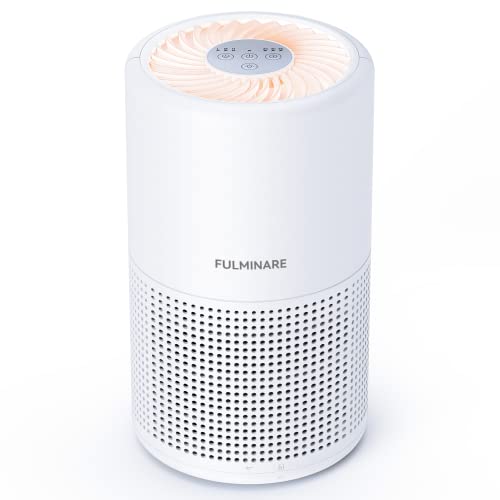
Air Purifiers for Bedroom, FULMINARE H13 True HEPA Air Filter, Quiet Air Cleaner With Night Light, Portable Small Air Purifier for Home, Office, Living Room
- Efficient Particle Filtration: H13 HEPA filter for clean air
- High Circulation Rate: 360° air outlet, refreshes 5x/hour
- Suitable for 215 sq ft rooms: Effective in small to medium rooms
As an affiliate, we earn on qualifying purchases.
Setting Up Cross-Ventilation in Your Home
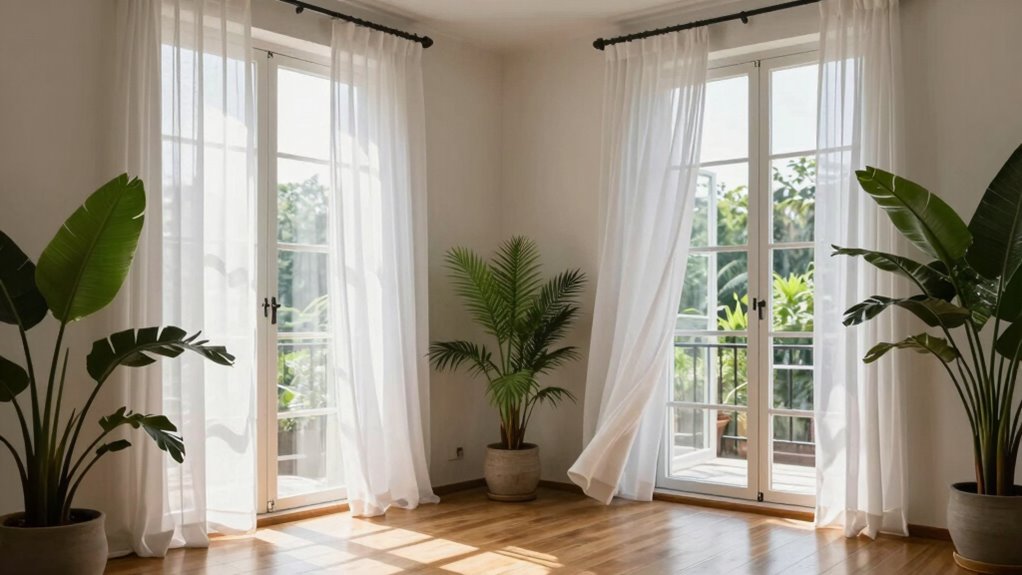
To create effective cross-ventilation in your home, start by identifying the best windows and doors for airflow. Open windows on opposite sides of your space to allow fresh air to flow through. If you have window treatments, consider adjusting them to facilitate this airflow; sheer curtains can help without blocking the breeze. Additionally, using proper ventilation techniques can significantly enhance the effectiveness of your cross-ventilation efforts. Creating a calm atmosphere can further improve your overall well-being. Furthermore, incorporating outdoor ovens into your backyard can create a harmonious indoor-outdoor space that complements your ventilation efforts. Next, use doors strategically—open interior doors to connect rooms and promote circulation. You might also want to incorporate air purifiers to enhance air quality while cross-ventilating, especially during allergy season. Furthermore, consider implementing energy-efficient cloud solutions to optimize indoor air quality and reduce energy consumption during ventilation, especially if you’re using fans or HVAC systems. Make sure to check the weather, too; ideal conditions help maximize ventilation. By following these steps, you’ll enjoy a fresher, more inviting atmosphere in your home. Additionally, consider consulting with expert recommendations to further improve your home’s air quality.

VOOPNU Air Purifiers for Bedroom, High Efficiency Filter, 1076 Ft², Black
- Easy-to-Use Control Panel: Intuitive design for simple operation
- Compact and Powerful: Covers 1076 ft² in a small size
- 360° Airflow Design: Ensures even air purification
As an affiliate, we earn on qualifying purchases.
Tips for Maximizing Airflow
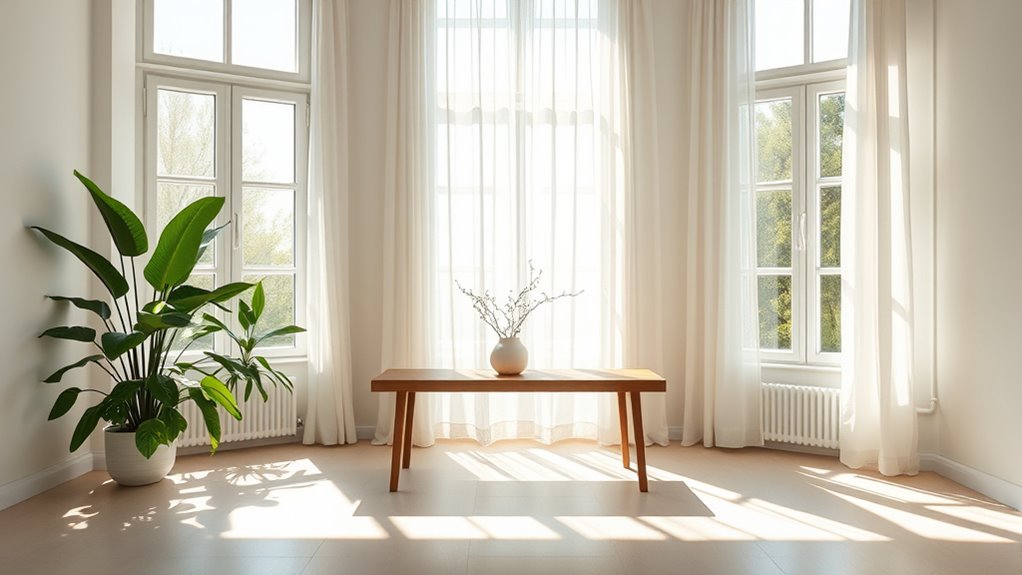
To maximize airflow in your home, you need to open windows strategically to create a breeze. Positioning fans can also enhance circulation, pushing fresh air throughout your space. By combining these techniques, you’ll enjoy a cooler and more comfortable environment. Additionally, maintaining your air purifier’s efficiency through regular filter maintenance can further improve the overall air quality in your home. Investing in energy-efficient models for your heating or cooling systems can also help maintain optimal airflow.
Open Windows Strategically
How can you make the most of your home’s airflow? Start by opening windows strategically to create a cross-ventilation effect. Choose windows that are opposite each other to allow fresh air to flow through your space. If you have indoor plants, place them near the windows; they’ll help purify the air while adding a natural touch. Consider the time of day when you open your windows—early morning or late evening often brings cooler air. Additionally, keeping your air purifiers running to enhance the quality of the air coming in is essential, as robot vacuums can be programmed to clean while you ventilate. Installing a whole-house water filtration system can also contribute to a healthier home environment by ensuring that the water you use is clean and free from contaminants. This balanced approach will help minimize stale air and maintain an invigorating atmosphere in your home. Remember, a little planning goes a long way in maximizing your airflow! Incorporating air purifiers into your routine can significantly improve air quality, ensuring a fresher home environment. Additionally, maintaining proper water chemistry in your pool can enhance overall home comfort by providing a refreshing escape during hot weather. By taking steps to create a healthier living space, you can support compassionate caregiving for seniors in your life who may be more sensitive to air quality.
Use Fans Effectively
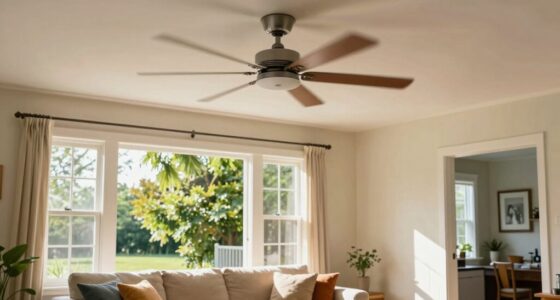
While opening windows can boost airflow, using fans effectively can take that fresh breeze to the next level. Start by considering fan placement; positioning fans near windows can help draw in fresh air or push stale air out, depending on your needs. Experiment with different angles to find the most suitable direction that enhances airflow patterns throughout your space.
In warmer weather, set fans to rotate counterclockwise to create a wind-chill effect, making you feel cooler without lowering the temperature. In cooler months, reverse the fan direction to push warm air down. Don’t forget to use multiple fans strategically in larger rooms or hallways to ensure consistent airflow. This way, you can maximize your cross-ventilation efforts and keep your home feeling fresh.
Common Mistakes to Avoid
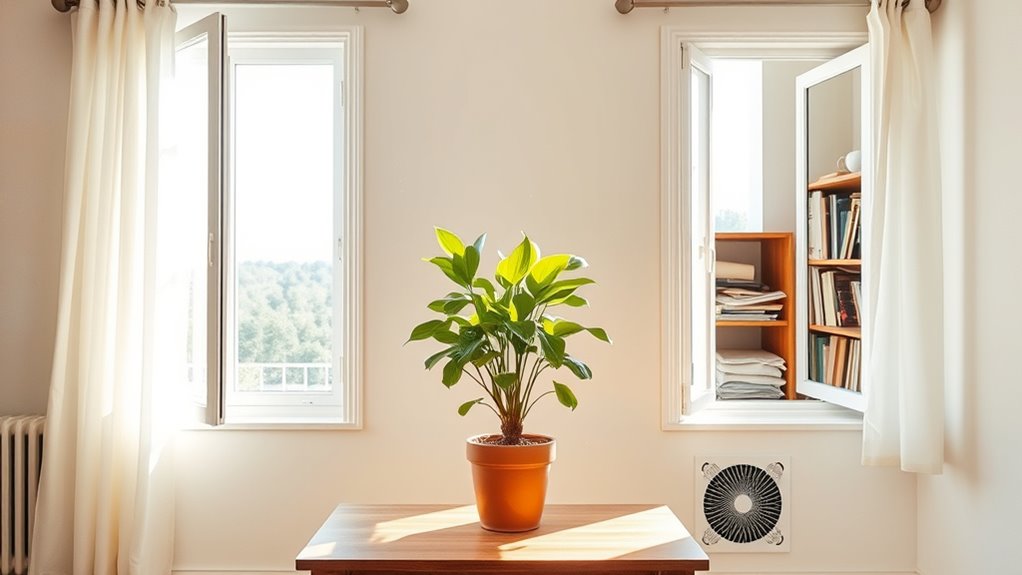
When optimizing cross-ventilation, you might make some common mistakes that can hinder airflow. Ignoring wind directions, closing interior doors, and overlooking window placement are easy traps to fall into. Let’s explore these pitfalls so you can maximize your home’s ventilation effectively. Recognizing these mistakes can lead to profound personal insights that enhance your living environment.
Ignoring Wind Directions
Have you ever considered how ignoring wind directions can undermine your cross-ventilation efforts? Understanding wind direction is vital for airflow optimization. If you fail to harness the natural breezes, you’ll likely end up with stale air, which can lead to discomfort and health issues.
| Mistake | Impact | Solution |
|---|---|---|
| Ignoring wind direction | Stale, stuffy indoor air | Open windows strategically |
| Blocking airflow | Poor ventilation | Clear obstacles |
| Wrong window placement | Ineffective air movement | Align with wind patterns |
| Neglecting weather | Unpredictable conditions | Monitor forecasts |
Closing Interior Doors
Closing interior doors can substantially hinder your cross-ventilation efforts. When you shut doors, you’re blocking airflow between rooms, which can trap stale air and reduce overall air quality. Think about door placement and how it affects room connectivity. If doors are closed, air can’t move freely from one space to another, making it difficult for fresh air to circulate. To maximize ventilation, keep interior doors open, especially in rooms adjacent to windows. This simple change can significantly improve airflow throughout your home. Remember, effective cross-ventilation relies on the connection between spaces—so don’t underestimate the impact of closed doors on your fresh air strategy!
Overlooking Window Placement
Effective cross-ventilation hinges on strategic window placement, yet many overlook this essential element. You might think any open window will do, but ideal airflow zones are critical for enhancing air circulation. When positioning windows, consider their height and size; they should align to create a direct pathway for air movement. Placing windows directly across from one another allows fresh air to enter while stale air exits efficiently. Avoid clustering windows in one area, as this limits airflow and can create stagnant pockets. Instead, think about how different rooms connect and how you can maximize airflow by placing windows thoughtfully. Taking these considerations into account will help you achieve a fresher, more invigorating indoor atmosphere.
Other Methods to Improve Indoor Air Quality
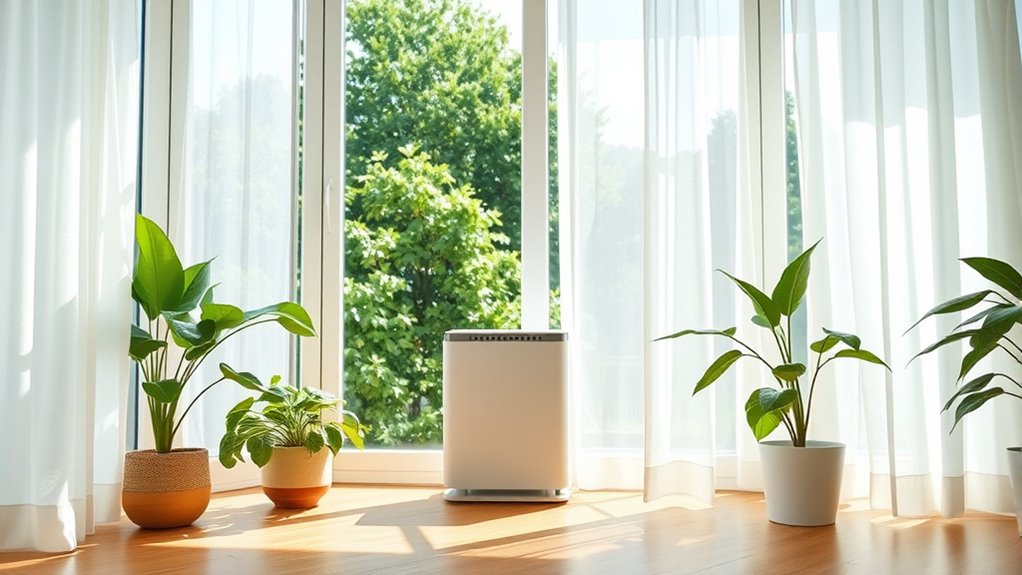
While cross-ventilation plays a vital role in enhancing indoor air quality, there are several other methods you can adopt to further improve your living environment. Here are some effective strategies:
- Invest in an Air Purifier: They filter out dust, allergens, and pollutants, providing cleaner air.
- Add Indoor Plants: Certain plants can naturally purify the air, absorbing toxins and releasing oxygen.
- Regularly Clean and Dust: Keeping surfaces clean reduces allergens and improves overall air quality.
- Maintain Proper Humidity Levels: Use dehumidifiers or humidifiers to keep humidity between 30-50%, preventing mold growth.
Frequently Asked Questions
How Does Cross-Ventilation Differ From Traditional Ventilation Methods?
Cross-ventilation differs from traditional ventilation methods by utilizing natural airflow to enhance indoor air quality. While traditional systems often rely on mechanical fans and HVAC units, cross-ventilation leverages strategic ventilation design to promote the movement of fresh air through openings like windows and doors. This method not only reduces energy consumption but also creates a more comfortable environment by allowing cooler, fresh air to circulate, effectively clearing out stale air without the need for additional equipment.
Can Cross-Ventilation Reduce Indoor Humidity Levels?
Yes, cross-ventilation can effectively reduce indoor humidity levels. By strategically opening windows and doors, you create a flow of fresh air, which enhances indoor air quality. This method outperforms traditional ventilation strategies by quickly expelling moist air and replacing it with drier outside air. So, when you harness the power of cross-ventilation, you’re not just clearing stale air; you’re also combating excess humidity, making your indoor environment more comfortable.
Is Cross-Ventilation Effective in All Climates?
Cross-ventilation isn’t effective in all climates. Its ventilation efficiency depends on temperature and humidity levels. In dry, breezy conditions, it works wonders, but in humid or stagnant climates, you might struggle to achieve the desired airflow. You’ll need to adapt your approach based on local climate conditions to guarantee ideal air circulation. Consider using additional methods to boost indoor air quality when cross-ventilation isn’t sufficient for your specific environment.
What Time of Day Is Best for Cross-Ventilation?
The best time of day for cross-ventilation is typically early morning or late evening. During these hours, outdoor conditions are often cooler and more invigorating, allowing for ideal air exchange. Did you know that homes can cool down by up to 5 degrees Fahrenheit just by opening windows at the right times? By taking advantage of this natural airflow, you can effectively clear out stale air and create a more comfortable living environment.
Can Plants Assist in Cross-Ventilation Effectiveness?
Yes, plants can enhance cross-ventilation effectiveness. By strategically placing them near windows or in corners, you encourage air circulation around your space. Their leaves can help capture and redirect airflow, creating a more dynamic environment. Additionally, as plants transpire, they release moisture into the air, which can help cool the area and promote better air quality. So, consider your plant placement to maximize airflow and improve your indoor atmosphere.
Conclusion
Incorporating cross-ventilation into your home is like giving your space a gasp of fresh air. By understanding its benefits and setting it up effectively, you can transform stale indoor air into a invigorating breeze. Remember, maximizing airflow and avoiding common pitfalls will make all the difference. With these simple adjustments, you’ll not only enhance your comfort but also improve your overall indoor air quality. So, open those windows and let nature work its magic!