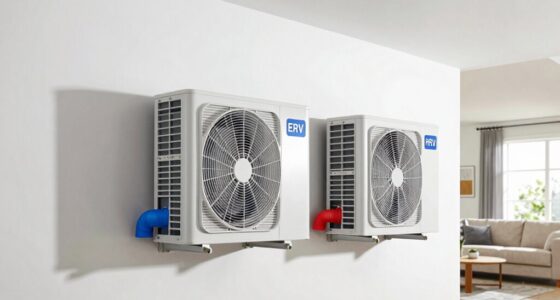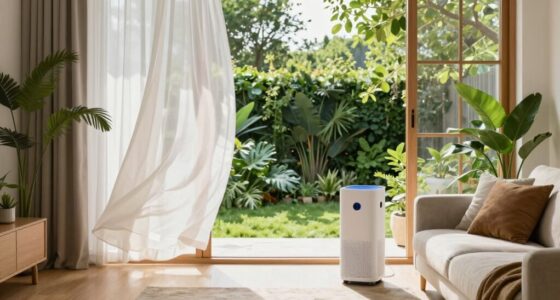
The smartest way to think about window fans for ventilation is to focus on models that balance energy efficiency, quiet operation, and air quality features. Look for fans with adjustable speeds, filters, and multi-directional airflow to customize comfort while saving power. Durability matters, especially if you want year-round use. Combining these elements makes your ventilation more effective and cost-efficient. If you keep exploring, you’ll discover how to choose the best options for your space.

Get health and wellness essentials delivered free — and shop member deals
- Fast, free delivery on millions of items
- Access to Prime Big Deal Days deals on October 6–7
- Prime Video, Amazon Music and more included
Key Takeaways
- Prioritize energy-efficient models with adjustable speeds to optimize airflow and reduce power consumption.
- Consider noise levels to ensure quiet operation suitable for your environment.
- Choose fans with enhanced air filtration and directional controls for better indoor air quality.
- Select durable, weather-resistant designs for long-term outdoor use and easy installation.
- Balance performance features with cost efficiency to maximize overall ventilation and comfort.

When considering window fans for ventilation, it’s essential to think beyond basic cooling and focus on how they can improve indoor air quality and energy efficiency. You want a fan that doesn’t just circulate air but also helps you create a healthier environment while minimizing energy consumption. You want a fan that doesn’t just circulate air but also helps you create a healthier environment while minimizing energy consumption. The key is to choose models with high energy efficiency, which means they consume less power while providing effective airflow. Look for fans with adjustable speed settings so you can control airflow based on your needs, reducing unnecessary energy use. This way, you save on electricity bills without sacrificing comfort.
Noise levels are another critical factor. A loud fan can disrupt your peace, whether you’re working, relaxing, or sleeping. Opt for models specifically designed with quiet operation in mind. Modern window fans often feature noise-reducing technology or sound-dampening components that keep operational sounds minimal. When shopping, check for decibel ratings — the lower, the better. You want a fan that moves air effectively but remains unobtrusive. Quiet fans help you maintain a calm atmosphere, especially if you plan to run them during nighttime or for extended periods.
Choose quiet window fans with noise-reducing features for peaceful, unobtrusive airflow day and night.
Beyond energy efficiency and noise levels, think about how the fan’s design impacts air quality. Some models include features like multi-directional airflow or adjustable louvers, which allow you to direct fresh air precisely where you need it. This enhances ventilation, helping remove indoor pollutants, odors, and excess humidity more effectively. Additionally, consider fans with built-in screens or filters that prevent dust, pollen, and insects from entering your living space. This way, you’re not only ventilating but also improving overall indoor air quality. Incorporating air filtration features can significantly contribute to a healthier indoor environment. Proper ventilation practices are also crucial in maintaining indoor air quality and ensuring your fan’s effectiveness. Furthermore, choosing a fan with energy-efficient motors can greatly reduce your overall power consumption and environmental impact.
Installation ease and durability also matter. A well-designed window fan should be simple to install without requiring complex tools or modifications. Durable materials ensure the fan withstands weather conditions, especially if you plan to leave it in place year-round. Some models come with customizable features like automatic shut-off or smart controls, which can further optimize energy use and convenience. Understanding relevant laws and regulations can help you make informed decisions about outdoor appliances, including window fans, especially if you plan to install them in shared or regulated spaces.
Ultimately, the smartest way to think about window fans for ventilation is to prioritize those that balance energy efficiency, noise levels, air quality features, and ease of use. Instead of just cooling a room, choose a fan that actively contributes to a healthier, more comfortable living environment while saving you money on energy costs. This approach ensures you get the most value and performance from your window fan, making your space more pleasant and efficient.
energy-efficient window fans with adjustable speeds
As an affiliate, we earn on qualifying purchases.
As an affiliate, we earn on qualifying purchases.
Frequently Asked Questions
Are Window Fans Energy-Efficient Compared to Air Conditioning Units?
Window fans are generally more energy-efficient than air conditioning units, helping you save on energy costs. They require less electricity, leading to significant energy savings and a reduced environmental impact. By using window fans, you can improve ventilation without overloading your power bill or harming the environment. They’re a smart choice when you want effective airflow with minimal energy consumption, making them ideal for eco-conscious and budget-minded homeowners.
Can Window Fans Be Used During Rainy or Snowy Weather?
Yes, you can use window fans during rainy or snowy weather, but you need rain protection and snow resistance features. Make certain your window fan has a built-in cover or is installed under a sheltered area to prevent water from entering. Snow resistance is also important; choose a fan designed to withstand cold temperatures and snow buildup. Proper protection ensures your fan operates safely and efficiently in adverse weather conditions.
How Secure Are Window Fans Against Break-Ins?
Think of your window fan as a friendly guard—its security depends on how you install and secure it. While some models have locks or vent covers, basic fans might pose burglary prevention concerns if left unsecured. To boost security concerns, consider adding locks or bars. Proper installation minimizes vulnerabilities, making your window fan a safe, effective ventilation tool without compromising your home’s safety.
Do Window Fans Help With Indoor Air Pollution?
Yes, window fans can help improve indoor air quality by increasing ventilation effectiveness. By pulling in fresh air from outside and pushing out stale indoor air, they reduce pollutants and humidity levels. This continuous airflow helps clear airborne particles, allergens, and odors, making your living space healthier. To maximize their benefits, use them in combination with other air purification methods and guarantee proper sealing around the fan to prevent outdoor pollutants from entering.
What Maintenance Is Required for Optimal Performance?
To keep your window fan working effectively, regularly replace the filters to guarantee clean airflow and prevent dust buildup. Also, check the motor and lubricate it if needed, following the manufacturer’s instructions. Keep the blades clean by wiping them down to maintain efficiency. Periodic maintenance like this helps your fan run smoothly, extends its lifespan, and assures you get the best ventilation and air quality from your unit.
quiet window fans with noise reduction technology
As an affiliate, we earn on qualifying purchases.
As an affiliate, we earn on qualifying purchases.
Conclusion
Now that you understand the benefits of window fans, it’s clear they’re a smart choice for ventilation. Did you know that proper airflow can reduce indoor pollutants by up to 60%? By choosing the right window fan and using it effectively, you’ll improve your home’s air quality and save on energy costs. So, go ahead—maximize fresh air circulation and enjoy a healthier, more comfortable living space every day.
window fans with air filtration and multi-directional airflow
As an affiliate, we earn on qualifying purchases.
As an affiliate, we earn on qualifying purchases.
weather-resistant window fans for outdoor use
As an affiliate, we earn on qualifying purchases.
As an affiliate, we earn on qualifying purchases.
Fall Picks
fall essentials
As an affiliate, we earn on qualifying purchases.