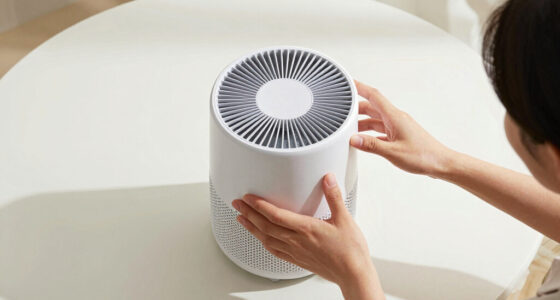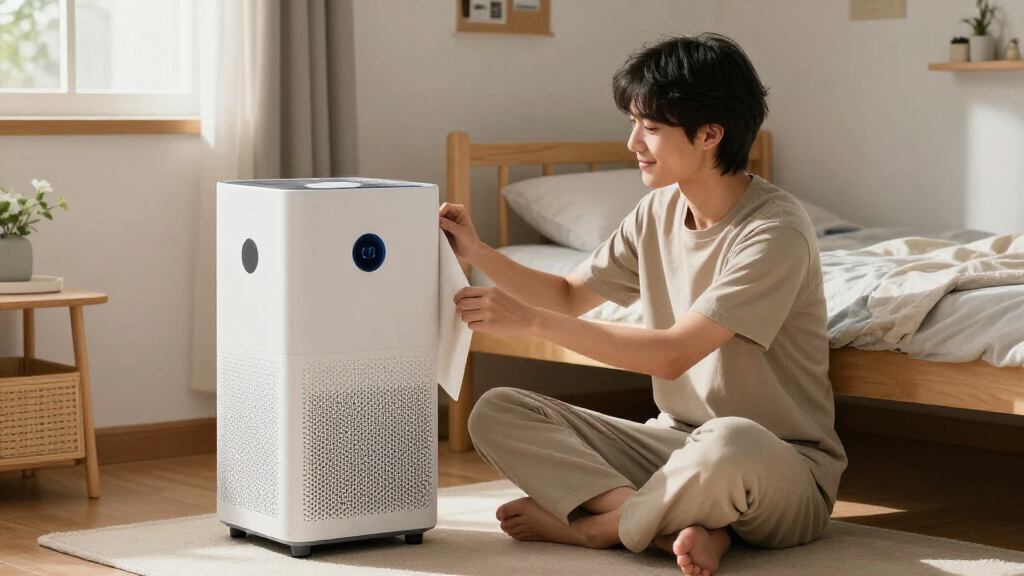

Finding the right air purifier for a dorm room comes down to three things: compact size, quiet operation at night, and filter costs that fit a student budget. After comparing 13 popular models, the Levoit Core 300 stands out as the best overall pick for its proven H13 True HEPA filtration, genuinely quiet sleep performance, and affordable replacement filters. The DREO DR-HAP008 is the smarter choice if you want auto mode and a PM2.5 sensor that adjusts fan speed for you, while the GoveeLife Smart Mini wins on footprint and app control for tech-savvy students in tight spaces. The main tradeoff in this category is between small, cheap units that struggle with odor and coverage versus larger models that clean faster but hog outlet space and desk real estate. Keep reading for the full breakdown, including which models to skip and why.

Get health and wellness essentials delivered free with Prime
- Fast, free delivery on millions of items
- Prime Video, Amazon Music and more included
- Member-only deals all year
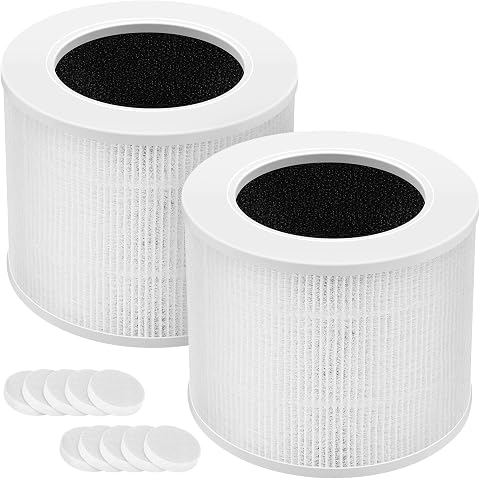
Complete the kit


Key Takeaways
- The Levoit Core 300 earned the top spot because it balances proven H13 HEPA filtration with replacement filters that cost roughly half of what premium-brand refills run — the single biggest long-term cost for a student.
- Only three models in this lineup (the DREO, Blueair Mini Max Auto, and GoveeLife) offer air quality sensors or auto mode, which matters if you share a room and can’t babysit fan speeds all day.
- Several budget models under $50, including the FULMINARE and the generic ‘Dorm Room’ unit, use proprietary filters that are hard to find — a hidden cost that can make a cheap purifier worthless after six months.
- Coverage ratings proved wildly misleading: the FreAire claims 1,086 sq ft, but dorm rooms are 100–200 sq ft, so paying extra for max coverage wastes money better spent on filtration quality.
- Sleep mode noise separated the top tier from the rest — the AROEVE MK01A and Levoit models run near-silent, while turbo modes on the Purivortex and DREO are loud enough to disturb studying or sleep.
| Levoit Core 300 Air Purifier for Home Allergies and Pets, H13 True HEPA Filter, Quiet Operation, White |  | Best Overall | Coverage: 222 sq ft (4.8 air changes/hour); 1,073 sq ft once per hour | CADR: 143 CFM smoke / 153 CFM dust / 167 CFM pollen | Filtration: H13 True HEPA, 99.97% of 0.1-0.3μm particles | VIEW LATEST PRICE | See Our Full Breakdown |
| YADU Air Purifier for Bedroom, Home, and Small Rooms |  | Best Budget Pick | Size: 7.5 x 7.5 inches | Coverage: 110 sq ft | CADR: 90 CFM dust / 62 CFM smoke | VIEW LATEST PRICE | See Our Full Breakdown |
| DREO Air Purifier for Home, HEPA Sleep Mode, AHAM Verified, PM2.5 Monitor, Auto & Turbo Modes, 4 Speeds, Scent Diffuser, Model DR-HAP008 |  | Best Smart Features | AHAM Verified: Yes | CADR: 115 CFM | Coverage: Up to 856 sq ft (178 sq ft at 4.8 ACH) | VIEW LATEST PRICE | See Our Full Breakdown |
| Levoit Air Purifier for Bedroom, Home, Pets, Dorm Room |  | Best Ultra-Quiet Compact | Power Adapter: 100-240V, 50/60Hz | Rated Power: 7W | Noise Level: 27-45 dB | VIEW LATEST PRICE | See Our Full Breakdown |
| AromaRoom Air Purifier with True HEPA13 Filters, 3-in-1 for Bedroom |  | Best for Ambience | Coverage Area: 430 sq ft (2 air changes/hour) | Filtration: True HEPA13, 3-stage system (99.97% at 0.3 microns) | Noise Level: 22 dB in sleep mode | VIEW LATEST PRICE | See Our Full Breakdown |
| GoveeLife Smart Mini Air Purifier for Bedroom with App & Alexa Control |  | Best Smart Pick | Connectivity: Wi-Fi (2.4GHz only), app & Alexa control | Coverage: 376 sqft | Noise Level: 24dB in sleep mode | VIEW LATEST PRICE | See Our Full Breakdown |
| Blueair Mini Max Auto Air Purifier for Small Rooms up to 510 Sq Ft |  | Best Filtration Quality | Coverage Area: up to 510 sq ft | ACH: 4.8 | Filtration Technology: HEPASilent, 99.97% down to 0.1 microns | VIEW LATEST PRICE | See Our Full Breakdown |
| FreAire Air Purifier for Bedroom Up to 1086 ft², KN6391RGB, Black |  | Best for Loft or Suite-Style Dorms | Coverage Area: 1086 sqft | Filtration System: 3-level high-efficiency | Noise Level: as low as 20 dB in sleep mode | VIEW LATEST PRICE | See Our Full Breakdown |
| Air Purifier for Home and Bedroom with 3-in-1 Filter, Sleep Mode, Aroma Function, and Adjustable Light and Timer |  | Best Feature Flexibility for the Price | Coverage Area: 1032 sqft | Filter Type: 3-in-1 filter | Light Modes: 3 (white/blue/green) | VIEW LATEST PRICE | See Our Full Breakdown |
| Air Purifiers for Bedroom, FULMINARE H13 True HEPA Filter |  | Best Budget Nightstand Pick | Filter Type: H13 True HEPA | Coverage Area: 215 ft² / 20 m² | Noise Level: 24dB | VIEW LATEST PRICE | See Our Full Breakdown |
| AROEVE Air Purifier for Bedroom with Sleep Mode and Speed Control – MK01A |  | Best Quiet Budget Pick | Coverage Area: 287 sq ft / 25 m² | Operation Noise: 22 dB in sleep mode | Voltage: 120V (US only) | VIEW LATEST PRICE | See Our Full Breakdown |
| Purivortex Air Purifier for Bedroom, Covers Up to 880 Sq Ft, PX500 Black |  | Best for Suites and Shared Spaces | Coverage Area: 880 sq ft | Filter Type: HEPA, activated carbon, pre-filter | Filter Size: 6 inches | VIEW LATEST PRICE | See Our Full Breakdown |
| Air Purifiers for Bedroom, Dorm Room, True HEPA Filter for Smoke, White |  | Best Compact All-Rounder | Filtration: True HEPA 3-stage, 99.97% | Coverage Area: 270 sq ft | Noise Level: 24 dB in sleep mode | VIEW LATEST PRICE | See Our Full Breakdown |
| air purifiers for dorm room | Noise Level | Coverage Area |
|---|---|---|
| Levoit Core 300 Air Purifier f | 24 dB in Sleep Mode | — |
| YADU Air Purifier for Bedroom | As low as 22 dB in Sleep Mode | — |
| DREO Air Purifier for Home | HyperSilent technology | — |
| Levoit Air Purifier for Bedroo | 27-45 dB | — |
| AromaRoom Air Purifier with Tr | 22 dB in sleep mode | 430 sq ft (2 air changes/hour) |
| GoveeLife Smart Mini Air Purif | 24dB in sleep mode | — |
| Blueair Mini Max Auto Air Puri | as low as 19 dB | up to 510 sq ft |
| FreAire Air Purifier for Bedro | as low as 20 dB in sleep mode | 1086 sqft |
| Air Purifier for Home and Bedr | — | 1032 sqft |
| Air Purifiers for Bedroom | 24dB | 215 ft² / 20 m² |
| AROEVE Air Purifier for Bedroo | — | 287 sq ft / 25 m² |
| Purivortex Air Purifier for Be | — | 880 sq ft |
| Air Purifiers for Bedroom | 24 dB in sleep mode | 270 sq ft |
More Details on Our Top Picks
Levoit Core 300 Air Purifier for Home Allergies and Pets, H13 True HEPA Filter, Quiet Operation, White
The Core 300 earns the top spot because it solves the core dorm-room problem — a shared, closed-in space with dust, food smells, and whoever’s vape smoke drifts over from next door — without overpaying for features a student will never touch. Its 141+ CFM CADR is nearly double what the YADU offers, which means it can actually handle a 222 sq ft room at 4.8 air changes per hour instead of just keeping a corner fresh. The 24dB sleep mode with lights-off display matters more in a dorm than anywhere else, since your bed is three feet from the unit.
The tradeoff is filter economics: official Levoit replacements cost noticeably more than off-brand equivalents, and the unit locks you into that ecosystem to keep performance intact. Compared to the DREO below, you give up the PM2.5 sensor and auto mode but get a simpler, cheaper machine that does the fundamentals better.
Pros:- CADR roughly double budget mini purifiers, refreshing a dorm-size room nearly 5 times per hour
- 24dB sleep mode with fully dimmable display for light-sensitive sleepers
- 99.97% filtration of particles down to 0.1-0.3 microns covers smoke, dander, and pollen
- Timer and filter indicator remove guesswork from daily use
Cons:- Locked into official Levoit replacement filters to maintain performance
- 120V only, unusable internationally without conversion
- No air quality sensor or auto mode at this price point
Best for: Students who want set-and-forget allergy and odor control in a typical dorm room without paying for smart features
Not ideal for: International students or anyone outside US voltage — it’s 120V only and won’t run abroad without a converter
- Coverage:222 sq ft (4.8 air changes/hour); 1,073 sq ft once per hour
- CADR:143 CFM smoke / 153 CFM dust / 167 CFM pollen
- Filtration:H13 True HEPA, 99.97% of 0.1-0.3μm particles
- Noise Level:24 dB in Sleep Mode
- Power:56W, 120V
Our verdict“If you buy one purifier for four years of dorm living, this is the safest bet on raw cleaning power per dollar.”
YADU Air Purifier for Bedroom, Home, and Small Rooms
Not every student can justify spending real money on air quality, and that’s exactly the gap this fills. At roughly half the output of the Levoit Core 300 (62 CFM smoke vs 143), the YADU is honest about being a small-space machine — it refreshes 110 sq ft, which describes a cramped double or a lofted-bed nook, not a suite common room. What you get for the money is a legitimate 3-stage H13 HEPA system rather than the glorified fans that dominate the ultra-budget tier, plus a 22dB sleep mode that’s actually quieter than the Levoit’s.
The compromises are real: expect slower odor clearing after a burnt-microwave incident, and the ~6-month filter cycle adds recurring cost that narrows the long-term savings gap versus the Core 300. It also lacks any air quality feedback, unlike the DREO with its PM2.5 display. Still, for a first-year who mostly needs quieter air and less dust on the desk, this makes financial sense.
Pros:- Genuine H13 HEPA 3-stage filtration at a budget price
- 22dB sleep mode, quieter than pricier picks
- Compact 7.5-inch footprint fits on a desk or shelf
- Top-access filter replacement takes under a minute
Cons:- 110 sq ft coverage is the smallest in this lineup
- No air quality sensor, timer, or smart features
- 6-month filter replacements add up over time
Best for: Budget-conscious students in small single rooms who want true HEPA filtration without the premium price
Not ideal for: Anyone sharing a larger room or dealing with persistent smoke and cooking odors — the low CADR will fall behind
- Size:7.5 x 7.5 inches
- Coverage:110 sq ft
- CADR:90 CFM dust / 62 CFM smoke
- Filtration:Pre-filter, H13 True HEPA, carbon filter
- Noise Level:As low as 22 dB in Sleep Mode
- Filter Life:Approximately 6 months
- Energy Efficiency:5.09 CFM/W
Our verdict“The cheapest credible HEPA option here — right for small rooms and thin wallets, underpowered for anything else.”
DREO Air Purifier for Home, HEPA Sleep Mode, AHAM Verified, PM2.5 Monitor, Auto & Turbo Modes, 4 Speeds, Scent Diffuser, Model DR-HAP008
Where the Levoit Core 300 asks you to guess when the air is bad, the DREO shows you — its real-time PM2.5 monitor with an easy-to-read display takes the mystery out of air quality, and Auto mode ramps fan speed up when a roommate’s body spray cloud hits and back down when things settle. The AHAM verification backs up the 115 CFM rating with third-party testing, which the cheaper AromaRoom and YADU can’t claim. Turbo mode is the dorm-party recovery button: crank it, clear the room, return to silence.
The downsides are mostly about restraint. The built-in scent diffuser is a divisive addition — anyone sensitive to fragrances, or sharing space with someone who is, may find it a liability rather than a perk. Coverage up to 856 sq ft is a once-per-hour figure; realistic multi-air-change coverage lands around 178 sq ft, similar to the Core 300 in practice. You’re paying a premium for the sensor and automation, not raw cleaning power.
Pros:- Real-time PM2.5 monitoring with clear visual feedback
- Auto mode adjusts fan speed without manual input
- AHAM-verified CADR with independent testing
- Energy Star certified with child lock and 12-hour timer
Cons:- Premium price mostly buys the sensor, not more cleaning power
- Scent diffuser is unnecessary for users with scent sensitivities
- Locked into DREO original filters for replacements
Best for: Students who want visible air quality data and automatic fan adjustments instead of guessing at settings
Not ideal for: Fragrance-sensitive users or roommates — the diffuser feature invites essential-oil use that not everyone tolerates
- AHAM Verified:Yes
- CADR:115 CFM
- Coverage:Up to 856 sq ft (178 sq ft at 4.8 ACH)
- Sensor:Real-time PM2.5 monitor
- Modes:Auto, Turbo, Sleep, Normal (4 speeds)
- Noise Level:HyperSilent technology
- Energy Star Certified:Yes
- Additional Features:Scent diffuser, child lock, 12-hour timer
Our verdict“The pick for data-driven students who want to see and automate their air quality rather than set a fan speed and hope.”
Levoit Air Purifier for Bedroom, Home, Pets, Dorm Room
At 7 watts of power, this Levoit sips electricity — a genuine plus when outlets are scarce and you’re splitting the utility bill or running off a power strip. It’s explicitly marketed for dorm rooms, and the AHAM verification gives it a credibility edge over similarly priced compact units like the YADU, which carries no such certification. Noise tops out at 45dB on high but settles to 27dB in sleep mode, quiet enough for light sleepers in a room where the bed and the purifier share the same air.
The catch is raw throughput: it simply moves less air than the Core 300, so odor and allergen clearing in a shared double will take longer, and the 100-240V adapter is a thoughtful touch for international students that the Core 300 lacks. The aromatherapy pad is a nice touch, though spilling essential oil into the unit is an easy mistake that can cause problems. If your priority is silence and low power draw over speed, this outranks its bigger sibling.
Pros:- 7W power draw costs almost nothing to run continuously
- 100-240V adapter works internationally without a converter
- AHAM-verified performance despite the compact size
- Sleep mode and aromatherapy pad add dorm-friendly comfort
Cons:- Lower air throughput than the Core 300 means slower cleaning
- Essential oil handling risks overflow damage
- Best suited to small rooms only
Best for: Light sleepers and international students who value quiet, low-power operation in a small room
Not ideal for: Anyone fighting heavy odors or allergens in a shared larger space — the low power means slow clearing
- Power Adapter:100-240V, 50/60Hz
- Rated Power:7W
- Noise Level:27-45 dB
- Dimensions:6.5 × 6.5 × 10.4 in
- Verification:AHAM verified
- Features:Sleep mode, aromatherapy option
Our verdict“A quiet, travel-friendly companion for small rooms where silence and low power matter more than speed.”
AromaRoom Air Purifier with True HEPA13 Filters, 3-in-1 for Bedroom
The AromaRoom leans into dorm-room coziness harder than anything else in this lineup: an RGB ambient light, an aroma pad for essential oils, and a 22dB sleep mode make it as much a mood-setter as an air cleaner. The 360-degree air intake with a brushless motor is smart engineering for the price — it pulls air from every side rather than one face, which helps it genuinely cover up to 430 sq ft at two changes per hour, well beyond what the YADU manages in its 110 sq ft niche.
Be realistic about what that coverage number means: two air changes per hour is half the refresh rate the Levoit Core 300 delivers in its rated space, so allergy sufferers will notice the difference during peak pollen weeks. Filters also need replacing every 3-6 months, the shortest cycle here, and oils come separately. Compared to the DREO, you lose the PM2.5 sensor entirely — this is a vibe-first machine that cleans competently but informs you not at all.
Pros:- 360-degree intake genuinely improves air circulation versus single-face designs
- 22dB sleep mode among the quietest in this roundup
- RGB lighting and aroma pad add atmosphere without extra devices
- HEPA13 3-stage filtration captures 99.97% of particles down to 0.3 microns
Cons:- Two air changes per hour lags the Core 300’s 4.8 in comparable spaces
- Shortest filter life in the lineup at 3-6 months
- No air quality sensor or auto mode
Best for: Students who want a purifier that doubles as mood lighting and subtle scent for a comfortable room
Not ideal for: Serious allergy sufferers who need high air-change rates and objective air quality feedback
- Coverage Area:430 sq ft (2 air changes/hour)
- Filtration:True HEPA13, 3-stage system (99.97% at 0.3 microns)
- Noise Level:22 dB in sleep mode
- Motor:Brushless with 360-degree air intake
- Additional Features:RGB ambient light, aroma pad for essential oils
Our verdict“Pick this if your dorm room doubles as your sanctuary and you value ambience alongside clean air.”
GoveeLife Smart Mini Air Purifier for Bedroom with App & Alexa Control
This is the only model in this batch that lets you control everything from your phone or with Alexa, which matters more in a dorm than most people expect — reaching behind a desk to tap buttons on a purifier buried under laundry is nobody’s idea of convenience. The auto mode adjusts fan speed based on air quality, though you’ll need to buy a separate Govee monitor for it to respond to real conditions, which undercuts the smart pitch somewhat. Compared with the Blueair Mini Max Auto, which has a built-in PM2.5 sensor, this model makes you assemble that intelligence yourself. Coverage of 376 sqft comfortably handles a dorm room, and the 24dB sleep mode is quiet enough for light sleepers. Just know it only connects to 2.4GHz Wi-Fi, which trips up campus networks that default to 5GHz.
Pros:- App and Alexa control let you adjust settings without leaving your lofted bed
- 24dB sleep mode is genuinely quiet enough for shared rooms
- Aromatherapy pad is a nice dorm-room perk that most budget purifiers skip
- Compact footprint fits crowded desks and nightstands
Cons:- 2.4GHz-only Wi-Fi rules out some campus and apartment networks
- Auto mode requires a separately purchased air quality monitor
- Mini size limits airflow compared with the FreAire or larger options
Best for: Tech-savvy students who want app schedules and voice control from bed, especially anyone already running Alexa or Govee devices
Not ideal for: Anyone on a 5GHz-only network or expecting true auto mode out of the box — the air quality sensor is a separate purchase
- Connectivity:Wi-Fi (2.4GHz only), app & Alexa control
- Coverage:376 sqft
- Noise Level:24dB in sleep mode
- Aromatherapy:Yes, with fragrance pad
- Smart Features:Auto mode, app scheduling
- Certifications:Energy Star, ETL, FCC, CA65
Our verdict“Buy this if smart control is your priority; skip it if your dorm’s Wi-Fi is 5GHz-only or you want built-in air quality sensing.”
Blueair Mini Max Auto Air Purifier for Small Rooms up to 510 Sq Ft
Blueair is the brand here with a real filtration pedigree, and the Mini Max Auto backs it up: 99.97% particle removal down to 0.1 microns with a genuine PM2.5 sensor driving automatic fan adjustments. That’s the key difference from the GoveeLife smart mini, whose auto mode needs an add-on sensor, and from the generic 3-in-1 filter models like the FULMINARE. The 19dB low setting is the quietest in this batch, making it the safest pick for a roommate who sleeps lightly. The washable fabric pre-filter also stretches filter life in a way the disposable-only competitors don’t. The honest tradeoff is price — it costs noticeably more than the budget options, and replacement filters are an ongoing expense. For a dorm, its 510 sqft rating is generous headroom, though it’s overkill if you just need basic dust control.
Pros:- HEPASilent technology captures 99.97% of particles down to 0.1 microns
- Built-in PM2.5 sensor with auto mode — no add-on hardware needed
- 19dB operation is the quietest in this lineup
- Washable pre-filter extends the life of the main filter
Cons:- Noticeably pricier than the budget models in this roundup
- Ongoing replacement filter costs add up over four years of school
- No smart home integration despite the premium price
Best for: Allergy sufferers and anyone sensitive to smoke or pollen who needs proven HEPASilent filtration and true sensor-driven automation
Not ideal for: Budget-limited students who only need occasional dust control — the Levoit Core 300 or AROEVE MK01A handle that for far less money
- Coverage Area:up to 510 sq ft
- ACH:4.8
- Filtration Technology:HEPASilent, 99.97% down to 0.1 microns
- Noise Level:as low as 19 dB
- Sensor:Built-in PM2.5 particle sensor
- Controls:One-touch, 3 fan speeds, Night Mode
- Pre-filter:Washable fabric
- Design:Compact cylindrical, 360° air intake
Our verdict“If air quality genuinely affects your health — allergies, asthma, wildfire smoke — this is the one worth paying extra for.”
FreAire Air Purifier for Bedroom Up to 1086 ft², KN6391RGB, Black
At 1086 sqft of rated coverage, the FreAire massively out-rates everything else in this batch — the next closest, the Purivortex PX500, tops out at 880. For students in a suite, loft, or an open apartment-style dorm where a small purifier would just spin its wheels, that airflow is the whole argument. The 3-level filtration handles smoke, pollen, and dander, and the 20dB sleep mode keeps it livable at night. It also leans into atmosphere: ambient lighting in three colors plus an aromatherapy tray, which positions it against feature-light options like the Blueair Mini Max Auto — you get mood and scent where Blueair gives you sensor precision. The tradeoffs are real, though: essential oils aren’t included, and the listing is vague about filter replacement schedules and costs, so budgeting long-term maintenance is guesswork compared with Blueair’s RealTrack indicator.
Pros:- Highest coverage rating in this batch at 1086 sqft
- 20dB sleep mode despite the larger airflow
- Ambient lighting doubles as a dorm-friendly mood light
- Aromatherapy support adds comfort without a separate diffuser
Cons:- Essential oils sold separately
- No clear filter replacement schedule or cost information
- Overkill size and power draw for a typical 12×15 dorm room
Best for: Students in suite-style or apartment dorms where a compact purifier can’t circulate air across the whole space
Not ideal for: Standard single dorm rooms — it’s more capacity than you need, and a smaller, cheaper model like the FULMINARE does the same job
- Coverage Area:1086 sqft
- Filtration System:3-level high-efficiency
- Noise Level:as low as 20 dB in sleep mode
- Lighting:Ambient light, 3 colors
- Aromatherapy:Supports essential oils (not included)
- Color:Black
Our verdict“The right choice only if your space is genuinely large; otherwise a smaller purifier saves money and desk space.”
Air Purifier for Home and Bedroom with 3-in-1 Filter, Sleep Mode, Aroma Function, and Adjustable Light and Timer
This unbranded model is the feature-count champion of the budget tier: a 3-in-1 filter, aroma pad, three light colors, 2/4/8-hour timers, a child lock, and a filter replacement reminder — a broader toolkit than the similarly priced FULMINARE, which lacks the child lock and reminder, and leagues beyond the GoveeLife if you don’t care about app control. The 1032 sqft rating means airflow is never the problem in a dorm. Where it falls short of the Blueair Mini Max Auto is filtration credibility — there’s no HEPA grade stated and no air quality sensor, so you’re trusting marketing claims rather than certified performance. The timers and sleep mode make it genuinely practical for a student schedule: set an 8-hour timer at lights-out and forget it. Just budget for filter swaps every 3-6 months, and expect a small control panel that takes some squinting.
Pros:- 2/4/8-hour timers pair well with class schedules and sleep routines
- Filter replacement reminder prevents the forgotten-filter problem
- Child lock stops accidental setting changes in shared spaces
- Compact enough to move between dorm, office, and home
Cons:- No stated HEPA grade makes filtration claims hard to verify
- Filters need replacing every 3-6 months, adding hidden cost
- Small control panel can be fiddly to use
Best for: Students who want timers, lighting, and aromatherapy in one affordable package and don’t need brand-name filtration specs
Not ideal for: Allergy or asthma sufferers who need verified HEPA-grade filtration — the Blueair or FULMINARE’s H13 rating is the safer bet
- Coverage Area:1032 sqft
- Filter Type:3-in-1 filter
- Light Modes:3 (white/blue/green)
- Timer Settings:2H / 4H / 8H
- Child Lock:Yes
- Filter Replacement Reminder:Yes
- Aroma Function:Yes
Our verdict“A sensible budget buy for feature-driven shoppers, as long as certified filtration performance isn’t your top priority.”
Air Purifiers for Bedroom, FULMINARE H13 True HEPA Filter
The FULMINARE does one thing well at a low price: certified H13 True HEPA filtration in a small, quiet package. That filter grade is the same spec Levoit uses in the popular Core 300, but this model adds a built-in night light and longer timer options (up to 12 hours versus the typical 8), which makes it more dorm-ready than many competitors. The 24dB rating matches the GoveeLife smart mini but without any app dependence — no Wi-Fi requirements, no pairing frustrations on locked-down campus networks. The catch is scale: 215 sqft of coverage is the smallest in this roundup, fine for the air around your bed but not for clearing a whole room the way the FreAire or even the generic 1032 sqft model can. Filters also need swapping roughly every three months, so the cheap sticker price comes with a faster replacement cycle than most.
Pros:- H13 True HEPA filtration at a genuinely budget-friendly price
- Night light function replaces a separate bedside lamp
- Timer options up to 12 hours outclass most budget rivals
- 360° air circulation in a footprint that fits any nightstand
Cons:- 215 sqft coverage is the smallest in this lineup
- Filter replacement every 3 months means higher long-term upkeep
- No smart features or air quality sensing at all
Best for: Students on a tight budget who mainly want cleaner air right at their bedside plus a night light in one device
Not ideal for: Anyone hoping to purify a full room or suite — the 215 sqft rating is strictly personal-space coverage
- Filter Type:H13 True HEPA
- Coverage Area:215 ft² / 20 m²
- Noise Level:24dB
- Timer Options:2, 4, 8, 10, 12 hours
- Air Circulation:360°
- Night Light:Yes
- Power:Plug-in, no battery required
Our verdict“The cheapest credible HEPA option here — ideal for clean air at your pillow, not for the whole room.”
AROEVE Air Purifier for Bedroom with Sleep Mode and Speed Control – MK01A
The AROEVE MK01A earns its spot by being the cheapest way to get genuinely quiet sleep-mode operation in a dorm-sized space. At 22 dB in sleep mode, it runs quieter than the FULMINARE H13 (24 dB) and about on par with the Levoit Core 300, while the built-in aroma pad adds a small bonus the Levoit lacks. Coverage of 287 sq ft is a good match for a typical dorm room or small double.
The tradeoff is simplicity: unlike the Purivortex PX500, there’s no timer, no multi-stage HEPA rating on paper, and no certification list, so buyers who want documented 99.97% filtration should look elsewhere. Filters also run 3-6 months, which adds up on a student budget. This pick makes the most sense for someone whose priority is silent overnight operation at the lowest possible price, not feature depth.
Pros:- 22 dB sleep mode is among the quietest in this roundup
- Aroma pad lets you add essential oils for fragrance
- 287 sq ft coverage fits standard dorm rooms well
- Straightforward controls with no confusing app setup
Cons:- Filter replacement every 3-6 months adds ongoing cost
- No timer or smart features unlike the Purivortex PX500
- US-only 120V voltage limits use abroad
Best for: Students on a tight budget who mainly need a silent purifier running overnight in a single dorm room
Not ideal for: Buyers who want verifiable HEPA certifications, timers, or coverage beyond a single small room
- Coverage Area:287 sq ft / 25 m²
- Operation Noise:22 dB in sleep mode
- Voltage:120V (US only)
- Filter Replacement Reminder:Yes
- Filter Life:3-6 months
- Special Features:Sleep mode, speed control, aroma pad
Our verdict“If silence and price matter more than features, this is the dorm-room purifier to grab.”
Purivortex Air Purifier for Bedroom, Covers Up to 880 Sq Ft, PX500 Black
Most dorm purifiers are built for one room, but the Purivortex PX500 covers up to 880 sq ft, making it the clear choice for suite-style housing, shared apartments, or a dorm lounge. Its 3-layer filtration with 99.97% efficiency down to 0.1 microns is documented with ETL, FCC, and CARB certifications — a level of verification the AROEVE MK01A can’t match — and its larger 6-inch filter cleans the air faster than the compact units here.
Compared with the FreAire KN6391RGB (1086 sq ft), the PX500 trades a little raw coverage for a more useful feature set: a 4/8/12-hour timer, four fan modes, and multicolor night lights. The drawback is that all this capability likely costs more and takes up more desk space than a single-room unit like the MK01A, and a bigger filter means pricier replacements. It’s overkill for a standard single dorm.
Pros:- 880 sq ft coverage handles suites and shared living spaces
- ETL, FCC, and CARB certified with documented 99.97% filtration
- Timer, four fan modes, and multicolor night lights offer real customization
- Larger 6-inch filter purifies faster than compact rivals
Cons:- Likely higher upfront and filter replacement costs than budget picks
- Overkill in size and capacity for a standard single dorm room
- Fewer independent reviews to verify real-world performance
Best for: Students in suites, shared apartments, or large rooms who need certified high-capacity filtration
Not ideal for: Single dorm rooms — it’s pricier and bulkier than what one small room requires
- Coverage Area:880 sq ft
- Filter Type:HEPA, activated carbon, pre-filter
- Filter Size:6 inches
- Filtration Efficiency:99.97% down to 0.1 microns
- Certifications:ETL, FCC, CARB
- Timer Settings:4H, 8H, 12H
- Fan Modes:Sleep, Low, Med, High
- Night Light Modes:Multicolor, Blue, Green, Purple
- Warranty:2 years
Our verdict“Skip the compact units if you’re purifying a whole suite — this is the capacity pick.”
Air Purifiers for Bedroom, Dorm Room, True HEPA Filter for Smoke, White
This unnamed white compact hits a sweet spot between the bare-bones AROEVE MK01A and the oversized Purivortex PX500: you get True HEPA 3-stage filtration at 99.97% in a small footprint, plus extras the MK01A lacks, like a child lock, filter reminder, and a 2/4/8/12-hour auto-shutoff timer — handy for shutting off after you fall asleep or before class.
The 360° intake is a practical advantage in cramped dorm rooms where you can’t control placement, pulling air from every side rather than one direction. At 24 dB sleep mode it’s a touch louder than the MK01A, and 270 sq ft coverage is slightly smaller, so very smoky or odor-heavy rooms may want the PX500’s carbon layer instead. Still, for a typical dorm single where you want verified HEPA filtration plus a timer without paying for smart features, this option stands out as the balanced choice.
Pros:- True HEPA 3-stage filtration captures 99.97% of particles including smoke and odors
- 2/4/8/12-hour timer and child lock add convenience and safety
- 360° intake works regardless of placement in tight rooms
- Compact, portable design fits crowded dorm surfaces
Cons:- Filters need replacing every 3-6 months for ongoing cost
- 270 sq ft coverage is smaller than the Purivortex PX500
- No smart connectivity unlike the GoveeLife Smart Mini
Best for: Dorm residents who want certified True HEPA filtration with a timer and safety features in a portable size
Not ideal for: Tech-minded buyers wanting app or voice control, or anyone cleaning rooms larger than 270 sq ft
- Filtration:True HEPA 3-stage, 99.97%
- Coverage Area:270 sq ft
- Noise Level:24 dB in sleep mode
- Auto-shutoff Timer:2/4/8/12 hours
- Filter Life:3-6 months
- Additional Features:Aromatherapy tray, child lock, filter reminder, 360° intake
Our verdict“The balanced dorm pick if you want real HEPA performance and a timer without smart-home complexity.”
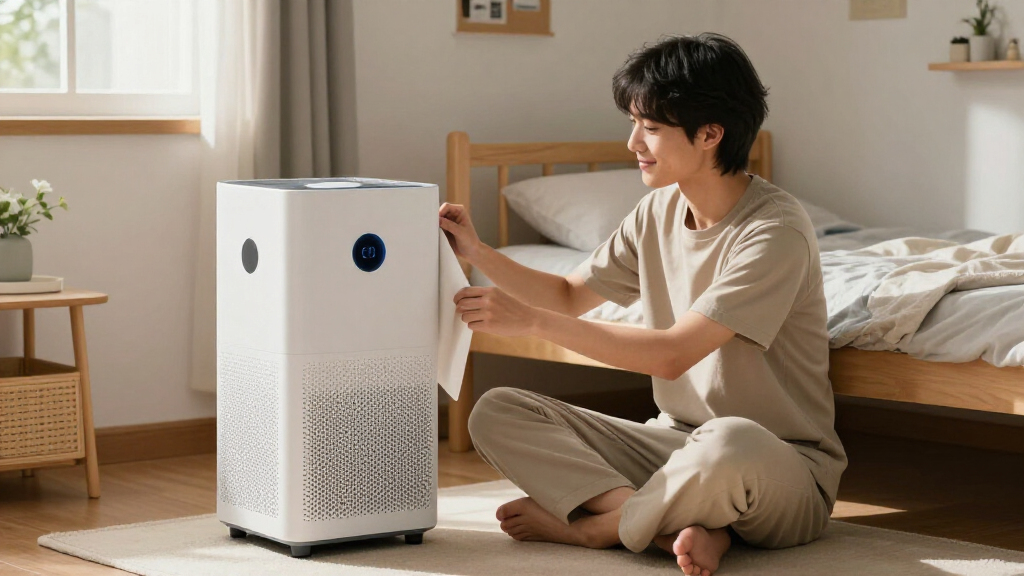
How We Picked
Every model here was judged through one narrow lens: life in a dorm room. That means roughly 100–200 sq ft of shared space, thin walls, limited outlets, and a budget where every dollar counts over four years. I weighted four factors most heavily. Nighttime noise came first, since a purifier that keeps you awake defeats its purpose. Filter replacement cost and availability came second, because the purchase price is only the entry fee — refills over a semester cycle add up fast, and proprietary filters that vanish from the market turn a bargain into a paperweight.
Footprint and power placement mattered third: models that fit on a desk shelf or tuck beside a bed scored higher than floor-standing units that eat already-scarce floor space. Finally, I considered useful extras — air quality sensors, auto mode, timers, and app control — but only when they genuinely helped, not as spec-sheet padding. Units were also penalized for inflated coverage claims, gimmicky aroma pads that mask odors instead of removing them, and controls that require an app where a simple button would do.
Factors to Consider When Choosing Air Purifiers For Dorm Rooms
A dorm room is a uniquely demanding environment for an air purifier: small, shared, sometimes humid, and full of odors from food, laundry, and neighbors. Before you buy, here are the factors that actually change how happy you’ll be with your purchase.Room Size Claims vs. Reality
Manufacturers quote coverage based on multiple air changes per hour in ideal, empty conditions — not a dorm packed with furniture, clothes, and a roommate’s hockey bag. A model rated for 1,000 sq ft isn’t ‘better’ for your 150 sq ft room; it’s oversized, louder on low, and costs more than you need. Match the rating to about 2–3x your actual room size, which gives you headroom without paying for coverage you’ll never use. The common mistake here is chasing the biggest number on the box. Conversely, ultra-mini units rated under 100 sq ft may not complete enough air changes to matter in a shared double room. Read the coverage figure alongside the CADR (clean air delivery rate) if it’s published — that number is harder to fudge.
The True Cost of Ownership
The sticker price is the smallest part of what you’ll pay. Most dorm-sized purifiers need a filter swap every 3–6 months, and refill prices range from under $15 to over $40 depending on the brand. Over a four-year degree, that difference can exceed the purifier’s original cost. Before buying, check that replacement filters are actually in stock from multiple sellers — several budget brands launch with cheap refills, then quietly discontinue them. Off-brand ‘compatible’ filters often fit but seal poorly, letting air bypass the HEPA media entirely. My rule: budget the purifier plus two years of filters as your real purchase price, and compare models on that total. This single shift in thinking changes which model is actually the best deal.
Noise and Sleep Performance
You’ll run this machine while you sleep, study, and take Zoom classes — sometimes all three in the same day. What matters isn’t the advertised decibel minimum but whether the lowest setting is genuinely whisper-quiet and whether the highest setting is something you can tolerate awake. Beware of purifiers that cycle loudly in auto mode; a sensor-driven unit that revs up every time your roommate microwaves ramen can be more disruptive than a constant low hum. If you’re a light sleeper, look for a dedicated sleep mode that also dims or disables display lights. A display that glows all night is one of the most common complaints in student reviews, and it’s rarely mentioned in product listings.
Power, Placement, and Dorm Rules
Dorms have strict rules: many ban certain appliances, limit outlet strips, and prohibit anything mounted to walls. A purifier with a short power cord may force placement far from your bed, where it does the least good. Measure your available outlet and surface space before ordering — a tower that won’t fit a desk shelf often ends up on the floor collecting dust bunnies against its intake. Also check whether your dorm has rules about appliances running unattended, since timers and auto shut-off features can keep you compliant. Battery-powered or USB models exist but rarely move enough air to matter; treat them as novelty products for this use case.
Sensors and Smart Features: Worth It or Not?
Auto mode with a PM2.5 sensor sounds like premium convenience, and in a dorm it genuinely helps — the unit ramps up when your hallway neighbor burns popcorn and quiets down afterward without you touching anything. But smart features add cost, and app-dependent models die a slow death if the manufacturer abandons the software. Prioritize physical controls and a manual mode, and treat app control as a bonus rather than a requirement. Scent-diffusion pads, common on several models here, deserve a mention: they mask odors rather than remove them, and some dorms prohibit fragrance products. If odor is your main complaint, activated carbon in the filter matters far more than an aroma pad.
What You’re Actually Trying to Fix
Be honest about your problem before choosing a machine. Dust and pollen are handled well by any true HEPA filter — even the cheapest options here will help. Smoke, cooking smells, and VOCs require substantial activated carbon, which many budget models include only as a thin granule layer. If lingering odor is your top complaint, a carbon-heavy filter beats a higher fan speed every time. Mold spores need both HEPA filtration and a fix for the underlying moisture — no purifier will solve a humid dorm on its own. Matching the machine to your actual irritant is the difference between noticing a difference in a week and wondering why you spent the money.
Frequently Asked Questions
Can I use a big room air purifier in my dorm anyway?
You can, but you’re paying for capability you won’t use and accepting tradeoffs that hurt in a small space. Oversized units are heavier, take up more of your limited floor or desk area, and their lowest settings are often louder than a small unit’s sleep mode. The benefit is faster air cleaning after a specific event, like smoke drifting in from a hallway incident. If you already own a large unit or found one used for cheap, running it on low makes sense. But buying new for a dorm, your money goes further on a compact model with better filtration quality and cheaper filters than on raw coverage numbers.
How often do I really need to change the filter in a dorm room?
Most manufacturers say 3–6 months, and dorm air usually justifies the shorter end of that range. Shared buildings track in more dust, and if anyone in the room cooks, vapes, or burns candles, the carbon layer saturates faster than the HEPA media clogs. A saturated filter isn’t just ineffective — it can become a mild odor source itself. Watch for telltale signs: weaker airflow on the same setting, a dusty smell near the exhaust, or visible gray discoloration when you pull the filter. Stock up on one replacement at purchase time so you’re not paying rush shipping mid-semester when the cheapest seller is out of stock.
Are cheap air purifiers under $40 actually worth buying for a dorm?
Some are, but the price floor is where the biggest traps in this category live. A $35 unit with a genuine H13 HEPA filter and readily available refills can meaningfully reduce dust and allergens in 100–150 sq ft. The risk is two-fold: ultra-budget models sometimes skip true HEPA media entirely, using mesh that catches only visible debris, and their proprietary filters frequently become unavailable within a year. Before buying any budget unit, search specifically for its replacement filters and check recent availability. If refills are scarce or only sold by the brand’s own store, expect the total cost of ownership to erase the initial savings. The safest cheap picks are from established brands with standardized filter lines.
Will an air purifier help with my roommate’s smells?
Partially, and it depends entirely on the filter’s activated carbon content. HEPA media captures particles — dust, pollen, spores — but odors are gases that pass straight through unless there’s carbon to adsorb them. Many compact purifiers include only a thin carbon-coated mesh, which handles faint smells for a few weeks before saturating. For persistent odors from food, sneakers, or smoke, look for models with granular carbon pellets or a dedicated carbon filter stage. Also set expectations on physics: a purifier cleaning 150 sq ft will handle the room’s air, but it can’t stop new odors from being generated continuously. It manages the problem; it doesn’t end it.
Is auto mode with an air quality sensor worth the extra money for a dorm?
For most dorm residents, yes, and the reason is specific to shared living: air quality changes constantly without your input. A hallway neighbor’s smoke, someone’s burnt microwave meal, or dust kicked up during cleaning all spike particulate levels while you’re in class or asleep. A sensor-driven unit responds to those events and returns to quiet operation afterward, which manual models simply can’t do. The caveats: cheap sensors can be inaccurate or overreact to humidity, and app-connected versions depend on the manufacturer keeping servers running. If you buy auto mode, verify the unit still works fully on manual controls. If your budget forces a choice, prioritize filter quality first — a dumb purifier with great filtration beats a smart one with weak media.
Conclusion
After comparing all 13 models, the right choice depends less on specs and more on your situation. For most students, the Levoit Core 300 is the best overall pick: proven H13 HEPA filtration, near-silent sleep mode, and replacement filters that won’t wreck a semester budget. If minimizing upfront cost is the priority, the AROEVE MK01A and FULMINARE deliver the best value — simple, quiet, and effective for a standard single room, as long as you confirm filter availability before committing.
Students who want the premium experience should look at the DREO DR-HAP008 or Blueair Mini Max Auto, where the PM2.5 sensor and auto mode genuinely earn their price in a shared, unpredictable dorm environment. The GoveeLife Smart Mini is the pick for specific needs: the smallest footprint here plus app and Alexa control for students who want automation in a cramped space. Beginners who just want cleaner air with zero learning curve can grab the AromaRoom or Levoit bedroom model and stop thinking about it. Whichever direction you go, budget for the filters, check dorm rules on appliances, and place the unit near where you actually sleep — those three decisions matter as much as the model you choose.
Cold & flu season Picks
humidifiers
As an affiliate, we earn on qualifying purchases.