If you’re looking for the best HRV ventilation systems for 2026, I recommend the Aprilaire V22BEC ERV, Broan B210E75RT, Broan B230H75RT, Fantech VHR 150, VENTS-US Micra 60, and WiFi-enabled VENTS-US Micra 100. These models offer high efficiency, easy installation, and smart controls to improve airflow, indoor air quality, and comfort. Keep in mind features like filtration and climate suitability. Stay with me to explore which system fits your needs best and how to assure smooth setup.
Key Takeaways
- Top options like Aprilaire V22BEC, Broan B230H75RT, and VENTS-US Micra 100 offer high efficiency and advanced control features for optimal home comfort.
- Modern HRV systems incorporate smart technology, Wi-Fi connectivity, and automated airflow verification for seamless operation.
- Climate-specific features such as defrost functions and high heat recovery efficiency ensure performance in cold or humid environments.
- Easy DIY installation options, universal mounting, and maintenance-friendly filters make these systems user-friendly.
- Prioritizing systems with high SRE ratings, durable motors, and versatile filtration options enhances air quality and long-term reliability.

Aprilaire V22BEC Energy Recovery Ventilator (ERV), 120 CFM Air Exchanger for Homes up to 6,000 Sq. Ft. – Whole-House Fresh Air Ventilation System (HRV/ERV) with Wall, Ceiling, or Floor Mount Bracket
HEALTHY INDOOR AIR – Replaces stale indoor air with fresh outdoor air to improve Indoor Air Quality throughout...
As an affiliate, we earn on qualifying purchases.
Aprilaire V22BEC Energy Recovery Ventilator (ERV)

If you’re looking for an efficient way to improve your home’s indoor air quality, the Aprilaire V22BEC Energy Recovery Ventilator (ERV) is an excellent choice. It provides 120 CFM airflow, suitable for homes up to 6,000 sq. ft., and can be mounted on walls, ceilings, or floors. It replaces stale indoor air with fresh outdoor air, reducing odors, humidity, and pollutants. Its energy recovery core tempers incoming air with heat and moisture from exhaust air, lowering your HVAC costs. With simple push-button controls, it’s easy to adjust airflow and ventilation, ensuring balanced, healthy indoor environments all year round.
Amazon Product B0C6YH7WST
As an affiliate, we earn on qualifying purchases.
Broan B210E75RT Wall/Ceiling Energy Recovery Ventilator

The Broan B210E75RT Wall/Ceiling Energy Recovery Ventilator is an excellent choice for homeowners seeking effortless installation and reliable indoor air quality. Its VIRTUO technology automates airflow verification and balancing, making setup straightforward. It supports both suspended and wall-mount installation with included brackets, and features a universal platform for top or side port configurations. Powered by energy-efficient ECM PMSM motors delivering up to 210 CFM, it guarantees peak performance and durability. It provides tempered, filtered outdoor air while exhausting stale air, with a MERV 8 filter and optional HEPA filtration. The built-in LCD allows easy control, real-time monitoring, and diagnostics for consistent, healthier indoor environments.
Amazon Product B0C6YGCWB7
As an affiliate, we earn on qualifying purchases.
Broan B230H75RT AI Series 230 CFM Heat Recovery Ventilator (HRV)

For homeowners seeking reliable, energy-efficient ventilation, the Broan B230H75RT AI Series 230 CFM HRV stands out thanks to its VIRTUO technology, which simplifies setup and guarantees consistent airflow. This system supplies tempered, filtered outdoor air while exhausting stale indoor air, improving air quality and comfort. Its energy-efficient ECM PMSM motors deliver up to 231 CFM with high performance and durability, even in cold conditions. The unit includes a MERV 8 filter with optional HEPA filtration and an intuitive LCD screen for easy control and monitoring. Designed for flexible installation, its self-adjusting technology ensures reliable, maintenance-free operation across various home types.
Amazon Product B00PP04GVE
As an affiliate, we earn on qualifying purchases.
Fantech VHR 150 HRV Supply Fan with Defrost
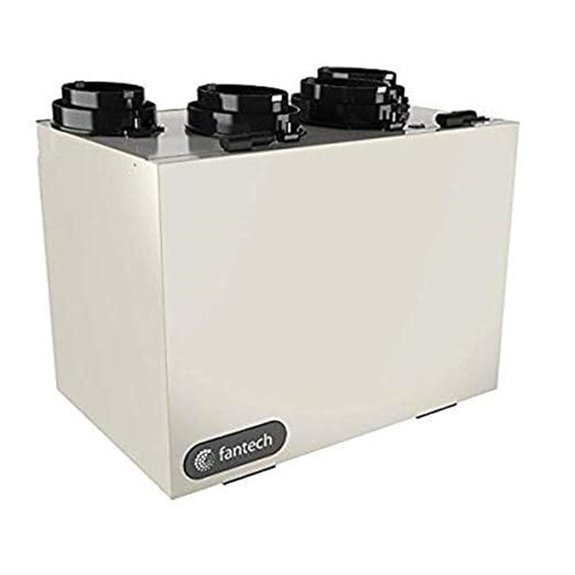
The Fantech VHR 150 HRV Supply Fan with Defrost stands out as an ideal choice for homeowners seeking efficient ventilation with reliable heat recovery, especially in cold climates. It delivers airflow up to 159 CFM at 0.4 PS, making it suitable for 2 to 5 bedroom homes. The unit features three-speed control, external dry contacts for quick remote operation, and compatible low-voltage controls. Washable electrostatic filters ensure easy maintenance, while the built-in shutdown and defrost functions keep the system running smoothly during winter. Overall, it provides effective ventilation, energy efficiency, and durability in harsh conditions.
VENTS-US Micra 60 HRV Wall Mount Ventilation Fan

Looking for an energy-efficient way to improve indoor air quality without bulky ductwork? The VENTS-US Micra 60 HRV Wall Mount Ventilation Fan is a perfect solution. It’s a ductless, wall-mounted unit that continuously exchanges stale indoor air with fresh outdoor air, pre-conditioned through heat recovery to save energy. With up to 79% heat recovery, it reduces heating costs while maintaining comfort year-round. Easy to install with a complete DIY kit, it operates quietly at adjustable speeds up to 35 CFM. Its compact design is ideal for bedrooms, offices, or apartments, offering healthier air without taking up extra space.
VENTS-US Micra 100 HRV WiFi Ventilation System

If you’re seeking a smart, efficient ventilation solution that’s easy to install and operate remotely, the VENTS-US Micra 100 HRV WiFi Ventilation System is an excellent choice. This ductless, wall-mounted unit delivers balanced airflow year-round, thanks to built-in MERV8 and MERV14 filters that purify the air effectively. It recovers up to 98% of indoor heat, reducing energy costs, while automatic dampers prevent drafts when off. With Wi-Fi connectivity, I can control it remotely via smartphone, setting timers or switching modes effortlessly. Its quiet, energy-efficient EC motors and straightforward installation make it a perfect addition for better home comfort.
VENTS-US MERV 8 Ventilation Filter for Fans

VENTS-US MERV 8 Ventilation Filter for Fans is an excellent choice for homeowners and building managers seeking reliable, maintenance-friendly filtration. Designed specifically for ERV and HRV ventilation fans, it maintains airflow without overburdening HVAC systems. The MERV 8 filters are widely used in residential and commercial settings, especially in homes with pets or older furnaces. They are washable and should be cleaned about every six months to keep performance ideal. These filters support indoor air quality by capturing common airborne particles, making them a practical, cost-effective solution for ensuring consistent ventilation and a healthier living environment.
Factors to Consider When Choosing an HRV Ventilation System for Home

When selecting an HRV system for my home, I consider several key factors to guarantee it fits my needs. I evaluate airflow capacity, energy efficiency, installation process, filtration options, and how well it suits my climate. Focusing on these points helps me choose a system that provides ideal comfort and performance.
Airflow Capacity Needs
Choosing the right HRV ventilation system starts with understanding your home’s airflow capacity needs. I recommend measuring your home’s size in square footage and selecting an HRV system with an appropriate CFM rating. For example, using the guideline of 0.35 to 0.5 CFM per square foot helps estimate the necessary airflow. It’s also important to consider the number of rooms and how many people occupy your space regularly, ensuring the system can handle ventilation for everyone. Your climate zone plays a role too; colder or humid environments may require higher airflow rates to maintain air quality. Finally, match the HRV’s capacity with your existing HVAC system to avoid over- or under-ventilation, optimizing comfort and efficiency.
Energy Efficiency Features
Energy efficiency is a key factor when selecting an HRV ventilation system, as it directly impacts your home’s operating costs and comfort. I look for units with high SRE ratings, around 78-81%, to maximize heat recovery and cut energy bills. Choosing models with energy-efficient motors like ECMs helps reduce power consumption and keeps operation quiet. I also prioritize systems with adjustable airflow settings and smart controls, which optimize energy use based on indoor air quality needs. Additionally, I focus on units that recover up to 98% of heat from exhausted air, ensuring maximum energy savings. Features like automatic dampers and self-adjusting technology further enhance efficiency by preventing unnecessary energy loss, making these systems more effective and cost-efficient over time.
Installation Ease Factors
Selecting an HRV ventilation system that’s easy to install can save you time and reduce frustration. Look for units with features like VIRTUO technology or self-adjusting mechanisms, which simplify setup. Choose models with universal mounting options, such as wall or ceiling brackets, to fit various home layouts. Opt for systems with quick installation features, like ductless or ducted setups that connect easily, cutting down installation time. Thorough installation kits—including templates, hardware, and filters—also streamline the process. Additionally, consider products with remote or automated airflow verification, which minimize manual adjustments and ensure proper operation right from the start. Prioritizing these ease factors can make the installation smoother, saving you effort and helping you enjoy your new ventilation system sooner.
Filtration Quality Options
When evaluating HRV ventilation systems, a key factor is the quality of filtration they offer. High-efficiency filters like HEPA can remove up to 99.97% of airborne particles, greatly improving indoor air quality. MERV ratings help gauge a filter’s ability to capture pollutants; MERV 8 is suitable for general use, while MERV 14 is better for sensitive environments. Filters with electrostatic or washable features can lower ongoing costs and reduce maintenance needs while maintaining efficiency. Upgrading to higher MERV ratings enhances pollutant removal but may require more powerful fans to keep airflow consistent. Incorporating multi-stage filtration, with pre-filters and secondary filters, also helps optimize indoor air cleanliness and extend filter lifespan, ensuring healthier, cleaner air inside your home.
Climate Compatibility
Choosing an HRV system that suits your home’s climate starts with understanding how different environmental conditions affect its performance. In cold climates, look for systems with high heat recovery efficiency, certified SRE ratings of 65% or higher at sub-zero temperatures, and features like defrost functions to prevent frost buildup. For hot and humid environments, select HRVs with moisture recovery capabilities to maintain comfortable indoor humidity levels. Proper insulation and sealing tailored to your climate are essential to minimize energy loss and maximize efficiency. Additionally, ensure the system’s capacity matches your home’s size and climate demands, so it ventilates effectively without overworking. Adaptable controls also help optimize performance across varying weather conditions, providing consistent comfort year-round.
Control System Compatibility
To guarantee your HRV system integrates smoothly into your smart home, it’s important to verify that its control interface is compatible with your existing home automation setup. I look for systems that offer remote control via smartphone apps or Wi-Fi, making adjustments easy whether I’m home or away. User-friendly features like real-time airflow monitoring, diagnostics, and customizable schedules are also essential, helping me optimize comfort and efficiency. Additionally, I check if the system supports external controls or integrates with my home security system for comprehensive management. Firmware updates and future-proofing are key, so I prefer systems that are easy to update and compatible with upcoming smart home technologies. Ensuring these factors helps me maintain seamless, centralized control over my ventilation system.
Maintenance Requirements
Regular maintenance is essential for keeping your HRV system functioning efficiently and ensuring good indoor air quality. I recommend regularly replacing or cleaning filters, like MERV 8 or HEPA filters, to maintain ideal airflow and filtration. Some systems have washable electrostatic filters that need periodic cleaning to prevent clogging and sustain efficiency. Monitoring and servicing control systems or LCD displays helps catch diagnostic errors early and keeps the system operating smoothly. Mechanical components such as ECM motors might require inspections or lubrication to maintain energy efficiency. Additionally, ensuring the defrost and shutdown functions work properly—especially in units like the Fantech VHR 150—guarantees reliable operation across different climates. Diligent upkeep prolongs your system’s lifespan and keeps your home comfortable.
Budget Considerations
When evaluating HRV ventilation systems, considering your budget helps verify you select a model that balances cost with performance. Basic units start around $500, while premium models can exceed $2,000. Remember to factor in installation, maintenance, and filter replacement costs, as these add to the total expense. Cheaper models may have fewer features, smaller airflow, or less advanced controls, which could affect comfort and efficiency. Investing a bit more upfront in a higher-quality system often results in better durability, energy recovery, and lower operating costs over time. While initial price is important, weighing long-term savings and performance guarantees you choose an HRV system that fits your budget without compromising home comfort.
Frequently Asked Questions
How Do HRV Systems Impact Indoor Air Quality?
HRV systems markedly improve indoor air quality by continuously exchanging stale air with fresh outdoor air while retaining heat and moisture. I’ve noticed that they reduce indoor pollutants, allergens, and humidity levels, making my home healthier and more comfortable. By balancing air exchange and energy efficiency, HRV systems create a cleaner, more breathable environment, which is especially valuable during allergy seasons or in tightly sealed homes.
Are HRV Systems Energy-Efficient for Large Homes?
Yes, HRV systems are energy-efficient for large homes. Imagine a sprawling mansion where fresh air flows in effortlessly, yet energy bills stay low. That’s the power of modern HRV technology—recovering heat from exhausted air to warm incoming air, reducing energy waste. Even in big spaces, these systems optimize ventilation without overworking your HVAC, making them a smart choice for maintaining comfort without sacrificing efficiency.
What Maintenance Is Required for HRV Units?
Maintaining an HRV system is straightforward. I change the filters every 3 to 6 months to keep air quality ideal. I also inspect the core and fans for dust or debris monthly, cleaning them gently if needed. Regularly checking the drain pans and condensate lines prevents mold buildup. Scheduling annual professional inspections ensures everything runs efficiently, helping me extend the system’s lifespan and maintain home comfort.
Can HRV Systems Be Integrated With Smart Home Devices?
Yes, HRV systems can be integrated with smart home devices. I’ve found that many modern units are compatible with popular smart home platforms like Alexa, Google Home, or Apple HomeKit. This allows me to control ventilation remotely, set schedules, and monitor air quality easily. I recommend checking the specific model’s compatibility before purchasing, but overall, integration makes managing home comfort much more convenient and efficient.
How Do Noise Levels Vary Among Different HRV Models?
Noise levels among different HRV models vary considerably, with some operating almost silently and others producing noticeable sound during operation. I’ve found that newer, high-quality units tend to emphasize quieter fans and sound insulation, making them less disruptive. When choosing an HRV system, I recommend checking product specifications for decibel ratings and reading user reviews to ensure you select a model that maintains a peaceful home environment without sacrificing performance.
Conclusion
Choosing the right HRV system is like finding the missing piece of a puzzle—it completes your home’s comfort and air quality. With options tailored to different needs, you can breathe easier knowing you’re making a smart investment. Don’t rush; take your time to pick the perfect fit. After all, when it comes to home comfort, a good ventilation system is the backbone that keeps everything running smoothly.