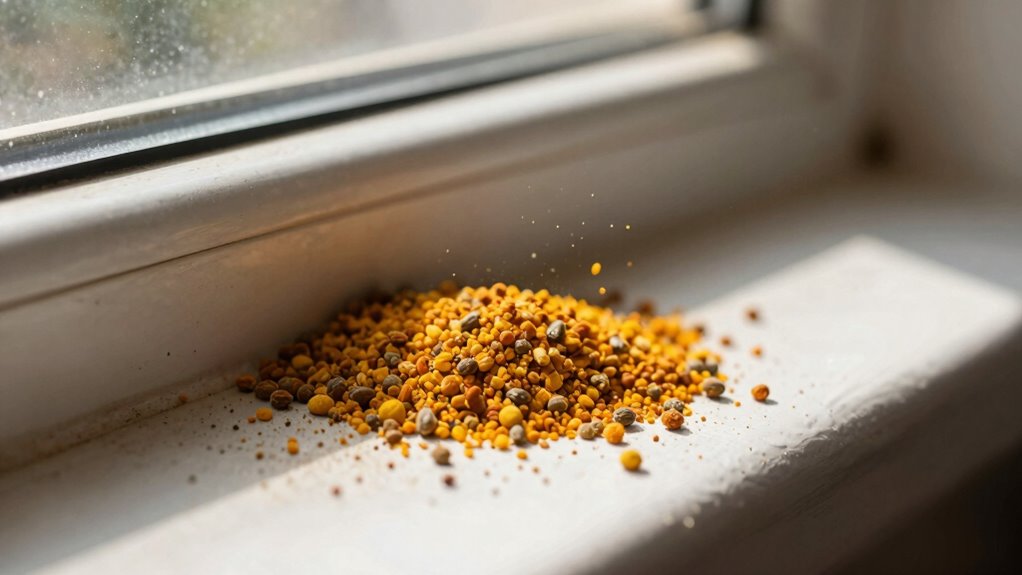
Seasonal pollen can keep circulating indoors because it easily sneaks in through gaps in windows and doors, attaching to clothing, hair, and pets. Once inside, it settles on surfaces or becomes airborne again with movement, making it hard to completely eliminate. Continuous air circulation and improper ventilation can keep pollen particles moving around, prolonging exposure. To better understand how to reduce indoor pollen levels, keep exploring ways to improve your indoor environment.

Get health and wellness essentials delivered free — and shop member deals
- Fast, free delivery on millions of items
- Access to Prime Big Deal Days deals on October 6–7
- Prime Video, Amazon Music and more included
Key Takeaways
- Pollen enters indoors through gaps in windows, doors, clothing, and hair, making complete prevention difficult.
- Circulating air and movement resuspend settled pollen particles, maintaining indoor allergen levels.
- Pollen clings to fabrics, pets, and surfaces, causing continuous reintroduction into indoor air.
- Without effective filtration, pollen particles recirculate, prolonging allergy symptoms inside.
- Proper ventilation and regular cleaning help reduce indoor pollen circulation and improve air quality.
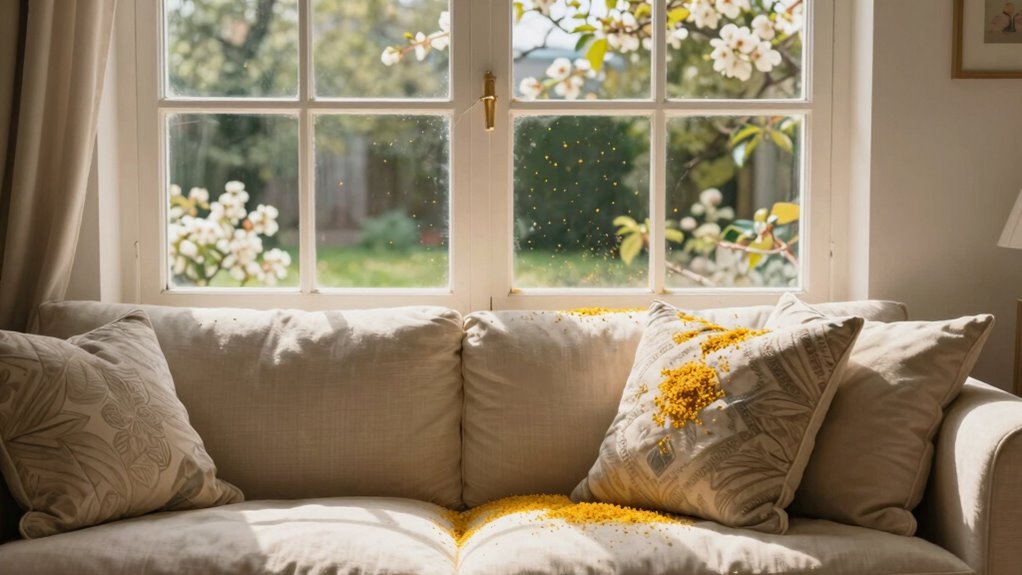
Have you ever wondered why your allergies flare up even when you’re indoors? It can be frustrating to think you’re safe inside, only to find that seasonal pollen still triggers your symptoms. The truth is, pollen doesn’t just stay outside; it sneaks in and circulates throughout your home, impacting your indoor air quality in ways you might not realize. You might assume that closing windows and doors keeps pollen out, but microscopic particles are tiny enough to slip through gaps or cling to clothing and hair. Once inside, pollen settles on surfaces or becomes airborne again when you move around, creating a continuous cycle that keeps your allergies active. indoor air quality can be significantly affected by these circulating particles, making it essential to implement effective measures.
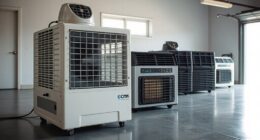
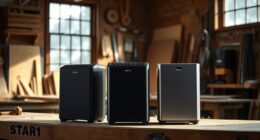
Air filtration plays an essential role in combating this persistent problem. High-efficiency particulate air (HEPA) filters, for example, are designed to trap pollen particles and other airborne allergens. When you use air purifiers equipped with these filters, you actively remove pollen from the air, improving indoor air quality markedly. This not only helps reduce allergy symptoms but also creates a healthier environment overall. Regularly changing or maintaining your filters guarantees they continue to work effectively, preventing pollen from recirculating in your home. Understanding how pollen particles move within indoor spaces can help you better manage these issues and optimize your filtration strategies. Additionally, knowing about airborne allergens can help you identify the most effective filtration methods.
Using HEPA filters in air purifiers helps trap pollen and allergens, improving indoor air quality and reducing allergy symptoms.
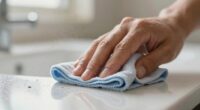
Beyond using air filtration devices, it’s important to pay attention to your home’s ventilation and cleaning routines. Vacuuming with a HEPA-filter vacuum cleaner can prevent pollen from settling into carpets and upholstery, where it can lurk for weeks. Wiping down surfaces and washing bedding frequently also helps minimize pollen buildup indoors. Remember, pollen can cling to fabrics, pets, and even your clothing, so taking these steps reduces the likelihood of reintroducing pollen into the air after cleaning. Additionally, understanding how pollen particles behave and move within indoor spaces can help you better manage these issues pollen circulation. Incorporating proper ventilation techniques can further reduce indoor pollen levels by controlling airflow and minimizing stagnant air pockets. Proper ventilation not only helps remove stale air but also prevents the buildup of allergenic particles, leading to cleaner indoor environments.
HEPA air purifier for pollen removal
As an affiliate, we earn on qualifying purchases.
As an affiliate, we earn on qualifying purchases.
Frequently Asked Questions
How Long Does Pollen Stay Viable Indoors?
Pollen can stay viable indoors for several days to weeks, depending on conditions like humidity and airflow. Pollen dispersal often occurs when you open windows or doors, allowing outdoor pollen inside. To improve indoor allergy mitigation, regularly clean surfaces, use HEPA filters, and keep windows closed during peak pollen seasons. This helps reduce pollen buildup and minimizes allergen exposure, making your indoor environment more comfortable and allergy-friendly.
Can Pollen Allergen Levels Vary by Room?
Yes, pollen allergen levels can vary by room. You might find higher indoor air quality in bedrooms with sealed windows versus living rooms with open windows. Pollen infiltration depends on ventilation, filters, and airflow, making some spaces more prone to allergen buildup. To reduce pollen levels indoors, keep windows shut during high pollen seasons, use air purifiers, and regularly clean surfaces, ensuring a healthier environment tailored to each room’s exposure.
Do Air Purifiers Remove All Types of Pollen?
Air purifiers can markedly reduce many types of pollen through allergenic spores removal and pollen filtration, but they don’t eliminate all pollen entirely. HEPA filters, in particular, are effective at capturing small pollen particles, yet some pollen may still slip through, especially if the purifier isn’t properly maintained or if pollen enters from other sources like open windows. Regular use and proper filter changes improve their ability to keep indoor air cleaner.
How Does Indoor Humidity Affect Pollen Circulation?
Think of indoor humidity as the tide that influences pollen’s dance. When humidity is high, pollen grains cling together and settle quickly, reducing dispersal. But when humidity drops, pollen becomes a free spirit, dispersing easily across your space. Humidity impact is essential; controlling it can help limit pollen dispersal indoors, keeping your environment cleaner and more comfortable. So, adjusting your humidity levels can be your secret weapon against airborne pollen.
Are Certain Building Materials More Prone to Pollen Retention?
Certain building materials are more prone to pollen retention due to their susceptibility and pollen adhesion properties. Porous materials like carpets, upholstery, and fabric curtains tend to trap pollen more easily, making it harder to remove. Smooth, non-porous surfaces such as glass, metal, or tiles resist pollen adhesion better, reducing buildup. Knowing this, you can choose materials that minimize pollen retention and improve indoor air quality.
HEPA vacuum cleaner for allergens
As an affiliate, we earn on qualifying purchases.
As an affiliate, we earn on qualifying purchases.
Conclusion
Even when you’re indoors, seasonal pollen can still circulate, making allergy season tough. Pollen particles are tiny enough to enter through open windows, doors, and even on your clothes. Did you know that during peak pollen season, indoor pollen levels can be nearly as high as outdoors? So, keeping windows shut and using air purifiers can really help. Stay vigilant and protect your breathing, no matter the season outside.
As an affiliate, we earn on qualifying purchases.
indoor air quality improvement devices
As an affiliate, we earn on qualifying purchases.
As an affiliate, we earn on qualifying purchases.
Fall Picks
fall essentials
As an affiliate, we earn on qualifying purchases.