
Paint fumes can linger in your home for days or even weeks after painting, depending on factors like the type of paint used, ventilation, temperature, and humidity. Oil-based paints tend to emit stronger fumes compared to latex or acrylics. To reduce discomfort, make certain proper ventilation and consider using low-VOC or no-VOC paints. If you’re curious about identifying symptoms or finding tips for fume exposure control, there’s more valuable information to explore.
Key Takeaways
- Paint fumes can linger for days to weeks, depending on the type of paint and environmental conditions like temperature and ventilation.
- Oil-based paints emit stronger fumes and take longer to dissipate compared to latex and acrylic paints, which have lower emissions.
- Proper ventilation significantly reduces the duration and intensity of paint fumes, making it crucial to open windows and use fans while painting.
- Low-VOC and no-VOC paints are safer options that minimize harmful emissions and improve indoor air quality during and after painting.
- Immediate symptoms from paint fumes include headaches and dizziness, but long-term exposure can lead to serious health issues, emphasizing the need for safety measures.
Understanding Paint Fumes

Have you ever wondered what’s really in those paint fumes? When you’re surrounded by that strong paint odor, it’s vital to understand what you’re breathing in. Paint contains volatile organic compounds (VOCs), which evaporate as the paint dries. These chemicals can contribute to headaches, dizziness, and other health issues. While paint drying might seem like a simple process, the release of these VOCs can linger in the air long after the paint’s been applied. It’s essential to ensure proper ventilation while you’re painting to minimize exposure to these harmful substances. Additionally, aquatic exercises can help promote relaxation and improve lung capacity, which may aid in managing the effects of inhaling fumes. By knowing what’s in the fumes, you can take steps to protect yourself and create a safer environment while enjoying your fresh coat of paint. Furthermore, project management support is crucial when undertaking renovation projects to ensure efficiency and safety. It’s important to familiarize yourself with safety guidelines for using paints and solvents to prevent health risks. Additionally, proper ventilation can help mitigate the effects of these fumes, ensuring a healthier space as you work on your projects. It’s important to recognize that just like in a Microsoft outage, disruptions can have lingering effects that require careful planning and response.
Factors That Affect the Duration of Paint Fumes

Understanding the factors that affect how long paint fumes linger can help you better manage your painting projects. One key factor is the type of paint you choose; some paints emit stronger fumes than others. Additionally, your primer selection plays an essential role in fume duration. A high-quality primer can reduce the amount of volatile organic compounds (VOCs) released, helping to minimize lingering odors. Temperature and ventilation also considerably impact fume dispersion; warmer temperatures and good airflow can speed up evaporation. To achieve better indoor air quality, it’s advisable to monitor humidity levels as they can also influence how quickly fumes dissipate. Finally, color matching can influence the number of coats needed, affecting fume intensity. By considering these factors, you can create a more pleasant and healthier painting environment. Moreover, using smart appliances in your workspace can help improve ventilation and air quality during and after painting. It’s also important to have a whole-home backup power system in place to ensure that ventilation systems remain operational in case of power outages. Additionally, understanding the impact of volatile organic compounds can help you make more informed choices about the products you use. Utilizing energy-efficient options can further enhance air quality while reducing overall costs.
Types of Paint and Their Fume Emissions

When choosing paint for your project, the type you select can considerably impact fume emissions. Here’s a quick overview of common paint types and their fume characteristics:
- Oil-Based Paint: Releases strong fumes; needs proper ventilation during and after application. These emissions can be reduced with energy-efficient solutions that improve air circulation. Additionally, using an air purifier can help remove lingering paint fumes from the air. It is important to note that volatile organic compounds present in oil-based paints can contribute to long-lasting indoor air quality issues.
- Latex Paint: Water-based, has lower emissions, and dries faster.
- Acrylic Paint: Similar to latex, but can emit some fumes; good for indoor use.
- Chalk Paint: Low VOCs; generally safer for indoor projects with minimal fumes.
- Spray Paint: High emissions; requires careful paint mixing and extensive ventilation.
Additionally, certain locations may offer family-friendly amenities that help mitigate exposure to fumes during projects.
Health Risks Associated With Paint Fumes

Although paint can transform your space, inhaling its fumes can pose serious health risks. You might not realize that exposure to volatile organic compounds (VOCs) in paint can lead to long-term respiratory health issues. These chemicals can irritate your lungs and throat, making it harder to breathe. If you’re not careful with paint safety, you could also experience dizziness, headaches, or even allergic reactions. Ensuring proper ventilation during and after painting is essential to minimize these risks. Always wear a mask and consider using low-VOC or no-VOC paints for safer options. By taking these precautions, you can enjoy your freshly painted space without compromising your well-being. Additionally, implementing star trackers can help you achieve smoother painting results in low light conditions. To maximize your outdoor experience, consider designing your space with an outdoor kitchen that allows for seamless transitions between cooking and entertaining. Prioritizing paint safety protects not just your home, but also your health. Additionally, the presence of home security systems can provide peace of mind during renovation projects. Furthermore, maintaining a high contrast ratio in your space can enhance visual comfort, especially if you plan to showcase your newly painted walls with a projector. To further promote a healthier environment, consider using water purification systems to ensure clean drinking water availability during your painting projects.
Symptoms of Paint Fume Exposure

Exposure to paint fumes can lead to a range of symptoms that affect your overall well-being. You might notice the effects almost immediately, particularly if you’re sensitive to paint odor or have paint allergies. Here are some common symptoms to watch for:
- Headaches
- Nausea
- Dizziness
- Eye and throat irritation
- Respiratory issues, which may be exacerbated by essential oils like eucalyptus and peppermint that can help alleviate symptoms.
If you experience any of these symptoms, it’s vital to step outside for fresh air. Prolonged exposure can worsen these effects and lead to more serious health problems. Always be aware of how paint fumes can impact you, especially if you’re working in a poorly ventilated area. Taking precautions can help minimize your risk of experiencing these uncomfortable symptoms. Additionally, using a robot vacuum equipped with air purification features can help reduce indoor air pollutants, including paint fumes. It’s important to remember that compassionate caregiving involves being aware of environmental hazards that can affect the health of those you care for. Furthermore, prolonged exposure to harmful substances like paint fumes can lead to serious health problems that may require medical attention.
How to Ventilate Your Space Effectively

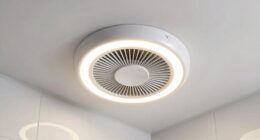
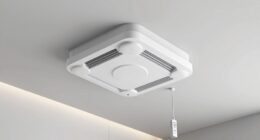
To effectively ventilate your space while painting, start by opening windows and doors to create a cross-breeze. You can also use fans strategically to help circulate the air and push out any lingering fumes. This simple approach will make your environment safer and more comfortable.
Open Windows and Doors
When you’re painting indoors, opening windows and doors is essential for effective ventilation. This simple action helps reduce the paint smell and aids in odor removal. Fresh air circulation not only clears out harmful fumes but also speeds up the drying process.
Here are some tips for maximizing ventilation:
- Open windows on opposite sides for cross-ventilation.
- Use screens to keep insects out while allowing airflow.
- Keep doors open to create a wider passage for fresh air.
- Open windows at the highest point in the room to let out stale air.
- Consider the weather; painting on a breezy day can enhance airflow.
Use Fans Strategically
While opening windows and doors is essential, using fans strategically can greatly improve ventilation during your painting project. Place a box fan in the window to draw fresh air in while positioning another fan to push stale air out. This two-way airflow enhances air quality and helps disperse paint fumes more quickly. If possible, use exhaust fans in adjacent rooms to further direct fumes outside. Make sure to adjust the fans’ positions as needed to maximize efficiency. Don’t forget to keep the fans running for a few hours after you finish painting to ensure all remaining odors are cleared. By implementing these ventilation strategies, you’ll create a safer, more breathable environment while you work.
Tips for Reducing Paint Fume Exposure

Although painting can transform a space, reducing your exposure to paint fumes is essential. Here are some effective tips to help you stay safe while you paint:
- Choose low-VOC or no-VOC paints during your paint selection.
- Always wear protective gear like masks and goggles to shield yourself from fumes.
- Guarantee proper ventilation by opening windows and using fans to circulate air.
- Take breaks outside to give your lungs a rest.
- Avoid painting in enclosed spaces for extended periods.
The Importance of Low-VOC and No-VOC Paints

When you choose low-VOC or no-VOC paints, you’re not just protecting your health; you’re also making a positive impact on the environment. These paints reduce harmful emissions, making your space safer for you and your family. Understanding how to select the right paint can help you enjoy both a beautiful home and a healthier planet.
Health Benefits of Low-VOC
As you consider your next painting project, opting for low-VOC or no-VOC paints can markedly enhance your indoor air quality and overall health. These paints substantially reduce harmful emissions, allowing you to breathe easier. Here are some health benefits to keep in mind:
- Reduced paint odor: No more overpowering smells lingering in your space.
- Shorter fumes duration: Low-VOC paints emit fewer toxins, allowing for quicker drying times.
- Fewer health risks: Minimized exposure to irritants and allergens.
- Safer for children and pets: Creates a healthier environment for your loved ones.
- Long-term wellness: Promotes better respiratory health and reduces headaches.
Choosing low-VOC or no-VOC paints is a simple way to protect your health while beautifying your home.
Environmental Impact Considerations
Choosing low-VOC and no-VOC paints not only benefits your health but also plays a crucial role in protecting the environment. These paints markedly reduce chemical emissions, which helps improve indoor air quality and decreases pollution levels outside. By opting for products with fewer volatile organic compounds, you contribute to a healthier ecosystem. High VOC paints release harmful substances that can linger in the air, affecting both humans and wildlife. When you choose low or no-VOC options, you’re actively reducing the toxins released into the atmosphere. This choice not only safeguards your home but also supports cleaner air for your community. Making informed decisions about paint can lead to a lasting positive impact on the environment.
Choosing the Right Paint
Selecting the right paint can considerably impact both your health and the environment, especially when you prioritize low-VOC and no-VOC options. These paints reduce harmful emissions and promote better indoor air quality. When making your paint color selection, consider the following benefits of choosing low-VOC and no-VOC paints:
- Healthier indoor air: Fewer chemicals lead to reduced respiratory issues.
- Environmentally friendly: Lower environmental impact during production and disposal.
- Variety of finishes: You won’t sacrifice aesthetics; options are available in various paint finishes.
- Durability: Many low-VOC paints offer excellent longevity and coverage.
- Easier cleanup: Water-based formulas simplify cleanup and minimize harsh chemical exposure.
When to Seek Medical Attention

If you experience persistent symptoms after exposure to paint fumes, it’s essential to seek medical attention promptly. Common signs include headaches, dizziness, nausea, and respiratory issues. If you notice allergy symptoms, such as skin rashes, itching, or difficulty breathing, don’t hesitate to get help. Even if you followed safety precautions while painting, fumes can still affect you adversely. If symptoms worsen or don’t improve within a few hours, it’s vital to consult a healthcare professional. Ignoring these signs could lead to more severe health issues. Remember, it’s always better to err on the side of caution when it comes to your well-being. Your health is too important to take chances with paint fume exposure.
Long-Term Effects of Paint Fume Exposure

Although many people may underestimate the risks, long-term exposure to paint fumes can lead to serious health issues. You might not realize that persistent paint smell isn’t just annoying; it can impact your health over time. Here are some potential long-term effects you should be aware of:
- Respiratory problems, such as asthma or chronic bronchitis
- Neurological issues, including headaches or memory problems
- Skin irritations or allergic reactions
- Hormonal disruptions affecting reproductive health
- Increased risk of certain cancers
If you’re dealing with leftover odors, consider effective odor removal techniques to minimize your exposure. Ventilation, air purifiers, and natural cleaning agents can help clear the air and protect your well-being. Don’t ignore the long-term effects of paint fumes!
Frequently Asked Questions
Can Pets Be Affected by Paint Fumes Indoors?
Yes, your pets can be affected by paint fumes indoors. Those fumes can compromise indoor air quality, leading to respiratory issues or other health problems for your furry friends. It’s essential to prioritize pet safety by ensuring proper ventilation while painting and keeping your pets out of the area until the fumes dissipate. Always monitor their behavior for any signs of distress, and consult your vet if you’re concerned about their health.
What Should I Do if I Inhale Paint Fumes?
If you inhale paint fumes, get fresh air immediately. Open windows and doors to improve ventilation. If you experience dizziness, headaches, or respiratory issues, seek medical attention right away. It’s important to wear protective gear, like masks and goggles, when painting to avoid exposure. Consider using ventilation strategies, such as fans, to keep air flowing while you work. Prioritize your health and guarantee the area is well-ventilated before starting any painting project.
How Can I Tell if Paint Fumes Are Gone?
You can tell paint fumes are gone when you no longer detect any scent. Curiously, proper ventilation strategies can reduce fumes by up to 90% in just a few hours. Open windows and use fans to circulate air effectively. Even after the smell fades, ensure the area feels fresh and breathable. If you still sense any odor, it’s best to keep ventilating until there’s absolutely no trace left.
Are Spray Paints More Hazardous Than Regular Paints?
Yes, spray paints can be more hazardous than regular paints. They often contain higher levels of volatile organic compounds (VOCs), which increase paint toxicity and health risks. When you use spray paint, you’re inhaling these harmful chemicals more directly, which can lead to respiratory issues and other health problems. Always make sure to use spray paints in well-ventilated areas and consider wearing protective gear to minimize exposure to these hazardous substances.
Is It Safe to Sleep in a Freshly Painted Room?
Sleeping in a freshly painted room is like curling up in a cloud of fumes—it’s not the best idea. You should wait until the paint’s fully dried and the room’s well-ventilated. Typically, paint drying time can vary, but keeping windows open and using fans can help speed up the process. Make sure the smell diminishes considerably before you settle in for the night, ensuring a safer and healthier sleeping environment.
Conclusion
In summary, understanding paint fumes is vital for your health. Did you know that even low-VOC paints can still emit harmful fumes for up to 10 days after application? That’s a week and a half of potential exposure! By choosing low-VOC or no-VOC options and ensuring proper ventilation, you can greatly reduce the risks associated with paint fumes. Stay informed and prioritize your well-being to create a safe, enjoyable environment in your freshly painted space.