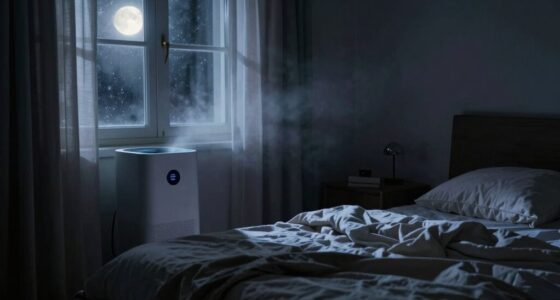
Living in a small apartment means pollutants from cooking, cleaning, and chemicals can quickly build up because limited space traps these fumes. Restricted airflow makes it harder for fresh air to replace stale air, which causes the environment to feel stuffy and polluted. Poor ventilation can lead to health issues like headaches, allergies, or respiratory problems. By understanding these challenges, you’ll see how simple strategies can make your space healthier—keep exploring to find out more.

Get health and wellness essentials delivered free with Prime
- Fast, free delivery on millions of items
- Prime Video, Amazon Music and more included
- Member-only deals all year
Key Takeaways
- Limited space causes rapid buildup of indoor pollutants like cooking fumes and chemicals.
- Restricted airflow in small apartments prevents effective ventilation and pollutant dispersal.
- Poorly designed layouts hinder natural air circulation, trapping stale air and odors.
- Ventilation systems often inadequately exchange indoor and outdoor air in confined spaces.
- High occupant density and activities increase indoor pollution levels beyond the space’s ventilation capacity.

Living in a small apartment can feel like a constant battle with air quality, especially when space is tight and ventilation options are limited. In such environments, ventilation efficiency becomes a fundamental factor in maintaining a healthy indoor atmosphere. When your apartment is small, even minor sources of pollution—cooking fumes, cleaning chemicals, or cigarette smoke—can quickly accumulate, making it harder to breathe comfortably. Because of limited airflow, these pollutants tend to linger longer, raising air quality concerns that aren’t always obvious at first glance.
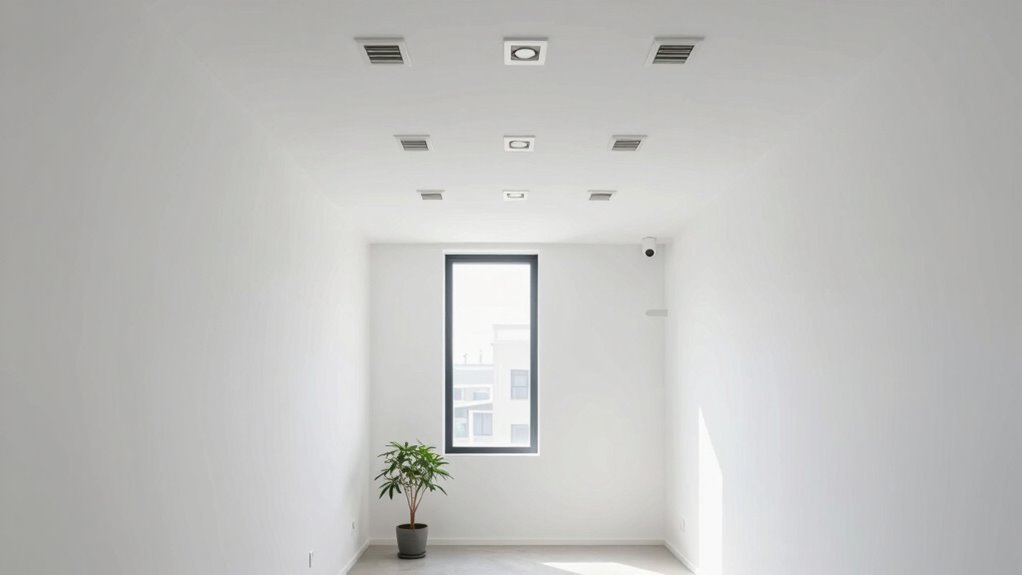
You might notice that the air feels stale or stuffy, which is a clear sign that ventilation isn’t keeping up with your needs. Poor ventilation efficiency means that fresh air isn’t replacing stale indoor air effectively, leading to higher concentrations of indoor pollutants. This situation can cause headaches, fatigue, or even exacerbate allergies and respiratory issues over time. In smaller spaces, the lack of proper airflow becomes more apparent because there’s less room for air to circulate naturally. Without enough fresh air entering and pollutants escaping, your indoor environment becomes a closed loop that traps airborne particles and odors.
Addressing air quality concerns in a small apartment calls for strategic solutions. You can start by using exhaust fans in your kitchen and bathroom to help remove excess moisture and airborne contaminants. These appliances improve ventilation efficiency by actively pulling out pollutants before they settle into your living space. Additionally, consider opening windows whenever possible, especially during cooking or cleaning, to introduce fresh air. Even a few minutes of cross-ventilation can considerably dilute indoor pollutants and improve air quality. Incorporating ventilation strategies can further enhance airflow and reduce stagnation.
Air purifiers also play an essential role in small apartments by filtering out dust, allergens, and airborne bacteria. Choosing a model with a HEPA filter ensures that even the tiniest particles are captured, helping to reduce allergy symptoms and improve overall air quality. Keep in mind, though, that the effectiveness of such devices depends on proper placement and regular maintenance. Understanding the importance of ventilation efficiency can help you make more informed decisions about maintaining your indoor air quality. Proper ventilation not only removes pollutants but also optimizes the air exchange rate, which is crucial for small spaces where air tends to stagnate. Ultimately, you need to be mindful of how your apartment’s layout and ventilation features influence air quality. Small spaces demand a proactive approach because the stakes are higher for air quality concerns. Improving ventilation efficiency isn’t just about comfort; it’s about creating a healthier living environment. By combining good habits—like opening windows, using exhaust fans, and investing in air purifiers—you can turn your small apartment from a potential air quality problem into a much healthier, more breathable space.
Products Worth Considering

Coway Airmega 250 Air Purifier for Large Rooms

Levoit Vital 100S-P Air Purifier with Washable Pre-Filter

LEVOIT Vital 200S-P Smart Air Purifier for Large Rooms
As an affiliate, we earn on qualifying purchases.
Frequently Asked Questions
How Do I Identify Hidden Sources of Poor Air Quality?
You can identify hidden sources of poor air quality by inspecting for indoor mold in damp areas like bathrooms and kitchens, which often go unnoticed. Check for musty smells or discoloration. Also, look out for chemical pollutants from cleaning products, air fresheners, or paints. Ventilate regularly and consider using air purifiers. These steps help you spot hidden dangers and improve your indoor air quality effectively.
Can Plants Improve Air Circulation in Small Apartments?
Yes, plants can improve air circulation in your small apartment. They naturally filter indoor humidity and can boost air quality by absorbing toxins. To effectively monitor progress, use air quality monitors to track improvements. Keep plants well-watered and healthy to maximize their benefits. Regularly moving them around can encourage better airflow, helping reduce stagnant air and improve overall air circulation in your living space.
Are Air Purifiers Effective in Tiny Living Spaces?
Air purifiers work well in tiny living spaces when you choose the right types, like HEPA or activated carbon models. They effectively reduce pollutants, dust, and odors. However, you need to stay on top of filter maintenance—regular cleaning or replacement guarantees peak performance. Keep your purifier in a central spot, run it consistently, and you’ll notice cleaner, fresher air that improves your small apartment’s overall air quality.
What Are the Best Ventilation Tips for Small Apartments?
To improve ventilation in your small apartment, open windows regularly to promote airflow and reduce indoor pollutants. Use air quality sensors to monitor air levels and identify when fresh air is needed. Additionally, focus on humidity control with dehumidifiers or vents to prevent mold and mustiness. These tips help maintain fresh, healthy air, making your space more comfortable and safer, especially in limited living areas.
How Often Should I Clean My Apartment’s Air Vents?
They say “A stitch in time saves nine,” so you should clean your air vents at least every six months. Regular air filter maintenance helps prevent dust buildup and improves air quality. If your apartment’s ventilation system is outdated, consider upgrades to boost airflow and efficiency. Keeping vents clean guarantees better circulation, reduces allergens, and keeps your space fresh, making your small apartment feel more spacious and comfortable.
Conclusion
Living in a small apartment is like trying to keep a tiny boat afloat in a stormy sea—you need to manage every breath of air carefully. By opening windows, adding plants, and using air purifiers, you can clear out the trapped air and let fresh breezes sail in. Remember, good ventilation isn’t just a luxury; it’s the lifeline that keeps your cozy space feeling fresh and inviting, turning your tiny home into a breathe-easy haven.