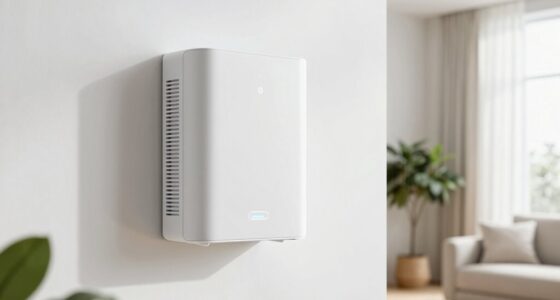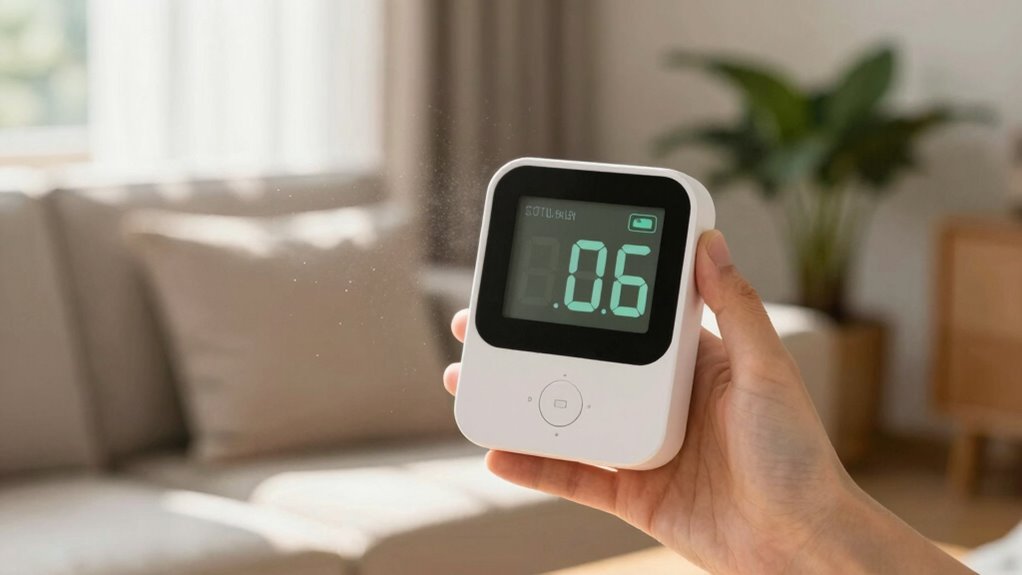

If you notice persistent odors, unexplained allergies, or a stuffy feeling, your indoor air quality might be poor. These signs often point to issues like inadequate ventilation, hidden pollutants such as dust, mold spores, or VOCs, or mold growth in damp areas. Temporary fixes like opening windows might help, but upgrading your ventilation system and testing your air can make a real difference. Keep going to discover more ways to improve your home’s air quality.
Open a free Amazon Business account
Business pricing, bulk buying and tax-exempt orders.
As an affiliate, we earn on qualifying purchases.
Key Takeaways
- Persistent odors and allergies often indicate mold, VOCs, or insufficient ventilation in the home.
- Stuffy or stale air suggests poor airflow or blocked ventilation systems.
- Headaches and dizziness may be caused by elevated indoor toxins or mold spores.
- Allergic reactions like sneezing and itchy eyes typically point to dust, mold, or airborne irritants.
- Signs of dampness or mold growth often reveal hidden moisture issues needing remediation.

Have you ever noticed persistent odors, unexplained allergies, or stuffy air lingering in your home? These are common signs that the air quality inside your space might be compromised. Often, the root of these issues lies in poor ventilation or unseen pollutants floating around. To identify the cause, you might consider air quality testing, which can reveal hidden contaminants like dust, mold spores, or volatile organic compounds (VOCs). These tests provide concrete data, helping you understand what’s affecting your indoor air and guiding you toward effective solutions.
Persistent odors and allergies may signal hidden pollutants and poor ventilation in your home.
If your home feels stuffy or smells stale, it could be a sign that your ventilation systems aren’t functioning properly. Ventilation is essential because it circulates fresh air and removes indoor pollutants. When these systems are inadequate or blocked, indoor air can become stagnant, trapping allergens and other irritants that trigger allergies or respiratory issues. You may notice that opening windows helps temporarily, but if the problem persists, it’s likely your ventilation isn’t enough to maintain healthy air quality. In such cases, upgrading or repairing your ventilation systems can considerably improve the situation. Additionally, understanding indoor air quality testing can help you pinpoint specific pollutants affecting your home environment. Regular maintenance of ventilation systems is also key to ensuring they work effectively over time.
Persistent sneezing, coughing, or itchy eyes often point to airborne allergens or irritants that linger in poorly ventilated spaces. Mold growth is another common culprit, especially in damp areas like basements or bathrooms. Mold spores can cause allergic reactions and respiratory problems, and they’re often hidden behind walls or beneath floors, making air quality testing necessary for detection. Once identified, addressing mold and improving ventilation can help eliminate these health hazards. Learning about mold prevention can further aid in maintaining a healthier indoor environment.
Unexplained headaches or dizziness may also be signs of indoor air pollution. Chemicals from cleaning products, paints, or new furniture release VOCs that can accumulate and impact your health. Ventilation systems help dilute and remove these chemicals, but if they’re outdated or blocked, your indoor air remains contaminated. Regular air quality testing can reveal elevated levels of VOCs or other toxins so you can take targeted action, such as replacing filters or switching to less toxic products. Proper ventilation and air purification methods play a significant role in reducing indoor pollutants and safeguarding your health.
In the end, understanding what your home’s air quality issues mean is key to creating a healthier environment. Addressing poor ventilation and conducting air quality testing are essential steps to diagnosing and solving these common complaints. When you guarantee proper airflow and keep indoor pollutants in check, you’ll breathe easier, and your home will feel fresher and more comfortable.
air quality testing kit for home
As an affiliate, we earn on qualifying purchases.
As an affiliate, we earn on qualifying purchases.
Frequently Asked Questions
How Often Should I Have My HVAC System Inspected?
You should have your HVAC system inspected at least once a year to guarantee peak performance. Regular HVAC maintenance helps catch issues early, improving air quality testing results and preventing costly repairs. If you notice strange odors, inconsistent airflow, or increased allergies, consider more frequent inspections. Routine check-ups keep your system running efficiently, extend its lifespan, and maintain healthy indoor air quality for you and your family.
Can Air Purifiers Eliminate All Indoor Air Pollutants?
Air purifiers can’t eliminate all indoor pollutant types, but their efficiency varies. They effectively reduce common pollutants like dust, pollen, pet dander, and some airborne bacteria. However, they have difficulty with gases, VOCs, and ultra-fine particles. To improve indoor air quality, combine air purifiers with proper ventilation, regular cleaning, and source control. This multi-layered approach ensures your air is cleaner and healthier, though no device offers absolute purification.
What Are Signs of Mold Growth in My Home?
You might notice a musty odor, visible mold patches, or musty smells in your home. Look for discoloration on walls, ceilings, or around windows, and check areas prone to moisture like bathrooms and basements. To prevent mold growth, focus on moisture control—fix leaks and use dehumidifiers. Mold prevention relies on keeping humidity levels low and addressing dampness immediately, helping you maintain a healthier indoor environment.
How Can I Reduce Indoor Dust Levels Effectively?
Imagine your home as a fortress against invisible invaders. To reduce indoor dust levels, regularly vacuum with a HEPA filter, wipe surfaces, and wash bedding weekly. Dust mites and allergens cling to fabrics and surfaces, so keep humidity low. Use allergen reduction strategies like air purifiers and dust covers. These steps clear the air, making your home less inviting to dust mites, and help you breathe easier daily.
When Should I Replace My Air Filters for Optimal Performance?
You should replace your air filters based on the air filter lifespan, which typically ranges from 30 to 90 days, depending on usage and filter type. To maintain peak performance, follow a regular filter maintenance schedule, checking filters monthly. If you notice reduced airflow or increased dust, replace filters sooner. Regular replacements ensure cleaner air, improve HVAC efficiency, and prolong system lifespan.
ventilation system upgrade for house
As an affiliate, we earn on qualifying purchases.
As an affiliate, we earn on qualifying purchases.
Conclusion
Remember, a problem shared is a problem halved. If your home air complaints persist, don’t ignore them—trust your instincts and take action. Addressing issues early can prevent bigger problems down the road, like health concerns or costly repairs. Keep your home’s air clean and fresh, and breathe easy knowing you’re taking steps to create a healthier environment for yourself and your loved ones. After all, a comfortable home starts with good air quality.
As an affiliate, we earn on qualifying purchases.
As an affiliate, we earn on qualifying purchases.
NFL season / tailgating Picks
team gear
As an affiliate, we earn on qualifying purchases.